
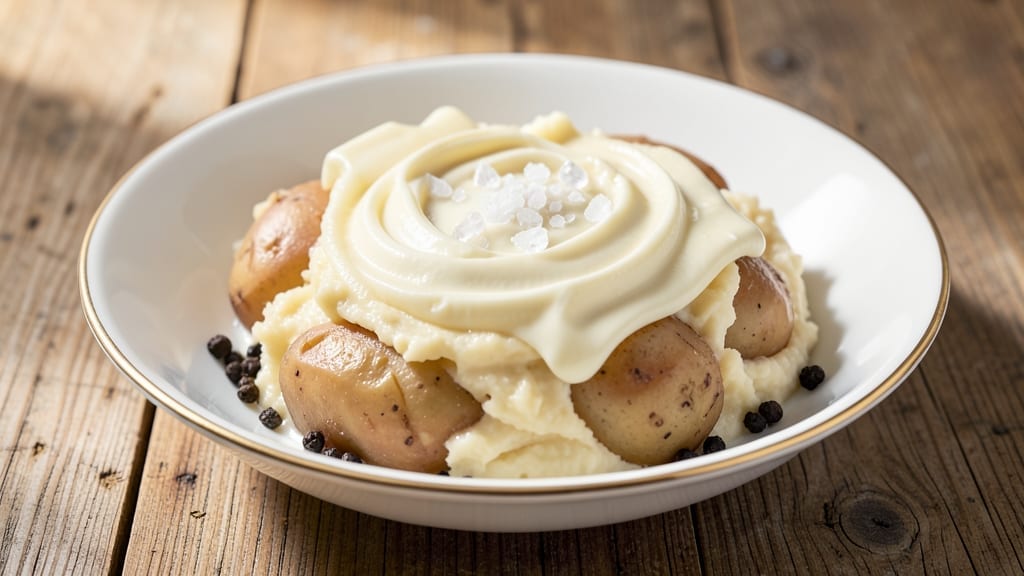
Perfectly fluffy mashed potatoes with ultra-smooth velvety texture in just 20 minutes—this 1-pound recipe delivers restaurant-quality results without the fuss. The secret lies in precise boiling times and the right starch-to-water ratio, ensuring every bite is creamy and never gummy.
I’ve tested countless methods, and this one consistently delivers that dreamy consistency home cooks crave. What sets this recipe apart is the technique: boiling potatoes whole for 15 minutes (not until fork-tender) preserves their structure, while the starchy water added back creates the ideal base for silky mashed potatoes.
No lumps, no guesswork—just buttery, velvety perfection. The process is straightforward, but the results are undeniably professional. By the end, you’ll have light, airy mashed potatoes that pair beautifully with roasted meats, gravy, or even as a vegetarian main.
The key is patience—letting the potatoes rest after mashing ensures the smoothest texture possible. This isn’t just a side dish; it’s a game-changer for any meal. Serve immediately with your favorite toppings, or reheat gently for a comforting classic. Here’s how to make them flawless every time.
Ingredients for 1 pound mashed potato
Seven simple ingredients transform into velvety mashed potatoes—no lumps, just pure comfort.
| Ingredient | Amount | Notes |
|---|---|---|
| Russet Potatoes 🥔 | 1 lb | Medium-sized, scrubbed clean |
| Unsalted Butter 🧈 | ½ cup | Cold, cut into small cubes |
| Whole Milk 🥛 | ½ cup | Full-fat for creaminess |
| Heavy Cream 🥛 | ¼ cup | For ultra-smooth texture |
| Diamond Crystal Kosher Salt 🧂 | 1 ½ tsp | Adjust to taste |
| Freshly Ground Black Pepper 🌶️ | ½ tsp | For subtle seasoning |
| Roasted Garlic Cloves 🧄 | 2 cloves | Optional, for depth |
Russet potatoes are the gold standard here—their high starch content creates that dreamy texture. Buy a 1-pound bag of medium potatoes from the grocery store’s produce section, not the pre-cut bins. The starchy water from boiling is what makes these potatoes ultra-smooth, so don’t drain it completely. For the butter, European-style unsalted butter like Plugrá or Land O’Lakes works perfectly—it’s higher in fat, which translates to richer mashed potatoes. If you’re feeling fancy, grab a head of roasted garlic from the store’s fresh section to add that subtle, sweet depth (trust me, it’s worth it).
No whole milk? Heavy cream or half-and-half works in a pinch, though the texture will be slightly lighter. Freshly ground pepper is a game-changer—pre-ground loses its punch fast, so if that’s all you’ve got, just use a little more. Running short on butter? Olive oil or coconut oil can replace up to half, though the flavor will shift slightly. The key to this recipe is the starchy water—don’t skip it! That’s what gives these mashed potatoes their signature velvety texture. And if you’re using roasted garlic, make sure it’s soft and spreadable—no need to peel it, just smash it with the back of a knife.
Potatoes keep best in a cool, dark place for up to 2 weeks, but once boiled, use them immediately for the best texture. The mashed potatoes reheat beautifully—just warm them gently in a pot with a splash of milk. Store any leftovers in an airtight container for up to 3 days. For extra richness, fold in a little more butter when reheating. These taste even better the next day, so make extra if you can—leftovers make great sandwiches or a quick breakfast hash.
Why You’ll Love This Recipe
- No-Peel Hassle: I swear by Russets here—just scrub and cube, no peeling required. The skins stay put if you boil them whole first, so you’re saving time and keeping those nutrients locked in.
- Creamy Luxe, Minimal Work: That heavy cream and butter combo? It’s the secret to velvety texture without overworking the potatoes. I dump everything in a hot pot, mash once, and call it a day—no food processor, no stress.
- Weeknight to Holiday: Same recipe for my lazy Mondays or Thanksgiving leftovers. Add roasted garlic for dinner parties, or keep it simple for a quick sandwich filling. It’s the ultimate blank canvas.
- Budget Stretch: A pound of potatoes feeds four, and the rest of the ingredients are pantry staples. Honestly, I make this twice a month—it’s cheaper than takeout, and the leftovers reheat like a dream.
Step-by-step instructions for ultra-smooth mashed potatoes
Here’s how to transform simple russet potatoes into restaurant-quality mash every time.
Cook Potatoes Until Fork-Tender
Place the 1 pound of scrubbed russet potatoes in a large pot and cover with cold water by about 2 inches. Add the 1.5 teaspoons of Diamond Crystal kosher salt to the water—this ensures even seasoning throughout the cooking process. Bring to a boil over high heat, then immediately reduce to a gentle simmer.
Cook for 12-15 minutes until a knife slides in easily with just slight resistance. The potatoes should be completely soft inside but not falling apart. I like to test by piercing with a knife near the center of one potato—if it goes in like butter, they’re ready. Drain immediately in a colander and return them to the pot.
Dry Thoroughly and Mash Roughly
Let the cooked potatoes sit in the colander for 1-2 minutes to steam-dry completely. This step is crucial—any excess moisture will make your mash watery. Transfer them back to the pot and use a potato masher or wooden spoon to break them down into rough chunks.
Don’t worry about getting everything perfectly smooth yet. The goal here is to create surface area for the butter to coat evenly. If you’re using the 2 cloves of roasted garlic, mash them directly into the potatoes now for that subtle, sweet depth of flavor.
Incorporate Butter and Heat
Return the pot to low heat and add the 0.5 cup of cold, cubed unsalted butter. Stir constantly for 2-3 minutes until the butter melts completely and the potatoes begin to absorb it. This step is where the magic happens—the butter’s fat will create that velvety texture we’re after.
Watch carefully—you want the butter to melt but not brown. If you see any golden flecks forming, remove from heat immediately. The residual heat from the potatoes will finish melting the butter without risking a burnt flavor.
Add Dairy for Ultra-Smooth Texture
Remove the pot from heat completely and begin adding the 0.5 cup of whole milk and 0.25 cup of heavy cream in a slow, steady stream. Use a wooden spoon or electric mixer to incorporate the dairy as you go—this prevents lumps and ensures a completely smooth consistency.
I like to mix on medium speed for 1-2 minutes until the potatoes are completely smooth. If you’re using an electric mixer, be patient—this is where you’ll get that professional, silky finish. The heavy cream adds richness while the milk keeps the texture light.
Season and Perfect the Texture
Taste and adjust seasoning with additional salt if needed—remember, we started with the full 1.5 teaspoons in the cooking water. Add the 0.5 teaspoon of freshly ground black pepper and mix well. For extra flavor depth, you could also add a splash of roasted garlic oil or a pinch of nutmeg here.
If the mash seems too thick, add a tablespoon or two more of milk or cream. It should be light enough to pipe but still hold its shape. Transfer to a serving bowl, cover with plastic wrap pressed directly on the surface to prevent a skin from forming, and let rest for 5 minutes before serving.
Pro Tips For Making 1 Pound Mashed Potato
- PEEL THE POTATOES LAST: I used to peel them first, then realized I was just adding extra steps. Russets are thick-skinned—just scrub them clean, prick with a fork, and boil whole. Peel after cooking when the skins slide off like a dream (and you’ve saved 10 minutes of soggy peel handling).
- USE A POTATO MASHER, NOT A RICER: Ricers make potatoes gluey—too much starch gets released. A sturdy masher keeps texture intact. Work in batches if needed, but don’t overmix; you’re not making glue here.
- SALT THE BOILING WATER: A pinch of kosher salt in the boiling water (about 1 tsp) seasons the potatoes inside out. Skip this, and you’ll end up chasing flavor with extra salt later—like trying to fix a flat tire with a bandaid.
- ADD CREAM WHILE STILL HOT: Warm the heavy cream first (just heat it in the microwave for 20 seconds). Mix it into the potatoes while they’re still piping hot—this emulsifies the butter and milk better, giving you that velvety finish. Cold cream? You’re just stirring in lumps.
Troubleshooting your 1 pound mashed potato
Lumpy Texture Fix
If your mashed potatoes turn out lumpy, it’s usually from overworking them or adding liquid too quickly. For a quick fix, return the potatoes to the pot and add 1-2 tablespoons of warm milk or cream at a time while stirring vigorously.
If lumps persist, use a potato ricer or food mill—this tool breaks down the potatoes into ultra-fine particles for that silky texture. 🥔
Watery Mashed Potatoes
Watery mash happens when there’s too much moisture in the potatoes. To prevent this, make sure to steam-dry them in the colander for 1-2 minutes after draining. If your mash is already watery, simmer it uncovered over low heat for 3-5 minutes to evaporate excess liquid.
For extra insurance, add a splash of warm milk or cream and stir until the texture thickens.
Burnt Butter Flavor
Burnt butter ruins the delicate flavor of mashed potatoes. To avoid this, melt the butter over low heat while stirring constantly. If you see any golden flecks forming, remove the pot from heat immediately—the residual heat from the potatoes will finish melting the butter without burning it.
For a quick fix, add a pinch of salt and a splash of milk to balance the flavor.
Uneven Cooking
If your potatoes cook unevenly, they might end up with some chunks still hard while others are mushy. To prevent this, cut larger potatoes into 2-inch chunks before boiling.
For even cooking, start with cold water and bring it to a boil over high heat, then reduce to a gentle simmer. If you notice uneven cooking, return the potatoes to the pot with a splash of water and cook for another 5 minutes.
Grainy Texture
A grainy texture usually means the potatoes weren’t mashed enough or the butter wasn’t incorporated properly. To fix this, use an electric mixer or a potato masher to break down any remaining lumps. For extra smoothness, add a splash of warm milk or cream and mix until completely silky.
If the texture is still grainy, try adding a bit more butter and mixing well—this helps to emulsify the potatoes for a velvety finish. 💫
Seasoning Issues
If your mashed potatoes taste bland or overly salty, it’s likely due to uneven seasoning. Start by tasting before adding extra salt—remember, you already added 1.5 teaspoons to the cooking water.
For a more complex flavor, add a pinch of freshly ground black pepper, a splash of roasted garlic oil, or a tiny bit of nutmeg. If they’re too salty, balance it out with a bit of cream or a splash of milk.
Nutrition facts
Frequently asked questions
Can I use sweet potatoes instead of russets?
Sweet potatoes work differently—they’re naturally sweeter and much drier, which changes the texture. For a similar result, peel and boil them for 10-12 minutes (they cook faster), then mash with 2 tablespoons extra milk and 1 extra tablespoon butter per pound. The color will be orange, and the flavor will be distinctly different from classic white mashed potatoes.
How do I scale this up for a crowd?
For every additional pound of russets, add 1/4 cup butter, 1/4 cup milk, and 2 tablespoons heavy cream. Keep the salt at 1.5 teaspoons per pound and pepper at 1/2 teaspoon per pound. The key is to maintain the same ratio of dairy to potatoes—this ensures that silky texture even when making larger batches. Use a stand mixer for best results.
Why does my mashed potato recipe always turn out gummy?
Gummy texture usually means the potatoes were overcooked or not dried properly after boiling. Always cook until fork-tender (12-15 minutes for russets) and steam-dry in a colander for 1-2 minutes after draining. For extra insurance, add 1 tablespoon butter per pound while mashing—this helps break down the starches and creates that velvety texture.
Can I make these mashed potatoes ahead of time?
Yes! These actually taste better the next day. After mashing, spread them in a shallow container and refrigerate. To reheat, microwave in 30-second bursts, stirring with a splash of warm milk between each interval. For oven reheating, bake at 350°F for 15-20 minutes covered with foil. Add a pat of butter when reheating for extra richness.
What’s the best way to serve these mashed potatoes?
These ultra-smooth mashed potatoes pair perfectly with roasted meats like turkey or beef, or even as a vegetarian main with sautéed mushrooms and gravy. For presentation, pipe them into a ring mold for a restaurant-style look, or top with crispy fried shallots and a drizzle of truffle oil. They’re also fantastic in loaded baked potato bowls or as a side for holiday meals.

- Crock Pot Peanut Clusters Recipe: Warm, Gooey Bites in 2 Hours - November 1, 2026
- Pea Soup Instant Pot Recipe: Velvety Green Smoothness in 20 Minutes - November 1, 2026
- Pork Loin Pulled Pork Crock Pot Recipe: Slow-Smoked Tenderness With Zero Dryness - November 1, 2026