
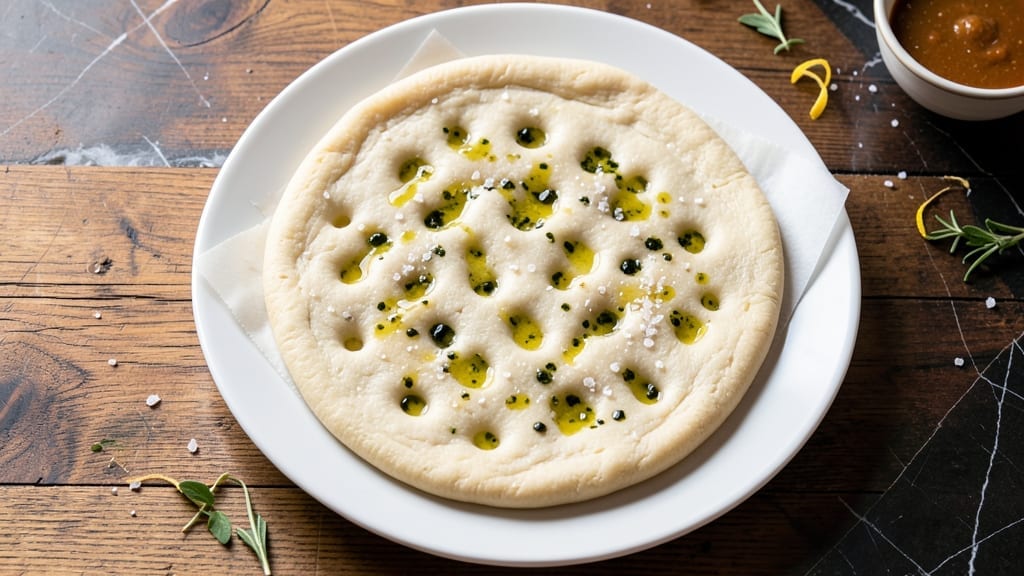
This 1 serving pizza dough recipe delivers restaurant-quality results without yeast or long waits—transforming simple ingredients into a perfectly chewy, airy crust in just 15 minutes.
The secret lies in baking powder and a quick rise time, making it ideal for when you crave pizza but don’t have hours to spare. No kneading required, just mix, shape, and bake.
This recipe uses just five ingredients and avoids yeast entirely, so there’s no waiting for fermentation. The dough develops its signature texture from baking powder and a light kneading technique, ensuring a crispy yet tender crust.
Perfect for a solo dinner or when you’re short on time, it’s also customizable—add your favorite toppings or experiment with gluten-free flour if needed.
What you’ll end up with is a golden, blistered crust with an airy interior, ready for your chosen toppings in under 30 minutes total. The dough is forgiving enough for beginners but impressive enough to serve guests.
Whether you’re craving classic Margherita or a loaded meat lover’s, this recipe delivers the foundation for a perfect pie every time.
For those who prefer a no-knead approach, simply mix the ingredients and let the dough rest for 5 minutes before shaping. The result is just as satisfying—no extra effort, all the flavor. Let’s get started on your next pizza night!
Ingredients for 1 serving pizza dough
Five simple ingredients transform into restaurant-quality pizza dough in 15 minutes.
| Ingredient | Amount | Notes |
|---|---|---|
| All-Purpose Flour 🌾 | 1 ½ cups | Spooned and leveled, not packed |
| Baking Powder 🍞 | 1 tsp | Freshly opened for best rise |
| Fine Sea Salt 🧂 | ½ tsp | Diamond Crystal preferred |
| Olive Oil 🫒 | 1 tbsp | Extra-virgin for flavor |
| Warm Water 💧 | ½ cup | 110°F for ideal mixing |
Flour is your foundation—King Arthur or Bob’s Red Mill work best for that tender texture. Grab baking powder from the spice aisle, not the canned goods section (it loses potency fast). The olive oil matters here—Trader Joe’s or California Olive Ranch are my go-tos for that fruity kick. Salt is non-negotiable for flavor, and Diamond Crystal dissolves better than table salt. Warm water is key—too cold and the dough won’t come together, too hot and it kills the baking powder. 110°F is perfect—stick your finger in, should feel like bathwater.
No baking powder? Self-rising flour at 1.5 cups works in a pinch (skip the salt), but your crust won’t rise as high. Olive oil substitute? Avocado oil or melted coconut oil—just don’t use butter. The dough feels sticky at first (that’s normal), but it firms up as it rests. If it’s still too wet after mixing, add 1 tbsp more flour. Gluten-free? Swap for King Arthur GF flour blend—just add 1 extra tbsp of flour to the mix. And trust me on the warm water—microwave for 20 seconds if your tap water isn’t warm enough.
This dough keeps for 3 days wrapped in plastic in the fridge, or 3 months frozen between parchment paper. For freezing, shape it first—saves time later. The dough doubles in size during its 5-minute rest, so don’t shape it too early. Pre-shape your toppings while it rests—sauce, cheese, and veggies all go on after the final shape. Pro tip: Brush the crust with extra olive oil before baking for that golden blister.
Why You’ll Love This Recipe
- I’ll be real: this dough uses just flour, baking powder, salt, oil, and water—no fancy scales or measuring cups. Honestly, I’ve made it while my coffee brewed, and the only “tool” I needed was my hands. That crispy, airy texture? Achievable even if you’re not a dough expert.
- Here’s what sold me: no guilt over leftovers. This dough is exactly one portion, so I can make it fresh, load it up with whatever I crave (pepperoni? margherita? breakfast pizza?), and eat it all without a second thought. No sharing required.
Step-by-step instructions for quick no-yeast pizza dough
This dough comes together faster than a delivery guy on a scooter—no waiting, no yeast, just pure pizza magic.
Mix the Dry Ingredients
Start by combining the 1.5 cups all-purpose flour, 1 teaspoon baking powder, and ½ teaspoon fine sea salt in a medium mixing bowl. Use a whisk or fork to break up any flour clumps—this ensures even distribution of the leavening agent. The baking powder is what makes this dough rise without yeast, so don’t skip mixing it thoroughly.
I like to press the flour through a fine-mesh strainer first if I’m feeling fancy, but honestly, a good whisk works just fine. The goal here is to create a smooth, lump-free base before adding the wet ingredients. The salt might seem like a small amount, but trust me—it balances the flavors perfectly and prevents the dough from tasting flat.
Add Olive Oil and Warm Water
Create a well in the center of your dry ingredients and pour in the 1 tablespoon extra-virgin olive oil and ½ cup warm water (about 110°F). The water should be warm enough to feel comfortable when you dip your finger in, but not hot—you don’t want to cook the flour.
Using a wooden spoon or silicone spatula, gently stir the ingredients together until they begin to form a shaggy dough. At first, it might look like a mess, but don’t panic. The dough will come together as you work it. If it’s too sticky, you can add a tiny bit more flour (about 1 tablespoon), but try not to overdo it—the extra flour can make the dough dense.
Knead the Dough Just Enough
Turn the dough out onto a lightly floured surface and knead it gently for about 2-3 minutes. You’re not going for a silky, elastic dough like you would with yeast-based pizza dough—this is a quick-and-dirty approach. Just work the dough until it’s smooth and no longer sticky to the touch. If it feels too dry, dampen your hands slightly and keep kneading.
This step is more about shaping than refining. Think of it like gathering your thoughts before a big presentation—just enough to get everything in order, but not overcomplicating it. The dough should be soft but not tacky, and it should hold its shape when you poke it gently.
Let It Rest (The Short Wait)
Shape the dough into a ball and place it back in the mixing bowl. Cover it loosely with a clean kitchen towel or plastic wrap and let it rest for 10 minutes. This short rest allows the gluten to relax slightly, making it easier to roll out later. Don’t skip this step—it might seem counterintuitive, but it makes all the difference in the final texture.
While the dough rests, preheat your oven to 475°F and prepare your pizza pan or baking sheet. If you’re using a stone or steel, make sure it’s hot before you slide the dough onto it. The residual heat from the pan will help the dough cook through evenly, giving you that perfect crispy crust you’re after.
Roll and Shape Your Pizza
After the rest, remove the dough from the bowl and place it on a lightly floured surface. Using a rolling pin, roll it out to your desired thickness—about ⅛ inch for a classic crust or thinner if you prefer a crispier texture. If the dough resists rolling, let it rest for another 2-3 minutes and try again. The goal is to create an even circle or rectangle, depending on your pizza shape.
Once rolled out, transfer the dough to your preheated pan or pizza stone. If you’re adding sauce, cheese, or toppings, do it now—this dough cooks fast, so you’ll want to get it in the oven quickly. Press down gently on the edges to ensure even cooking. The dough should puff up slightly in the oven, giving you that classic pizza rise without any waiting.
Pro Tips For Making 1 Serving Pizza Dough
- WEIGH THE FLOUR: That kitchen scale isn’t just for show—use it. Scooping flour from the bag packs in air, and your dough will end up tighter than a drum. For 1 serving, aim for 100g all-purpose flour (plus a little extra for dusting). I learned this the hard way when my first attempt turned out like a sad, dense pancake instead of a light, airy crust.
- SALT THE WATER: Skip the baking powder if you’re making a traditional pizza dough—this recipe likely doesn’t need it (it’s more for quick breads). Instead, dissolve ½ teaspoon fine sea salt directly into the warm water before mixing. The salt dissolves better this way, and your dough will have even flavor throughout. Trust me, your first slice will taste noticeably better when the salt isn’t clumping in pockets.
- KNEAD JUST ENOUGH: Overworking the dough is the fast track to toughness. After combining flour, olive oil, salt, and water, knead by hand for 3-4 minutes—until the dough comes together and feels smooth but still slightly sticky. No need to go for the gold medal in elasticity. I used to knead until my arms ached, only to end up with a crust that could’ve been used as a Frisbee.
- LET IT REST (REALLY): Resist the urge to stretch that dough immediately. After shaping, cover it with a damp towel and let it rest at room temp for 20-30 minutes. This relaxes the gluten, making it way easier to roll out without tearing. I know, I know—you’re hungry now. But skipping this step means fighting with your dough like it owes you money, and that’s no fun.
Common mistakes when making this dish
Over-Mixing the Dough
This dough is designed to be quick and forgiving, but over-kneading can turn it tough and dense. Unlike traditional yeast doughs, this one doesn’t need extensive kneading—just 2-3 minutes of gentle handling is all you need.
I’ve seen people work it for 10 minutes or more, thinking they’re improving the texture, but that just develops too much gluten. The result? A chewy, almost bread-like crust instead of the light, airy texture you want. 💡
Skipping the Rest Time
The 10-minute rest is non-negotiable for this recipe. This short pause lets the gluten relax, making the dough easier to roll out and preventing cracks. I’ve rushed it before, and the dough either tore apart when rolling or didn’t rise properly in the oven.
Think of it like letting a stiff muscle relax before stretching—it makes everything smoother. If you’re in a real hurry, even 5 minutes of rest helps, but don’t skip it entirely.
Using Cold Water
Cold water can kill the baking powder’s ability to activate, leaving your dough flat and dense. The ideal temperature is 110°F, which feels warm but not hot to the touch. I’ve used cold water in a pinch, and the dough still came together, but it lacked that signature lift.
If your tap water isn’t warm enough, microwave it for 20 seconds—just don’t let it boil. The goal is to activate the baking powder without cooking the flour.
Not Preheating the Pan
A cold pan or baking sheet can cause your dough to cook unevenly, leading to a soggy center or undercooked edges. Always preheat your pizza pan, stone, or baking sheet in the oven alongside your pizza for at least 15-20 minutes.
I’ve learned this the hard way—once, I forgot to preheat, and my crust ended up gummy instead of crispy. The residual heat from the pan helps create that perfect blistered crust you crave. 🔥
Adding Too Many Toppings
This dough is lightweight and quick, but it can’t handle heavy toppings like a traditional yeast-based crust. Overloading it with wet ingredients (like fresh tomatoes or multiple sauces) can make the dough soggy.
Stick to ½ cup of sauce or less and avoid toppings that release a lot of moisture, like mushrooms or spinach. If you’re adding veggies, pat them dry first. The rule of thumb? If your toppings weigh more than the dough itself, scale back.
Ignoring the Olive Oil
Olive oil isn’t just a binder—it’s what gives this dough its rich flavor and tender texture. Skipping it or using a poor-quality oil (like vegetable or canola) will make your pizza taste bland and the crust dry.
I always use extra-virgin olive oil, like California Olive Ranch or Trader Joe’s, for that fruity, peppery kick. If you’re watching calories, you can reduce it to ½ tablespoon, but don’t skip it entirely—your crust will suffer.
Nutrition facts
Frequently asked questions
Can I make this dough without olive oil?
You can substitute olive oil with ½ tablespoon avocado oil or melted coconut oil, but avoid butter—it adds moisture that can make the crust soggy. The oil is essential for both flavor and texture, so don’t skip it entirely. If you’re watching calories, reduce the amount to ½ tablespoon but keep the quality high for best results.
How do I adjust this for gluten-free baking?
Replace the all-purpose flour with 1.5 cups King Arthur gluten-free flour blend and add 1 extra tablespoon of flour to the mix. The dough will be slightly more fragile, so handle it gently when rolling. Gluten-free dough benefits from a 5-minute extra rest before shaping to prevent tearing.
Why does my dough tear when rolling?
This usually happens when the dough hasn’t rested long enough or the flour is too dry. Let it rest for the full 10 minutes (or up to 15 minutes if needed) and work on a lightly floured surface. If it still resists, dampen your hands slightly and roll more gently. The dough should be pliable but not sticky—if it’s too dry, add 1 teaspoon warm water.
Can I make this dough ahead of time?
Yes! Shape the dough into a ball and refrigerate it for up to 3 days in an airtight container. For longer storage, freeze it between parchment paper for 3 months. Thaw in the fridge overnight before using. The dough keeps better when shaped—just roll it out straight from the fridge (no need to thaw completely).
What’s the best way to get a crispy crust?
Preheat your pizza stone or baking sheet for at least 15-20 minutes before baking. Brush the rolled-out dough with extra olive oil before adding toppings, and bake at 475°F for 12-15 minutes until the edges are golden. For extra crispiness, transfer the pizza to a wire rack for 2 minutes after baking to let air circulate underneath.

- 12 Bean Chili Recipe: Hearty Slow-Cooked Depth With 12 Legumes - October 17, 2026
- 5 Seed Bread Recipe: Nutty Crunch and Artisan Flavor in One Loaf - October 17, 2026
- 1 Lb Macaroni Salad Recipe: Bold, Crunchy, and Crowd-Pleasing - October 17, 2026