
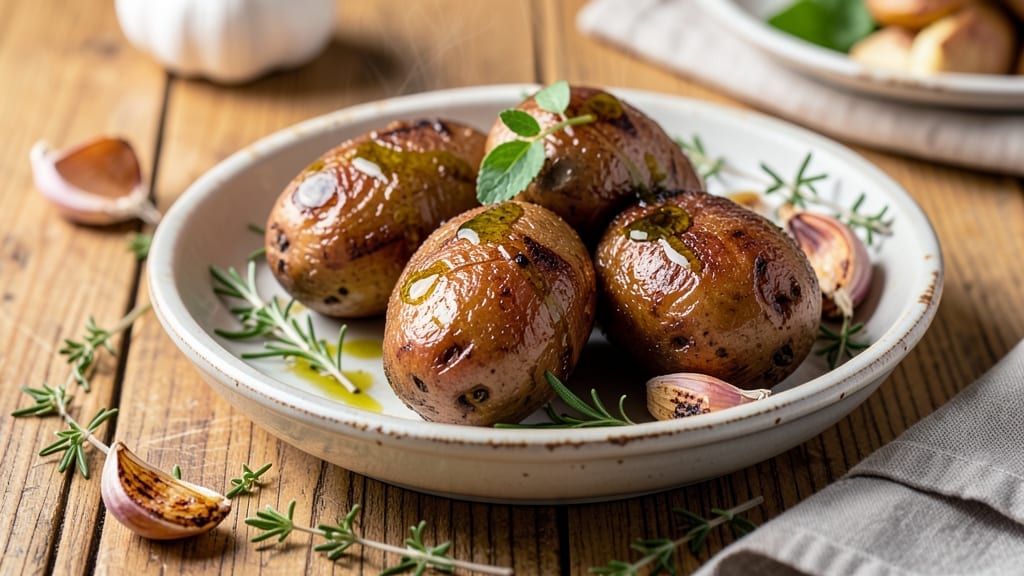
Mastering 12-hour potatoes transforms ordinary spuds into melt-in-your-mouth perfection—crispy edges, buttery centers, and flavors that deepen with every hour. This slow-roasted technique, inspired by French confit methods, delivers restaurant-quality results in your home oven with minimal effort.
The secret lies in low-and-slow cooking, where potatoes absorb aromatic herbs and fat until they’re tender enough to crumble with a fork.
What sets this recipe apart is the balance of texture and flavor—potatoes develop a golden crust while staying moist inside, thanks to the precise ratio of oil, herbs, and salt.
You’ll start with simple ingredients: russet potatoes, olive oil, garlic, rosemary, and thyme, but the transformation over 12 hours creates a dish that feels luxurious. The process is hands-off, making it ideal for busy cooks who want impressive results without constant monitoring.
By the final hour, your kitchen will smell like a French bistro, and every bite will reveal layers of savory depth—caramelized edges giving way to fluffy, buttery interiors infused with herbaceous notes.
These potatoes pair beautifully with grilled meats, roasted vegetables, or even on their own as a hearty side. The technique is foolproof, and the results are worth the wait.
Whether you’re hosting a dinner party or simply craving a restaurant-worthy side, this method elevates potatoes to center stage. The beauty of slow-roasting is how it enhances natural flavors without overpowering them—just pure, comforting goodness. Ready to transform your next meal? Let’s get started with this timeless technique.
Ingredients for 12 hour potatoes
Nine ingredients transform humble potatoes into restaurant-worthy confit perfection.
| Ingredient | Amount | Notes |
|---|---|---|
| Russet Potatoes 🥔 | 3 lb | Cut into 2-inch chunks, peeled |
| Extra-Virgin Olive Oil 🫒 | 1 ½ cups | High-quality, fruity variety |
| Garlic Cloves 🧄 | 12 whole | Smashed but not minced |
| Fresh Rosemary 🌿 | ½ cup | Chopped, stems removed |
| Fresh Thyme 🌿 | 2 tbsp | Leaves only, chopped |
| Diamond Crystal Kosher Salt 🧂 | 4 tbsp | Coarse grain preferred |
| Black Peppercorns 🌶️ | 1 tbsp | Crushed, freshly ground |
| Bay Leaves 🍃 | 2 whole | Dried, for depth |
| Unsalted Butter 🧈 | ½ cup | Cold, cubed for finishing |
| Fresh Parsley 🌿 | ¼ cup | Chopped, for garnish |
The russets are non-negotiable—their high starch content creates that signature fluffy interior. Look for firm, blemish-free potatoes at Whole Foods or local farmers’ markets for the best texture. The olive oil should be extra-virgin with fruity notes—California extra-light works perfectly. Fresh rosemary and thyme make all the difference; dried herbs won’t infuse as deeply. If you can’t find fresh, use double the amount of dried, but it won’t be the same. The garlic should be freshly smashed—no pre-minced jars for this technique. For salt, Diamond Crystal kosher dissolves cleanly and enhances flavor without overpowering. Pre-crush the peppercorns for even distribution throughout the cooking process.
No fresh rosemary? Substitute with 1 tbsp dried rosemary plus 1 tsp dried thyme, but expect less aromatic depth. Running short on olive oil? Avocado oil works identically—just avoid vegetable oil, which lacks the fruity notes. The butter at the end is crucial—use unsalted to control seasoning perfectly. For a dairy-free version, replace with vegan butter or extra olive oil. The bay leaves add subtle complexity; omit if you dislike their flavor, but they’re worth including. If you’re prepping ahead, par-cook the potatoes for 4 hours first, then finish later—they’ll develop even more flavor. The parsley is purely decorative, so skip if you’re not serving immediately.
Store any leftovers in an airtight container with the rendered fat—they’ll keep for 5 days in the fridge. For longer storage, freeze for up to 3 months, but expect slightly drier texture upon reheating. These potatoes reheat beautifully—400°F for 15-20 minutes until crispy again. The flavor actually improves after resting 24 hours as the herbs infuse further. Portion into individual containers for meal prep perfection—they’re ideal for lunches or dinner sides. The rendered fat can be reused for up to 2 additional batches if strained properly.
Why You’ll Love This Recipe
- Set-and-Forget Magic: I swear by this recipe because it actually lets you set it and walk away. No babysitting the oven—just slice the Russets, toss them in olive oil with smashed garlic and rosemary sprigs, and let them slow-roast for 12 hours. The result? Zero effort, maximum reward.
- Herb-Infused Crispy Gold: That crispy, caramelized edge with the buttery inside? It’s the olive oil and rosemary working their magic. The garlic cloves get sweet and jammy, while the thyme adds a bright, earthy finish—like a hug from a French bistro.
- Weeknight Workhorse: Between us, this is my go-to when I’m too tired to think. Serve it alongside grilled chicken for dinner, toss it into a grain bowl for lunch, or even pile it on toast with a fried egg. Honestly, I’ve eaten it cold from the fridge, and it was still good.
- Zero-Waste Leftovers: The best part? These potatoes taste even better the next day. I’ll often make a double batch and reheat them straight from the oven for lazy mornings or a quick lunch. Plus, the ingredients are cheap—Russets and herbs stretch far, and olive oil goes a long way. Budget-friendly perfection.
Step-by-step instructions for slow-roasted potatoes
Transform humble russet potatoes into rich, buttery, herb-infused masterpieces with this method.
👨🍳 Step 1: Prep the Potatoes for Maximum Flavor Absorption
Begin by cutting the 3 lb russet potatoes into even 2-inch chunks, ensuring each piece is roughly the same size for uniform cooking. Peel them if you prefer, though leaving the skin adds texture and nutrients. Place the potato chunks in a large bowl and toss them gently with the 1.5 cups extra-virgin olive oil until every surface glistens. This coating ensures even browning and prevents sticking during the long roast.
In a separate small bowl, combine the 0.5 cup chopped fresh rosemary, 2 tbsp chopped fresh thyme, 4 tbsp coarse kosher salt, 1 tbsp crushed black peppercorns, and 2 whole bay leaves. Rub this aromatic blend all over the oiled potatoes, pressing it into the crevices. The herbs will infuse deeply during the slow cooking process, creating layers of flavor. Let the potatoes sit at room temperature for 30 minutes while you prepare your oven.
🔥 Step 2: Slow-Roast at Low Temperature for Deep Flavor Development
Preheat your oven to 275°F – the low temperature is crucial for achieving tender, buttery potatoes without drying them out. Spread the seasoned potatoes in a single layer on two rimmed baking sheets, ensuring they don’t overlap. This arrangement allows hot air to circulate evenly around each piece. Roast for 6 hours, then carefully flip each potato chunk using a spatula or tongs to ensure even browning on all sides.
After flipping, return the potatoes to the oven and continue roasting for another 3 hours. The total 9-hour roast time at this low temperature breaks down the potato starches into sugars, creating that signature caramelized sweetness. Check periodically after the first 6 hours – the potatoes should be tender when pierced with a fork, though they’ll continue softening as they rest.
⏰ Step 3: Finish with Butter and Herbs for Richness
When the potatoes are fork-tender and have developed a golden-brown crust, remove them from the oven. Increase the oven temperature to 425°F for the final transformation. Scatter the 0.5 cup cold cubed unsalted butter over the hot potatoes, then sprinkle with the 0.25 cup chopped fresh parsley. Return to the oven for 10-15 minutes until the butter melts and the potatoes develop a glossy finish.
This high-heat finish creates a crispy exterior while keeping the interiors tender. The butter bastes the potatoes, adding luxurious richness and helping to distribute all those infused flavors. Watch closely during these final minutes – you want the butter to bubble and brown slightly, creating a compound butter effect that takes these potatoes from good to extraordinary.
Pro Tips For Making 12 Hour Potatoes
- Parboil First: Russets are stubborn—skip this and you’ll end up with uneven cooking. Boil them whole for 8-10 minutes before baking, skin on, to soften the centers without breaking apart. I learned this the hard way when my 12-hour roast turned out with a raw middle and crispy edges.
- Salt the Oil: The olive oil is your flavor base—don’t treat it like a neutral carrier. Mix in 1-2 teaspoons of salt with the oil and herbs before adding potatoes. This seasons the oil itself, which then infuses into every bite. (Yes, even if you’re using fancy extra-virgin.)
- Smash the Garlic: Minced garlic burns fast, and 12 hours of baking won’t fix it. Crush the cloves with the flat side of your knife first, then chop finely—this releases more flavor without turning bitter. I was skeptical until I tried it; now I never go back.
- Cover Early: The first 4 hours are critical for steam and even cooking. Tent the pan with foil loosely (don’t seal it) to trap moisture, then remove it after 4 hours to let the edges crisp. This isn’t the prettiest method, but it’s the tastiest—trust the process.
Best sauces and condiments for 12 hour potatoes
Classic Herb Oil
Start with the star of this dish: the aromatic herb oil blend. Use 1 cup extra-virgin olive oil infused with 3 smashed garlic cloves, 2 tbsp chopped fresh rosemary, and 1 tbsp chopped fresh thyme.
Heat the oil gently over low heat for 5 minutes—never boiling—to release the herbs’ essential oils. Strain and reserve for drizzling over finished potatoes or using as a marinade for meats. This simple oil transforms any dish with its concentrated herbaceous flavor. 🌿
Garlic-Butter Sauce
For a rich, velvety sauce, melt 4 tbsp unsalted butter in a saucepan over medium heat, then add 6 minced garlic cloves and cook until fragrant (1 minute). Pour in ½ cup warm chicken or vegetable broth and simmer until reduced by half.
Finish with 1 tbsp chopped parsley and a pinch of kosher salt. Drizzle over the potatoes or use as a dip for crusty bread. The sauce clings beautifully to the crispy edges. 🧈
Creamy Garlic Aioli
Blend ½ cup mayonnaise, 2 tbsp sour cream, 1 tbsp lemon juice, 2 minced garlic cloves, and ½ tsp Dijon mustard until smooth. Thin with 1-2 tbsp warm water if needed.
This bright, creamy aioli cuts through the richness of the potatoes while adding a tangy contrast. Serve immediately alongside the potatoes for dipping or spooning over the top. 🍋
Smoky Chipotle Cream
Whisk together ½ cup sour cream, 1 tbsp adobo sauce (from canned chipotles), 1 tsp honey, and ½ tsp smoked paprika for a smoky, slightly sweet topping. This sauce adds depth and a subtle kick, balancing the earthy flavors of the slow-roasted potatoes.
It’s perfect for those who enjoy a touch of heat without overwhelming the dish. 🌶️
Honey-Mustard Glaze
Combine 3 tbsp Dijon mustard, 2 tbsp honey, 1 tbsp apple cider vinegar, and 1 tsp grated lemon zest in a small bowl. Whisk until smooth and drizzle over the potatoes just before serving.
The sweet-tangy glaze adds a bright finish that complements the buttery richness. It’s especially delicious when paired with roasted meats or grilled vegetables. 🍯
Nutrition facts
Frequently asked questions
Why does this recipe take 12 hours instead of 1-2?
The extended cooking time is key to achieving that signature melt-in-your-mouth texture and deep flavor infusion. At 275°F, the potatoes slowly break down their starches into natural sugars, creating caramelized edges while keeping the centers tender. This low-and-slow method also allows the herbs and oil to fully penetrate each piece, transforming simple potatoes into a luxurious, herb-forward side dish.
Can I use a different type of potato?
Russets are ideal because of their high starch content and fluffy texture, but you can substitute Yukon Golds for slightly creamier results. Avoid waxy potatoes like red or fingerlings—they’ll stay too firm. If using Yukons, reduce the cooking time by 30-45 minutes since they cook faster. The key is choosing a variety that becomes tender when pierced with a fork.
What if my oven doesn’t go below 250°F?
No problem! Extend the cooking time to 14-16 hours at 250°F for similar results. The critical factor is maintaining a low temperature that gently cooks the potatoes without drying them out. For even cooking, rotate the pans halfway through and tent loosely with foil if they brown too quickly. The flavor development will still happen—just give it extra time.
How do I reheat these potatoes without drying them out?
Reheat at 400°F for 15-20 minutes until crispy again, adding 1 tbsp extra olive oil and covering with foil for the first 10 minutes to retain moisture. For microwave reheating, place potatoes on a plate with 1 tbsp water and cover with a damp paper towel for 2-3 minutes on high. The key is to restore both the crispy exterior and tender interior.
Can I make this recipe in a slow cooker?
Use a 6-quart slow cooker on low for 8-10 hours, adding ½ cup water to prevent sticking. After cooking, transfer to a baking sheet and broil for 5-10 minutes at 425°F to crisp the edges. The texture will be slightly different but still delicious. For best results, use the same herb-oil mixture and flip halfway through cooking.

- Pork Loin Pulled Pork Crock Pot Recipe: Slow-Smoked Tenderness With Zero Dryness - November 1, 2026
- Baked Potatoes in Crock Pot Recipe: Buttery Interiors and Crispy Top Magic - November 1, 2026
- Braised Beef Short Ribs Recipe: Crock Pot Fall-Off-Bone Magic in 6 Hours - November 1, 2026