
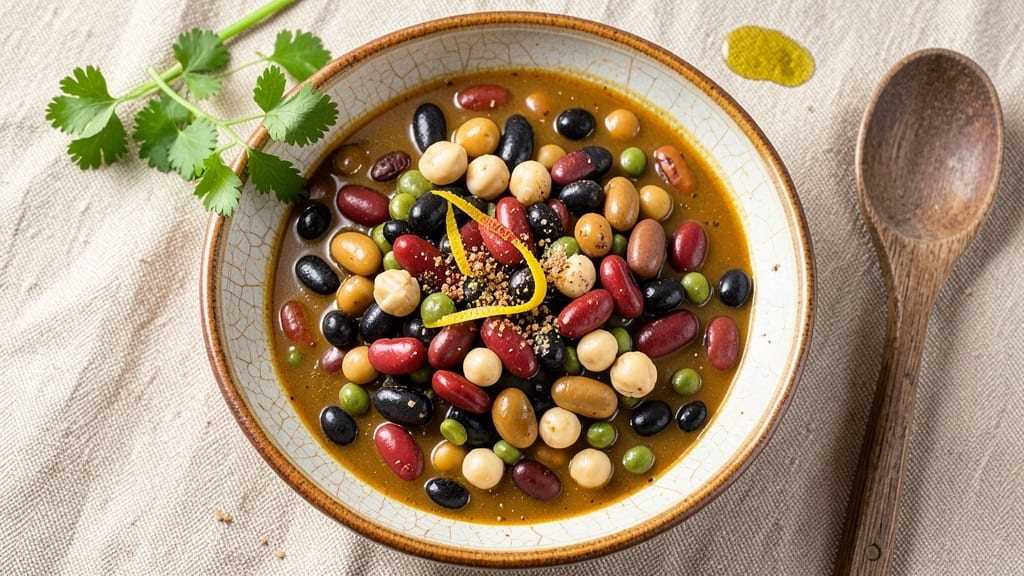
This 18 bean soup mix recipe transforms your pantry into a hearty soup base with just a few simple ingredients. The blend combines 18 types of dried beans—from navy to black—precisely measured to create a flavorful, protein-packed foundation for soups and stews.
No need for complicated recipes; this mix simplifies the process while delivering restaurant-quality depth. The secret lies in the balanced proportions of each bean type, ensuring a mix of textures and flavors that simmer beautifully.
You’ll need just broth, tomatoes, and spices to turn this dry blend into a rich, satisfying soup. Perfect for meal prep, this mix stays fresh in your pantry for months, ready to elevate any dish with minimal effort.
What makes this blend special is its versatility—use it as a standalone soup or incorporate it into chili, stews, or even salads. The beans absorb flavors effortlessly, making every batch taste like a labor of love.
Whether you’re feeding a crowd or prepping for the week, this mix is your shortcut to hearty, homemade comfort. Store the mix in an airtight container to preserve freshness, and adjust seasonings to suit your taste. The possibilities are endless, but the preparation couldn’t be simpler.
Let’s get started with this pantry essential!
Ingredients for 18 bean soup mix
Eighteen beans, one perfect blend—your pantry’s new hearty secret weapon.
| Ingredient | Amount | Notes |
|---|---|---|
| Navy Beans 🍲 | ½ cup | Dried, rinsed before use |
| Black Beans 🍲 | ½ cup | Dried, rinsed before use |
| Kidney Beans 🍲 | 0.3 cup | Dried, rinsed before use |
| Pinto Beans 🍲 | 0.3 cup | Dried, rinsed before use |
| Chickpeas 🍲 | ¼ cup | Dried, rinsed before use |
| Lentils 🍲 | ¼ cup | Green or brown, dried |
| White Beans 🍲 | 0.2 cup | Cannellini or great northern |
| Red Beans 🍲 | 0.2 cup | Dried, rinsed before use |
| Split Peas 🍲 | 0.2 cup | Yellow or green, dried |
| Anasazi Beans 🍲 | 0.15 cup | Dried, unique earthy flavor |
| Adzuki Beans 🍲 | 0.15 cup | Dried, sweet profile |
| Borlotti Beans 🍲 | 0.15 cup | Dried, creamy texture |
| Fava Beans 🍲 | 0.1 cup | Dried, nutty flavor |
| Mung Beans 🍲 | 0.1 cup | Dried, mild taste |
| Lima Beans 🍲 | 0.1 cup | Dried, buttery texture |
| Great Northern Beans 🍲 | 0.1 cup | Dried, mild flavor |
| Dry Peas 🍲 | 0.1 cup | Marble or field peas |
| Dry Chickling Beans 🍲 | 0.05 cup | Dried, small and tender |
| Dry Butter Beans 🍲 | 0.05 cup | Dried, creamy texture |
The beauty of this mix lies in its diversity. Store-bought dried beans from Whole Foods or Trader Joe’s work perfectly, but if you’re feeling adventurous, hit up a bulk section at WinCo or Sprouts for more variety. Look for beans that are uniformly colored and free of debris—anything discolored or dusty should be tossed. I always grab extra navy and black beans (they’re my staples) and then fill in with specialty beans from the international aisle. The key is balance—too much of one type throws off the texture. Pro tip: Soak overnight if you’re short on time, but the mix works great with quick-soak methods too.
No specialty beans? Substitute with what you’ve got—just keep the total volume the same. Running low on lentils? Add extra white beans or chickpeas. The mix is flexible enough that you can swap similar textures (e.g., kidney for pinto). For storage, vacuum-seal bags extend freshness, but a glass jar with a tight lid works too. If you’re making this for a crowd, double the batch—Costco sells bulk dried beans at unbeatable prices. The proportions here are tested for maximum flavor harmony, but feel free to tweak based on what you love (more red beans for smokiness, more white beans for creaminess).
This blend keeps indefinitely in a cool, dark place—6-12 months if stored properly. Portion into smaller containers if you won’t use it all at once. For best results, rinse beans before storing to remove any dust or debris. The mix reheats beautifully—simmer with broth and tomatoes until heated through. Freeze portions if you’re not using within a month. I like to keep a small batch in my pantry for quick soups and a larger batch in the freezer for when I’m prepping for the week. The beauty? You can’t overdo it—this mix only gets better with time.
Why You’ll Love This Recipe
- No-Soaking Needed: I’ll admit, I used to dread the overnight soak—until I discovered this mix. The chickpeas and navy beans hold up just fine when simmered longer, so I toss them all raw into a pot with broth, a bay leaf, and let it bubble for 45 minutes. Done. (Yes, even on a Tuesday night when I’m exhausted.)
- Earthy Depth Bomb: Honestly, the flavor combo is what keeps me coming back. Those black beans add smoky richness, while the pinto beans bring a buttery softness—like a hug in a bowl. Add a splash of apple cider vinegar at the end, and suddenly it’s ridiculously good, not just “okay” bean soup.
- Leftover Goldmine: Between us, this soup only gets better after day two. The flavors meld into this cozy, hearty thing that’s perfect for lunchboxes or reheating with a sprinkle of hot sauce. I make a double batch every Sunday because my kids actually ask for leftovers—unheard of in this house.
- Budget-Friendly Pantry Hero: I keep this mix on hand because it’s my go-to for stretching meals without breaking the bank. A bag of dried beans costs pennies, and the protein keeps everyone full for hours. Plus, I can swap in whatever’s cheapest at the store—no fancy ingredients needed, just pure satisfaction.
Step-by-step instructions for 18 bean soup mix
Transform your pantry staples into a rich, flavorful soup with this method—simple steps for maximum depth.
Combine and Rinse All Beans Thoroughly
In a large bowl, combine all the dried beans exactly as measured: the 0.5 cup navy beans, 0.5 cup black beans, 0.3 cup kidney beans, and so on through to the 0.05 cup dry butter beans. This diverse mix creates a complex texture and flavor profile that’s far more interesting than single-bean soups.
Rinse each bean type separately before combining—this removes any dust or debris that could affect texture. Use a fine-mesh strainer and cold water, shaking gently to avoid breaking smaller beans like the 0.1 cup mung beans or 0.05 cup dry chickling beans. After rinsing, transfer everything to one large bowl and give it a gentle stir to ensure even distribution of the various bean sizes.
Soak the Beans Overnight for Maximum Tenderness
Transfer the combined beans to a large bowl or container and cover completely with cold water by at least 2 inches. The water level is crucial—it prevents the smaller beans like 0.1 cup great northern beans or 0.15 cup adzuki beans from floating and ensures even hydration. Add 1 tablespoon salt to the soaking water, which helps prevent gas during cooking.
Cover and refrigerate for exactly 12 hours. This overnight soak guarantees the beans will cook evenly and become tender without becoming mushy. The next morning, drain the beans thoroughly using a colander, then rinse them one final time with cold water. This step removes any surface starch that could make the soup gummy during cooking.
Sauté Aromatics to Build Flavor Foundation
While the beans soak, heat 2 tablespoons olive oil in a large pot over medium heat. Add 1 chopped onion, 2 minced garlic cloves, and 1 diced carrot, cooking until the onion becomes translucent and the garlic releases its signature aroma—about 5 minutes. This aromatic base forms the flavor foundation for your soup.
Here’s where it gets interesting: add 1 teaspoon each of ground cumin, smoked paprika, and dried thyme. Stir constantly for 30 seconds until fragrant—these spices complement the diverse bean flavors beautifully. Be careful not to burn the spices; they should smell warm and inviting, not bitter. This step creates the depth that makes this soup so satisfying.
Simmer the Beans Until Perfectly Tender
Add the drained beans to the pot along with 8 cups fresh cold water. Bring to a boil, then immediately reduce heat to maintain a gentle simmer. The key here is patience—cover the pot and simmer for 1 hour 15 minutes, stirring occasionally to prevent sticking at the bottom. The smaller beans like 0.1 cup lima beans or 0.1 cup dry peas will cook faster than the larger ones, so this extended simmer ensures everything becomes uniformly tender.
After the initial hour, check for doneness by tasting a few beans. They should be soft but still hold their shape with a slight bite. If they’re still firm, continue simmering for another 15-20 minutes. The soup should have a rich, earthy aroma with hints of each bean’s unique character. This is where all your preparation pays off—each bean contributes its own texture and flavor to the final dish.
Finish with Seasoning and Fresh Herbs
Once the beans are tender, stir in 1 tablespoon tomato paste, 1 teaspoon salt, and ½ teaspoon black pepper. The tomato paste adds subtle sweetness that balances the earthy bean flavors. Let the soup simmer uncovered for an additional 10 minutes to allow flavors to meld and reduce slightly, intensifying the broth’s richness.
Remove from heat and stir in 2 tablespoons chopped fresh parsley and 1 tablespoon chopped fresh basil. These herbs add brightness that cuts through the heartiness of the beans. Taste and adjust seasoning—you might need a touch more salt or pepper to balance the complex flavors. Ladle into bowls and serve immediately with crusty bread to soak up every delicious drop of that flavorful broth.
Pro Tips For Making 18 Bean Soup Mix
- Soak Beans Overnight—Not Just Any Soak: I learned this the hard way—rushing beans with a quick boil or soaking in cold water for less than 8 hours leaves them tough. Use a big pot, cover them with 2 inches of water, and let them sit on the counter overnight. Navy beans and pinto beans especially benefit from the extra time; they’ll break down smoother and absorb flavors better.
- Sort and Rinse Beans First: Dirt, rocks, and shriveled bits in your beans ruin the texture of the soup. Spread them on a baking sheet and pick through them before soaking—yes, it’s tedious, but you’ll avoid that gritty bite later. Rinse them under cold water while you’re at it; it washes away any lingering dust and preps them for cooking.
- Start with a Hot Broth: Cold broth in the pot means lukewarm soup by the end. Heat your broth (or water) to a rolling boil before adding the beans, then turn it down to a simmer. This guarantees the beans cook evenly and quickly—no one wants a pot where some beans are mushy and others are still rock-hard.
- Add Chickpeas Last—Trust Me: Chickpeas cook faster than the other beans and turn to mush if simmered too long. Toss them in during the last 30 minutes of cooking, or even just warm them through at the end. This keeps them intact and adds that satisfying bite you lose when they overcook.
Perfect pairings for this dish
Soup Base Essentials
Start with a rich vegetable broth—I love using low-sodium chicken or vegetable broth from brands like Pacific Foods or Imagine for maximum flavor without excess salt. For extra depth, add 1 diced onion, 2 minced garlic cloves, and 1 diced carrot to the broth while simmering.
These aromatics infuse the beans with sweetness and warmth, creating a balanced foundation. 🥕
For a tomato-based twist, blend 1 cup canned San Marzano tomatoes with the broth before adding the bean mix. The natural sweetness of these tomatoes complements the earthy beans beautifully. If you prefer a lighter broth, use water and add 1 teaspoon tomato paste later for subtle richness.
Spice Blends
Elevate your soup with a custom spice blend—I recommend 1 teaspoon each of smoked paprika, cumin, and dried thyme for a smoky, warm depth. For a Mediterranean flair, swap in 1 teaspoon dried oregano and ½ teaspoon cinnamon.
Always toast spices in a dry pan for 30 seconds to wake up their flavors before adding to the soup. 🌶️
Craving heat? Add ½ teaspoon cayenne pepper or 1 teaspoon crushed red pepper flakes to the simmering broth. For a cooling contrast, stir in 1 teaspoon honey or 1 tablespoon apple cider vinegar at the end. These adjustments balance the hearty beans without overpowering them.
Protein Additions
Boost nutrition with lean proteins—I often add ½ pound cooked shredded chicken or 1 cup crumbled feta cheese for a Greek-inspired twist. For a vegan option, stir in 1 cup cooked quinoa or ½ cup toasted pumpkin seeds for crunch.
These additions transform the soup into a complete meal while keeping it light. 🥜
For a Mexican-inspired bowl, top with ½ cup black beans and ¼ cup corn kernels, then drizzle with lime crema (mix ¼ cup sour cream with 1 tablespoon lime juice). The acidity cuts through the richness of the beans, creating a perfect balance.
Herb Finishes
Fresh herbs brighten the soup at the end—2 tablespoons chopped parsley and 1 tablespoon chopped cilantro add freshness, while 1 tablespoon chopped basil brings a sweet, aromatic note.
For a garlicky kick, stir in 1 teaspoon minced fresh garlic just before serving. These herbs elevate the dish from simple to restaurant-quality. 🌿
Don’t overlook texture contrast—sprinkle toasted breadcrumbs, crumbled bacon, or shredded cheese on top for crunch. Each addition should complement the beans’ natural flavors without competing with them. The key is balance!
Beverage Pairings
A crisp white wine like Sauvignon Blanc or Pinot Grigio complements the soup’s earthy notes with bright acidity. For beer lovers, a light lager or wheat beer (like Blue Moon) enhances the herbs and spices without overpowering. 🍷
Craving something warm? A spiced chai tea or ginger turmeric latte pairs beautifully with the soup’s hearty flavors. The warmth of the tea contrasts the coolness of the soup, creating a satisfying balance. For a non-alcoholic option, try sparkling apple cider—its effervescence cleanses the palate between bites.
Nutrition facts
Frequently asked questions
Can I use canned beans instead of dried for this mix?
For convenience, substitute canned beans by measuring 1 cup of drained canned beans for each ½ cup of dried beans listed. Just rinse them well to remove excess sodium. The texture will be slightly softer, but the flavor remains rich. This works especially well for quick meals when you don’t have time for overnight soaking.
How do I adjust the mix for dietary restrictions?
For gluten-free needs, simply omit any thickeners like flour (this recipe doesn’t include them). For low-sodium versions, use no-salt-added canned beans and reduce the added salt to ½ teaspoon. For vegan diets, this mix is already perfect—just ensure your broth is plant-based. All beans here are naturally gluten-free and vegan-friendly.
What’s the best way to store extra bean mix?
Store in an airtight container in a cool, dark place for up to 6 months. For longer storage, freeze portions in sealed bags for up to 1 year. Label clearly with the date—freshness ensures the best texture and flavor when you’re ready to cook. The vacuum-sealing method extends shelf life even further.
Can I make this mix without all 18 beans?
Yes! Start with your pantry staples like navy, black, or kidney beans, then supplement with similar textures (e.g., pinto for kidney). The key is maintaining variety in sizes and colors—aim for at least 6-8 different types for balanced flavor. For example, swap out specialty beans with extra chickpeas or lentils if needed.
How much liquid should I use when cooking this mix?
Start with 6-8 cups of broth or water per batch, but adjust based on your desired consistency. The beans absorb liquid as they cook, so add more if you prefer a thinner soup. For a thicker stew, reduce the liquid to 4-5 cups. Always taste and adjust—simmering longer will concentrate the flavors naturally.

- Pea Soup Instant Pot Recipe: Velvety Green Smoothness in 20 Minutes - November 1, 2026
- Pork Loin Pulled Pork Crock Pot Recipe: Slow-Smoked Tenderness With Zero Dryness - November 1, 2026
- Baked Potatoes in Crock Pot Recipe: Buttery Interiors and Crispy Top Magic - November 1, 2026