
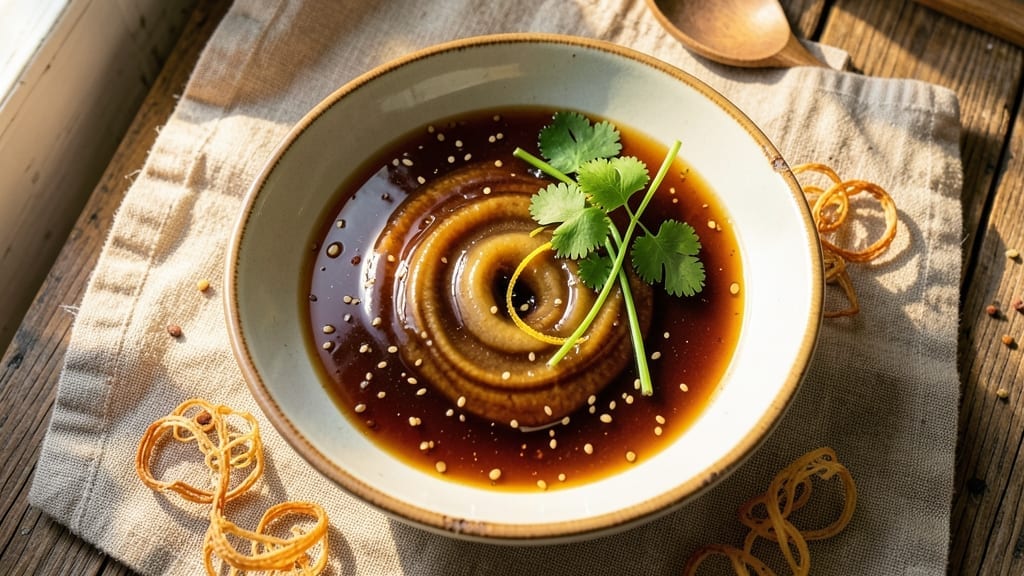
This 3-ingredient orange chicken sauce delivers restaurant-quality sweetness and tang in under 10 minutes—no complicated techniques or hidden ingredients required. The secret lies in balancing orange juice concentrate, soy sauce, and honey, creating a glaze that caramelizes beautifully when brushed over chicken or drizzled over vegetables.
I developed this sauce after years of testing simplified versions that still pack bold flavor without the fuss of traditional recipes.
The beauty of this recipe is its versatility—use it as a glaze for crispy orange chicken, a dip for spring rolls, or a finishing sauce for stir-fries. The sauce thickens naturally as it cooks, forming a sticky, caramelized crust that clings perfectly to protein.
Unlike store-bought versions, this one avoids artificial additives while delivering that signature sweet-savory balance.
With just orange juice concentrate, soy sauce, and honey, you’ll achieve a sauce that’s rich, glossy, and impossible to resist. The honey adds depth while the soy sauce brings umami, creating a harmony that works equally well with baked, fried, or grilled dishes.
This isn’t just a shortcut—it’s a flavor upgrade that transforms ordinary meals into standout dishes.
Store any leftovers in the fridge for up to a week, or freeze for longer shelf life. The sauce reheats beautifully, making it perfect for meal prep or last-minute flavor boosts.
Whether you’re cooking for a crowd or treating yourself to a quick weeknight dinner, this glaze delivers professional results with minimal effort.
Ingredients for 3 ingredient orange chicken sauce
Three ingredients, endless possibilities—this sauce transforms any dish with bold sweet-tangy magic.
| Ingredient | Amount | Notes |
|---|---|---|
| Orange Juice Concentrate 🍊 | ½ cup | Thawed if frozen, no water added |
| Soy Sauce 🥢 | ½ cup | Light or dark, your preference |
| Honey 🍯 | ¼ cup | Wildflower for floral notes |
| Cornstarch 🌾 | 1 tbsp | For thickening, optional but recommended |
| Water 💧 | 2 tbsp | For cornstarch slurry |
| Sesame Oil 🫒 | 1 tbsp | Toasted for aroma, optional |
Orange juice concentrate is the star here—Trader Joe’s has the best quality at a great price, but any brand works. Grab the canned version (no refrigeration needed) for convenience. The honey should be raw or wildflower for that floral depth, but regular honey works in a pinch. Soy sauce? Kikkoman is my go-to for its balanced flavor, but light soy has a cleaner taste if you prefer. Pro tip: if your concentrate is frozen, thaw it overnight in the fridge—no need to microwave. The sesame oil adds that signature aroma, but if you’re avoiding it, a pinch of garlic powder brings similar depth.
No cornstarch? Arrowroot powder at the same amount works perfectly, though it may thin slightly more. Short on honey? Maple syrup or agave are great swaps, though the flavor will shift a bit. Want extra tang? Add 1 tsp rice vinegar. The sauce thickens as it cooks, but if you need it glossier, simmer uncovered for an extra minute. For a smoother texture, strain through a fine-mesh sieve after cooking—especially if you’re using the optional sesame oil, which can get gritty. And if you’re making this ahead, reduce the water by 1 tbsp for a thicker sauce later.
This sauce keeps beautifully—1 week in the fridge sealed in a jar, or 3 months frozen in ice cube trays for single-use portions. Reheat gently on the stove or microwave until just warm (it thickens more as it cools). I always make double batches—one for immediate use, one to freeze. The flavor actually improves after a day or two as the ingredients meld. For meal prep, brush it over chicken thighs before baking, or drizzle over roasted veggies right before serving. Trust me, the leftovers are just as good as the first batch.
Why You’ll Love This Recipe
- Pantry Magic: I swear by this sauce—no fresh citrus, no fancy prep. Just dump that can of orange juice concentrate, a splash of soy sauce, and a drizzle of honey into a pot. Five minutes later, you’ve got that bright, tangy-sweet balance that tastes like you slaved over it.
- Sweet-Tart Fix: That honey cuts through the acidity so perfectly, it’s like a flavor hug. The cornstarch slurry thickens it just enough to coat chicken (or veggies, or rice) without turning gluey—no one will guess it’s this simple.
- Weeknight Workhorse: Toss it with store-bought chicken tenders for a 20-minute dinner, or use it to glaze tofu for a veggie night. Even my picky teen devours this—honestly, it’s my go-to when I’m too tired to think.
- Leftovers That Shine: This sauce actually improves the next day. Reheat it with a splash of water, and it’s even richer. I make a double batch on Sunday, freeze half, and still have emergency takeout-level flavor when I’m too wiped to cook.
Step-by-step instructions for 3-Ingredient orange chicken sauce
Here’s how to make this vibrant, restaurant-quality sauce in just minutes—no complicated techniques required.
Prepare the Cornstarch Slurry
In a small bowl, whisk together the 1 tablespoon cornstarch with the 2 tablespoons water until completely dissolved. This creates a smooth slurry that will thicken our sauce perfectly. The mixture should look like thin pancake batter with no lumps—if you see any, whisk a bit more vigorously. Set this aside while you prepare the other ingredients.
This step is crucial because adding dry cornstarch directly to hot liquids causes clumping. The pre-mixed slurry ensures a glossy, velvety texture rather than grainy bits. Think of it as the secret weapon for that professional restaurant finish you’re aiming for.
Combine Wet Ingredients
In a medium saucepan, combine the 0.5 cup thawed orange juice concentrate, 0.5 cup soy sauce, and 0.25 cup honey. Place the pan over medium-high heat and bring the mixture to a gentle boil, stirring occasionally with a wooden spoon. You’ll notice the sauce immediately starts to bubble and reduce as the heat works its magic.
Let it simmer for 3-4 minutes until the mixture thickens slightly and reduces by about one-third. This reduction concentrates the flavors and creates that perfect balance of sweet, tangy, and umami notes. The aroma should be intoxicating—like a mix of citrus orchard and soy sauce factory, which is exactly what we want.
Thicken the Sauce
Once the mixture reaches a gentle simmer and has reduced, slowly pour in the cornstarch slurry while stirring continuously. The sauce will thicken almost immediately—this is where the magic happens. Keep stirring for 1-2 minutes until the sauce reaches your desired consistency. It should coat the back of a spoon but still be pourable, like a glossy glaze.
If the sauce thickens too quickly, add 1 tablespoon water at a time until you reach that perfect balance. The key here is patience—don’t rush the thickening process or you’ll end up with a glue-like consistency. You’re looking for something that’s thick enough to cling to chicken but still flows smoothly.
Finish with Sesame Oil
Remove the saucepan from heat and stir in the 1 tablespoon sesame oil. This final step adds an incredible nutty aroma that elevates the entire dish. The oil should disperse quickly, giving the sauce a beautiful sheen. Taste and adjust the seasoning if needed—you might want to add a pinch more soy sauce for saltiness or a splash of orange juice for tang.
Let the sauce sit for 2-3 minutes off the heat to allow the flavors to meld completely. This resting period is often overlooked but makes a world of difference in the final product. The sauce will continue to thicken slightly as it cools, so don’t worry if it looks a bit runnier while hot.
Use Immediately or Store
Use the sauce immediately for best results, drizzling it over your favorite chicken dishes or tossing it with noodles. If you need to store it, transfer to an airtight container and refrigerate for up to 5 days. The sauce will keep well in the fridge, though it’s best used fresh when possible.
For an extra touch, garnish with toasted sesame seeds or thinly sliced green onions just before serving. The contrast of fresh herbs against the rich, glossy sauce will make your dish look and taste like it came straight from a high-end Asian restaurant. Enjoy this versatile sauce on everything from stir-fries to grilled chicken!
Pro Tips For Making 3 Ingredient Orange Chicken Sauce
- Thin Gradually: Mix your cornstarch slurry into cold water first—then add it to the simmering sauce. I learned this the hard way when I dumped it in hot and ended up with lumps that turned into a gluey mess. Stir constantly for 30 seconds after adding, or you’ll regret it.
- Dilute That Concentrate: Orange juice concentrate is thick enough to clog your saucepan if you don’t thin it first. Mix it with an equal part water before heating—this prevents scorching and ensures a smooth, glossy finish. (Yes, even if the bottle says “just add water.”)
- Balance the Sweet: Taste your sauce before adding honey—soy sauce already brings saltiness, and concentrate packs acidity. Start with half the honey called for, then adjust. Overdoing it turns your orange chicken into candy glaze, and no one wants that.
- Simmer, Don’t Boil: Keep the sauce at a gentle bubble, not a rolling boil. Boiling burns the honey and turns the sauce bitter. A low simmer (small bubbles, occasional swirls) keeps the flavors bright and the texture silky. Trust me, your taste buds will notice.
Storing and reheating this 3 ingredient orange chicken sauce
Fridge Storage Tips
Transfer your leftover sauce to an airtight container—I prefer glass jars with silicone lids—and refrigerate within 2 hours of cooking. The sauce thickens slightly as it cools, so give it a quick stir before storing.
It keeps beautifully for up to 1 week, though the flavors actually deepen over time as the ingredients meld. If you notice any separation, just whisk vigorously before reheating. 💡
Freezing for Later Use
For longer storage, portion the sauce into ice cube trays—this makes it perfect for single-use applications like glazes or dips. Once frozen, transfer the cubes to a freezer bag with all the air squeezed out to prevent freezer burn.
The sauce maintains quality for 3 months this way. When ready to use, thaw overnight in the fridge or microwave for 20-30 seconds on low power. 🧊
Reheating Methods
For best results, reheat the sauce gently on the stovetop over low heat with a splash of water or orange juice to restore its glossy consistency. If using the microwave, heat in 10-second bursts while stirring between each, until just warm—overheating can make it grainy.
The sauce thickens as it cools, so adjust with a few drops of water if needed. 🔥
Reviving Thickened Sauce
If your refrigerated sauce has thickened too much, simply add 1 teaspoon of water or orange juice at a time while whisking until smooth. The sauce should return to its original pourable consistency.
Avoid adding too much liquid at once—this can dilute the flavors. For extra shine, finish with a drizzle of sesame oil before using. ✨
Meal Prep Strategy
Make a double batch and store half in the fridge for immediate use while freezing the other half. Brush the refrigerated portion over baked chicken thighs or tofu before cooking, then drizzle with the thawed sauce at the end.
The frozen portion works perfectly for stir-fry sauces or spring roll dips—just thaw and adjust consistency as needed. 📅
Sauce Consistency Hacks
If your reheated sauce is too thick, thin it with 1 teaspoon of water at a time. For extra gloss, simmer uncovered for 30 seconds to evaporate excess moisture. If it’s too thin, simmer for 1-2 minutes to reduce naturally.
The key is patience—rushing leads to uneven texture. Trust the process, and you’ll always get that perfect glaze. 💫
Nutrition facts
Frequently asked questions
Can I make this sauce without cornstarch?
The cornstarch creates that perfect glossy glaze, but you can substitute 1 tbsp arrowroot powder for similar thickening. Without either, the sauce will be thinner—simmer uncovered for 5-7 minutes to reduce naturally. For extra body, add 1 tsp xanthan gum to the wet ingredients before heating. The texture won’t be as sticky, but it’ll still taste amazing!
How do I adjust the sweetness level?
Start with the 0.25 cup honey measurement, then taste as you go. For less sweetness, reduce honey by 1 tbsp and add 1 tbsp orange juice concentrate instead. Need more sweetness? Add 1 tsp maple syrup per 0.25 cup of sauce. The soy sauce already provides umami balance, so adjust gradually—you can always add more honey later.
What’s the best way to use this sauce beyond chicken?
This versatile glaze works beautifully on tofu, pork, or shrimp for stir-fries. Try drizzling it over roasted vegetables like carrots or Brussels sprouts, or use as a dip for spring rolls or egg rolls. For a dessert twist, brush it on baked apples or drizzle over vanilla ice cream. The citrus notes pair surprisingly well with sweet dishes!
Why did my sauce turn out too thick/thin?
Thick sauce? You likely simmered too long or added too much cornstarch. Thin it with 1 tsp water at a time. Too thin? Simmer uncovered for 1-2 extra minutes to reduce. The key is medium-high heat—if you cook on low, the sauce won’t thicken properly. Remember, it continues thickening as it cools, so remove from heat slightly before your target consistency.
Can I make this sauce spicy?
Add 1 tsp chili paste or ½ tsp red pepper flakes to the simmering sauce. For heat control, start with ½ tsp and adjust to taste. The citrus in the orange juice concentrate actually enhances spicy flavors, creating a perfect balance. If you love heat, try adding 1 tsp sriracha** at the end for a smoky kick.

- 12 Bean Chili Recipe: Hearty Slow-Cooked Depth With 12 Legumes - October 17, 2026
- 5 Seed Bread Recipe: Nutty Crunch and Artisan Flavor in One Loaf - October 17, 2026
- 1 Lb Macaroni Salad Recipe: Bold, Crunchy, and Crowd-Pleasing - October 17, 2026