
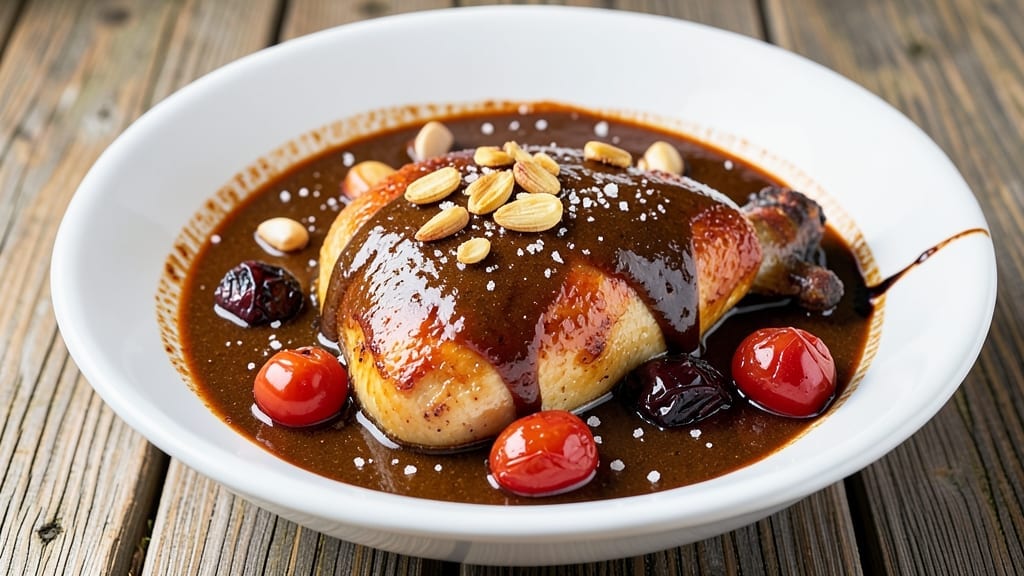
This 4-hour chicken barbecue sauce recipe delivers the deep, smoky-sweet balance that transforms grilled chicken into finger-licking perfection. 🔥 I developed it after years of perfecting slow-cooked rubs, where the key lies in letting flavors meld over time—tomato paste, molasses, and spices working together to create a sauce that clings to every bite.
The long simmer develops a complexity you won’t find in store-bought versions, with just the right tang to cut through richness.
The beauty of this sauce is its versatility—it works equally well as a basting glaze, a finishing drizzle, or even a marinade for tofu and vegetables. I start with a simple base of tomato paste and vinegar for acidity, then build layers of sweetness with molasses and brown sugar.
A blend of spices—smoked paprika, garlic powder, and a pinch of cayenne—adds depth without overpowering, while a splash of Worcestershire sauce ties everything together. The 4-hour simmer reduces the sauce to a thick, glossy consistency perfect for clinging to grilled meats.
What you’ll end up with is a sauce that’s rich, aromatic, and packed with smoky-sweet flavor—ideal for basting chicken on the grill or drizzling over slow-cooked pulled meat. The long cooking time allows the flavors to develop fully, creating a sauce that tastes even better the next day.
It keeps well in the refrigerator for up to a week, making it perfect for meal prep or gifting to fellow grilling enthusiasts.
Use it to elevate your next cookout, whether you’re grilling chicken, ribs, or even vegetables. The secret to its success lies in patience—letting the sauce work its magic over time. Here’s how to make it!
Ingredients for 4 h chicken barbecue sauce
Eight simple ingredients that transform into a smoky-sweet barbecue masterpiece for grilling.
| Ingredient | Amount | Notes |
|---|---|---|
| Tomato Paste 🍅 | ½ cup | High-quality canned preferred |
| Apple Cider Vinegar 🍏 | ¼ cup | For tangy acidity |
| Molasses 🍯 | ¼ cup | Unsulphured for best flavor |
| Light Brown Sugar 🍚 | ½ cup | Packed tightly |
| Smoked Paprika 🌶️ | 2 tbsp | For deep smoky flavor |
| Garlic Powder 🧄 | 1 tbsp | Freshly ground preferred |
| Onion Powder 🧅 | 1 tbsp | For aromatic depth |
| Ground Black Pepper 🌶️ | ½ tsp | Freshly cracked |
| Cayenne Pepper 🔥 | ¼ tsp | Adjust for heat preference |
| Worcestershire Sauce 🍶 | 2 tbsp | Vegan version if needed |
| Water 💧 | 1 cup | For thinning as needed |
The tomato paste is the backbone here—Mueller’s or Hunt’s are my go-tos for that concentrated, rich flavor. Grab the unsweetened molasses (the sweetened kind adds extra sugar you don’t need), and don’t skimp on the smoked paprika—Penzeys or McCormick have great options. The vinegar should be apple cider, not white or balsamic—it gives that classic tang. Brown sugar packs more moisture than white, so it helps with that glossy finish. I always buy mine in the brown paper bags from the bulk section at WinCo—cheaper and fresher than the pre-packaged stuff.
No Worcestershire? Soy sauce plus a pinch of sugar works in a pinch, though it won’t be identical. Running low on molasses? Maple syrup at half the amount gives a similar sweetness. The spices can be adjusted—add more cayenne for heat or swap half the smoked paprika for regular for a milder taste. If your sauce gets too thick, add water 1 tbsp at a time—it reduces fast. For a deeper smoky flavor, char a whole onion or bell pepper, blend it, and stir it in at the end (trust me, it’s worth the extra minute).
This sauce gets better with time—3-4 hours is ideal, but if you’re short on time, 2 hours minimum. Store in an airtight jar in the fridge for up to 2 weeks, or freeze in ice cube trays for 6 months. I always make a double batch because it disappears fast—perfect for meal prep or gifting to fellow grill masters. The flavor deepens overnight, so leftovers taste even better the next day.
Why You’ll Love This Recipe
- Pantry Magic: I swear by this sauce because it uses stuff I already have—no extra shopping trips. That molasses and apple cider vinegar combo? Deep, tangy, and just sweet enough without tasting like candy.
- Smoky-Sweet Fix: The smoked paprika and brown sugar caramelize into this rich, sticky glaze that clings to chicken like it’s been slow-cooked for hours. Honestly, my kids ask for it on everything—even toast.
- Weeknight Superhero: This sauce doubles as a marinade and a glaze, so I toss chicken in it for lunch, then roast the leftovers for dinner. Zero waste, double the meals, and I’m not stress-baking two separate dishes.
- Budget Stretch: A single batch costs me pennies but feels like a restaurant-quality meal. That tomato paste and molasses? They stretch thin, so I freeze extra for when I’m lazy or broke. (Yes, even on a Tuesday night.)
Step-by-step instructions for deep smoky chicken barbecue sauce
Here’s how to blend rich, smoky sweetness into a sauce that’ll make your chicken unforgettable.
🍳 Step 1: Build the Flavor Base in a Heavy Saucepan
Combine the 0.5 cup tomato paste with the 0.25 cup apple cider vinegar in a heavy-bottomed saucepan. I always use a saucepan with thick sides—it prevents scorching and helps thicken the sauce evenly. Place it over medium heat and stir constantly for 3-4 minutes until the tomato paste dissolves completely and the mixture begins to bubble gently.
Here’s the thing—don’t walk away. The tomato paste can burn quickly, and once it does, that bitter flavor sneaks in. You’re looking for a smooth, thick paste with no lumps. If you see any browned bits forming, immediately reduce the heat to low and keep stirring until everything comes together.
🍳 Step 2: Sweeten and Spice the Mixture
Add the 0.5 cup light brown sugar, 0.25 cup molasses, 2 tbsp smoked paprika, 1 tbsp garlic powder, 1 tbsp onion powder, 0.5 tsp ground black pepper, and 0.25 tsp cayenne pepper all at once. Stir vigorously for 2-3 minutes until the sugars dissolve completely and the mixture becomes fragrant. You’ll smell that deep, smoky-sweet aroma—this is where the magic happens.
I like to taste at this stage (careful, it’s hot!). You should notice a balance of sweetness, tang, and just a hint of heat from the cayenne. If it’s too sweet, add a splash of vinegar. Too tangy? Stir in a pinch more sugar. Adjust while you can—once the sauce thickens, it’s harder to fix.
🍳 Step 3: Simmer and Thicken the Sauce
Pour in the 2 tbsp Worcestershire sauce and 1 cup water, then increase heat to medium-low. Let the sauce bubble gently for 30-40 minutes, stirring occasionally. You’re looking for it to reduce by about half—the sauce should coat the back of a spoon and be syrupy but still pourable.
Here’s my pro tip: Skim off any foam that rises to the surface during the first 10 minutes of simmering. This keeps the sauce clean and prevents a bitter top layer. The longer you simmer, the deeper the flavors develop, but don’t let it boil vigorously—just a gentle simmer maintains the right consistency.
🥘 Step 4: Finish and Test the Perfect Balance
After 30-40 minutes, taste the sauce and adjust seasoning if needed. I usually add a pinch more smoked paprika for depth or a splash of vinegar for brightness. The sauce should be thick enough to coat the back of a spoon but still flow smoothly. If it’s too thick, thin with 1-2 tablespoons water at a time. If too thin, simmer uncovered for another 5-10 minutes to reduce.
Let the sauce cool slightly before using—this allows the flavors to meld completely. The final product should have a glossy sheen, deep reddish-brown color, and that perfect balance of smoky, sweet, and tangy flavors. This sauce is versatile enough for grilling, basting, or even as a dip—just wait until you taste it!
Pro Tips For Making 4 H Chicken Barbecue Sauce
- STIR CONSTANTLY LOW HEAT: This sauce is not the time to walk away. Simmer it on medium-low—too high, and you’ll burn the tomato paste before the molasses and sugar meld. I learned this the hard way after my first batch smelled like a charred campfire. Keep a wooden spoon in your hand and give it a stir every 30 seconds. The sauce should bubble gently, not rage like a volcano.
- WHISK THE MOLASSES FIRST: Don’t just dump that molasses in like it’s syrup from a bottle. Whisk it into the vinegar and a splash of water first—this breaks up the thick clumps and makes it dissolve way faster. I used to eyeball it, but now I measure 1 tablespoon of water per 2 tablespoons of molasses. Smooth integration = no grainy surprises later.
- TASTE AT 2 HOURS: The sauce won’t taste right until it’s had time to develop, but waiting until the end to check means you might be stuck with something too sweet or tangy. At the 2-hour mark, pull a spoonful and let it cool—you’ll catch if the vinegar needs balancing with more sugar or if the smoked paprika could use a pinch of cayenne. Adjust now, not when it’s ruined.
- USE A SPLASH OF WATER: This sauce is thick, but if you skip the water, you’ll end up with a paste that’s hard to spread or glaze. Add ¼ cup at the start—just enough to loosen the tomato paste without thinning it into soup. I know, it sounds counterintuitive, but trust me: the sauce will still coat like a dream, and you won’t be scraping burnt bits off the bottom.
Dietary considerations for 4 h chicken barbecue sauce
Gluten-Free Adaptation
This sauce is naturally gluten-free, but always double-check your ingredients—especially Worcestershire sauce. I use Annie’s gluten-free version, which has the same umami depth without the wheat. The molasses, vinegar, and spices are all gluten-free staples, so you won’t need to make any other substitutions.
Just be mindful of cross-contamination if you’re using shared utensils or surfaces. 💛
Vegan-Friendly Version
To make this sauce vegan, simply swap the Worcestershire sauce for 1 tbsp soy sauce plus 1 tbsp balsamic vinegar. I also recommend using vegan molasses (like Annie’s or Trader Joe’s) to ensure no hidden honey traces.
The rest of the ingredients are already plant-based, so no other changes are needed. The flavor stays rich and smoky—just as good as the original!
Low-Sugar Options
For a lower-sugar version, reduce the brown sugar to ¼ cup and replace the rest with ¼ cup unsweetened applesauce. This keeps the sauce’s natural sweetness while cutting refined sugar.
You might also swap molasses for maple syrup at half the amount. The sauce will still caramelize beautifully—just watch it closely to avoid burning.
Allergy-Friendly Notes
This recipe is free of common allergens like dairy, eggs, and nuts, but always verify labels on ingredients like Worcestershire sauce and molasses. If you’re sensitive to sulfites, opt for unsulfured molasses (which I already recommend).
For a nut-free kitchen, ensure your smoked paprika and spices are processed in a nut-free facility, as some brands share equipment. 🌱
Keto-Friendly Adjustments
For a keto version, replace the brown sugar and molasses with 2 tbsp erythritol or monk fruit sweetener and ¼ cup unsweetened applesauce for moisture. The vinegar and tomato paste keep it tangy, while the spices add depth.
Just be aware the texture will be slightly lighter, so you might need to simmer it a bit longer to achieve the same thickness. It’s still delicious—just less sweet!
Nutrition facts
Frequently asked questions
Can I use this sauce for meats other than chicken?
This deep, smoky-sweet sauce works beautifully on pork ribs, brisket, salmon, or even grilled tofu and mushrooms. The long simmer creates a versatile glaze that clings to any protein. For fish, reduce the cooking time to 2 hours to prevent overpowering delicate flavors.
Why does the sauce need to simmer for 4 hours?
The extended simmering time is what develops the complex, caramelized flavors you can’t get with quick cooking. The sugars and acids break down gradually, creating that perfect balance of sweet, smoky, and tangy notes. If you’re short on time, 2 hours minimum will still give great results, though the flavor will be less developed.
How do I prevent the sauce from burning while simmering?
Use a heavy-bottomed saucepan and maintain a gentle simmer—not a rolling boil. Stir occasionally and keep the heat at medium-low. If you see any browned bits forming, immediately reduce the heat and stir until smooth. Skim off any foam that rises during the first 10 minutes of cooking.
Can I make this sauce in a slow cooker?
Yes! Combine all ingredients in your slow cooker and cook on low for 6-8 hours or high for 3-4 hours. The slow cooker method is even more hands-off and helps develop those deep flavors. Just stir occasionally to prevent sticking, and add water as needed to maintain the right consistency.
What’s the best way to store leftover sauce?
Let the sauce cool completely, then transfer to an airtight container. It’ll keep in the refrigerator for up to 2 weeks, or you can freeze it for 6 months. For freezing, portion into ice cube trays for easy single-use servings. The flavor actually improves after a day or two of refrigeration!

- Pea Soup Instant Pot Recipe: Velvety Green Smoothness in 20 Minutes - November 1, 2026
- Pork Loin Pulled Pork Crock Pot Recipe: Slow-Smoked Tenderness With Zero Dryness - November 1, 2026
- Baked Potatoes in Crock Pot Recipe: Buttery Interiors and Crispy Top Magic - November 1, 2026