
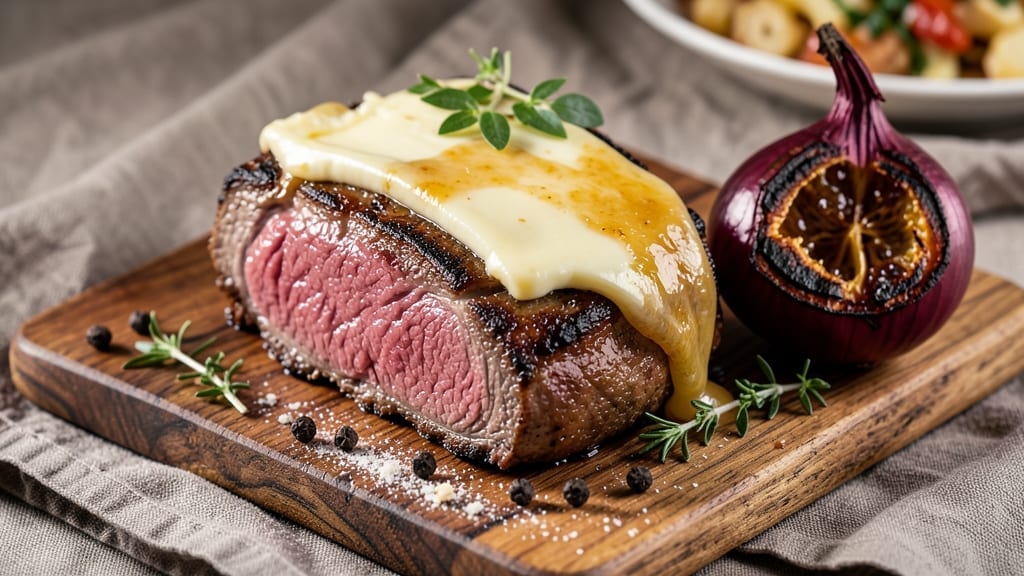
A 4-lb sirloin tip roast slow-cooked to perfection delivers melt-in-your-mouth tenderness with a caramelized crust that seals in every juicy bite. This cut transforms tougher beef into restaurant-quality results using a proven method that balances low-and-slow cooking with a high-heat finish.
The secret lies in precise temperature control—starting with a gentle oven or slow cooker to break down connective tissue, then finishing with a sear to create that coveted crust. What sets this recipe apart is its ability to handle the sirloin tip’s natural leaner profile while maximizing flavor.
A simple seasoning blend of coarse salt, black pepper, and garlic powder forms a flavorful crust during the final sear, while the slow cooking process ensures the meat remains fork-tender. No marinades or complicated techniques—just time, patience, and attention to temperature.
By the time you carve into this roast, you’ll reveal perfectly pink centers with just a hint of pink, surrounded by a deep brown crust that adds depth to every bite. The texture is what makes this recipe worth the wait: tender enough to fall apart slightly while maintaining structure.
This is the kind of meal that elevates a weeknight dinner into something special without requiring hours at the stove. Serve with classic sides like roasted potatoes, caramelized onions, or a simple green salad to complement the rich beef.
The leftovers reheat beautifully, making this an ideal recipe for meal prep or feeding a crowd. Let’s get started on creating your most tender roast yet.
Ingredients for 4 lb sirloin tip roast
The perfect blend of beef and aromatics transforms a tough cut into melt-in-your-mouth perfection.
| Ingredient | Amount | Notes |
|---|---|---|
| Sirloin Tip Roast 🥩 | 4 lb | Center-cut preferred for tenderness |
| Coarse Kosher Salt 🧂 | 1 ½ tbsp | Diamond Crystal preferred for even distribution |
| Freshly Ground Black Pepper 🌶️ | 1 tbsp | Cracked peppercorns preferred |
| Garlic Powder 🧄 | 2 tsp | Freshly ground preferred |
| Unsalted Butter 🧈 | ½ cup | Cold, cubed for crust formation |
| Yellow Onions 🧅 | 2 whole | Peeled, halved for aromatics |
| Fresh Rosemary 🌿 | 1 sprig | Thick stems for flavor infusion |
| Fresh Thyme 🌿 | 1 sprig | Leaves only for delicate flavor |
| Beef Bone Broth 💧 | 1 cup | Homemade or high-quality store-bought |
| Olive Oil 🫒 | 2 tbsp | High-smoke-point preferred |
| Red Wine 🍷 | ½ cup | Bold dry red, like Cabernet Sauvignon |
| Fresh Parsley 🌿 | ¼ cup | Chopped for garnish and brightness |
The sirloin tip roast is the star—center-cut delivers maximum tenderness. Most butchers will trim excess fat for you, but if buying whole, look for good marbling and even grain. Costco or Whole Foods typically carry high-quality cuts, but any reputable grocery store’s meat department should have suitable options. The 4-lb size is ideal for four servings with generous leftovers. For best results, let the roast sit at room temperature for 30-45 minutes before cooking to ensure even cooking throughout.
No coarse kosher salt? Diamond Crystal is the gold standard, but Morton works in a pinch—just use slightly less. Freshly cracked peppercorns make all the difference over pre-ground. Garlic powder should be fresh-smelling; if it tastes flat, toast it in a dry pan for 30 seconds to revive its flavor. For the butter, European-style (like Plugrá) has higher fat content, perfect for that rich crust. The red wine can be swapped for beef broth if unavailable, though it adds depth the broth lacks. Fresh herbs are non-negotiable here—their oils infuse during cooking, but dried will work at one-third the amount if needed.
This roast reheats beautifully—warm it gently in the oven or skillet for 5-10 minutes to avoid drying. Store leftovers in an airtight container for up to 5 days in the fridge or 3 months frozen. For meal prep, portion into individual servings before freezing to simplify reheating. The crust will crisp up again when reheated, so don’t skip the final sear. Room-temperature roast is key—never thaw frozen meat in warm water, as it promotes bacterial growth.
Why You’ll Love This Recipe
- Foolproof Seasoning: I swear by the salt-and-pepper crust—just slather it on thick before searing, and that coarse kosher salt locks in flavor while the pepper adds this perfect bite. No fancy rubs, no guesswork; it’s the kind of simple seasoning that makes even the most basic cut feel like a restaurant-quality steak.
- One-Pan Magic: Between us, this roast is the lazy cook’s dream. You sear it in the same pan where it finishes in the oven—no extra dishes, no stress. That butter basting at the end? All it takes is a quick flip and a spoon to turn everything rich and golden. Honestly, I’ve made it while scrolling through my phone.
- Leftovers That Win: The best part? This roast actually tastes better the second day. Thinly slice it for tacos, chop it into sandwiches, or toss it into a skillet with garlic and onions for a quick stir-fry. My kids fight over the scraps, and my husband always asks for seconds—proof it’s not just filling, it’s reliable.
- Budget Steakhouse Feel: A 4 lb sirloin tip is cheaper than ribeye but delivers the same satisfying chew and depth. The garlic powder and butter? That’s your secret weapon for turning tougher cuts into something tender and crave-worthy. I’ll be real: I’ve served this at dinner parties, and no one’s ever guessed it wasn’t a $30 cut.
Step-by-step instructions for slow-cooked sirloin tip roast
The secret to a perfect sirloin tip roast lies in patience and technique. Here’s how to achieve maximum tenderness with a caramelized crust.
Prepare and Season the Roast
Remove the sirloin tip roast from the refrigerator and let it sit at room temperature for 30 minutes before cooking. This ensures even cooking throughout. Pat the roast dry with paper towels—this step is critical for achieving a proper crust. I like to use two layers of paper towels and press firmly to remove all moisture.
In a small bowl, combine the 1.5 tablespoons coarse kosher salt, 1 tablespoon freshly ground black pepper, and 2 teaspoons garlic powder. Rub this mixture all over the roast, pressing it into the meat so it adheres evenly. Pay special attention to the fat cap and edges where seasoning tends to accumulate. The salt will penetrate the meat during the slow cook, enhancing flavor without overpowering it.
Sear the Roast for Flavor Development
Heat 2 tablespoons olive oil in a heavy Dutch oven over medium-high heat until shimmering. Place the seasoned roast fat-side down in the pan and sear for 3-4 minutes until a deep golden brown crust forms. This initial sear locks in juices and creates a flavorful foundation for the slow cook.
Flip the roast and sear the other side for another 3-4 minutes. Remove the roast from the pan and set it aside. The goal is to develop color without cooking the meat through—this ensures the interior remains tender. If the pan starts to smoke excessively, reduce the heat slightly to maintain control.
Build the Aromatic Base
In the same Dutch oven, add the 2 whole yellow onions, peeled and halved, along with the 1 sprig fresh rosemary and 1 sprig fresh thyme. Cook over medium heat for 5 minutes until the onions begin to soften and release their sweet aroma. This step infuses the cooking liquid with layers of flavor that will penetrate the meat during the slow cook.
Deglaze the pan by pouring in the 0.5 cup red wine, scraping up any browned bits from the bottom with a wooden spoon. This technique, called fond formation, captures all the flavor compounds that would otherwise burn. Let the wine simmer for 2 minutes until reduced by half, then add the 1 cup beef bone broth. Bring to a gentle simmer and return the roast to the pan.
Slow-Cook to Perfect Tenderness
Cover the Dutch oven and transfer it to a preheated 300°F oven. Cook the roast for 3 hours, turning it occasionally to ensure even exposure to the cooking liquid. The slow, moist heat breaks down connective tissue, transforming tough muscle fibers into tender, fork-tender meat.
After 3 hours, remove the roast from the oven and increase the heat to 425°F. Add the 0.5 cup cold unsalted butter, cubed, to the pan. Return the roast to the oven and cook uncovered for an additional 20-30 minutes until the butter melts and forms a golden, caramelized crust. This final step creates the signature bark that seals in juices and adds rich flavor.
Rest and Serve
Transfer the roast to a cutting board and tent loosely with aluminum foil. Let it rest for 15-20 minutes before slicing. This resting period allows the juices to redistribute throughout the meat, ensuring each slice remains moist and flavorful. The internal temperature should reach 145°F for medium-rare or 160°F for medium doneness.
Slice the roast against the grain into ¼-inch thick slices. Garnish with the 0.25 cup chopped fresh parsley and serve immediately with the pan juices reduced by half for a rich gravy. The result should be a perfectly tender roast with a caramelized crust and deep, layered flavors from the slow cooking process.
Pro Tips For Making 4 Lb Sirloin Tip Roast
- CRANK THE HEAT FIRST: Sirloin tip needs that sear to lock in flavor, so blast your oven to 475°F for the first 20 minutes—no half-measures. I used to start at 425°F and wondered why my crust never formed properly. High heat = better crust, better taste.
- SALT THE NIGHT BEFORE: Coarse kosher salt works best when it penetrates deep, and dry-brining overnight makes all the difference. Pat the roast dry first, then rub it down with salt and pepper, and let it sit uncovered in the fridge—your future self will notice the juicier, more flavorful meat.
- DON’T CUT INTO IT YET: Resting is non-negotiable, but I still see people slicing into roast too soon. Tent it with foil and let it sit for at least 15 minutes—this keeps the juices inside where they belong. Trust me, the wait is worth it.
- USE COLD BUTTER: Take the butter out of the fridge and let it sit until it’s just soft enough to spread—not melted. Rub it over the roast after searing, then sprinkle garlic powder on top—this adds richness without turning the meat greasy. Works every time.
Make-ahead tips for this dish
Prep Ahead Strategy
Season your 4-lb sirloin tip roast up to 24 hours ahead and store it uncovered in the fridge. The salt will penetrate deeply, enhancing flavor without overpowering. I like to place the seasoned roast on a wire rack over a tray to prevent moisture buildup.
This step saves time on cooking day and ensures even seasoning throughout. 🌟
Slow Cooker Adaptation
For hands-off cooking, sear the roast as directed, then transfer it to a 6-quart slow cooker with onions, herbs, wine, and broth. Cook on low for 6-8 hours until fork-tender.
The key difference is the lack of crust—finish with a quick sear in a hot skillet with 2 tbsp butter and 1 tbsp olive oil to restore that golden bark.
Freezer-Friendly Prep
After searing the roast, wrap it tightly in plastic wrap followed by foil to prevent freezer burn. Freeze for up to 3 months. Thaw overnight in the fridge, then proceed with the slow-cooking method.
The texture remains excellent, though the crust will be less pronounced—re-sear after cooking to compensate. ❄️
Leftovers Reinvention
Transform leftover slices into beef stroganoff by simmering with 1 cup sour cream, 1 tbsp Dijon mustard, and ½ cup sliced mushrooms over medium-low heat for 10 minutes.
Serve over egg noodles for a comforting weeknight dinner. Alternatively, shred the meat for tacos or quesadillas with bold seasonings.
Gravy Prep Shortcut
While the roast rests, skim excess fat from the pan juices and reduce them over medium-high heat for 5-7 minutes until thickened. Strain through a fine-mesh sieve into a jar. This pre-made gravy reheats in 2 minutes on the stovetop—just add a splash of water or broth as needed.
Store gravy in the fridge for up to 5 days or freeze for 3 months. 💡
Portion Control Tips
For meal prep, slice the roast while still warm and portion into airtight containers with 1 tbsp gravy per serving. Reheat individual portions in the microwave for 2-3 minutes covered with a damp paper towel.
To maintain moisture, add 1 tsp water or broth before reheating. This method keeps the meat tender and prevents drying out during storage.
Nutrition facts
Frequently asked questions
Can I cook a 4 lb sirloin tip roast in a slow cooker instead?
Yes! Sear the roast first, then transfer it to a 6-quart slow cooker with onions, herbs, wine, and broth. Cook on low for 6-8 hours until fork-tender. For the crust, finish with a quick sear in a hot skillet using 2 tbsp butter and 1 tbsp olive oil. This method works well but requires the extra sear step to recreate the caramelized bark.
What’s the best way to check doneness without a meat thermometer?
Press the roast gently with your finger—if it feels very firm, it needs more time. For medium doneness, aim for 160°F internal temp. A good rule of thumb is: 3 hours at 300°F yields medium doneness, while 3.5 hours gives it slightly more tenderness. The final sear at 425°F will raise the temp slightly, so pull it out just before reaching your target.
How do I prevent the roast from drying out during cooking?
Keep the roast moist by adding the beef bone broth and red wine to the Dutch oven, then covering it while slow-cooking. The liquid should come about halfway up the roast. Avoid overcooking—once it reaches 160°F, remove it immediately. The final butter sear at high heat creates the crust without drying the meat further.
Can I substitute another cut of beef for the sirloin tip?
While sirloin tip is ideal for this method, you can use chuck roast or top round roast with similar results. Chuck has more marbling, so it benefits from the slow cooking. Avoid leaner cuts like top sirloin, as they lack the connective tissue needed for this technique. Adjust cooking time by 30-45 minutes depending on the cut’s size and fat content.
Why does my roast turn out tough instead of tender?
This usually happens from overcooking or not enough slow cooking time. Sirloin tip needs the full 3 hours at 300°F to break down its connective tissue. If you cut into it too soon, the fibers won’t be tender enough. Always let it rest for 15-20 minutes before slicing against the grain. For extra tenderness, consider adding 1 cup extra broth to keep it moist longer.

- Pea Soup Instant Pot Recipe: Velvety Green Smoothness in 20 Minutes - November 1, 2026
- Pork Loin Pulled Pork Crock Pot Recipe: Slow-Smoked Tenderness With Zero Dryness - November 1, 2026
- Baked Potatoes in Crock Pot Recipe: Buttery Interiors and Crispy Top Magic - November 1, 2026