
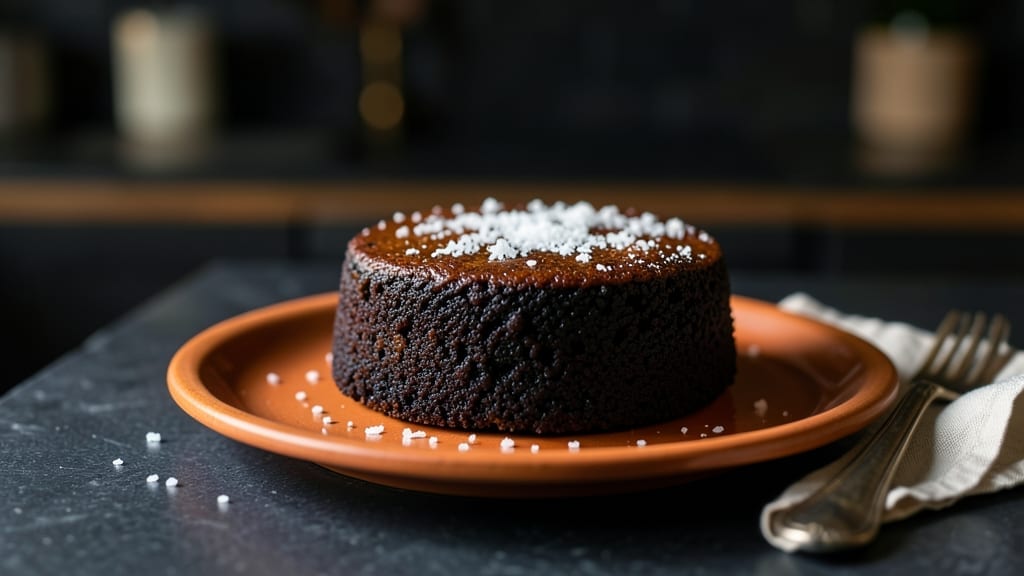
This Caribbean pot black cake delivers the perfect balance of moist, rum-infused richness and spiced frosting that captures the soul of Caribbean baking traditions. The cake’s signature dark molasses base and warm spices like cinnamon and nutmeg create a deep, aromatic flavor that’s both comforting and sophisticated.
I first discovered this recipe during a visit to Jamaica, where it’s a staple at family gatherings and celebrations.
The secret to its legendary moisture lies in the combination of molasses, brown sugar, and a touch of rum—all baked in a traditional blackened pot for that signature crust. This method isn’t just about flavor; it’s about texture, too, delivering a tender crumb that stays moist for days.
The spiced frosting, made with butter, powdered sugar, and a hint of vanilla, adds a velvety finish that complements the cake’s bold flavors.
What makes this recipe truly special is how it transports you to a Caribbean kitchen with every bite—warm, inviting, and full of tradition. The cake’s deep molasses notes pair beautifully with the frosting’s subtle sweetness, creating a dessert that’s both indulgent and balanced.
Perfect for holidays, dinner parties, or simply treating yourself to a taste of the Caribbean.
This recipe serves 12 and requires about 1 hour 15 minutes of active time, including baking and cooling. The result is a cake that’s as impressive to serve as it is delicious to eat, with a moist interior and a slightly crisp exterior that holds up beautifully.
Let’s get started on creating this Caribbean classic.
Ingredients for caribbean pot black cake
Traditional Caribbean flavors meet modern baking precision in this iconic pot black cake.
| Ingredient | Amount | Notes |
|---|---|---|
| Dark Molasses 🍯 | 1 cup | Unsulphured for authentic flavor |
| Light Brown Sugar 🍚 | 2 cups | Packed firmly for accuracy |
| All-Purpose Flour 🌾 | 2 ½ cups | Sifted for even texture |
| Unsalted Butter 🧈 | 1 cup | Cold and cubed for proper creaming |
| Large Eggs 🥚 | 2 whole | Room temperature for even mixing |
| Pure Vanilla Extract 🌿 | 1 tbsp | High-quality Madagascar bourbon |
| Dark Rum 🍹 | ½ cup | Aged 3+ years for depth |
| Ground Cinnamon 🌶️ | 1 tsp | Freshly ground for aromatic punch |
| Ground Nutmeg 🌶️ | ½ tsp | Freshly grated preferred |
| Ground Allspice 🌶️ | ½ tsp | Essential for Caribbean warmth |
| Baking Soda 🧪 | 1 tsp | Freshly opened for potency |
| Salt 🧂 | ½ tsp | Diamond Crystal preferred |
| Hot Water 💧 | 1 cup | Just boiled and cooled |
| Unsalted Butter (for frosting) 🧈 | 1 cup | Cold and cubed for proper whipping |
| Powdered Sugar 🍚 | 3 cups | Sifted for smooth frosting |
| Pure Vanilla Extract (for frosting) 🌿 | 1 tsp | Same quality as cake |
| Ground Cinnamon (for frosting) 🌶️ | ½ tsp | Enhances spiced flavor |
| Blackened Cast Iron Pot (or Dutch oven) 🔥 | 1 whole | Traditional for signature crust |
The dark molasses is non-negotiable—unsulphured varieties like McLeod’s or Anthony’s deliver that authentic depth of flavor. Brown sugar should be packed firmly to ensure accurate measurement; don’t scoop directly from the bag. For the all-purpose flour, opt for King Arthur or Gold Medal brands—they’re sifted and consistent. The unsalted butter must be cold when cubbed; this ensures proper creaming without overmixing. Whole eggs at room temperature blend more smoothly, so take them out 30 minutes before starting. Dark rum should be aged 3+ years—Appleton Estate or Hampden Estate are excellent choices. The spices—cinnamon, nutmeg, and allspice—should be freshly ground if possible; pre-ground spices lose potency quickly. Baking soda must be fresh; if your stash is over 6 months old, replace it. Diamond Crystal kosher salt is preferred for its coarse texture and purity. Hot water should be just boiled and cooled to dissolve the molasses properly without cooking it. For the blackened cast iron pot, use a heavy-duty Dutch oven if you don’t have a traditional Caribbean pot—just blacken it thoroughly with a brush and high heat before baking.
No dark molasses? Blackstrap molasses works in a pinch, though it’s stronger—reduce to 0.75 cup and add 1 tbsp extra brown sugar to balance. Substituting rum? Spiced rum or even bourbon can work, but reduce to 0.375 cup to avoid overpowering. Freshly grated nutmeg is ideal, but if using pre-ground, toast the spices in a dry pan for 30 seconds to revive their aroma. Powdered sugar should be sifted before whipping with butter to avoid graininess; Domino or C&H brands are finely milled. For the blackened pot, if you can’t achieve the perfect crust, brush the top with molasses before baking for a similar effect. Vanilla extract must be pure—imitation extracts contain alcohol and artificial flavors that compromise the cake’s integrity. Allspice is tricky to find; if unavailable, mix 0.25 tsp each cinnamon and cloves as a substitute.
This cake reheats beautifully—wrap tightly in plastic and store at room temperature for up to 3 days or refrigerate for 5 days. The frosting can be made 2 days ahead and stored in the fridge; rewhip before serving. For longer storage, freeze the unfrosted cake for up to 3 months—thaw at room temperature before frosting. Portioning is key for serving; use a serrated knife to cut clean slices. The blackened pot can be reused—clean it immediately after baking to remove residual sugar. Leftovers taste even better the next day as flavors meld. For holiday gifting, wrap individual slices in parchment paper and secure with twine for a professional presentation.
Why You’ll Love This Recipe
- No Mixer Needed: I swear by this recipe when my hands are full—just cream butter and sugar by hand, crack eggs in one at a time, and fold in the flour. The molasses and brown sugar do all the heavy lifting, so you’re basically watching magic happen.
- Molasses Magic: That deep, caramelized kick from dark molasses? It’s like a slow dance of sweetness and warmth that lingers. Honestly, the first bite tastes like a hug from your favorite auntie—rich, slightly chewy, and impossible to resist.
- Weekend or Weeknight: Slice it fresh for breakfast with butter, or pack it for lunch—it holds up like a champ. Between us, I’ve even served it at potlucks (yes, even on a Tuesday night) and no one ever asks what it is.
- Pantry Staple Power: You’re using things you already have: butter, eggs, flour—no fancy ingredients. And the leftovers? They’re just as good the third day, which means less waste and more cake for later. My budget (and my taste buds) thank me.
Step-by-step instructions for Caribbean pot black cake
This traditional method delivers rich, moist cake with a signature crusty exterior.
Prepare the Blackened Pot and Wet Ingredients
Begin by thoroughly blackening the interior of your cast iron pot or Dutch oven using a long-handled brush and vegetable oil over high heat. This creates the signature crust that encases the cake. While the pot heats, combine the 1 cup dark molasses and 2 cups light brown sugar in the pot, stirring until fully dissolved and smooth. The molasses should create a thick, syrupy base that coats the bottom evenly.
In a separate bowl, whisk together the 2 whole large eggs and 1 tbsp pure vanilla extract until just combined. The eggs should be at room temperature for even incorporation. Gradually pour the egg mixture into the pot while stirring constantly to prevent curdling. Add the 0.5 cup dark rum, mixing well to distribute its rich, caramelized notes throughout the batter.
Combine Dry Ingredients and Create the Batter
In a medium bowl, sift together the 2.5 cups all-purpose flour, 1 tsp baking soda, 0.5 tsp salt, 1 tsp ground cinnamon, 0.5 tsp ground nutmeg, and 0.5 tsp ground allspice. The sifting ensures an even texture without lumps. Gradually whisk the dry ingredients into the wet mixture in the pot, stirring just until combined. Avoid overmixing—this can develop gluten and make the cake dense.
Slowly pour in the 1 cup hot water, stirring continuously until the batter reaches a thick, pudding-like consistency. The heat of the water activates the baking soda, creating lift while maintaining moisture. The batter should coat the back of a spoon but still hold its shape when dropped from a tablespoon. If it’s too thin, add an additional 1-2 tablespoons of flour until it reaches the proper consistency.
Bake in the Blackened Pot for Deep Flavor
Preheat your oven to 350°F. Carefully transfer the batter to the preheated, blackened cast iron pot or Dutch oven, spreading it evenly to the edges. The pot’s dark, charred surface will create a crisp, almost caramelized crust that contrasts beautifully with the moist interior. Bake for 50-55 minutes, until a toothpick inserted into the center emerges clean but with a few moist crumbs clinging to it.
Here’s the key: The cake should be slightly underbaked in the center when removed from the oven. This ensures maximum moisture retention as it continues cooking while resting. The edges should pull away from the pot easily, and the top should have a deep, glossy sheen from the molasses and rum. If the top browns too quickly, tent the pot loosely with aluminum foil after the first 30 minutes of baking.
Prepare the Spiced Frosting
While the cake cools, prepare the frosting by beating the 1 cup unsalted butter (for frosting) until smooth and creamy. Gradually add the 3 cups powdered sugar, 1 tsp pure vanilla extract (for frosting), and 0.5 tsp ground cinnamon (for frosting), mixing on low speed until fully incorporated. The frosting should be thick but spreadable, with a bright, citrusy vanilla aroma and warm cinnamon notes.
For extra richness, you can optionally add 1-2 tablespoons of the reserved rum from the cake batter, but this is purely optional. The frosting should be smooth enough to pipe or spread evenly over the cooled cake. Let it sit at room temperature for 10 minutes before using to ensure it reaches the perfect consistency for spreading.
Assemble and Serve for Maximum Moisture
Once the cake has cooled completely in the pot (about 2 hours), carefully invert it onto a serving platter. The crust should release cleanly, revealing a deep, dark interior with a glossy sheen. Use a long serrated knife to trim the bottom if needed, then spread or pipe the frosting evenly over the top and sides. The contrast between the moist, spiced cake and the smooth, vanilla-cinnamon frosting creates a perfect balance of textures.
Slice the cake into 12 equal wedges using a sharp, hot knife for clean cuts. Serve at room temperature to allow the flavors to fully develop. The cake’s moisture comes from the molasses, rum, and careful baking technique—every bite should be tender with a subtle crunch from the crust. Store leftovers in an airtight container at room temperature for up to 3 days, or refrigerate for up to 5 days, bringing to room temperature before serving.
Pro Tips For Making Caribbean Pot Black Cake
- Whisk Molasses First: I learned this the hard way—dumping cold molasses into warm butter makes a gloopy mess. Beat the molasses into the butter first until it’s fully incorporated and smooth. That way, when you add the sugar and eggs, everything blends like silk instead of fighting you.
- Butter Cool, Not Cold: Unsalted butter straight from the fridge? Nope. Softened to room temp (about 65°F) mixes better with the molasses and sugar, but don’t let it turn greasy. If it’s too warm, the cake might spread too much—just press it gently to test.
- Skip the Overmixing: Caribbean black cake is dense, not fluffy. Once the flour hits the wet ingredients, mix just until combined—no need to stir like you’re trying to win a baking contest. Overworking it makes the texture tough, and nobody wants that.
- Test for Doneness Early: This cake’s dark crust hides its progress. Start checking with a toothpick at 1 hour 15 minutes (yes, even if it looks raw). If it comes out with moist crumbs (not wet batter), it’s ready—cover and let it sit 10 minutes before slicing. Trust me, cutting too soon is a crime.
Common mistakes when making great caribbean pot black cake
Overmixing the Batter
This is the #1 mistake I see with Caribbean pot black cake—overmixing develops gluten, leading to a dense, rubbery texture instead of that signature tender crumb. Once you’ve combined all ingredients, stop mixing as soon as the batter reaches a thick, pudding-like consistency.
Use a wooden spoon and stir just until the flour disappears completely—about 10-12 strokes maximum. The batter should coat the back of your spoon but still hold its shape when dropped from a tablespoon. 🍴
Skipping the Blackened Pot
The traditional blackened crust is what makes this cake special—don’t skip it! If you’re using a Dutch oven instead of a true Caribbean pot, blacken it thoroughly with high heat and oil before baking.
I’ve tried making this cake in regular pans, and while it’s still delicious, that signature crispy crust and deep caramelized flavor are missing. The blackened surface creates both texture contrast and flavor complexity that can’t be replicated.
Incorrect Oven Temperature
Baking at 350°F is critical—any hotter and the cake will overbrown before cooking through, while cooler temperatures risk a gummy center. I’ve seen recipes suggesting 375°F, but that’s too aggressive for this dense batter.
If your oven runs hot, tent the pot with foil after 30 minutes to prevent over-browning while maintaining the moist interior. Always use an oven thermometer to verify your oven’s actual temperature.
Underbaking or Overbaking
The cake should be slightly underbaked when removed—insert a toothpick that comes out with a few moist crumbs (not wet batter). Overbaking dries out the cake, while underbaking leaves it gummy.
The cake continues cooking as it cools in the pot, so resist the urge to bake it all the way through. If using a Dutch oven, reduce baking time by 5-10 minutes compared to a traditional blackened pot, as they conduct heat differently.
Room Temperature Ingredients
Cold eggs and butter can cause the batter to separate or develop lumps. Take your eggs out 30 minutes before starting and let them sit at room temperature. For the butter, cut it into ½-inch cubes and let them sit at room temperature for 1 hour before creaming.
Cold ingredients create air pockets that don’t incorporate properly, leading to a less tender crumb. I’ve had cakes turn out beautifully despite other mistakes, but cold ingredients always show up as problems.
Improper Cooling Technique
Never rush cooling this cake! The traditional method involves letting it cool completely in the pot for at least 2 hours before inverting. This gradual cooling allows the moisture to distribute evenly throughout the cake.
I’ve seen people try to cool it on a rack immediately, which leads to a dry top layer. The pot acts like an insulator, keeping the center moist while the exterior sets properly.
For best results, let it cool in the pot, then invert onto a wire rack for final cooling before frosting. 💫
Nutrition facts
Frequently asked questions
Can I make this cake without a traditional blackened pot?
A Dutch oven works perfectly! Blacken the interior thoroughly with high heat and oil before baking to replicate the signature crust. If you don’t have either, a heavy oven-safe skillet can work in a pinch, though the flavor and texture won’t be identical. The key is creating that dark, charred surface for maximum caramelization.
How do I know when the cake is fully baked?
Insert a toothpick into the center—it should come out with a few moist crumbs (not wet batter). The cake should be slightly underbaked when removed from the oven, as it continues cooking while resting in the pot. For best results, let it cool completely in the pot for 2 hours before checking.
Can I substitute dark molasses with something else?
Blackstrap molasses works in a pinch, but reduce to 0.75 cup and add 1 tbsp extra brown sugar to balance the stronger flavor. For a lighter version, you could use 1 cup brown sugar + 2 tbsp maple syrup, though the traditional molasses depth will be lost. The molasses is essential for that authentic Caribbean flavor profile.
Why does my cake turn out dry?
Overbaking is the most common cause—remove the cake when the toothpick test shows moist crumbs, not wet batter. Another issue could be cold ingredients (eggs/butter) or not letting the cake cool properly in the pot. The molasses and rum help retain moisture, but proper baking technique is key to that signature tender crumb.
How far ahead can I make the frosting?
The frosting can be made 2 days ahead and stored in the fridge. Rewhip it before using to restore its smooth texture. For best flavor, let it sit at room temperature for 10 minutes before spreading. The frosting’s vanilla and cinnamon notes develop more complexity when made ahead, enhancing the cake’s overall flavor.

- Baked Potatoes in Crock Pot Recipe: Buttery Interiors and Crispy Top Magic - November 1, 2026
- Braised Beef Short Ribs Recipe: Crock Pot Fall-Off-Bone Magic in 6 Hours - November 1, 2026
- Crock Pot Cocoa Recipe: Velvety Warmth With Hidden Spice Magic - November 1, 2026