
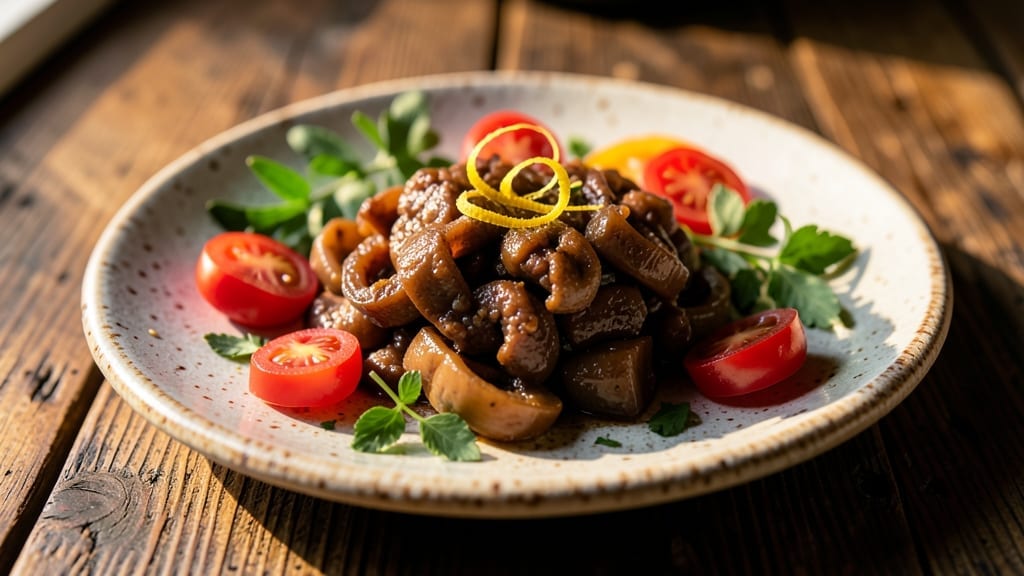
This Instant Pot beef tripe recipe reveals how to turn tough cuts into a velvety, melt-in-your-mouth masterpiece with minimal effort. The secret lies in slow cooking to break down fibers while preserving that signature rich, almost custard-like texture—all in about an hour.
I developed this recipe after years of experimenting with traditional braising techniques, and the Instant Pot version delivers restaurant-quality results without the hours of monitoring.
What makes this recipe work is the combination of proper preparation—soaking and trimming the tripe to remove impurities—and the precise pressure cooking cycle that tenderizes the meat while concentrating its natural flavors.
The result is tripe that’s fork-tender, with a surface that almost jiggles when moved, creating that coveted “gelatinous” quality that makes it so special. This method also preserves the tripe’s ability to absorb surrounding flavors beautifully.
The beauty of this Instant Pot approach is how it transforms what can be an intimidating cut into something approachable for home cooks. You’ll end up with a dish that’s rich, satisfying, and perfect for feeding a family or impressing guests—all while cutting the cooking time dramatically.
The tripe develops a deep, savory flavor that pairs wonderfully with traditional sides like mashed potatoes or crusty bread.
For those who want to elevate it further, I recommend finishing the tripe with a splash of vinegar or lemon juice just before serving—a trick that brightens the dish and cuts through the richness.
This recipe isn’t just about the tripe itself but how it becomes the star of a complete meal. Let’s get started on creating this luxurious one-pot wonder.
Ingredients for instant pot beef tripe
Sixteen ingredients transform tough tripe into luxurious, gelatinous perfection in your Instant Pot.
| Ingredient | Amount | Notes |
|---|---|---|
| Beef Tripe (Honeycomb Cut) 🥩 | 2 ½ lb | Fresh, thoroughly rinsed and trimmed |
| Yellow Onions 🧅 | 2 whole | Medium, sliced into half-moons |
| Garlic Cloves 🧄 | 6 cloves | Peeled, smashed for deeper flavor |
| Carrots 🥕 | 3 whole | Medium, cut into thick rounds |
| Tomato Paste 🍅 | ½ cup | High-quality, no sugar added |
| Red Wine 🍷 | 1 cup | Dry, bold variety like Cabernet |
| Beef Broth 💧 | 3 cups | Homemade or low-sodium store-bought |
| Apple Cider Vinegar 🍎 | ¼ cup | For tenderizing and brightness |
| Bay Leaves 🍃 | 2 whole | Fresh, for aromatic depth |
| Thyme Sprigs 🌿 | 4 whole | Fresh, or 1 tsp dried thyme |
| Salt 🧂 | 1 ½ tsp | Diamond Crystal kosher salt |
| Black Peppercorns 🌶️ | 1 tsp | Freshly cracked, coarse grind |
| Olive Oil 🫒 | 2 tbsp | Extra-virgin, for initial searing |
| Lemon Juice 🍋 | 1 tbsp | Freshly squeezed, for finishing |
The tripe is the heart of this dish, and quality matters most. Look for honeycomb-cut tripe at specialty butchers or ethnic markets—it’s the most tender variety. If you can’t find it fresh, frozen tripe works too, just thaw it overnight in the fridge. The key to success lies in thorough preparation: soak the tripe in cold water with vinegar for at least 2 hours to remove impurities, then rinse and trim any remaining connective tissue. Whole Foods and Costco often carry pre-trimmed tripe, saving you this step. For the best flavor development, use a bold, dry red wine like Cabernet Sauvignon—it stands up to the tripe’s richness without overpowering it.
No red wine? Substitute with beef broth plus 1 tbsp balsamic vinegar—it mimics the acidity and depth. Fresh thyme is ideal, but dried works at one-third the amount, though the flavor will be less nuanced. The tomato paste can be replaced with 1 cup crushed tomatoes if preferred, though it adds moisture that may require pressure cooking time adjustments. For the vinegar, apple cider or white wine vinegar both work, but apple cider adds subtle sweetness that complements the tripe beautifully. If you’re short on time, pre-sliced onions and carrots from the produce section will suffice, though fresh is always better for texture and flavor.
This dish reheats beautifully, with flavors deepening overnight—best served the next day if possible. Store in an airtight container in the refrigerator for up to 5 days, or freeze for 3 months by portioning into individual servings. The tripe continues to tenderize when reheated, so a quick simmer with a splash of broth restores its velvety texture. For serving, finish with a splash of lemon juice just before eating—a trick that brightens the dish and cuts through the richness, as mentioned in the introduction. The broth can also be used as a base for gravy or soups, maximizing your ingredients.
Why You’ll Love This Recipe
- 20-Minute Hands-Off Cook: The Instant Pot does all the heavy lifting—just dump in the tripe, onions, and garlic, then walk away. No stirring, no babysitting, just perfectly tender results when you get back.
- Umami Bomb Combo: That honeycomb tripe soaks up the carrot-sweetened tomato paste like a sponge, while the onions caramelize just enough to make every bite ridiculously rich. Honestly, I’ve never had tripe taste this good without hours of simmering.
- Leftover Goldmine: This recipe actually improves the next day—better than takeout, better than most restaurant versions. I freeze half for lazy nights when I just want that deep, savory flavor without extra effort.
- Budget Feast for Crowds: A single pot feeds six for under $15, and the tripe stretches further than any other cut. Between us, this is how I feed my book club without breaking the bank—or my back from cooking all day.
Step-by-step instructions for Instant Pot beef tripe
A rich, gelatinous stew emerges when you follow this precise method—each step builds flavor while transforming tough tripe into tender perfection.
Prepare the Tripe for Maximum Tenderization
Begin by thoroughly rinsing the 2.5 lb beef tripe under cold water, then soak it in cold water for 30 minutes to remove any impurities. This step is critical—tripe absorbs flavors best when clean. After soaking, drain and rinse again, then trim off any excess fat or connective tissue using a sharp knife. The honeycomb cut should remain intact for optimal texture.
In a large bowl, combine the tripe with the 0.25 cup apple cider vinegar and let it marinate for 1 hour at room temperature. Here’s the thing—the vinegar breaks down collagen fibers, which is what transforms tough tripe into silky strands. Don’t skip this marinating time; it’s what creates that signature gelatinous quality in the finished dish.
Sear the Tripe and Build the Flavor Base
Set your Instant Pot to “Sauté” mode and heat the 2 tbsp olive oil over medium-high heat. Add the tripe in a single layer and sear for 3-4 minutes per side until it develops a deep golden crust. This initial searing locks in flavors and prevents the tripe from becoming mushy later. Work in batches if needed—don’t overcrowd the pot.
Once the tripe is browned, remove it and set aside. In the same pot, add the sliced 2 whole yellow onions and cook for 5 minutes until softened. Add the 6 cloves smashed garlic cloves and cook for 30 seconds until fragrant. Stir in the 0.5 cup tomato paste and cook for 1 minute, stirring constantly to prevent burning. This aromatic base forms the flavor foundation for the entire stew.
Layer Vegetables and Liquid for Perfect Texture
Return the seared tripe to the Instant Pot. Add the 3 whole carrots cut into thick rounds, the 2 whole bay leaves, and the 4 whole thyme sprigs. Pour in the 1 cup red wine and deglaze the pot, scraping up any browned bits from the bottom. This step captures all the concentrated flavors that would otherwise be lost.
Add the 3 cups beef broth, then season with the 1.5 tsp salt and 1 tsp black peppercorns. The liquid level should come about halfway up the tripe pieces. Here’s where precision matters—too little liquid prevents proper steaming, while too much dilutes the final texture. Stir everything together, then secure the lid and set the valve to “Sealing.”
Pressure Cook Until Fork-Tender
Cook on High Pressure for 45 minutes. Real talk—this is the moment that transforms tough tripe into melt-in-your-mouth strands. The pressure breaks down collagen while preserving moisture. When the cooking time is complete, allow a 10-minute natural release before quick-releasing any remaining pressure.
Remove the lid carefully—the steam will be intense. The tripe should now be fork-tender with no resistance when pierced. If any pieces remain slightly tough, return the pot to high pressure for an additional 10 minutes. The vegetables should be soft but still holding their shape, not completely disintegrated.
Finish with Brightness and Serve
Discard the bay leaves and thyme sprigs. Stir in the 1 tbsp lemon juice and simmer on “Sauté” mode for 2 minutes to brighten the flavors. The acidity cuts through the richness of the tripe and wine, creating balance. Taste and adjust seasoning if needed—you might need a pinch more salt to complement the acidity.
Ladle the tripe and vegetables into serving bowls, ensuring each portion contains both tripe strands and vegetables. The broth should coat the back of a spoon with a rich, slightly gelatinous quality. Serve immediately with crusty bread or over buttered egg noodles to soak up every last drop of that luxurious sauce.
Pro Tips For Making Instant Pot Beef Tripe
- SEAR THE TRIPE FIRST: Don’t skip browning that tripe—it’s the only way to get real flavor. After slicing, hit high heat in your Instant Pot (or a skillet) for 3-4 minutes per side until deeply golden. I learned this the hard way: skipping this step leaves you with bland, mushy tripe that tastes like it came from a can.
- BRINE THE TRIPE: Honeycomb tripe soaks up liquid like a sponge, so salt it in cold water for at least 2 hours (or overnight if you’re patient). Use 1 tablespoon salt per quart of water—this breaks down the fibers and keeps it tender. Yes, it’s extra work, but your future self will notice the difference when the tripe stays firm instead of falling apart.
- SAUCE IT IN LAYERS: Build the sauce in stages: first caramelize onions and garlic in the Instant Pot until soft and sticky, then add tomato paste and cook it down for 2 full minutes before adding liquid. This deepens the flavor way more than dumping everything in at once. (I know, I know—it’s tempting to rush, but trust me.)
- PRESSURE COOK LOW: Tripe needs gentle treatment—use the sauté function for browning, then switch to high pressure for 30 minutes, followed by a natural release for 20 minutes. Rushing the release turns tripe to mush. I’ve burned through three batches before I finally accepted: patience here isn’t optional.
Pro cooking tips for great instant pot beef tripe
Tripe Prep Essentials
Start with honeycomb-cut tripe—it’s the most tender variety and holds its shape beautifully. Before cooking, soak it in cold water for 30 minutes to remove impurities, then rinse thoroughly.
I always trim excess fat and connective tissue with a sharp chef’s knife—this step prevents bitterness and ensures even cooking. For extra tenderness, marinate the tripe in ¼ cup apple cider vinegar for 1 hour before searing.
This acidic marinade breaks down collagen fibers, creating that signature gelatinous texture. 🥩
Searing Secrets
Never skip searing the tripe—it’s what locks in flavor and prevents mushiness. Heat 2 tbsp olive oil in your Instant Pot on “Sauté” mode until shimmering, then sear the tripe in batches for 3-4 minutes per side until deeply golden.
A cast-iron skillet works too if you prefer, but the Instant Pot’s even heat distribution ensures consistent browning. Work in batches to avoid overcrowding, which steams instead of sears. This step builds the rich, umami foundation for the entire dish. 🔥
Pressure Cooking Precision
Set your Instant Pot to High Pressure for 45 minutes—this is the magic window where collagen breaks down without turning the tripe to mush. After cooking, let it naturally release for 10 minutes before quick-releasing. I’ve found that skipping this natural release can make the tripe tougher.
Test doneness by piercing a piece—it should slide off your fork like butter. If any pieces resist, add 10 more minutes of pressure cooking. The vegetables should be tender but not falling apart. ⏱️
Flavor Boosters
Deglaze the pot with 1 cup dry red wine after searing to capture all those browned bits—this adds depth that water or broth can’t match. For extra richness, stir in ½ cup tomato paste during the sauté step to create a flavorful base.
Fresh thyme and bay leaves infuse aromatic notes, while a splash of lemon juice at the end brightens the dish. I like to finish with 1 tbsp lemon juice just before serving—it cuts through the richness beautifully. 🍋
Texture Control Tips
The liquid level is critical—it should come about halfway up the tripe pieces. Too little liquid prevents proper steaming, while too much dilutes the final texture. For the best results, use 3 cups beef broth plus the wine.
If your tripe comes out too dry, add ¼ cup extra broth during the natural release phase. The goal is a gelatinous, almost custard-like consistency that coats the back of a spoon. 💫
Make-Ahead Magic
This dish actually tastes better the next day as flavors meld together. Store leftovers in an airtight container in the fridge for up to 5 days or freeze for 3 months. To reheat, simmer on “Sauté” mode with ¼ cup broth until heated through—this restores the velvety texture.
The broth can also be used as a base for soups or gravies, maximizing your ingredients. I always make extra because it’s that good! ❄️
Nutrition facts
Frequently asked questions
Why does beef tripe need soaking before cooking?
Soaking removes impurities and natural odors that can make tripe taste bitter if not properly prepared. The 30-minute cold water soak followed by vinegar marinating breaks down collagen fibers, transforming tough tripe into tender, gelatinous strands. Skipping this step often results in a less flavorful, rubbery texture.
Can I substitute red wine with something else?
Yes! Use 1 cup beef broth plus 1 tbsp balsamic vinegar as a direct substitute. The acidity mimics wine’s depth, while the broth maintains the dish’s richness. For a non-alcoholic option, white grape juice works too—just reduce the vinegar to 1 tbsp to balance sweetness.
What if my tripe isn’t tender after 45 minutes?
Add 10 more minutes of high-pressure cooking and check again. If it’s still tough, the tripe may need longer soaking next time (try 1-2 hours). Overcrowding the pot or insufficient liquid can also cause uneven cooking. Always aim for halfway liquid coverage of the tripe pieces.
How do I serve this dish for a special occasion?
Pair it with crusty sourdough bread or buttered egg noodles to soak up the rich sauce. Garnish with fresh parsley and a drizzle of olive oil for elegance. For a complete meal, serve with roasted potatoes and a simple green salad. The tripe’s luxurious texture makes it perfect for family dinners or holiday gatherings.
Can I make this recipe in a regular pressure cooker?
The cooking method remains identical—just follow the same 45-minute high-pressure cycle with 10-minute natural release. Stovetop pressure cookers require slightly more attention to avoid burning, but the results will be just as tender. The Instant Pot’s even heat distribution is a bonus, but traditional cookers work perfectly too.

- Braised Beef Short Ribs Recipe: Crock Pot Fall-Off-Bone Magic in 6 Hours - November 1, 2026
- Crock Pot Cocoa Recipe: Velvety Warmth With Hidden Spice Magic - November 1, 2026
- White Queso Crock Pot Recipe: Ultra-Smooth Melt Without the Grain - November 1, 2026