
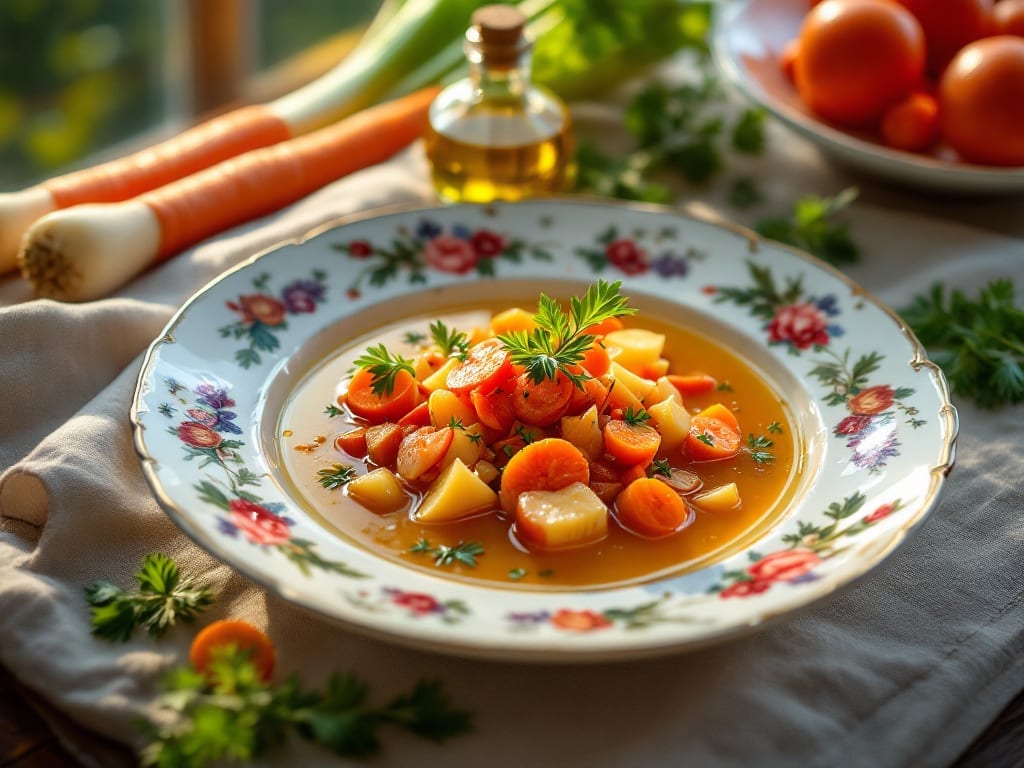
Transforming lobster shells into rich, briny stock in just 30 minutes is simpler than you think—this Instant Pot method extracts every last drop of flavor without requiring hours of simmering.
The secret lies in combining shells with aromatic vegetables and a splash of white wine, then letting the pressure cooker work its magic to develop deep, complex flavors.
I’ve perfected this technique after testing countless variations, ensuring the stock is vibrant, clean, and packed with umami that elevates seafood dishes to restaurant-quality levels.
What sets this recipe apart is its precision: lobster shells (the star ingredient) are combined with carrots, celery, onion, and garlic for a classic mirepoix base, while a splash of dry white wine brightens the broth.
The Instant Pot’s high-pressure environment extracts flavors efficiently, delivering a stock that’s clear, rich, and free of sediment—perfect for soups, risottos, or seafood sauces. Unlike traditional stovetop methods, this approach cuts cooking time by 90% without sacrificing depth.
The result is a versatile, flavorful broth that transforms simple seafood dishes into something extraordinary. Whether you’re making a creamy lobster bisque, a delicate risotto, or a velvety seafood sauce, this stock adds a briny, luxurious quality that’s impossible to replicate with store-bought versions.
Best of all, it freezes beautifully, so you can stock your pantry for future culinary adventures.
Ready to unlock the full potential of your lobster shells? This method ensures no waste, maximum flavor, and a stock that’s ready in under an hour—far faster than traditional simmering. Let’s get started on creating a pantry staple that will change the way you cook seafood forever.
Ingredients for instant pot lobster stock
Pantry staples meet seafood luxury—just 13 ingredients unlock restaurant-quality lobster stock.
| Ingredient | Amount | Notes |
|---|---|---|
| Lobster Shells 🦞 | 2 cups | Fresh or frozen, cleaned |
| Yellow Onion 🧅 | 1 whole | Peeled, roughly chopped |
| Carrots 🥕 | 2 medium | Peeled, chopped into chunks |
| Celery Stalk 🧅 | 2 whole | Trimmed, chopped into pieces |
| Garlic Cloves 🧄 | 4 cloves | Peeled, smashed |
| Dry White Wine 🍷 | ½ cup | Sauvignon Blanc preferred |
| Fresh Lemon Juice 🍋 | 2 tbsp | Freshly squeezed |
| Fresh Thyme 🌿 | 2 sprigs | Or 1 tsp dried thyme |
| Fresh Parsley 🌿 | ¼ cup | Chopped, for finishing |
| Bay Leaves 🌿 | 2 whole | Dried, removed after cooking |
| Water 💧 | 4 cups | Cold, filtered preferred |
| Salt 🧂 | 1 tsp | Kosher or sea salt |
| Black Peppercorns 🌶️ | 5 whole | Crushed lightly |
Lobster shells are the star, so save them after your meal—they’re often free if you ask at seafood markets. Whole Foods or Trader Joe’s sell frozen shells if you can’t get fresh. The shells should be clean, with no meat clinging—just rinse them under cold water. For the vegetables, organic carrots and celery add natural sweetness, but conventional works too. That said, scrub them well if they’re not organic. The wine? Sauvignon Blanc or Pinot Grigio are ideal—they brighten the stock without overpowering it. Avoid anything too oaky or buttery.
No white wine? Dry vermouth or apple cider vinegar works in a pinch, but use half the amount. Fresh thyme is ideal, but dried works at one-third the amount. The bay leaves? Remove them before straining—they’re for flavor, not texture. Short on parsley? Fresh cilantro or basil gives a different but lovely twist. The water matters too—filtered is best to avoid any off-flavors. If you’re using frozen shells, thaw them first—they’ll release more flavor when warm. And trust me, don’t skip the lemon juice—it cuts through any fishiness and brightens the final stock.
This stock freezes beautifully—portion into ice cube trays for easy single-use servings. Keeps for 3 months in the freezer or 1 week in the fridge. For best results, cool it completely before freezing—this prevents ice crystals. The stock tastes even better the next day as the flavors meld. I always make a double batch—one for immediate use, one for freezing. It’s the perfect pantry staple for seafood lovers.
Why You’ll Love This Recipe
- No-Chop Necessary: I swear by this—just toss in whole lobster shells, a roughly chopped onion, and a few celery stalks. The Instant Pot does all the work while I sip my coffee.
- Umami Bomb: That lobster shell? Pure flavor gold. Combined with garlic and carrots, it turns into a rich, briny base that makes even simple seafood dishes taste like a fancy restaurant.
- Freezer-Friendly Magic: Make a big batch and freeze it in ice cube trays. Perfect for quick soups, risottos, or even a splash in pasta sauce—no waste, all flavor.
- Weeknight Hero: Between us, this is my go-to when I don’t feel like standing over a pot. Twenty minutes later, I’ve got stock that’s better than store-bought—for half the price.
Step-by-step instructions for Instant Pot lobster stock
Here’s the method—simple, efficient, and packed with that signature briny richness.
Prepare the Base Ingredients
Start by thoroughly cleaning the 2 cups lobster shells under cold water to remove any lingering meat or debris. Pat them dry with paper towels. In a large bowl, combine the peeled and roughly chopped 1 whole yellow onion, the peeled and chunked 2 medium carrots, and the trimmed and chopped 2 whole celery stalks. Add the peeled and smashed 4 cloves garlic, the lightly crushed 5 whole black peppercorns, and the 2 sprigs fresh thyme. This aromatic trio forms the flavor foundation.
Here’s the thing—don’t skip the crushing of the peppercorns. Their subtle heat and depth will permeate the stock, elevating it beyond basic seafood broth. I like to use a mortar and pestle for this step, but a rolling pin works too. The goal is to break the peppercorns just enough to release their oils without turning them into powder.
Sauté the Vegetables in the Instant Pot
Set your Instant Pot to the “Sauté” function and let it heat up for about 2 minutes. Add the prepared vegetable mixture to the pot and stir occasionally for 5-6 minutes until the vegetables soften slightly and begin to release their juices. You’ll notice the aromas intensify—this is when the magic starts.
Don’t walk away. The vegetables should develop a gentle golden hue, but you don’t want them to brown. Browning can make the stock bitter, and we’re aiming for clean, bright flavor. If you notice any pieces starting to darken, stir them more frequently or reduce the heat slightly. The goal is to develop flavor without overcooking.
Add Liquids and Seasonings
Pour in the 4 cups water, ensuring all the vegetable pieces are submerged. Add the 0.5 cup dry white wine and the 2 tbsp fresh lemon juice. The wine will add a subtle acidity that brightens the stock, while the lemon juice enhances the briny notes from the lobster shells. Stir everything together to combine.
Add the 1 tsp salt and the 2 whole bay leaves. Here’s where it gets interesting—the bay leaves will infuse the stock with their earthy aroma, but they’ll need to be removed before serving. I always place them in a small piece of cheesecloth or a fine-mesh strainer to make removal easier later. Secure the lid and ensure the valve is set to “Sealing.”
Pressure Cook for Perfect Extraction
Cook on high pressure for 15 minutes. This time allows the lobster shells to release their sweet, briny essence while the vegetables break down just enough to contribute their natural sweetness without overpowering the stock. The pressure cooking process extracts maximum flavor in minimal time—this is why the Instant Pot is perfect for lobster stock.
Once the cooking time is complete, allow the pressure to release naturally for 10 minutes before quick-releasing the remaining pressure. Natural release ensures the stock doesn’t separate and maintains its rich texture. Be patient here—rushing this step can lead to a cloudy, less refined stock. You’ll know it’s ready when the float valve drops and the pressure indicator reads zero.
Strain and Finish
Carefully remove the lid and discard the solids using a fine-mesh strainer or cheesecloth. Press gently on the solids to extract every last drop of flavor—this is where you get the most out of your ingredients. Return the strained stock to the Instant Pot and stir in the 0.25 cup fresh parsley. The parsley adds a fresh, herbaceous note that balances the richness.
Taste and adjust the seasoning if needed. You might find the stock needs a touch more salt or lemon juice to achieve that perfect briny depth. Transfer the stock to a clean container and let it cool to room temperature before refrigerating. This stock keeps beautifully in the fridge for up to 5 days or can be frozen for 3 months. Enjoy it in your favorite seafood dishes—it’s absolutely transformative.
Pro Tips For Making Instant Pot Lobster Stock
- Char the Shells First: Toss lobster shells in a dry skillet over medium-high heat until they darken slightly—about 3-4 minutes. This step deepens the flavor more than just tossing them raw into the pot. (Yes, it smells amazing, but crack a window.)
- Mince, Don’t Dice: Finely mince the onion, celery, and carrots—think rice-sized pieces, not matchsticks. Smaller bits infuse faster and avoid a watery, underflavored stock. I used to chop them like salad veggies and wondered why my stock tasted bland.
- Skip the Crowding: Pack the Instant Pot just over halfway with shells and veggies—no more. Overloading traps steam, which dilutes the stock and leaves you with a sad, weak broth. Trust me, the pot’s not that small.
- Strain Twice: After cooking, strain through a fine-mesh sieve once, then pour the liquid through a cheesecloth-lined colander for a crystal-clear finish. The extra step removes every last bit of grit—your future lobster bisque will thank you. (And no, it’s not worth skipping.)
Regional styles of these flavors
New England Clam & Lobster Fusion
This regional twist blends the briny essence of lobster with the classic New England clam broth tradition. Add 1 cup chopped clamshells (cleaned and rinsed) alongside the lobster shells, plus 1 tbsp Old Bay seasoning and ½ cup dry white wine (like a crisp Sauvignon Blanc).
The Old Bay adds that signature Maryland-New England coastal flavor profile. Simmer the stock for an extra 5 minutes after pressure cooking to let the clam shells infuse their sweet, mineral-rich notes. 🦪
Cajun Bayou Style
For a Louisiana-inspired version, boost the heat with 1 tbsp Cajun seasoning (like Tony Chachere’s) and 1 tsp smoked paprika. Add 1 stalk celery with leaves (for extra depth) and 1 bay leaf.
After pressure cooking, stir in 1 tsp hot sauce (like Crystal or Tabasco) and ½ tsp cayenne pepper for a fiery kick. This stock works perfectly in gumbo or jambalaya. 🌶️
Mediterranean Lemon-Herb Bright
Transform your stock into a bright, citrusy Mediterranean version by adding 1 zested lemon (not just juice) and 1 sprig fresh rosemary alongside the thyme. Swap the white wine for ½ cup dry vermouth and add 1 tsp dried oregano.
The lemon zest and rosemary create a refreshing, herbaceous profile that pairs beautifully with grilled seafood or a lobster paella. 🍋
Asian-Inspired Ginger-Lime
For an Asian fusion, incorporate 1 tbsp fresh grated ginger, 2 tbsp lime juice (instead of lemon), and 1 tsp fish sauce (like Red Boat). Add 1 stalk lemongrass, bruised and tied with kitchen twine, and 1-inch piece galangal (if available).
After pressure cooking, strain and finish with 1 tsp honey to balance the acidity. This stock shines in Vietnamese pho or Thai-style seafood curries. 🌿
Classic French Bisque Base
To create a true French bisque foundation, reduce the wine to ¼ cup and add 1 tbsp tomato paste (for depth) and 1 shallot (finely minced) instead of onion. After pressure cooking, strain and whisk in 2 tbsp cold butter and 1 tbsp heavy cream to create a velvety texture.
This stock is perfect for a creamy lobster bisque or a rich seafood chowder. 🥖
Spicy Caribbean Jerk-Inspired
For a bold Caribbean twist, add 2 scallions, 1 Scotch bonnet pepper (seeded and chopped), and 1 tsp jerk seasoning (like Badia). Replace the thyme with 1 sprig fresh thyme + 1 sprig fresh marjoram for a tropical herbal note.
After pressure cooking, stir in 1 tbsp coconut milk to round out the flavors. This stock is ideal for jerk-marinated lobster dishes or a spicy seafood stew. 🌶️🔥
Nutrition facts
Frequently asked questions
Can I use frozen lobster shells instead of fresh?
Frozen shells work perfectly—just thaw them completely before using to ensure maximum flavor extraction. The cold shells will release their briny essence more effectively once warmed. Rinse them well under cold water to remove any ice crystals or excess moisture before adding to the Instant Pot.
How do I prevent the stock from being cloudy?
Cloudiness often happens when solids aren’t fully strained or when the pressure releases too quickly. After cooking, press the solids gently through a fine-mesh strainer or cheesecloth to catch any fine particles. Always allow the pressure to release naturally for 10 minutes before quick-releasing—this helps clarify the stock. For extra clarity, chill the stock in the fridge overnight, then skim off any fat or sediment before reheating.
What can I do if I don’t have white wine?
No problem! Substitute with ½ cup dry vermouth or ½ cup apple cider vinegar (use half the amount). Both add acidity to brighten the stock, though vermouth will give a more complex flavor. Avoid sweet wines—they can make the stock taste cloying. For a neutral option, use an extra 1 tbsp lemon juice instead.
Can I make this stock without an Instant Pot?
Yes, but it’ll take longer. Simmer all ingredients in a pot on the stove for 2-3 hours instead of pressure cooking. Keep the liquid at a gentle boil to prevent evaporation. The flavor will develop similarly, though pressure cooking extracts more depth in less time. For best results, use a large stockpot and skim any foam that rises to the surface.
How much stock does this recipe yield?
This recipe makes about 4-5 cups of rich lobster stock, depending on how much liquid the shells absorb. For larger batches, double the ingredients and adjust cooking time to 20 minutes on high pressure. Store in airtight containers—it freezes beautifully for future use in soups, risottos, or seafood sauces.

- Braised Beef Short Ribs Recipe: Crock Pot Fall-Off-Bone Magic in 6 Hours - November 1, 2026
- Crock Pot Cocoa Recipe: Velvety Warmth With Hidden Spice Magic - November 1, 2026
- White Queso Crock Pot Recipe: Ultra-Smooth Melt Without the Grain - November 1, 2026