
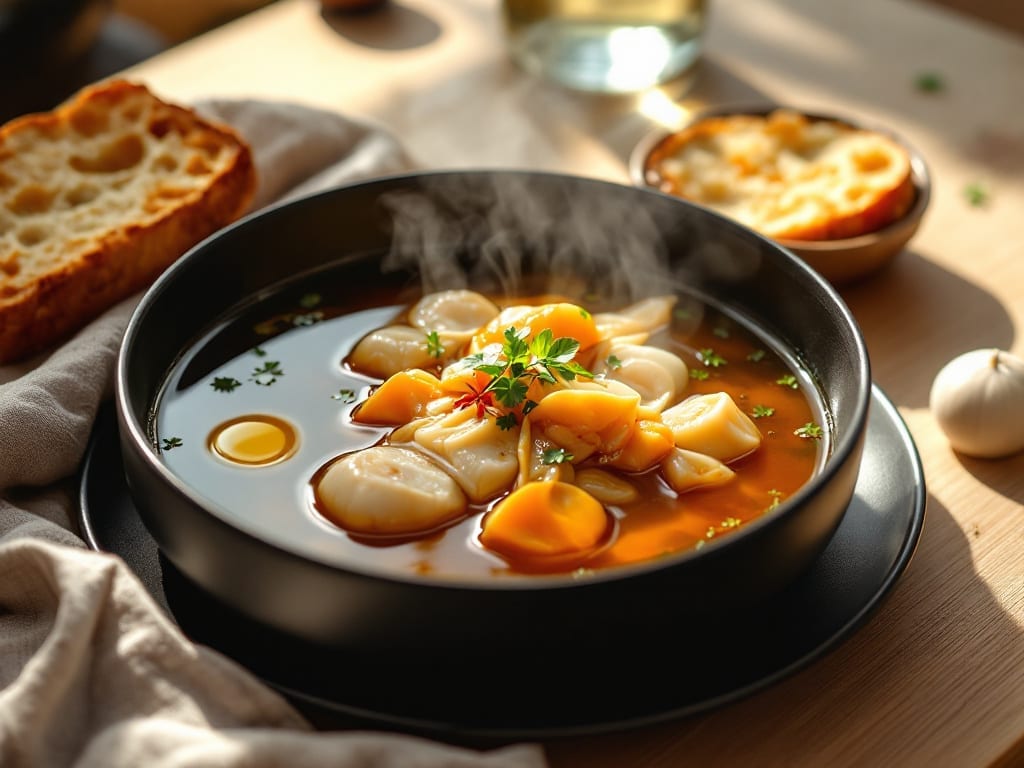
This vegan miso hot pot recipe delivers a deeply satisfying bowl of umami-rich broth that simmers to perfection—no meat, no dairy, just layers of complex flavor. The secret lies in balancing fermented miso with kombu and shiitake mushrooms, which build an aromatic broth that gets better as it simmers.
I developed this version after years of refining traditional techniques to create a dish that’s both authentic and approachable for home cooks.
The beauty of miso hot pot is its simplicity: a few core ingredients transform into a nourishing meal when combined with the right technique. You’ll start with a foolproof broth—simmering miso, kombu, and vegetables until their flavors meld into a velvety, savory base.
Then, it’s all about assembly: tender tofu, crisp vegetables, and mushrooms that absorb the broth’s depth while maintaining their texture. The result is a dish that’s as comforting as it is impressive.
What makes this recipe truly special is the balance of textures and flavors—crisp vegetables contrast with silky tofu, while the broth’s umami richness ties everything together. Each bite delivers a harmonious blend of earthy, savory, and slightly sweet notes, making it a meal worth savoring.
The best part? It’s ready in under an hour, with minimal prep, and scales effortlessly for a crowd.
Serve with a side of steamed rice to soak up every last drop of that flavorful broth, or pair it with pickled vegetables for a tangy contrast. This isn’t just a hot pot—it’s a perfectly balanced, umami-packed experience that proves plant-based cooking can be deeply satisfying. Let’s get simmering!
Ingredients for miso hot pot
Fifteen thoughtfully chosen ingredients create this deeply satisfying umami-rich miso hot pot experience.
| Ingredient | Amount | Notes |
|---|---|---|
| White Miso Paste 🍶 | ½ cup | High-quality fermented miso preferred |
| Dried Kombu 🍃 | 1 piece | About 4×6 inches, for broth |
| Shiitake Mushrooms 🍄 | 8 whole | Fresh or rehydrated dried |
| Silken Tofu 🧀 | 1 block | 14-16 oz package, cubed |
| Napa Cabbage 🥬 | 1 lb | Thinly sliced, core removed |
| Carrots 🥕 | 2 medium | Thinly sliced, baby carrots work |
| Daikon Radish 🥕 | 1 medium | Julienned or thinly sliced |
| Green Onions 🧅 | 4 whole | White and green parts separated |
| Garlic Cloves 🧄 | 4 cloves | Minced for depth of flavor |
| Ginger Root 🌿 | 1 inch | Thinly sliced, peeled |
| Sesame Oil 🫒 | 1 tbsp | Toasted for aroma |
| Rice Wine Vinegar 🍶 | 1 tbsp | For brightness |
| Diamond Crystal Kosher Salt 🧂 | 1 tsp | Adjust to taste |
| Steamed Jasmine Rice 🍚 | 2 cups | For serving |
| Toasted Sesame Seeds 🌾 | 1 tbsp | For garnish |
The quality of your miso and kombu determines the broth’s depth. Miso from Marukome or Hikari delivers authentic umami, while dried kombu from Japanese specialty stores provides that signature oceanic richness. For shiitake mushrooms, fresh from Asian markets offer superior texture, though high-quality dried rehydrates beautifully. The silken tofu should be firm but delicate—avoid the watery varieties. Napa cabbage and daikon radish should be crisp with vibrant color, indicating freshness. Garlic and ginger should be freshly minced—pre-minced loses potency quickly. For sesame oil, Kadoya or La Choy brands provide excellent toasted flavor without bitterness.
No white miso? Red miso at half the amount intensifies flavor but darkens the broth. Kombu unavailable? Dulse flakes at 1 tsp replicate some oceanic notes. Fresh shiitake too expensive? Creamy mushrooms or oyster mushrooms work in a pinch. The daikon radish can be swapped for regular radish or extra carrots. For extra umami depth, add 1 tsp soy sauce or 1 tbsp nutritional yeast. The sesame oil can be omitted if you prefer a lighter flavor profile, but the toasted aroma is worth including. For a spicier kick, add 1 tsp gochujang or red pepper flakes at the end.
Store fresh ingredients properly: miso paste keeps 6-12 months unopened in a cool pantry, kombu lasts 1 year unopened. Refrigerate opened miso and kombu for 3 months. Tofu and mushrooms should be used within 5 days of purchase. The broth base can be made ahead and reheated—it actually improves overnight as flavors meld. For a quick assembly, prep all vegetables and store in airtight containers for up to 3 days. The sesame seeds and rice should be stored in airtight containers to maintain freshness. This dish reheats beautifully—simmer gently to preserve texture.
Why You’ll Love This Recipe
- No-Fuss Pantry Pot: I swear by this recipe when I’ve got nothing but a few shelf-stable items. Just toss in dried kombu and shiitake mushrooms—no soaking required—and let the miso do the heavy lifting. The tofu and cabbage slide in while you’re waiting, and boom, dinner’s ready.
- Umami Bomb: That first spoonful of white miso paste melting into the broth? Pure flavor payoff. The kombu adds this deep, oceanic richness, while the shiitake mushrooms bring earthy chew—no fancy seasoning needed. It’s the kind of taste that makes you pause mid-bite.
- Weeknight & Leftovers: I make a big batch on Sundays because it’s perfect for meal prep—reheats like a dream and tastes even better the next day. Plus, it’s the ultimate lazy night fix when you’re too tired to chop anything but cabbage.
- Budget Magic: Miso, kombu, and dried mushrooms stretch so far, yet the dish feels luxurious. I’ve fed four people for under $10, and no one ever guesses it’s not takeout. That’s the kind of recipe that actually saves money without sacrificing flavor.
Step-by-step instructions for miso hot pot
Here’s the method for crafting a deeply umami broth that balances richness with delicate vegetable harmony.
Prepare the Kombu and Miso Broth Base
Place the 1 piece dried kombu in a clean pot and cover with 4 cups cold water. Bring to a gentle simmer over medium-low heat for 10 minutes—this allows the kombu to infuse the water with subtle oceanic depth without bitterness. Remove the kombu immediately after simmering, as it will release more bitterness if left too long.
In a separate bowl, dissolve the 0.5 cup white miso paste in 1 cup hot water (not boiling) to create a smooth paste. The miso should integrate completely without clumping. Here’s the thing—adding cold water first prevents the miso from breaking down and losing its complex fermented flavors. Pour this miso mixture into the kombu-infused water and stir gently to combine. Return the broth to low heat and let it simmer for 5 minutes—this activates the umami without cooking out the delicate flavors.
Prepare and Add Vegetables in Stages
While the broth simmers, prepare the vegetables precisely: thinly slice the 1 lb napa cabbage and 2 medium carrots into even strips, julienne the 1 medium daikon radish, and separate the 4 whole green onions into white and green sections. Thinly slice the 1 inch ginger root and mince the 4 cloves garlic cloves. The key here is even cutting—consistent pieces ensure uniform cooking.
Add the hardest vegetables first: the daikon radish and carrots. Let them simmer for 8 minutes until they begin to soften but remain slightly crisp. This sequential approach prevents overcooking. After 8 minutes, add the napa cabbage and ginger, simmering for another 5 minutes until the cabbage wilts but retains its vibrant color. Finally, add the garlic and white parts of the green onions, cooking for just 1 minute—this preserves their bright, aromatic qualities rather than letting them turn bitter.
Incorporate Silken Tofu and Final Seasoning
Cube the 1 block silken tofu into 1-inch pieces. Gently add the tofu to the simmering pot and let it warm through for 3 minutes—this ensures it absorbs the broth’s flavors without breaking apart. The tofu should float just below the surface, maintaining its delicate texture. Here’s where it gets critical: stir in the 1 tablespoon sesame oil and 1 tablespoon rice wine vinegar, then adjust seasoning with the 1 teaspoon diamond crystal kosher salt. Taste the broth carefully—you’re aiming for a balance of umami, brightness, and subtle saltiness.
Simmer the entire pot together for 5 minutes to allow the flavors to meld. The broth should now have a glossy sheen and a depth of flavor that coats the back of your throat. If the broth appears too thick, add a splash of hot water to reach your desired consistency. The vegetables should be tender-crisp, and the tofu should be warm throughout but still hold its shape.
Serve with Steamed Jasmine Rice and Garnish
Divide the 2 cups steamed jasmine rice among four bowls. Ladle the hot pot broth and vegetables evenly over the rice, ensuring each serving gets a generous portion of both. The rice should be fully submerged in the broth, allowing diners to scoop up every flavorful bite. Here’s the finishing touch: sprinkle each serving with the 1 tablespoon toasted sesame seeds and the green onion tops. The sesame seeds add a nutty crunch, while the green onions provide a fresh contrast to the rich broth.
The hot pot should be served immediately while the broth remains steaming hot. Each bowl should deliver a harmonious blend of textures—silky tofu, tender vegetables, and the umami-rich broth—all balanced by the bright acidity of the rice wine vinegar. The final dish should be deeply satisfying, with every ingredient contributing to a cohesive, flavorful experience.
Pro Tips For Making Miso Hot Pot
- Bloom the Kombu First: Toss the dried kombu into simmering water 30 seconds before adding miso—this jumpstarts umami without overpowering. I used to add it later and wondered why my broth tasted flat; kombu needs that head start to release its magic.
- Prep Mushrooms Right: Soak dried shiitake in hot water for 10 minutes, then slice thick—¼ inch or more. Thin slices turn to mush; thick ones hold shape and soak up broth like a sponge. (Yes, even if you’re impatient like me, resist the urge to rush this.)
- Don’t Boil the Miso: Stir miso into the off-heat broth—never let it boil, or it’ll turn bitter and separate. I learned this the hard way after a batch tasted like miso-flavored glue. A gentle simmer is all it needs.
- Cube the Tofu: Cut silken tofu into 1-inch cubes instead of thin slices—they’ll stay intact and absorb the miso broth better. Thin slices dissolve into the pot, leaving you with sad, flavorless tofu ghosts. (Your future self will thank you.)
Creative variations of this dish
Spicy Kimchi Miso Twist
Swap ½ cup red miso for the white miso and stir in 2 tbsp gochujang (Korean chili paste) when adding the tofu. The fermented heat from kimchi (add ½ cup chopped) deepens the umami while adding a tangy kick.
Serve with extra kimchi on the side for dipping—this Korean-Japanese fusion version feels like a cozy winter hug. 🌶️
Summer Citrus Version
Brighten the broth with 1 tbsp yuzu juice or substitute rice wine vinegar for 1 tbsp lemon juice. Add ½ cup sliced cucumber and ¼ cup thinly sliced scallions to the final simmer.
Garnish with toasted sesame seeds and a sprinkle of shichimi togarashi for a refreshing, palate-cleansing twist perfect for hot days.
Mushroom Lover’s Upgrade
Double the shiitake mushrooms to 16 total and add ½ cup sliced enoki mushrooms for their delicate crunch. Sauté 4 oz shimeji mushrooms in 1 tsp sesame oil before adding them to the pot—this caramelizes their edges for extra depth.
The extra umami from the mushrooms makes the broth even richer without altering the technique. 🍄
Winter Comfort Bowl
Add ½ cup cubed sweet potato and ½ cup sliced lotus root to the initial vegetable stage. Top each bowl with crispy fried shallots and a drizzle of truffle oil (just ½ tsp per bowl).
The hearty vegetables and luxurious garnishes transform this into a restaurant-worthy winter dish that feels indulgent yet balanced.
Vegetable-Packed Rainbow
Introduce ½ cup sliced bell peppers (any color) and ½ cup baby bok choy with the napa cabbage. For color contrast, add ¼ cup shredded purple cabbage when serving.
The vibrant mix makes this hot pot visually stunning while keeping all the umami richness. This version is especially appealing for picky eaters who enjoy colorful plates. 🌈
Quick 30-Minute Version
Use instant miso paste (like Marukome Quick Miso) and pre-cut frozen vegetables (like stir-fry mix). Simmer the kombu for just 5 minutes, then add 1 cup frozen veggies directly to the broth.
Cube extra-firm tofu** instead of silken for faster cooking. This shortcut delivers 80% of the flavor in half the time—perfect for busy weeknights. ⏰
Nutrition facts
Frequently asked questions
Can I make this miso hot pot with red miso instead of white?
Yes, but use half the amount (about ¼ cup) for a deeper, richer flavor. Red miso has a stronger, slightly sweeter taste that works beautifully in hot pots, though it’ll darken the broth more. For balance, add 1 tsp sugar or ½ tsp honey to complement its intensity.
How do I prevent the tofu from getting mushy in the broth?
Use silken tofu (not firm) and add it just 3 minutes before serving. For extra stability, press the tofu lightly with a paper towel before cubing to remove excess moisture. Keep the broth at a gentle simmer—avoid boiling, which breaks down the tofu’s delicate texture.
What’s the best way to store leftovers?
Cool the hot pot quickly and store in an airtight container for up to 3 days in the fridge. Reheat gently on low heat or in the microwave, stirring occasionally. The broth actually improves overnight as flavors meld further! For longer storage, freeze the broth base (without tofu) for up to 1 month.
Can I make this hot pot gluten-free?
Check your miso paste for gluten (some contain wheat), and use a certified gluten-free brand like San-J Tamari. All other ingredients in this recipe are naturally gluten-free. For extra safety, verify kombu packaging—some brands process with wheat-based additives.
Why does my broth taste bitter after simmering?
Overcooking the kombu or miso causes bitterness. Remove kombu after 10 minutes (never let it boil) and simmer miso for only 5 minutes on low heat. If bitterness persists, balance it with 1 tsp sugar or ½ tsp rice vinegar. Fresh, high-quality ingredients also make a difference—avoid old or low-grade miso.

- Baked Potatoes in Crock Pot Recipe: Buttery Interiors and Crispy Top Magic - November 1, 2026
- Braised Beef Short Ribs Recipe: Crock Pot Fall-Off-Bone Magic in 6 Hours - November 1, 2026
- Crock Pot Cocoa Recipe: Velvety Warmth With Hidden Spice Magic - November 1, 2026