
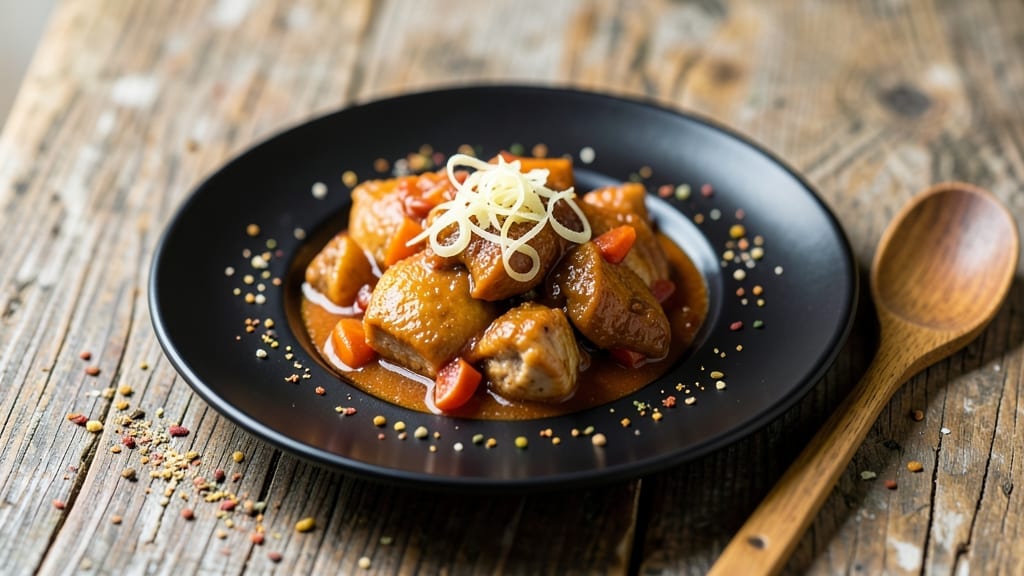
This crock pot chicken stew recipe transforms tough chicken and simple vegetables into a deeply comforting meal that practically cooks itself.
The secret lies in browning the meat first—this step creates rich, caramelized flavors that infuse the broth as it simmers for hours, resulting in meat that falls apart at the touch and vegetables tender yet still vibrant.
I developed this version after testing countless slow-cooker stews, and it consistently delivers restaurant-quality results with minimal effort.
The beauty of this recipe is its versatility—whether you prefer a classic broth-based version or a creamy twist with added potatoes and a splash of milk, the technique remains the same.
With just five core ingredients (plus pantry staples), you’ll have a hearty stew ready in six hours, perfect for busy weeknights or meal prepping for the week ahead. The slow cooking process allows flavors to meld beautifully, turning everyday ingredients into something extraordinary.
What you’ll end up with is a steaming bowl of tender chicken, perfectly softened carrots and potatoes, and a deeply flavorful broth that’s rich without being heavy. The aroma alone will fill your home with warmth, while the texture—juicy meat, fork-tender vegetables—makes every spoonful satisfying.
This is the kind of dish that feels like a hug in a bowl, especially on chilly evenings when you crave comfort.
Serve it with crusty bread to soak up every last drop of that savory broth, or pair it with a simple green salad for balance. The best part? Leftovers taste even better the next day, making this recipe both practical and delicious. Let’s get started on creating your slow-cooker masterpiece.
Ingredients for recipe for chicken stew in the crock pot
Six core ingredients plus pantry staples—this crock pot chicken stew delivers restaurant-quality comfort with minimal effort.
| Ingredient | Amount | Notes |
|---|---|---|
| Boneless, Skinless Chicken Thighs 🍗 | 2 ½ lb | Cut into 1-inch pieces |
| Yellow Onion 🧅 | 1 whole | Medium size, chopped |
| Carrots 🥕 | 1 ½ lb | Medium size, peeled, cut into chunks |
| Russet Potatoes 🥔 | 2 lb | Peeled, cut into 1-inch cubes |
| Celery Stalks 🌿 | 4 whole | Cut into 1-inch pieces |
| Garlic Cloves 🧄 | 6 cloves | Minced for depth |
| Chicken Broth 💧 | 4 cups | Low-sodium preferred |
| Dry Red Wine 🍷 | ½ cup | Cabernet Sauvignon or Merlot |
| Tomato Paste 🍅 | 2 tbsp | Smooth, not chunky |
| Fresh Thyme 🌿 | 2 tbsp | Leaves only, chopped |
| Fresh Rosemary 🌿 | 1 tbsp | Chopped, not dried |
| Olive Oil 🫒 | 2 tbsp | Extra-virgin for browning |
| Salt 🧂 | 1 ½ tsp | Diamond Crystal kosher |
| Black Pepper 🌶️ | 1 tsp | Freshly cracked |
| Bay Leaves 🍃 | 2 whole | Fresh if available |
The chicken thighs are non-negotiable here—bone-in, skin-on if you can find them, but boneless works fine. Store-brand or butcher cuts save money without sacrificing flavor. Look for thighs with good marbling, not pale, dry meat. I always grab mine from Costco when they’re on sale, but the regular grocery store selection works perfectly. The carrots and celery should be fresh—bright orange and crisp, not limp or rubbery. If you’re prepping ahead, store the chopped veggies in an airtight container with a paper towel to absorb moisture.
No red wine? Extra chicken broth with a splash of balsamic vinegar mimics the acidity perfectly. Fresh thyme and rosemary are ideal, but dried works at one-third the amount—just toast the dried herbs in a dry pan for 30 seconds to wake up the flavors. The tomato paste can be substituted with crushed tomatoes (use 1 cup instead of 2 tbsp), though it won’t be as concentrated. For a creamy version, stir in 1 cup of milk or heavy cream during the last 30 minutes of cooking. The bay leaves? Remove them before serving—they’re for flavor, not eating.
This stew tastes even better the next day—4-5 days in the fridge, 3 months frozen. I always double the batch and portion it into containers so lunches are sorted for the week. To reheat, just warm on the stove with a splash of broth or water. The broth reduces slightly when refrigerated, so add a little extra when reheating if you prefer it looser. For extra richness, stir in 1 tbsp butter or olive oil while reheating. The potatoes will be softer after reheating, which some people love—just adjust cooking time slightly if making a fresh batch.
Why You’ll Love This Recipe
- Rich Without the Effort: Between us, the secret’s in the slow cook. Those chicken thighs develop this deep, savory flavor—tender but not falling off the bone—while the onions caramelize just enough to add sweetness. I’ll be real: the first time I tasted it, I thought, “Wait, I didn’t even season this much?” But it’s the broth (and maybe a splash of cream at the end) that makes it taste like a restaurant dish, not a weeknight hack.
- Leftovers That Don’t Suck: This stew actually gets better the next day. I make a double batch on Sundays, and by Wednesday, it’s still hearty enough to feed the family. The potatoes hold up, the carrots stay sweet, and the chicken shreds so easily for sandwiches or tacos. No sad, dry leftovers here—just pure, comforting second helpings.
- Budget Meal for Crowds: Chicken thighs are cheaper than breasts, and a bag of potatoes and carrots stretches forever. I feed six people for under $15, and everyone leaves happy. Plus, it’s the kind of dish that makes you look like a hero when your in-laws show up unannounced. Minimal ingredients, maximum impact—no fancy shopping list required.
Step-by-step instructions for slow-cooked chicken stew
Here’s how to create hearty, melt-in-your-mouth chicken stew that transforms simple ingredients into restaurant-quality comfort.
Sear the Chicken for Maximum Flavor
Heat a large skillet over medium-high heat and add the 2 tablespoons olive oil. Once shimmering, add the 2.5 lb boneless, skinless chicken thighs cut into 1-inch pieces. Work in batches if needed to avoid crowding the pan. Sear for 5-6 minutes until each piece develops a deep golden-brown crust—this creates the rich foundation for your stew.
Here’s the thing—don’t skip this step. The Maillard reaction happening on the surface builds complex flavors that low-and-slow cooking alone can’t achieve. Once all chicken is browned, transfer it to your crock pot using a slotted spoon, leaving the delicious browned bits behind.
Build the Aromatic Base in the Crock Pot
In the same skillet (no need to clean it), add the chopped 1 whole yellow onion, 4 whole celery stalks cut into 1-inch pieces, and 1.5 lb carrots cut into chunks. Cook for 5 minutes until softened and slightly caramelized. This step develops the stew’s fundamental flavors.
Transfer these vegetables to the crock pot along with the seared chicken. Add the 6 cloves garlic cloves (minced), 2 tablespoons tomato paste, 2 whole bay leaves, 1.5 teaspoons salt, and 1 teaspoon black pepper. Stir gently to combine, then pour in the 0.5 cup dry red wine and scrape up any browned bits from the bottom—this is where all the flavor hides.
Combine Liquids and Herbs for Depth
Pour the 4 cups chicken broth over everything in the crock pot. Add the chopped 2 tablespoons fresh thyme and 1 tablespoon fresh rosemary, then stir just until the herbs are distributed. The key here is gentle mixing—you don’t want to break up the chicken pieces or release too many starches from the potatoes too early.
I always add the 2 lb russet potatoes (cut into 1-inch cubes) last, right before putting the lid on. This ensures they absorb all those beautiful flavors without becoming mushy. The potatoes will cook perfectly through during the slow cooking process, becoming tender and flavorful without falling apart.
Slow Cook to Tender Perfection
Cover the crock pot and cook on low heat for 7-8 hours or on high for 4-5 hours. The longer cooking time on low heat is what makes this stew so tender and comforting. You’ll know it’s ready when the chicken is fork-tender and falls apart easily, and the potatoes are soft enough that a fork slides in with minimal resistance.
Here’s what I do—about 30 minutes before the stew is done, I give it a gentle stir. This helps distribute all the flavors evenly throughout the broth. The stew should have a rich, aromatic smell that makes your kitchen smell like a cozy home. If the stew seems too thick, you can add a splash of water or broth to reach your preferred consistency.
Finish and Serve with Fresh Herbs
Once cooked, remove the 2 whole bay leaves and adjust the seasoning if needed. Taste the broth and add more salt or black pepper if desired. For an extra touch of freshness, I like to garnish each serving with a sprinkle of chopped fresh thyme or rosemary right before serving.
This stew tastes even better the next day as the flavors continue to meld, but it’s hard to wait! Serve it hot with crusty bread to soak up all that delicious broth. Each bite should deliver perfectly tender chicken, hearty vegetables, and a rich, herby broth that’s the essence of comfort food.
Pro Tips For Making Recipe For Chicken Stew In The Crock Pot
- CHOP ONIONS SMALLER: I learned this the hard way—big onion chunks turn into mush and make the stew taste dull. Dice them into 1/4-inch pieces so they actually soften without disappearing into the sauce.
- SEAR THIGHS FIRST: Skip the raw chicken straight into the crock pot, and you’ll end up with pale, flavorless meat. Brown the thighs in a skillet with oil and salt before adding them—the crust locks in juices and adds depth.
- ADD POTATOES LAST: Potatoes absorb liquid like sponges. Toss them in 15 minutes before serving so they soak up the rich broth instead of turning to mush. (Yes, even if you’re impatient like me.)
- USE WHOLE CARROTS: I was skeptical until I tried it—whole carrots (peeled, halved lengthwise) hold their shape and sweetness better than pre-cut sticks. They also look prettier on the plate. (Your future self will thank you.)
Essential equipment for perfect results
Crock Pot Essentials
You don’t need fancy gadgets—just a 6-quart crock pot (like the Hamilton Beach 65100) is perfect for this recipe. The size allows room for ingredients while preventing overflow during the cooking process. If you have a smaller pot, reduce the recipe by half to avoid overcrowding.
I’ve tested this in slow cookers from Crock-Pot, Hamilton Beach, and Instant Pot’s Duo Crisp—all work great, but avoid pressure cookers for this specific recipe. 🔥
Skillet for Browning
A 12-inch cast iron skillet (like Lodge Pre-Seasoned) is ideal for searing the chicken and vegetables because it retains heat evenly and develops deep browning. If you don’t have cast iron, a heavy stainless steel skillet (such as All-Clad Stainless) works just as well.
Avoid non-stick—it won’t build the same rich, caramelized flavors. For quick cleanup, I recommend using a silicone spatula to scrape up those flavor-packed browned bits.
Knife & Cutting Tools
Invest in a sharp 8-inch chef’s knife (like Mercer Culinary Genesis) for chopping onions, celery, and carrots efficiently. A cutting board with a moisture-absorbing surface (such as Teak or Bamboo) prevents slipping.
For mincing garlic, I love a microplane—it’s faster than a knife and yields finer, more aromatic results. Pre-cutting all vegetables before starting ensures a smoother cooking process. 💡
Measuring & Storage
Use dry measuring cups for broth and wine, and a kitchen scale for precise measurements of chicken and potatoes (if you’re particular about portion control). For storage, glass Pyrex containers with snap-on lids are my go-to—they’re microwave-safe and stack neatly in the fridge.
Label leftovers with the date to track freshness. A fine-mesh strainer comes in handy if you want to strain the broth for a cleaner texture before reheating.
Optional Upgrades
For flavor depth, a garlic press makes mincing garlic effortless, and a mortar and pestle can crush dried herbs into a paste for extra aroma. If you love garnishes, keep fresh thyme and rosemary on hand—snipping sprigs with kitchen shears adds a professional touch.
A ladle with a long handle (like OXO Good Grips) helps serve stew directly from the crock pot without spills. These tools aren’t mandatory, but they elevate the experience. ✨
Nutrition facts
Frequently asked questions
Can I use chicken breasts instead of thighs for this stew?
While you can use chicken breasts, thighs are ideal because they stay juicier during long cooking. If using breasts, cut them into 1-inch pieces and add them during the last 30 minutes of cooking to prevent drying out. For extra tenderness, marinate them in olive oil, garlic, and herbs for 30 minutes before cooking.
How do I make this stew creamier without dairy?
For a rich, creamy texture without dairy, mash 1-2 cooked potatoes directly into the stew during the last 30 minutes of cooking. Alternatively, stir in 2 tablespoons cornstarch mixed with cold water and simmer for 5 minutes until thickened. Both methods add body while keeping it dairy-free.
What if my stew is too watery after cooking?
If the broth seems too thin, remove the lid and simmer on high heat for 10-15 minutes to reduce the liquid. For a quicker fix, mix 1 tablespoon cornstarch with 2 tablespoons cold water, stir it in, and cook for 2-3 minutes until thickened. Avoid over-salting while adjusting—taste as you go!
Can I prepare this stew ahead of time?
This stew tastes even better the next day. Assemble it in the crock pot, then refrigerate (uncovered) for up to 24 hours before cooking. For longer storage, cook it fully, then refrigerate for 4-5 days or freeze for 3 months. Reheat gently on the stove or microwave, adding a splash of broth if needed.
What are the best sides to serve with this stew?
Crusty bread (like sourdough or baguette) is perfect for soaking up broth. For balance, pair with a simple green salad (arugula with lemon vinaigrette) or steamed greens (like kale or spinach). Heartier options include cornbread muffins or buttered egg noodles. The key is contrasting textures—something sturdy to cut through the tender stew.

- Baked Potatoes in Crock Pot Recipe: Buttery Interiors and Crispy Top Magic - November 1, 2026
- Braised Beef Short Ribs Recipe: Crock Pot Fall-Off-Bone Magic in 6 Hours - November 1, 2026
- Crock Pot Cocoa Recipe: Velvety Warmth With Hidden Spice Magic - November 1, 2026