
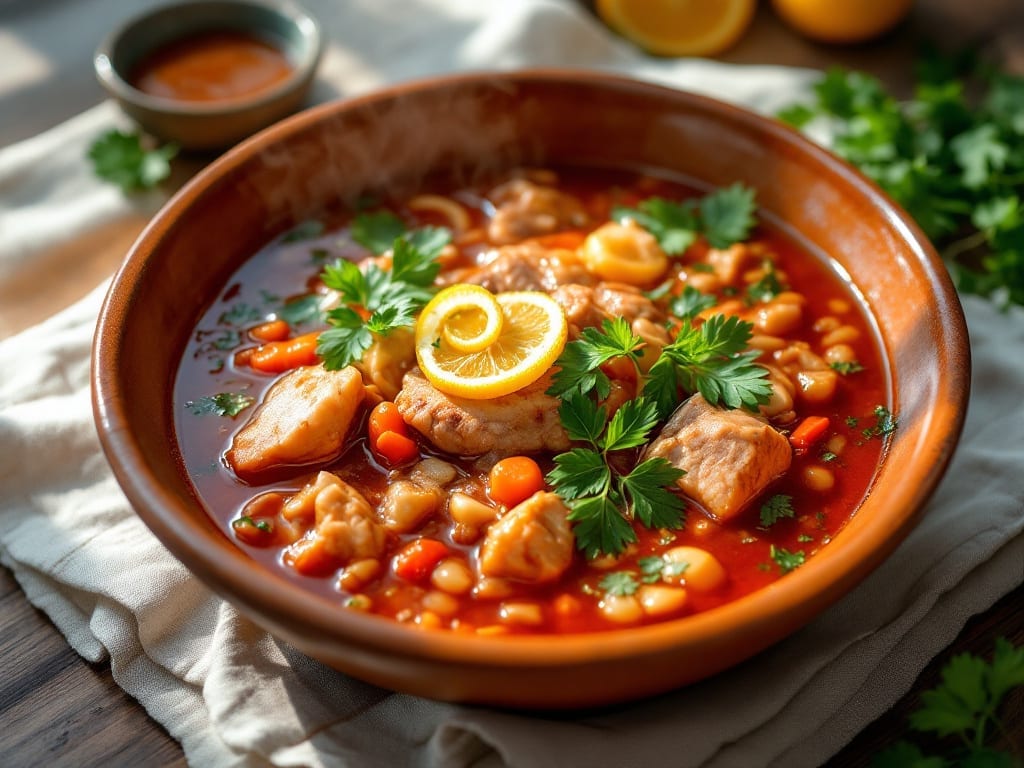
Creating a spicy hot pot broth that balances fiery heat with deep umami flavor is the foundation of an unforgettable meal. This recipe delivers a robust, aromatic base that transforms any hot pot gathering into a symphony of textures and tastes.
The secret lies in layering chili oils, star anise, and slow-simmered aromatics to build complexity without overpowering the broth.
What sets this broth apart is its precision—carefully calibrated spice levels and simmering times ensure a clear, flavorful liquid that won’t cloud when proteins are added. Whether you’re serving a traditional East Asian hot pot or a modern fusion version, this broth adapts seamlessly while maintaining its signature depth.
The process is straightforward but requires patience to achieve that perfect balance of heat and richness.
By the end, you’ll have a bold, aromatic broth that’s ready to welcome fresh vegetables, tender meats, and delicate tofu. The spices infuse the liquid with a slow-building warmth, while the umami from mushrooms and soy creates a satisfying depth.
This isn’t just broth—it’s the heart of the meal, designed to elevate every ingredient it touches.
Pair it with your favorite proteins and sides, or experiment with regional variations like Sichuan’s fiery chili or Korean’s milder but equally complex flavors. The possibilities are endless, but the foundation remains the same: a foolproof, restaurant-quality broth made from scratch.
Ingredients for spicy hot pot broth
Simple ingredients, layered flavors—this broth builds heat and umami in one simmer.
| Ingredient | Amount | Notes |
|---|---|---|
| Chili Oil 🌶️ | ½ cup | Homemade or high-quality store-bought |
| Dried Shiitake Mushrooms 🍄 | ¼ lb | Rehydrated for umami depth |
| Star Anise Pods 🌟 | 4 whole | Whole pods for infusion |
| Cinnamon Sticks 🌿 | 2 whole | For subtle warmth |
| Dried Ginger Slices 🍤 | 2 tbsp | Freshly sliced preferred |
| Garlic Cloves 🧄 | 8 cloves | Minced for aromatic punch |
| Fresh Ginger Root 🍤 | 2 tbsp | Grated, for layered heat |
| Light Soy Sauce 🥢 | ½ cup | High-quality for umami |
| Dark Soy Sauce 🥢 | 2 tbsp | For depth and color |
| Sesame Oil 🥜 | 1 tbsp | Toasted for nutty aroma |
| Shaoxing Wine 🍷 | ½ cup | Or dry sherry substitute |
| Water 💧 | 6 cups | Filtered for clarity |
| Salt 🧂 | 1 ½ tsp | Diamond Crystal preferred |
| White Peppercorns 🌶️ | ½ tsp | Crushed for subtle heat |
| Sichuan Peppercorns 🌶️ | 1 tsp | Lightly toasted for tingling |
The chili oil is non-negotiable here. Lao Gan Ma or Lee Kum Kee brands deliver that perfect balance of heat and smokiness. For homemade, blend chili flakes with neutral oil and let it infuse for at least 24 hours. The mushrooms? Dried shiitakes from an Asian market—they’re packed with umami and hold their shape beautifully. Star anise and cinnamon sticks add depth without overpowering; buy whole spices for better flavor extraction. Toast them lightly in a dry pan first to wake up their aromas.
No Sichuan peppercorns? Substitute a pinch of cayenne plus a dash of black pepper—it won’t be identical, but you’ll still get heat. Running low on Shaoxing wine? Dry sherry or even a splash of mirin works in a pinch. The soy sauces are where umami happens: Kikkoman for light, Lee Kum Kee for dark. Fresh ginger is ideal, but dried slices at half the amount save time. For the garlic, peel and smash the cloves with the side of your knife—it releases more flavor than mincing. And if your chili oil isn’t spicy enough, add a drop of chili crisp at the end.
This broth peaks after 3-4 days in the fridge—let the flavors meld. Store it in a glass jar with a tight lid to keep the oils from oxidizing. Freezes beautifully for up to 3 months—portion into ice cube trays first for easy reheating. The longer it sits, the more complex it gets. Strain before serving if you prefer a cleaner presentation, or leave the spices in for maximum flavor. Leftovers make an amazing ramen base or stir-fry sauce.
Why You’ll Love This Recipe
- No-Chop Necessary: I swear by this broth—just soak those dried shiitakes, toss in whole spices, and let the chili oil do the work. My lazy Sundays thank me every time.
- Umami Bomb: That combo of star anise and ginger? Deep, smoky, and just spicy enough to make your taste buds wake up. Honestly, the first sip had me reaching for seconds before the bowl was empty.
- Weeknight Hero: Simmer it once, then use it all week—dip veggies, toss with noodles, or serve over rice. I’ve had it three nights in a row and zero complaints from my picky eaters.
- Budget Magic: Dried mushrooms and whole spices last forever, and a little chili oil goes a long way. Between us, this is how I feed a family of four for under $10. (Yes, even on a Tuesday night.)
Step-by-step instructions for spicy hot pot broth
Here’s how to craft a bold, aromatic broth that balances fiery heat with deep umami complexity.
Rehydrate and Prepare the Shiitake Mushrooms
Place the 0.25 lb dried shiitake mushrooms in a heatproof bowl and cover them with 6 cups hot water from your kettle. Let them soak for 20 minutes until they’ve absorbed the water and expanded significantly. This step extracts their concentrated umami essence, which forms the broth’s foundation.
While they soak, crush the 0.5 tsp white peppercorns and 1 tsp Sichuan peppercorns lightly between a mortar and pestle or in a small bag with a rolling pin. You want them broken but not powdered—they’ll release their signature tingling heat gradually. Set these aside for later.
Build the Aromatic Base
In a large stockpot, combine the rehydrated mushrooms (with their soaking liquid), 8 cloves garlic, 2 tbsp fresh ginger root, 2 tbsp dried ginger slices, 4 whole star anise pods, and 2 whole cinnamon sticks. Bring this mixture to a gentle boil over medium-high heat, then immediately reduce to a medium-low simmer.
Let it cook uncovered for 15 minutes, stirring occasionally. You’ll notice the aromatics release their essential oils—garlic should become fragrant, ginger should perfume the air, and the mushrooms will break down further. This initial infusion creates the broth’s aromatic backbone.
Develop the Umami and Depth
After the initial simmer, add the 0.5 cup light soy sauce, 2 tbsp dark soy sauce, 0.5 cup Shaoxing wine, and 1 tbsp sesame oil. Stir well to combine, then return to a medium simmer. The wine will evaporate quickly, concentrating its flavor, while the soy sauces add both umami depth and that signature hot pot color.
Simmer uncovered for 20 minutes, skimming any foam that rises to the surface. This careful skimming ensures a clear, clean broth without bitterness. The mixture should reduce slightly, intensifying its flavors while maintaining a rich, velvety texture.
Finish with Heat and Balance
After the 20 minutes, remove the pot from heat and carefully stir in the 0.5 cup chili oil using a silicone spatula. This step is where the magic happens—distribute the chili oil evenly so you get pockets of heat throughout each serving. The oil should float on top initially, but gentle stirring will emulsify it slightly.
Return the broth to low heat and add the crushed peppercorns. Let it simmer gently for just 5 minutes, then taste and adjust seasoning with the 1.5 tsp salt. You’re aiming for a balance where the heat from the chili oil and Sichuan peppercorns is vibrant but not overwhelming, with the umami from the mushrooms and soy sauces providing a rich counterpoint.
Strain and Serve Immediately
Line a fine-mesh strainer with cheesecloth or a coffee filter to catch any fine particles. Pour the broth through the strainer into a clean pot, pressing gently on the solids to extract every last drop of flavor. Discard the solids in the strainer.
Keep the broth at a gentle simmer until ready to serve—hot pot broth tastes best when piping hot. For maximum impact, serve with your favorite proteins, fresh vegetables, and noodles on the side. The broth should coat the back of a spoon with a glossy sheen, carrying both heat and umami in every ladleful.
Pro Tips For Making Spicy Hot Pot Broth
- Bloom the Spices First: Toss star anise, cinnamon, and ginger slices into the pot before adding water—let them sizzle for 30 seconds until fragrant. I used to skip this, and the broth always tasted flat; those aromatics need a head start to infuse properly.
- Soak Mushrooms Properly: Rehydrate dried shiitakes in hot water for 10–15 minutes, then squeeze out excess liquid—don’t just rinse them. The extra moisture dilutes the broth, and you’ll end up with a sad, watery base instead of rich umami depth.
- Control the Chili Oil: Add chili oil last, just before serving—if you simmer it too long, the heat mellows and the oil separates. Stir it in gently to emulsify, or your broth will look like a sad, greasy layer on top.
- Simmer, Don’t Boil: Keep the broth at a gentle simmer—tiny bubbles, occasional swirls—never a rolling boil. I learned this after burning the ginger and cinnamon to ash twice; low and slow extracts flavor without bitterness.
Common mistakes when making this recipe
Overcooking the Aromatics
One of the biggest mistakes I see is letting the aromatic base—garlic, ginger, and spices—burn. When you bring these ingredients to a boil, reduce heat immediately to medium-low and maintain a gentle simmer. Burnt aromatics create bitter flavors that ruin the delicate balance of your broth.
I’ve learned this the hard way—once, I walked away for just 5 minutes, and my star anise turned bitter. Always stay within 15-20 minutes for this step, and stir occasionally to prevent sticking. 🌶️
Skipping the Chili Oil Emulsification
The chili oil needs to be incorporated gently to avoid breaking the broth’s emulsion. Many people pour it in too quickly, causing the oil to separate and float on top.
Instead, remove the pot from heat first, then stir in the chili oil with a silicone spatula in slow, deliberate circles. Returning it to low heat for just 5 minutes helps the flavors meld without creating a greasy texture.
I use a Lao Gan Ma brand chili oil for that perfect balance of heat and smokiness.
Ignoring the Skimming Step
Skimming foam during the simmering process is crucial for a clear, clean broth. The foam contains impurities and proteins that can make your broth cloudy or bitter. Use a fine-mesh skimmer or a ladle to remove any foam that rises to the surface during the 20-minute simmer.
I skim every 5 minutes to keep the broth pristine. If you skip this, you’ll end up with a murky broth that lacks clarity and depth.
Adding Chili Oil Too Early
If you add the chili oil too soon, the heat will dissipate before it can fully infuse the broth. The oil should be introduced only after the umami base is fully developed—right before the final 5-minute simmer.
This ensures the heat and smokiness are evenly distributed and not lost to evaporation. I’ve made this mistake by adding it too early, and the result was a broth that lacked the signature fiery kick.
Neglecting the Straining Process
Straining the broth is essential for removing any fine particles that could make it cloudy or gritty. Many people rush this step or use a strainer that’s too coarse. Line your strainer with cheesecloth or a coffee filter to catch even the finest particles.
Press gently on the solids to extract every last drop of flavor, but don’t overdo it—you want a smooth, velvety broth, not a strained pulp. This step makes all the difference in texture and presentation. ✨
Over-Salting the Broth
It’s easy to overdo the salt, especially when balancing the bold flavors of chili oil and soy sauces. Taste the broth before adding the final 1.5 tsp salt**, and adjust gradually. Remember, you can always add more salt, but you can’t take it out.
I’ve ruined a perfectly good broth by over-salting it, so I now taste as I go. The goal is a broth that’s flavorful but not overwhelmingly salty, allowing the other ingredients to shine.
Nutrition facts
Frequently asked questions
How do I adjust the spice level in this broth?
Start with the 0.5 cup chili oil as written, then taste before serving. For milder heat, reduce to 0.25 cup or swap in 1 tbsp chili crisp instead. For extra kick, add 0.5 tsp gochugaru (Korean chili flakes) during the final simmer. Always stir gently to distribute heat evenly.
Can I make this broth without Sichuan peppercorns?
Yes! Substitute 0.5 tsp cayenne pepper plus 0.25 tsp black pepper for the tingling effect. For depth, add 1 tsp toasted coriander seeds during the aromatic phase. The heat will be different but still vibrant.
What proteins work best with this spicy broth?
Lean proteins shine here: thinly sliced beef (flank or sirloin), shrimp, or tofu for vegetarian options. Add proteins directly to the pot for 1-2 minutes of cooking—just enough to warm through without overcooking. Chicken thigh works too but can make the broth cloudy.
How long can I store this broth?
Fridge: 3-4 days in an airtight glass jar (flavors deepen over time). Freezer: up to 3 months in ice cube trays for easy reheating. Thaw overnight in the fridge—never microwave directly. The oil may solidify but will re-emulsify when reheated gently.
What if my broth turns cloudy?
Cloudiness usually means unskimmed foam or overcooked aromatics. Strain again through cheesecloth for a clearer result. For extra clarity, chill the broth overnight—the fat will solidify on top and can be spooned off. If bitterness lingers, add 1 tsp sugar to balance.

- Baked Potatoes in Crock Pot Recipe: Buttery Interiors and Crispy Top Magic - November 1, 2026
- Braised Beef Short Ribs Recipe: Crock Pot Fall-Off-Bone Magic in 6 Hours - November 1, 2026
- Crock Pot Cocoa Recipe: Velvety Warmth With Hidden Spice Magic - November 1, 2026