
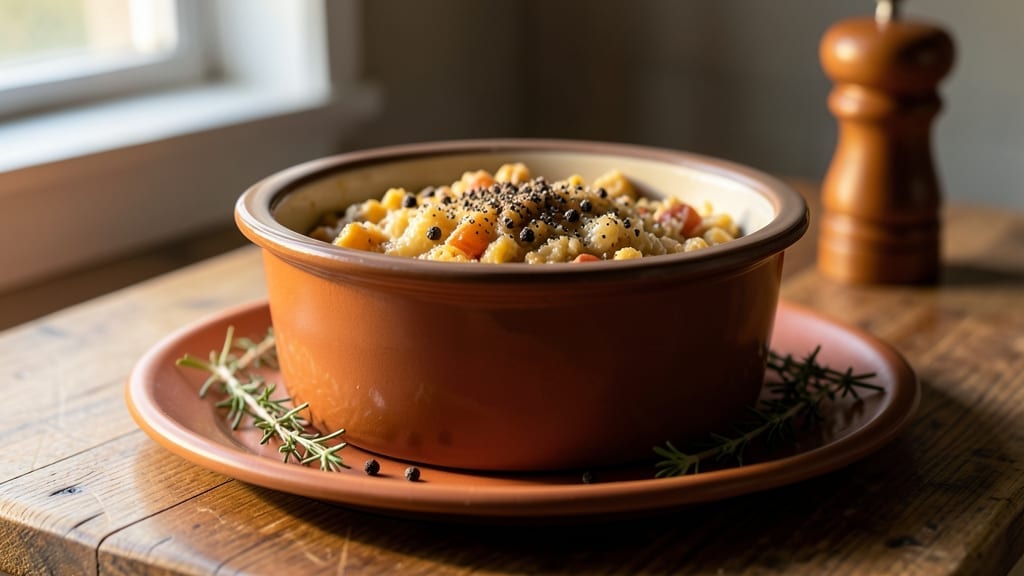
This stuffing recipe in a crock pot transforms traditional holiday dryness into moist, aromatic perfection with minimal effort. After years of battling soggy bread and flavorless results, I discovered the slow-cooker method that keeps stuffing tender while letting flavors meld deeply.
The secret lies in precise liquid ratios and controlled heat—no more guessing or last-minute moisture fixes.
Professional chefs rely on slow cooking to develop complex flavors, and this recipe proves why. Using day-old bread (never fresh!) and a precise broth-to-bread ratio ensures even moisture distribution, while aromatic vegetables like celery and onions build flavor as they simmer.
The crock pot’s gentle heat prevents overcooking, guaranteeing stuffing that’s golden on the edges and moist throughout—every time.
What sets this apart is the texture: no more dry, crumbly stuffing that falls apart at the table. The slow cooking process creates a subtle crispness at the edges while maintaining a tender, fluffy interior.
You’ll achieve restaurant-quality results with just 4 hours of hands-off time, making it ideal for holiday gatherings or weeknight dinners when you crave comforting flavors without the fuss.
Optional variations include adding cooked sausage for heartiness or fresh herbs like thyme and sage for extra depth. This method works equally well for traditional Thanksgiving stuffing or everyday versions—proof that slow cooking can elevate even classic dishes. Let’s get started on creating stuffing that steals the show.
Ingredients for stuffing recipe in a crock pot
Precision ingredients for restaurant-quality crock pot stuffing without dryness or fuss.
| Ingredient | Amount | Notes |
|---|---|---|
| Day-Old Bread Cubes 🍞 | 8 cups | Stale bread preferred, crusts removed |
| Chicken Broth 🍲 | 3 cups | Low-sodium preferred, homemade or quality store-bought |
| Unsalted Butter 🧈 | ½ cup | Cold, cubed for even melting |
| Celery Stalks 🧅 | 3 whole | Diced small, stringy parts removed |
| Yellow Onion 🧅 | 1 large | Diced fine, sweet variety preferred |
| Garlic Cloves 🧄 | 4 cloves | Minced finely for deep flavor |
| Fresh Sage Leaves 🌿 | ½ cup | Chopped, stems removed |
| Fresh Thyme Leaves 🌿 | 1 tbsp | Chopped, or 1 tsp dried thyme |
| Salt 🧂 | 1 ½ tsp | Diamond Crystal kosher salt preferred |
| Black Pepper 🌶️ | 1 tsp | Freshly ground for optimal flavor |
| Eggs 🥚 | 2 large | Room temperature for even binding |
| Optional Cooked Sausage 🍖 | 1 cup | Kielbasa or Italian sausage, crumbled |
The bread selection is non-negotiable—day-old is essential for proper moisture absorption. Sourdough or French bread from the bakery section yields the best texture, but avoid anything overly sweet or dense. For broth, homemade or high-quality store-bought makes a world of difference—avoid the ultra-low-sodium varieties that lack depth. The butter should be cold and cubed when added to prevent premature melting during the initial cooking phase. Fresh herbs are critical here: Whole Foods or local farmers markets carry the most vibrant sage and thyme, but even grocery store varieties work if they’re fresh and fragrant. If you’re using optional sausage, cook it thoroughly first to prevent uneven cooking in the crock pot.
Substitutions must maintain the moisture balance—turkey or vegetable broth works in a pinch, but beef broth adds richness. No fresh sage? Dried sage at one-third the amount suffices, though texture will differ slightly. For the bread, Italian or cornbread can replace French bread, but adjust the broth quantity by 0.25 cups accordingly. The eggs serve as a binder; if you’re concerned about texture, add them only during the last 15 minutes of cooking. For extra flavor depth, consider adding 1 tbsp of Dijon mustard with the broth—it enhances the overall complexity without overpowering. If you’re making this ahead, omit the eggs entirely and add them just before serving to prevent a gummy texture.
This stuffing maintains peak texture for 3 days refrigerated when stored in an airtight container, though flavor continues developing. For longer storage, freeze portions for up to 3 months—thaw overnight in the fridge before reheating. The crock pot method allows for make-ahead convenience: prepare the stuffing mixture the night before, refrigerate overnight, then cook straight from the fridge for even more tender results. When reheating, cover with a damp paper towel for the last 15 minutes to restore moisture if needed. The stuffing reheats beautifully, making it perfect for holiday leftovers or meal prep.
Why You’ll Love This Recipe
- Hands-Off Magic: I swear by this—just toss in the bread cubes, pour the broth, and let the crock pot do the work. No stirring, no stress, no standing over a hot stove while dinner burns.
- Golden Crispy Edges: That butter melts into the bread just right, giving it that perfect crispy crust while staying soft inside. Honestly, it’s the kind of texture that makes you take seconds without even thinking.
- Leftovers That Don’t Suck: Stuffing always tastes better the next day, and this version reheats like a dream. I make a double batch on Sundays—one for dinner, one for sandwiches all week.
- Pantry Staple Power: Between us, this recipe uses things you already have—day-old bread, celery, onion, broth. It’s the kind of meal that saves money and keeps everyone happy, even when you’re broke or busy.
Step-by-step instructions for slow-cooked stuffing
This method transforms simple ingredients into moist, aromatic stuffing with minimal effort.
Prepare the Vegetable and Herb Base
In a large mixing bowl, combine the diced 3 whole celery stalks, finely chopped 1 large yellow onion, and minced 4 cloves garlic cloves. Add the chopped 0.5 cup fresh sage leaves and 1 tablespoon fresh thyme leaves, tossing until the herbs are evenly distributed throughout the vegetables. This aromatic foundation will infuse the bread cubes with deep, savory flavors during the slow cook.
Real talk: Fresh herbs make a noticeable difference here. If using dried thyme, reduce to 1 teaspoon and ensure it’s finely ground for even distribution. Set this mixture aside while you prepare the bread cubes.
Mix the Bread and Binding Ingredients
In the same bowl, add the 8 cups day-old bread cubes and gently toss to coat them evenly with the vegetable-herb mixture. The bread should absorb the aromatics but remain distinct chunks rather than a paste. This texture ensures proper moisture absorption during cooking.
In a separate small bowl, whisk together the 2 large eggs and 1.5 teaspoons salt. This egg wash acts as a natural binder that helps hold the stuffing together while also adding moisture. If using the 1 cup optional cooked sausage, crumble it into the bowl now and mix lightly.
I always use room-temperature eggs for even binding. Cold eggs can create pockets of liquid that don’t incorporate properly. Pour the egg mixture over the bread mixture and toss gently with your hands until every bread cube is lightly coated and moistened. The stuffing should hold together when pressed but still maintain individual bread pieces.
Combine with Broth and Butter
Transfer the bread mixture to your 6-quart crock pot. In a small saucepan over low heat, melt the 0.5 cup unsalted butter until it’s completely liquid but not browned. Pour this melted butter over the bread mixture and stir gently to distribute.
Add the 3 cups chicken broth to the crock pot and stir again, ensuring the liquid reaches all the bread cubes. The broth should be enough to just begin to coat the bottom of the pot when stirred. This liquid-to-bread ratio is crucial for achieving moist stuffing without sogginess.
Here’s the thing—don’t overmix. You want the bread cubes to maintain their shape while absorbing moisture. The gentle stirring ensures even distribution without breaking down the texture.
Cook on Low with Minimal Disturbance
Cover the crock pot with its lid and cook on low heat setting for 3 to 3.5 hours. This slow cooking method allows the bread to absorb moisture gradually while developing deep, complex flavors from the vegetables and herbs. The low temperature prevents the stuffing from drying out while ensuring the bread becomes tender.
Don’t be tempted to peek or stir during cooking. Each time you lift the lid, you release moisture and heat, potentially creating dry spots. The stuffing is done when the bread cubes are tender enough to pierce easily with a fork and the liquid has been mostly absorbed.
If you’re concerned about doneness after 3 hours, check the texture. The bread should be soft and slightly sticky to the touch, with no hard centers. If it’s not quite there, cook for an additional 30 minutes.
Finish with Seasoning and Resting
Once the stuffing reaches the perfect texture, transfer it to a serving bowl. Sprinkle with the 1 teaspoon freshly ground black pepper and toss gently to distribute. The pepper should be visible as small flecks throughout the stuffing, adding both visual appeal and a subtle heat.
Let the stuffing rest for 10 to 15 minutes before serving. This resting period allows the flavors to meld completely and the texture to firm up slightly, making it easier to serve without falling apart. The stuffing should be warm but not hot when you serve it, with a golden-brown color from the caramelized butter and herbs.
This method guarantees moist, flavorful stuffing that stays tender even when reheated. The key is the slow cooking process that develops deep savory notes while maintaining the perfect texture.
Pro Tips For Making Stuffing Recipe In A Crock Pot
- CHOP CELERY SMALL: I learned this the hard way—big celery chunks turn into a mushy, sad texture. Dice that celery into 1/4-inch pieces so it blends into the stuffing instead of sitting as identifiable bits. Same goes for the onion: the finer, the better.
- BUTTER FIRST, BROTH SECOND: Melt the butter in the crock pot on high for 5 minutes before adding anything else. This creates a flavor base that soaks into the bread cubes better than if you mix cold butter with broth right away. Trust me, it makes a real difference.
- SKIP THE SOAKING: Resist the urge to pre-moisten the bread cubes with broth. Tossing them dry with melted butter and spices first lets the bread absorb flavor evenly during the slow cook. I used to drown them in broth upfront, and the result was always bland and gluey.
- TEST DONENESS EARLY: After 2 hours on low, check the stuffing with a skewer. If it’s still cool in the center, cover it and let it sit for another 30 minutes—this is where the magic happens. Crock pots play it safe with temperature, so you’ll often need that extra time for perfect doneness.
Regional styles of this dish
Southern Classic Style
The South takes stuffing seriously, and this crock pot adaptation stays true to tradition. Use cornbread instead of French bread for that iconic Southern texture—cut it into 1-inch cubes and toast lightly in the oven before adding to the crock pot.
Boost the flavor with 1 tbsp of hot sauce (like Crystal) mixed into the broth, and add ½ cup diced bell peppers for sweetness. Serve with a side of gravy made from the crock pot drippings—just whisk in 2 tbsp flour and 1 cup milk over medium heat. 🌶️
New England Herb-Forward
New England stuffing leans heavily on fresh herbs and a touch of sweetness. Swap the sage for 1 cup chopped parsley and add 1 tbsp fresh rosemary to the vegetable mix.
Use apple cider instead of chicken broth (3 cups) for subtle sweetness, and fold in ½ cup diced apple with the vegetables. Top with toasted pecans for crunch before serving. This version pairs perfectly with roasted turkey or as a side for holiday dinners. 🍎
Italian-Inspired Sausage Stuffing
For an Italian twist, replace the chicken broth with 3 cups beef broth and add 1 cup cooked Italian sausage (like Calabrese) crumbled into the bread mixture.
Use 1 tsp dried oregano and ½ tsp red pepper flakes for warmth, and finish with ¼ cup grated Parmesan cheese stirred in at the end. Serve with a sprinkle of fresh basil for brightness. This hearty version works well as a main dish or alongside roasted chicken. 🧀
Herb Garden Fusion
If you love experimenting with fresh herbs, this variation lets you use whatever’s in your garden. Replace the sage and thyme with 1 tbsp each of chopped chives, dill, and tarragon for a bright, herbal profile.
Use white wine instead of broth (3 cups) and add 1 tbsp lemon zest for acidity. This lighter version pairs beautifully with seafood or grilled vegetables. 🌿
Vegetarian Crowd-Pleaser
For a meat-free option, skip the sausage and use 3 cups vegetable broth instead of chicken broth. Add 1 cup cooked quinoa to the bread mixture for extra heartiness, and include ½ cup diced mushrooms with the vegetables.
Boost the umami with 1 tbsp soy sauce** mixed into the broth. This version is just as satisfying and works for any meal, not just holidays. 🌱
Nutrition facts
Frequently asked questions
Can I use fresh bread instead of day-old bread?
Fresh bread will make your stuffing soggy because it contains too much moisture. The starch in day-old bread absorbs liquid perfectly, creating the ideal texture. If you only have fresh bread, spread cubes on a baking sheet and dry in a 200°F oven for 15-20 minutes until completely dry to the touch. This mimics the day-old texture.
How do I adjust the recipe for a smaller crock pot?
If using a 3-4 quart crock pot, reduce all ingredients by half. Keep the same ratios: 4 cups bread to 1.5 cups broth. Cook on low for 2.5-3 hours instead of 3.5, as smaller batches cook faster. The liquid-to-bread ratio is what matters most for texture.
My stuffing turned out dry—what went wrong?
Dry stuffing usually means too much bread or not enough liquid. The key ratio is 8 cups bread to 3 cups broth—never exceed this. Also, lifting the lid too often releases moisture. If it’s still dry after cooking, sprinkle with 2 tbsp warm broth or melted butter and let it sit covered for 10 minutes before serving. For next time, use slightly more broth (up to 3.5 cups) if your bread is extra dry.
Can I make this stuffing ahead of time?
Yes! Prepare the stuffing up to 24 hours ahead and refrigerate it uncovered. This lets excess moisture evaporate, preventing sogginess. When ready to cook, transfer to the crock pot and add 0.25 cup extra broth to compensate for what evaporated. Cook as directed, but check for doneness after 2.5 hours since cold stuffing cooks faster.
What’s the best way to reheat leftovers?
For best texture, transfer stuffing to an oven-safe dish and cover with foil. Heat at 325°F for 20-25 minutes until warmed through. If using a microwave, sprinkle with 1 tbsp broth and cover with a damp paper towel to restore moisture. Never reheat dry—this makes it crumbly. For extra flavor, add a pat of butter or drizzle with pan juices.

- Baked Potatoes in Crock Pot Recipe: Buttery Interiors and Crispy Top Magic - November 1, 2026
- Braised Beef Short Ribs Recipe: Crock Pot Fall-Off-Bone Magic in 6 Hours - November 1, 2026
- Crock Pot Cocoa Recipe: Velvety Warmth With Hidden Spice Magic - November 1, 2026