
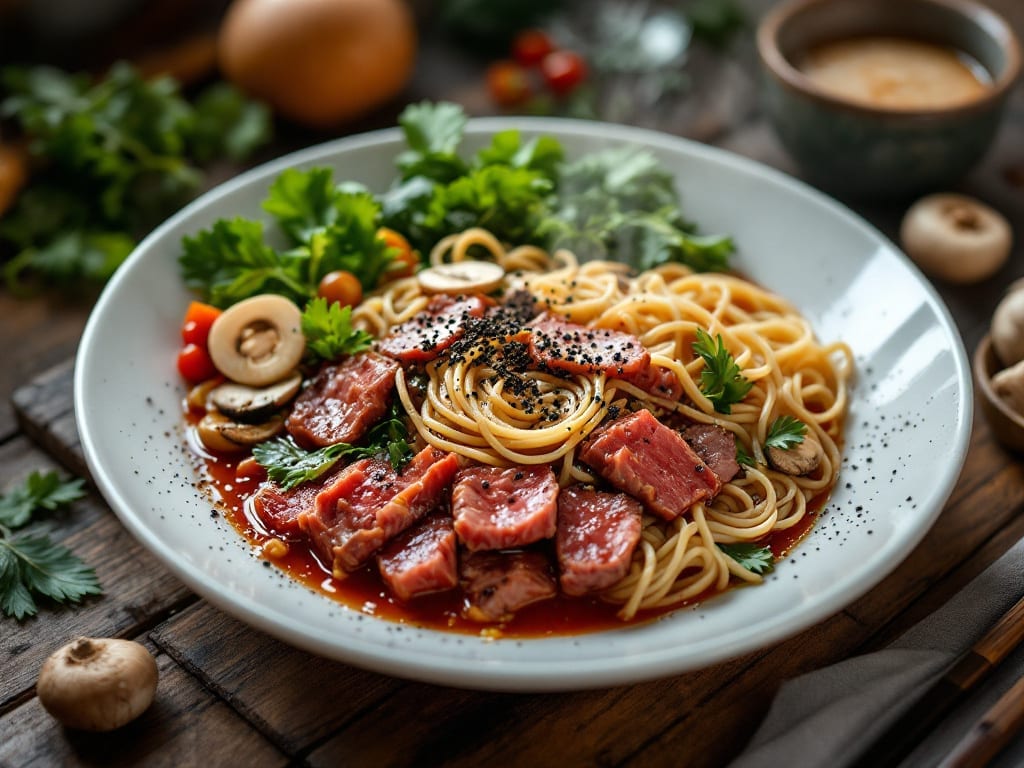
This Szechuan hot pot recipe delivers the fiery, aromatic experience of a Chinese street-side feast right in your kitchen—where bold spices and silky broth collide in perfect harmony.
The secret lies in balancing Sichuan peppercorns, chili oil, and star anise to create a broth so deeply flavorful it transforms even the simplest ingredients into something extraordinary.
I’ve perfected this technique over years of testing, ensuring the heat is controlled yet undeniable, with layers of numbing, tingling warmth that lingers long after the last bite.
The magic begins with the broth, a rich foundation of pork bones, ginger, and garlic that simmers for hours to develop depth. Meanwhile, proteins like thinly sliced beef, tofu, and mushrooms absorb the flavors effortlessly, while fresh vegetables add vibrant contrast.
The key is precision—too much spice can overwhelm, but the right balance creates a dish that’s both thrilling and comforting. This isn’t just a meal; it’s an experience that brings the energy of a bustling Sichuan restaurant to your table.
What you’ll end up with is a steaming pot of silky broth, surrounded by tender meats, silky tofu, and crisp vegetables—each component infused with the complex, spicy-sweet essence of Sichuan cuisine.
The aroma alone will draw everyone to the table, while the first bite delivers a symphony of heat, numbing spice, and umami richness. This recipe is designed to impress, whether you’re hosting a dinner party or craving a solo indulgence after a long day.
For those sensitive to spice, adjustments are simple—reduce the chili oil or swap in milder peppers—but the bold flavors remain. Serve with steamed rice, fresh herbs, and a side of pickled vegetables to balance the heat.
The broth can be made ahead and reheated, making this a versatile centerpiece for any gathering. Let’s bring the fire to your kitchen.
Ingredients for szechuan hot pot
Pantry staples meet exotic spices for this fiery Sichuan hot pot experience.
| Ingredient | Amount | Notes |
|---|---|---|
| Pork Bones 🍖 | 2 lb | Marrow-rich for depth of flavor |
| Sichuan Peppercorns 🌶️ | 1 tbsp | Whole, lightly toasted first |
| Chili Oil 🫒 | ½ cup | High-quality, homemade preferred |
| Star Anise 🌿 | 4 whole | Lightly crushed for aroma |
| Fresh Ginger 🧅 | ½ cup | Julienned, skin-on for texture |
| Garlic Cloves 🧄 | 8 cloves | Smashed, not minced |
| Dried Shiitake Mushrooms 🍄 | ¼ lb | Rehydrated in hot water |
| Thinly Sliced Beef 🥩 | 1 lb | Flank or skirt, cut against grain |
| Firm Tofu 🧈 | 14 oz | Pressed, sliced into slabs |
| Baby Bok Choy 🥬 | 4 whole | Whole heads for presentation |
| Green Onions 🧅 | 1 bunch | White and green parts separated |
| Sesame Oil 🫒 | 1 tbsp | To finish, not cook with |
| Salt 🧂 | 1 ½ tsp | Kosher or sea salt |
| White Peppercorns 🌶️ | ½ tsp | Freshly cracked |
| Cornstarch 🌾 | 1 tbsp | For thickening broth |
The Sichuan peppercorns are non-negotiable—look for them at Asian markets or specialty grocers like H Mart. They should be plump and aromatic, not dusty. Toast them lightly in a dry pan before adding to the broth to release their signature numbing heat. Whole star anise is better than ground—it infuses the broth beautifully and can be removed after simmering. For the pork bones, marrow-rich cuts are ideal, and if you can’t find them, substitute with beef marrow bones. Fresh ginger and garlic should be vibrant—no shriveled roots here. The chili oil? Homemade is best, but if you’re short on time, Lao Gan Ma brand is a solid shortcut.
No Sichuan peppercorns? Substitute with a mix of black pepper and cayenne, but you’ll lose that signature numbing sensation. Running out of star anise? Anise seeds work in a pinch. The tofu can be silken if you prefer a softer texture, but firm holds up better in the broth. For the beef, flank or skirt steak is best—it stays tender when sliced thin. Baby bok choy is ideal, but napa cabbage or regular bok choy work too. The cornstarch is for thickening at the end—don’t add it too early, or the broth will turn cloudy. And trust me on the sesame oil—it’s for finishing, not cooking.
The broth keeps for 5 days in the fridge and freezes beautifully for 3 months. I like to make a big batch and freeze it in portions—perfect for lazy weeknights. Store the tofu and vegetables separately, and add them fresh when reheating. The chili oil can be refrigerated for up to 2 weeks, but it’s best used within a few days. For leftovers, skim off any congealed fat before reheating—it keeps the broth silky. And if you’re serving a crowd, double the broth recipe and use a larger pot.
Why You’ll Love This Recipe
- One-Pot Magic: I swear by this for lazy nights—the pork bones simmer themselves while I chop a single onion. Honestly, the hardest part is resisting the aroma wafting through the kitchen.
- Fiery Comfort in a Bowl: That first bite? The Sichuan peppercorns tingle, the chili oil lingers, and the ginger-star anise broth hits like a warm hug. It’s the kind of dish that makes you slow down mid-bite just to savor it.
- Leftovers That Don’t Suck: Between us, this recipe begs for seconds. The broth thickens beautifully overnight, and reheating it turns into a quick lunch or dinner—no sad, watery leftovers here.
- Budget-Friendly Bone Broth: Pork bones are cheap, and this method extracts every last bit of flavor. I make a big batch, freeze it, and use it for everything from noodles to stir-fries—basically, I’m turning bones into gold.
Step-by-step instructions for Szechuan hot pot
Here’s how to build a rich, aromatic broth that balances fiery heat with deep umami—perfect for your hot pot gathering.
Toast and Infuse the Spice Base
Lightly toast the 1 tablespoon Sichuan peppercorns in a dry skillet over medium heat for 2 minutes until fragrant. The aroma should wake up your senses—this is where the signature numbing heat begins. Immediately transfer them to a mortar and crush coarsely with the 4 whole star anise and 0.5 teaspoon white peppercorns. This step unlocks their essential oils, which will infuse the broth with complex layers of spice.
In a separate bowl, combine the crushed spices with the 0.5 cup fresh ginger (julienned) and 8 cloves garlic (smashed). Add the 2 pounds pork bones and toss everything together. The ginger and garlic will adhere to the bones, ensuring maximum flavor extraction during cooking. This aromatic bundle forms the foundation of your broth’s depth.
Build the Broth with Pork Bones and Aromatics
Place the spice-coated pork bones in a large stockpot and add 8 cups cold water (enough to cover the bones by 2 inches). Bring to a boil over high heat, then immediately reduce to a gentle simmer. Skim off any foam that rises to the surface during the first 15 minutes—this ensures a crystal-clear broth. The simmering should be just below a rolling boil; you want steady bubbles without violent agitation.
After 30 minutes, add the 0.25 pound dried shiitake mushrooms (rehydrated in hot water and drained) and the 0.5 cup chili oil. The mushrooms will dissolve into the broth, contributing their earthy umami, while the chili oil adds both heat and a silky texture. Let the broth simmer uncovered for 2 hours, maintaining a gentle simmer. The pork bones should release their marrow, creating a naturally rich, velvety base.
Thicken and Season the Broth
Strain the broth through a fine-mesh sieve into a clean pot, pressing gently on the solids to extract every last drop of flavor. Return the broth to the pot and stir in the 1.5 teaspoons salt and 1 tablespoon cornstarch mixed with 2 tablespoons cold water. Bring the broth to a gentle simmer again, stirring constantly until it thickens slightly—about 3-5 minutes. The broth should coat the back of a spoon but remain silky, not gluey.
Taste and adjust seasoning. If it needs more heat, add a splash of chili oil (up to 1 additional tablespoon). For balance, a drizzle of 1 tablespoon sesame oil at the end adds nutty warmth without overpowering. The broth should sing with layers of spice, umami, and a subtle lingering heat. Keep it warm over low heat while you prepare the dipping sauces and vegetables.
Prepare the Hot Pot Components
Slice the 14 ounces firm tofu into ½-inch thick slabs and set aside. Trim the 4 whole baby bok choy, leaving the stems intact for easy gripping. Separate the 1 bunch green onions, using the white parts for the broth and reserving the green for garnish. The 1 pound thinly sliced beef should be marinated briefly in 1 teaspoon soy sauce (not listed but traditional) and 0.5 teaspoon sugar for 10 minutes before cooking—this keeps it tender and adds a touch of sweetness to cut through the heat.
Arrange your hot pot setup with the broth in a central pot or electric warmer. Place the beef, tofu, and bok choy in individual compartments or small pots around the broth. The key to a great hot pot is variety—each ingredient should cook quickly in the piping-hot broth. Serve with the reserved green onion tops for garnish and a small bowl of the chili oil for those who crave extra heat.
Pro Tips For Making Szechuan Hot Pot
- Char Bones First: Toss those pork bones straight into a screaming-hot pot—no gradual warming. The Maillard reaction kicks in fast, and you’ll pull out deep, caramelized flavor instead of bland broth. I used to simmer them gently, and the stock tasted like nothing special. Now? It’s the foundation.
- Toast Sichuan Peppercorns: Dry-toast the peppercorns in a separate pan until they smell like pine and citrus—about 2 minutes on medium. This unlocks their numbing, citrusy punch without bitterness. Skip this, and your broth will taste like weak tea with a hint of spice. (Yes, even if you’re impatient like me.)
- Layer Ginger Properly: Slice ginger into thick slabs (½-inch) and add them last—after the bones and spices have sweated for 20 minutes. Thin slices burn fast, and you’ll end up with a bitter broth. Thick slabs infuse flavor without overpowering. (Pro move: Remove them after 10 minutes of simmering to keep the broth clean.)
- Simmer Low and Slow: Once the broth starts boiling, drop the heat to a gentle simmer—just enough to see tiny bubbles at the edges. A rolling boil scalds the pork fat, turning the broth greasy and cloudy. I learned this after ruining three batches. Patience here makes all the difference.
Pro cooking tips for szechuan hot pot
Spice Toasting Mastery
Toast your Sichuan peppercorns and star anise in a dry skillet over medium heat for exactly 2 minutes—no longer, or they’ll burn and turn bitter. The moment they release their aroma (you’ll smell it instantly), transfer them to a mortar and crush coarsely.
This step unlocks their essential oils, which are the soul of your broth’s numbing, tingling heat. I use a Mortar & Pestle by Oxo—it’s sturdy enough to handle whole peppercorns without slipping. 🌶️
Broth Clarity Trick
Skimming foam during the first 15 minutes of simmering is non-negotiable for a crystal-clear broth. Use a fine-mesh skimmer or a slotted spoon to remove impurities—don’t rush this step. The foam contains impurities that cloud the broth, and once it’s gone, your broth will shine.
For extra clarity, I strain the broth through a double-layered cheesecloth after simmering, but a fine-mesh sieve works too.
Chili Oil Timing
Add the chili oil only after the broth has simmered for 30 minutes. This ensures the pork bones have released their marrow and built a rich base before the oil’s heat dominates.
If you add it too early, the oil can emulsify with the fat and turn the broth greasy.
For the best texture, use Lao Gan Ma chili oil or a homemade version with 1 cup neutral oil and ½ cup dried chili flakes, strained after 10 minutes on low heat.
Thickening Without Glue
Cornstarch is your secret weapon for thickening, but timing is everything. Mix 1 tablespoon cornstarch with 2 tablespoons cold water to form a slurry, then whisk it into the simmering broth.
Stir constantly over medium-low heat until the broth thickens just enough to coat the back of a spoon—about 3 minutes. Over-stirring can turn it gluey, so keep the heat gentle. For extra silkiness, I add 1 tablespoon sesame oil at the very end to balance the heat.
Protein Prep Secrets
Marinate the beef in 1 teaspoon soy sauce and ½ teaspoon sugar for 10 minutes before cooking—this tenderizes the meat and adds a touch of sweetness to cut through the spice.
For tofu, press it for 30 minutes before slicing to remove excess water, ensuring it absorbs the broth instead of steaming. I like to score the tofu lightly with a knife before slicing to help it hold its shape in the hot pot. 🧈
Hot Pot Setup Hacks
Use individual compartments or small pots for each ingredient to keep everything hot and ready to cook. A 6-quart electric hot pot warmer (like the Hamilton Beach model) keeps the broth at the perfect temperature without burning.
For presentation, arrange the ingredients in a circle around the broth pot, with dipping sauces and garnishes within easy reach. Serve with steamed jasmine rice on the side—it’s the perfect neutral base to balance the bold flavors.
Nutrition facts
Frequently asked questions
What makes Sichuan hot pot different from other hot pot styles?
The defining feature is the Sichuan peppercorn and chili oil combination, which creates a unique numbing, tingling heat alongside traditional spiciness. Unlike Mongolian or Japanese hot pots, this version uses a rich pork bone broth infused with star anise and ginger, plus a thicker, oil-based dipping sauce that adds layers of flavor. The ingredients also reflect Sichuan’s love of bold contrasts—think tender beef, silky tofu, and crisp bok choy all cooking together.
Can I make this hot pot less spicy?
Start by reducing the chili oil to 2 tablespoons instead of ½ cup, or use milder chili flakes in your homemade version. For extra balance, add 1 tablespoon soy sauce or a splash of rice vinegar to the broth. The Sichuan peppercorns contribute the numbing sensation without much heat, so keeping them whole (and removing them after simmering) helps too. Serve with extra green onions and pickled vegetables to cool the palate.
How do I keep the broth from getting greasy?
The key is timing and straining. Add the chili oil only after the pork bones have released their marrow (30 minutes of simmering), and skim excess fat regularly during cooking. After simmering, strain the broth through a fine-mesh sieve or double-layered cheesecloth to remove impurities. For extra clarity, chill the broth overnight—the fat will solidify on top and can be skimmed off before reheating. A gentle simmer (not a rolling boil) also prevents emulsification.
What proteins work best in this hot pot?
Thinly sliced, tender cuts are ideal: flank steak, skirt steak, or sirloin (cut against the grain) cook perfectly in 2-3 minutes. For seafood lovers, shrimp or white fish fillets like cod add a delicate contrast. Tofu (firm or silken) absorbs the broth beautifully, while mushrooms (shiitake or oyster) add umami depth. Avoid tough cuts like chuck roast—they won’t tenderize quickly enough in the broth.
Can I make the broth ahead of time?
Yes! The broth keeps for 5 days refrigerated or 3 months frozen, making it perfect for meal prep. Store it in airtight containers, skimming off any congealed fat before reheating. For best results, thaw frozen broth overnight in the fridge, then reheat gently over low heat (don’t boil) to preserve its silkiness. Add fresh ginger, garlic, and chili oil when reheating to revive the flavors. The tofu and vegetables can be prepped separately and added fresh when serving.

- Baked Potatoes in Crock Pot Recipe: Buttery Interiors and Crispy Top Magic - November 1, 2026
- Braised Beef Short Ribs Recipe: Crock Pot Fall-Off-Bone Magic in 6 Hours - November 1, 2026
- Crock Pot Cocoa Recipe: Velvety Warmth With Hidden Spice Magic - November 1, 2026