
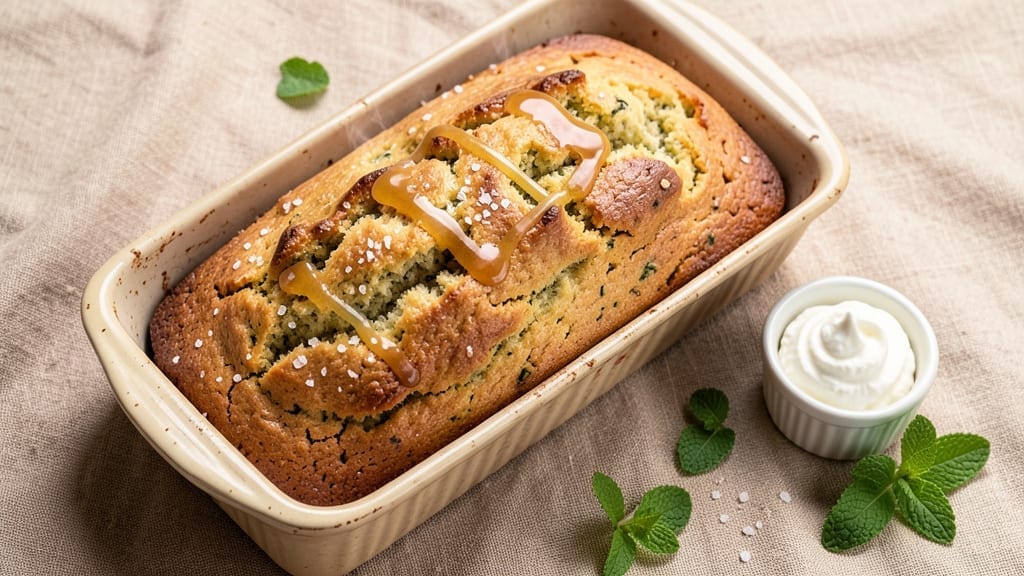
This 1 cup zucchini bread recipe delivers the perfect balance of moist texture and warm spices in a single loaf—no wasted ingredients or soggy results.
The secret lies in properly grating the zucchini and balancing it with just the right amount of flour and leavening, creating a tender crumb that stays fresh for days.
I developed this version after testing countless batches, ensuring every slice is packed with that classic zucchini flavor without being overly dense.
The recipe uses simple pantry staples combined with a foolproof method that yields a beautifully domed loaf with a crackly top. A touch of cinnamon and nutmeg enhances the natural sweetness of the zucchini, while vanilla extract adds depth.
The baking time is carefully timed to achieve that perfect moist interior without drying out, making it ideal for breakfast or afternoon snacks.
What makes this recipe stand out is its versatility—it works as a standalone treat or pairs perfectly with coffee or tea. The zucchini doesn’t overpower the flavor, and the spices create a comforting aroma that fills your kitchen.
Whether you’re baking for a crowd or just treating yourself, this loaf delivers restaurant-quality results with minimal effort.
Optional add-ins like chocolate chips or chopped walnuts can customize the bread to your taste, but the base recipe remains simple and reliable. Once baked, it stays fresh for up to a week when stored properly, making it a great make-ahead option. Let’s get baking!
Ingredients for 1 cup zucchini bread
Simple pantry staples transform into a tender, moist loaf with perfect zucchini flavor.
| Ingredient | Amount | Notes |
|---|---|---|
| Medium Zucchini 🥒 | 1 cup | Grated, excess liquid squeezed out |
| All-Purpose Flour 🌾 | 1 cup | Spooned and leveled, not scooped |
| Granulated White Sugar 🍚 | ¾ cup | Packed lightly for accurate measure |
| Light Brown Sugar 🍚 | ¼ cup | Packed lightly, packed |
| Unsalted Butter 🧈 | ½ cup | Room temperature, not melted |
| Large Eggs 🥚 | 2 whole | Room temperature for even baking |
| Pure Vanilla Extract 🍯 | 1 tbsp | Imitation-free for best flavor |
| Ground Cinnamon 🌿 | 1 ½ tsp | Freshly ground preferred |
| Ground Nutmeg 🌿 | ½ tsp | Finely ground for smooth texture |
| Baking Soda 🧂 | ½ tsp | Freshly opened for leavening power |
| Diamond Crystal Kosher Salt 🧂 | ½ tsp | Fine grain for even distribution |
| Whole Milk 🥛 | ½ cup | Room temperature for smooth batter |
The zucchini is non-negotiable—fresh, firm varieties like Black Beauty work best. Avoid waxed zucchini; organic from Whole Foods or local farmers markets ensures no bitter rind. Grate it yourself for maximum moisture control—pre-shredded releases too much liquid. For the flour, King Arthur or Gold Medal brands yield the best texture. Brown sugar adds moisture while white sugar balances sweetness; Domino or C&H brands are reliable. Unsalted butter matters here—Plugrá or Land O’Lakes are consistent choices, but room temperature is critical for proper creaming.
No vanilla extract? Seeds from a vanilla bean steeped in warm water work beautifully, or vanilla sugar at half the amount. Substituting nutmeg? Mace at one-third the amount offers a similar warmth. For dairy-free needs, unsweetened almond milk replaces whole milk, though texture may vary slightly. The baking soda must be fresh—expired leavening leads to dense bread. Chocolate chips or walnuts can be added, but fold them in last to maintain even distribution. Pre-shredded zucchini? Drain thoroughly in a cheesecloth for 10 minutes to remove excess moisture.
This loaf stays fresh for 5-6 days when wrapped tightly in plastic at room temperature. For longer storage, freeze portions for up to 3 months—wrap individually in parchment before freezing. Reheat slices in a 350°F oven for 5 minutes to restore freshness. The batter can be prepped ahead and refrigerated for 24 hours before baking. For a crackly top, sprinkle extra sugar on the loaf before baking, but watch closely to avoid burning.
Why You’ll Love This Recipe
- No-Waste Magic: I swear by this trick—grate that zucchini, squeeze out the moisture, and suddenly you’ve turned a vegetable you’d normally toss into something useful. No extra shopping, no food going bad in the crisper.
- Sweet & Moist Perfection: That combo of white and brown sugar? It’s the secret to a tender crumb that doesn’t dry out by lunch. The butter keeps it rich, and the zucchini adds just enough subtle sweetness to make it feel like a treat—without tasting “healthy.”
- Breakfast or Snack: Slice it thin for a quick toast with peanut butter, or bake it into muffins for a grab-and-go morning. Honestly, I’ve even used it as a base for a dessert charcuterie board—trust me, it holds up.
- Budget-Friendly Staple: A single zucchini from the garden or store’s discount bin turns into enough loaves to feed the whole family. The ingredients you already own? That’s the kind of recipe that makes grocery day less stressful.
Step-by-step instructions for moist zucchini bread
This method ensures a tender crumb and perfect moisture balance every time.
Prepare the Zucchini and Mix Dry Ingredients
Begin by grating the 1 cup medium zucchini using the fine holes of a box grater. Transfer the grated zucchini to a clean kitchen towel and press firmly to remove excess moisture. This step is crucial—wet batter leads to dense bread. In a medium bowl, whisk together the 1 cup all-purpose flour, 0.75 cup granulated white sugar, 0.25 cup light brown sugar, 1.5 teaspoons ground cinnamon, 0.5 teaspoon ground nutmeg, 0.5 teaspoon baking soda, and 0.5 teaspoon Diamond Crystal kosher salt. Sift the mixture through a fine-mesh sieve to aerate the flour and prevent lumps.
I like to use a wire whisk for this step to ensure even distribution of the spices. The cinnamon and nutmeg should be finely ground—any gritty particles will affect texture. Keep this dry mixture ready for the next step, as it will blend seamlessly with the wet ingredients.
Cream Butter and Sweeteners
In a large mixing bowl, combine the 0.5 cup unsalted butter (at room temperature) with the 0.75 cup granulated white sugar and 0.25 cup light brown sugar. Using an electric mixer on medium speed, beat the mixture for 3-4 minutes until light and fluffy. You’ll notice the butter increase in volume and become pale in color—this incorporates air, which creates a tender crumb. Scrape down the sides of the bowl occasionally to ensure even mixing.
The reason we wait until the butter is fully creamed is that this step ensures proper aeration. If you rush this, your bread will turn out dense instead of moist and light. The sugars should dissolve completely, leaving no grainy texture behind.
Add Eggs, Vanilla, and Zucchini
Add the 2 whole large eggs (at room temperature) one at a time, mixing on low speed after each addition until fully incorporated. Then, stir in the 1 tablespoon pure vanilla extract and the squeezed 1 cup zucchini. Mix on low speed for another 1-2 minutes until the zucchini is evenly distributed. The batter should be thick but pourable. If it appears too thick, add 1 tablespoon of the 0.5 cup whole milk to loosen it slightly.
Here’s where the magic happens—the zucchini acts as a natural tenderizer, keeping the bread moist without needing extra fat. The vanilla extract enhances the warm spices, creating a harmonious flavor profile. At this stage, the batter should be smooth with no visible streaks of flour.
Combine Wet and Dry Ingredients
Gradually add the dry ingredient mixture to the wet ingredients in three additions, mixing on low speed after each addition. Begin on low to avoid overmixing, which develops gluten and makes the bread tough. Once fully combined, pour in the remaining 0.5 cup whole milk and mix just until incorporated. The batter should be thick but smooth, like a well-made cake batter.
This is the moment that matters: the milk helps hydrate the flour and creates a tender crumb. If the batter looks too thick, don’t panic—it will spread slightly in the oven. The key is to mix just until combined; overmixing will compromise the bread’s texture.
Bake to Golden Perfection
Preheat your oven to 350°F. Grease a 9×5-inch loaf pan thoroughly with butter or line it with parchment paper for easy removal. Pour the batter into the prepared pan and smooth the top with a spatula. Bake for 50-60 minutes or until a toothpick inserted in the center comes out clean. The bread is done when the top is golden brown and the edges pull away slightly from the pan.
I know it seems like a long bake time, but this ensures even cooking and a moist interior. If the top browns too quickly, tent the pan with aluminum foil after 30 minutes to prevent over-browning. The bread should have a slightly domed top with a crackly crust—this indicates proper baking.
Cool and Serve
Remove the bread from the oven and let it cool in the pan for 10 minutes. Then, transfer it to a wire rack to cool completely. This resting period allows the moisture to redistribute, ensuring every slice is tender. Slice the bread while still slightly warm for the best texture—this is when it’s at its most moist and flavorful.
For the ultimate experience, serve with a thin layer of cream cheese or a drizzle of honey. The bread keeps well at room temperature for 2-3 days or can be frozen for up to 3 months for freshness whenever you need it.
Pro Tips For Making 1 Cup Zucchini Bread
- GRATE THE ZUCCHINI DRY: I learned this the hard way—squeezing out moisture after grating is a hassle, and wet zucchini makes bread dense. Instead, grate it first, then spread it on a clean kitchen towel in a single layer. Let it sit for 10 minutes while you prep the rest; the towel absorbs excess water without you having to wring it like a sponge.
- MEASURE BUTTER COOL: Room-temperature butter is overrated for this recipe. Use cold, firm butter straight from the fridge—it creates flaky layers that warm butter can’t. Cut it into cubes and let them sit in the fridge while mixing the wet ingredients; they’ll soften just enough to blend smoothly without turning greasy.
- DON’T OVERMIX THE BATTER: I used to beat this like I was punishing the dough. Stop mixing as soon as the flour is just incorporated—lumpy is fine. Overmixing develops gluten, and that turns your tender zucchini bread into a chewy brick. Two minutes max with a mixer, or until the dry ingredients disappear.
- USE A LIGHT HAND WITH SUGAR: This recipe balances white and brown sugar for moisture and depth, but too much brown sugar can make the bread gummy. Stick to the 1:1 ratio called for, and if your zucchini is extra wet, reduce the brown sugar by 1 tablespoon. Trust the recipe’s balance—your taste buds will notice the difference.
Common mistakes when making your 1 cup zucchini bread
Skipping Zucchini Prep
Grating zucchini and squeezing out excess moisture is non-negotiable for tender bread. I once made this recipe using pre-shredded zucchini straight from the bag—result? A dense, gummy loaf that tasted more like zucchini soup than bread.
Always use fresh zucchini and press it in a clean kitchen towel to remove liquid before mixing. This step prevents a soggy texture and ensures even distribution of flavor. 🥒
Overmixing the Batter
The moment you start mixing wet and dry ingredients, resist the urge to go full speed. Overmixing develops gluten in the flour, which leads to tough, chewy bread instead of that tender crumb we want.
I’ve learned this the hard way—once I mixed for 5 minutes instead of the recommended 1-2 minutes, and the result was more like a dense cake than bread. Mix just until combined for perfect texture.
Using Cold Ingredients
Room temperature butter, eggs, and milk are essential for a light, moist loaf. Cold butter won’t cream properly, and cold eggs won’t blend smoothly, both of which can lead to dense bread.
I keep my ingredients at room temperature for at least 30 minutes before starting—this simple step makes all the difference. Pro tip: Place butter in a bowl of warm water for 10 minutes if you’re in a hurry. 🧈
Incorrect Baking Time
This recipe requires patience—don’t rush the baking process. I’ve seen many home bakers pull the bread out too early because they thought it looked done, only to find it undercooked inside. The bread needs 50-60 minutes at 350°F to develop proper texture.
A toothpick inserted in the center should come out clean, and the edges should pull away slightly from the pan. If the top browns too quickly, tent with foil after 30 minutes.
Skipping the Cooling Step
I know it’s tempting to slice into that warm loaf immediately, but resisting is crucial. Letting the bread cool in the pan for 10 minutes before transferring to a wire rack prevents it from falling apart when sliced.
The moisture needs time to redistribute, and slicing too soon leads to crumbly, uneven pieces. Trust the process—waiting ensures every slice is perfect. ⏰
Ignoring Pan Prep
A properly greased or parchment-lined pan makes all the difference. I’ve had breads stick and tear when I skipped this step, ruining an otherwise perfect loaf. Use butter or nonstick spray to grease a 9×5-inch loaf pan thoroughly, or line it with parchment paper for effortless removal.
This small preparation step saves you from frustration later. The bread should release cleanly from the pan when done.
Nutrition facts
Frequently asked questions
Can I substitute other vegetables in this zucchini bread?
You can try 1 cup grated carrot or 1 cup mashed sweet potato for a similar texture, but the flavor will differ. Carrots add a slightly earthy note, while sweet potato brings natural sweetness. For best results, stick with zucchini—it’s the perfect balance of moisture and mild flavor that makes this bread special.
How do I make this recipe gluten-free?
Replace the 1 cup all-purpose flour with a 1:1 gluten-free flour blend like Bob’s Red Mill or King Arthur. You may need to add 1/4 teaspoon xanthan gum if your blend doesn’t contain it. Also increase the milk to 3/4 cup since gluten-free flours absorb more liquid. The texture will be slightly denser but still delicious.
Why did my bread turn out dense instead of moist?
This usually happens when you skip squeezing excess moisture from the zucchini or overmix the batter. Another common cause is using cold ingredients—always let butter, eggs, and milk sit at room temperature for 30 minutes before mixing. For extra moisture, try adding 1/4 cup applesauce to the batter.
Can I make this bread in a different pan size?
For best results, use a 9×5-inch loaf pan as called for. If you must use a different size, adjust the baking time: smaller pans (like 8×4-inch) may need 40-45 minutes, while larger pans (like 9×9-inch) could require 60-70 minutes. The bread should be golden brown and pull away from the pan edges when done.
How can I tell when the bread is fully baked?
The bread is done when the top is golden brown and a toothpick inserted in the center comes out clean with just a few moist crumbs. The edges should also pull away slightly from the pan. If you’re unsure, check at 50 minutes—most ovens run slightly hot. For extra assurance, use an oven thermometer to confirm your oven is at 350°F.

- Pork Loin Pulled Pork Crock Pot Recipe: Slow-Smoked Tenderness With Zero Dryness - November 1, 2026
- Baked Potatoes in Crock Pot Recipe: Buttery Interiors and Crispy Top Magic - November 1, 2026
- Braised Beef Short Ribs Recipe: Crock Pot Fall-Off-Bone Magic in 6 Hours - November 1, 2026