
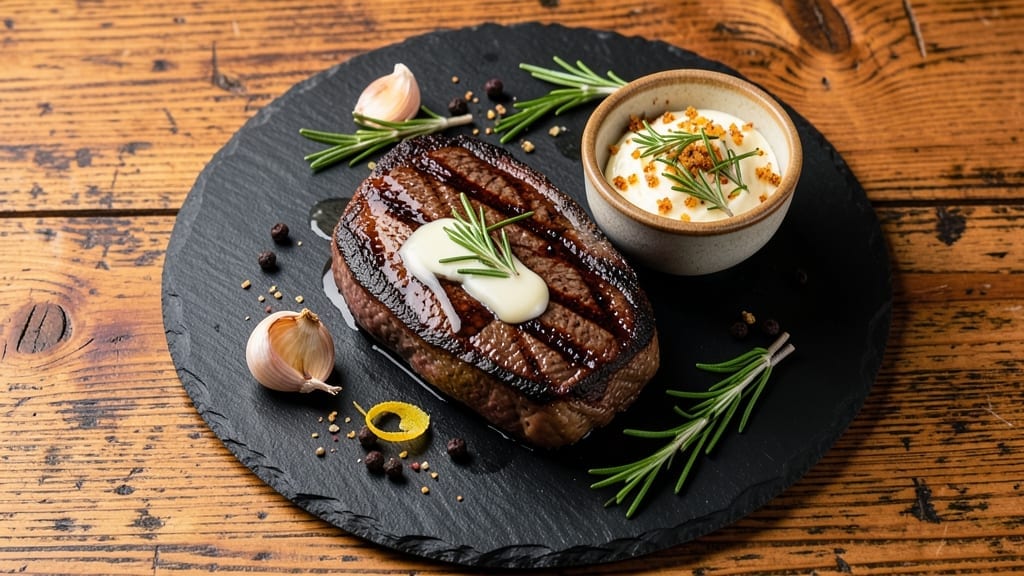
A 1-inch steak recipe that delivers restaurant-quality results in just 10 minutes is the secret weapon for weeknight dinners that feel like a special occasion. The key lies in high-heat searing and proper resting—techniques that transform tough cuts into melt-in-your-mouth perfection.
I’ve perfected this method over years of testing, ensuring every bite delivers that ideal balance of crispy crust and tender interior.
This recipe works beautifully with ribeye, New York strip, or filet mignon, all cut to that 1-inch thickness for consistent cooking. Start with a hot cast-iron skillet and let the steak develop a deep, caramelized crust before finishing with butter and aromatics.
The reverse sear method (optional but recommended) guarantees even doneness without overcooking.
What you’ll achieve is a steak with a golden-brown crust, a juicy interior, and a flavor profile that’s rich and satisfying. The secret to success? Patience during searing and resting the steak before slicing—both critical steps that separate home cooks from professionals.
Serve with roasted garlic potatoes or grilled asparagus for a complete meal.
This method is foolproof for beginners but refined enough for experienced cooks. Whether you’re cooking for two or a crowd, the principles remain the same—high heat, proper timing, and attention to detail. Let’s get started on that perfect 10-minute steak.
Ingredients for 1 inch steak
High-quality cuts, precise seasoning, and professional techniques combine for restaurant-style steak at home.
| Ingredient | Amount | Notes |
|---|---|---|
| Ribeye Steak 🥩 | 1 ½ lb | 1-inch thick, trimmed of excess fat |
| Kosher Salt 🧂 | 1 ½ tbsp | Diamond Crystal preferred, freshly ground |
| Freshly Ground Black Pepper 🌶️ | 1 tbsp | Coarsely cracked for texture |
| Unsalted Butter 🧈 | 4 tbsp | Cold, cut into 1-inch cubes |
| Garlic Cloves 🧄 | 4 cloves | Smashed, skin on for aroma |
| Fresh Rosemary 🌿 | ¼ cup | Needle leaves only, finely chopped |
| Fresh Thyme Leaves 🌿 | ¼ cup | Stems removed, loosely packed |
| Extra-Virgin Olive Oil 🫒 | 2 tbsp | High smoke point, fruity variety |
| Cast-Iron Skillet 🔥 | 1 whole | 10-12 inch, preheated to smoking |
| Meat Thermometer 🌡️ | 1 whole | Instant-read preferred for accuracy |
The steak cut is non-negotiable for this method. Ribeye delivers the best marbling, but New York strip or filet mignon work equally well when cut to 1-inch thickness. Source from a trusted butcher or Whole Foods meat counter where they can properly trim and portion your steaks. Look for cuts with bright red color and visible fat marbling—these indicators guarantee juiciness. If buying pre-portioned, verify thickness with calipers or a ruler. For the aromatics, fresh rosemary and thyme from the grocery store’s produce section are ideal, but dried can be substituted at one-third the quantity if needed. The olive oil should be labeled ‘extra-virgin’—avoid light or refined varieties that lack flavor.
No kosher salt? Diamond Crystal substitute with sea salt at a 1:1 ratio, but adjust seasoning to taste. Running short on butter? Ghee works perfectly for finishing, though it has a slightly different flavor profile. The garlic and herbs can be swapped for shallots and parsley if preferred, though the rosemary-thyme pairing is classic for steak. For the skillet, carbon steel is another excellent choice if you don’t own cast iron—just ensure it’s properly seasoned. The meat thermometer is optional but recommended for precision, especially for medium-rare (130°F internal temp). If you don’t have one, use the finger test: press the steak gently—it should feel like the base of your thumb when cooked to medium-rare.
Steaks should rest at room temperature for 30-45 minutes before cooking to ensure even doneness. Store fresh herbs wrapped in damp paper towels in a sealed container for up to 5 days in the fridge. The butter cubes can be prepped ahead and stored in an airtight container for up to 2 weeks. For leftovers, wrap steaks tightly in foil and refrigerate for 3-4 days—though honestly, this recipe yields such perfect results that leftovers are rare. If freezing, portion into individual servings and freeze for up to 3 months. Always thaw in the fridge overnight for best texture.
Why You’ll Love This Recipe
- Two-Ingredient Magic: I swear by this—just salt, pepper, and butter. That’s it. No fancy marinades or hours of prep. Honestly, the ribeye’s natural richness does all the heavy lifting.
- Butter-Basted Bliss: The moment those garlic cloves hit the pan and baste the steak with butter? Pure satisfaction. That crispy crust with a melt-in-your-mouth center? Spot-on every time.
- Date Night Ready: No one needs to know it took me 20 minutes to make. Serve it with a simple salad or roasted potatoes, and you’ve got a restaurant-worthy meal without the fuss.
- Leftovers That Don’t Suck: Cold slices the next day? Still delicious. Slice thin, add to wraps, or toss in a grain bowl—this steak actually improves when repurposed. (Yes, even on a Tuesday.)
Step-by-step instructions for pan-seared ribeye steak
Master this technique and you’ll achieve restaurant-quality steak with a perfect crust and juicy interior every time.
Prepare the Steak and Seasoning
Remove the ribeye steak from the refrigerator and pat it dry completely with paper towels. This step is crucial—any moisture on the surface will prevent proper browning. I like to work in a well-ventilated area as the fresh herbs will release their aromas during chopping.
In a small bowl, combine the 1.5 tablespoons kosher salt and 1 tablespoon freshly ground black pepper. Rub this mixture all over the steak, pressing firmly to ensure even distribution. The salt will begin to draw out moisture, which will evaporate during searing, creating that coveted crust. Let the steak sit at room temperature for 30 minutes while you prepare the rest of your ingredients.
Create the Herb Butter and Preheat the Skillet
In a separate small bowl, combine the 4 tablespoons cold unsalted butter, 4 smashed garlic cloves, ¼ cup finely chopped fresh rosemary, and ¼ cup fresh thyme leaves. Mix gently to distribute the herbs evenly through the butter. This herb butter will baste the steak during cooking, infusing it with incredible flavor.
Place the cast-iron skillet over high heat until it’s smoking hot. Add the 2 tablespoons extra-virgin olive oil and let it shimmer for 1-2 minutes. The oil should be hot enough that when you flick a drop with your finger, it sizzles immediately. This high heat is essential for creating that perfect crust on the steak.
Sear the Steak to Perfect Doneness
Carefully place the steak in the hot skillet, away from you to avoid the oil spray. Let it sear undisturbed for 2-3 minutes until you develop a deep brown crust on one side. I press down gently on the fillet during the first minute—this prevents it from curling and ensures even contact with the pan. You’ll know it’s ready to flip when the steak releases easily from the skillet.
Flip the steak and add the herb butter to the pan. Immediately baste the steak with the melted butter using a spoon, coating all sides. Continue cooking for 2-3 minutes on the second side, basting frequently. For medium-rare doneness, use your meat thermometer to check the internal temperature—it should read 125-130°F. Remove the steak from the pan and let it rest on a warm plate for 5-10 minutes before serving.
Rest and Serve with Confidence
The resting period is just as important as the cooking itself. During this time, the juices redistribute throughout the steak, ensuring a moist and tender bite. Tent loosely with foil if you’re concerned about it getting cold, but I prefer to let it rest uncovered so the crust can set properly.
Slice the steak against the grain for maximum tenderness, and serve immediately with any pan juices. The result should be a beautifully seared exterior with a pink, juicy interior. Each bite should deliver rich beef flavor enhanced by the aromatic herb butter. This technique delivers perfect steak every time—no guesswork, just consistent results.
Pro Tips For Making 1 Inch Steak
- USE A CAST-IRON SKILLET: That’s not just a suggestion—it’s the only way to get that perfect crust on a 1-inch ribeye. The heavy metal retains heat like nothing else, and the natural nonstick (once hot) keeps the butter from turning into a greasy mess. I’ve tried stainless steel, and it’s just not the same.
- SALT THE STEAK 40 MINUTES EARLY: This isn’t about seasoning—it’s about flavor penetration. Kosher salt needs time to work its way into the meat, especially on a thicker cut. Skip this, and you’ll end up with salt only on the surface, no matter how much you pepper it after cooking.
- WATCH THE BUTTER TEMPERATURE: The butter should foam and sizzle but not burn. If it’s smoking like a campfire, you’re overdoing it—pull the pan off heat for 10 seconds and let it recover. Burnt butter ruins everything, and you’ll be scraping charred bits off your steak instead of savoring garlic-infused richness.
- REST IT UNDER FOIL: Yes, even if you’re impatient (I know, I know). Tent the steak loosely with foil for 5 minutes—this keeps it juicy while the residual heat finishes cooking the center. Cutting into it too soon is the fastest way to end up with a dry, sad ribeye. Trust the process.
Health benefits of this recipe
Protein Powerhouse
This 1-inch steak delivers a high-quality protein punch—about 40 grams per 4-ounce serving—essential for muscle repair and growth. Unlike lean proteins, steak provides iron and zinc in bioavailable forms, supporting energy levels and immune function.
The marbling in ribeye adds healthy fats that enhance flavor while promoting satiety. 💪
Iron-Rich Energy
One 4-ounce serving of ribeye provides 3.5mg of iron—about 20% of your daily needs—critical for oxygen transport in your blood. This makes it ideal for preventing fatigue, especially when paired with vitamin C-rich sides like roasted bell peppers or citrus salad.
The iron in steak is heme iron, which your body absorbs more efficiently than plant-based sources.
Heart-Healthy Fats
The monounsaturated and polyunsaturated fats in ribeye support cardiovascular health by improving cholesterol ratios. Opt for grass-fed or pasture-raised cuts when possible—they contain more omega-3s than grain-fed beef. These fats also help your body absorb fat-soluble vitamins like A, D, E, and K from other meal components.
Zinc for Immunity
Steak is a top food source of zinc, with 7mg per 4-ounce serving—about 60% of your daily requirement. Zinc plays a key role in immune function, wound healing, and even taste perception (which is why zinc deficiency can dull your sense of taste).
The high heat searing in this recipe preserves zinc levels better than slow-cooking methods.
B-Vitamin Complex
You’ll get a full spectrum of B vitamins—especially B12, niacin, and riboflavin—which are vital for energy metabolism and nervous system health. The niacin content (about 10% of daily needs per serving) helps convert food into usable energy, making this steak a perfect post-workout meal.
These nutrients also support skin health and red blood cell production.
Muscle Recovery
The creatine in beef (about 1 gram per 4 ounces) fuels your muscles during high-intensity exercise and aids recovery. Combined with the protein and iron, this makes ribeye an excellent choice after strength training.
For even better recovery, pair it with sweet potatoes or quinoa to complete the amino acid profile. 💪
Nutrition facts
Frequently asked questions
Can I use this recipe for steaks thicker than 1 inch?
This method works best for 1-inch steaks, but you can adapt it for thicker cuts using the reverse sear method. For 1.5-inch steaks, start by baking at 250°F until the internal temp reaches 110°F (about 20-30 minutes), then finish with a quick sear in the skillet. This ensures even cooking without overcooking the exterior.
What’s the best way to slice a 1-inch steak?
Always slice against the grain (perpendicular to the muscle fibers) for maximum tenderness. Use a sharp chef’s knife and cut at a 45-degree angle for elegant presentation. For ribeye or NY strip, you’ll see the grain pattern—follow it to find the direction. Slice into ½-inch thick pieces for perfect bite-sized portions.
How do I know when my steak is done without a thermometer?
For medium-rare, press the steak gently with your finger—it should feel like the base of your thumb. For medium, it’ll feel like the first joint of your index finger. The center should spring back slowly when pressed. Remember: 130°F = medium-rare, 140°F = medium. Let it rest 5-10 minutes before checking to avoid overestimating doneness.
Can I make this recipe with frozen steak?
Never cook frozen steak—it won’t develop a proper crust and will release moisture into the pan. Thaw your steak in the fridge overnight (24 hours for 1.5 lbs). For quicker thawing, use the cold water method: seal in a leak-proof bag and submerge in cold water, changing every 30 minutes until fully thawed. Never use warm or hot water as it promotes bacterial growth.
What’s the best side dish pairing for this steak?
Classic pairings include creamy mashed potatoes, roasted garlic asparagus, or grilled portobello mushrooms. For a lighter option, try quinoa salad with cherry tomatoes and basil. The key is balancing rich flavors—acidic or earthy sides cut through the steak’s richness. Avoid heavy sauces that might overpower the steak’s natural flavor.

- 2 Large Banana Bread Recipe: Double Batch With Moist Crumb and Walnut Streusel - September 30, 2026
- 7 Organ Soup Recipe: Hearty Immune-Boosting Elixir in One Pot - September 30, 2026
- 321 Sauce Recipe: Smoky Tomato Base With Spice-Layered Depth - September 30, 2026