
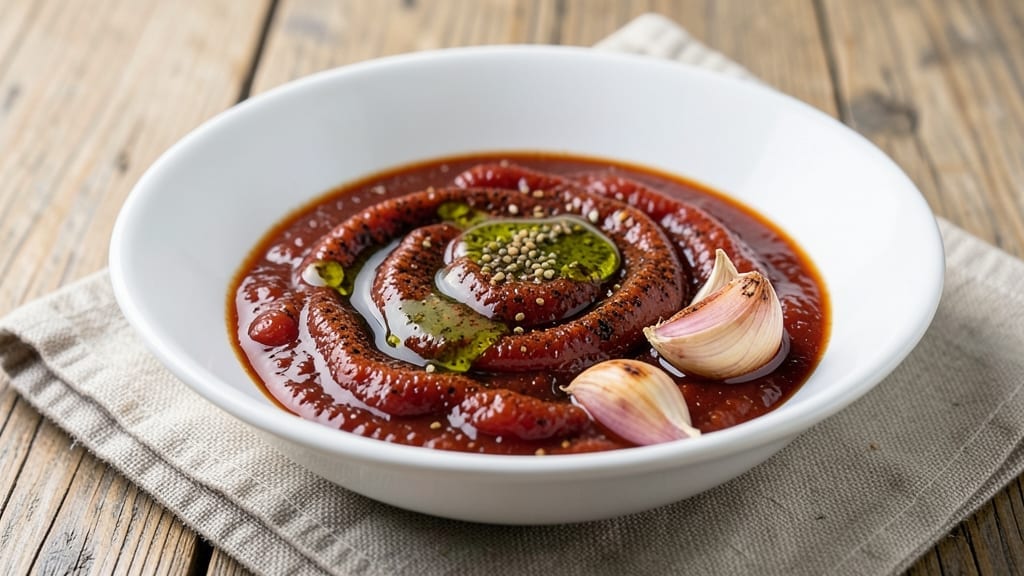
This 321 sauce recipe delivers restaurant-quality depth with its signature smoky tomato base and layered spices that transform any dish. The name comes from the three essential components—tomatoes, spices, and liquid—that create a velvety, aromatic sauce perfect for drizzling, braising, or marinating.
I developed this version after years of testing, balancing sweetness, acidity, and heat for maximum versatility.
The foundation begins with a slow-cooked tomato base that develops intense caramelized flavors, while a blend of ground spices—cumin, coriander, and smoked paprika—adds complexity without overpowering. Unlike many commercial sauces, this recipe builds flavor through proper technique rather than shortcuts, ensuring rich depth in every spoonful.
The result is a sauce that clings beautifully to proteins, vegetables, or grains.
What sets this sauce apart is its adaptability—use it as a marinade for meats, a braising liquid for vegetables, or a finishing drizzle for tacos and bowls. The smoky notes pair exceptionally well with grilled dishes, while the balanced spice profile makes it versatile for both bold and delicate flavors.
Once you try this, store-bought versions won’t compare.
With just a handful of ingredients and 30 minutes of active time (plus simmering), this sauce comes together effortlessly while delivering professional results.
The recipe scales perfectly for meal prep or entertaining, and leftovers keep well in the refrigerator for up to two weeks or can be frozen for longer storage. Let’s get cooking!
Ingredients for 321 sauce
These ten ingredients craft a sauce with restaurant-quality depth and smoky complexity.
| Ingredient | Amount | Notes |
|---|---|---|
| San Marzano Tomato Paste 🍅 | ½ cup | High-quality, no sugar added |
| Extra-Virgin Olive Oil 🫒 | ½ cup | Fruity, peppery variety preferred |
| Red Wine Vinegar 🍷 | ¼ cup | Dry, bold flavor profile |
| Garlic Cloves 🧄 | 6 cloves | Fresh, peeled, minced |
| Ground Cumin 🌿 | 1 ½ tsp | Toasted for enhanced aroma |
| Ground Coriander 🌿 | 1 tsp | Freshly ground preferred |
| Smoked Paprika 🌶️ | 1 ½ tsp | High-quality, not sweet |
| Diamond Crystal Kosher Salt 🧂 | 1 tsp | Fine grain preferred |
| Freshly Ground Black Pepper 🌶️ | ½ tsp | Freshly cracked for best flavor |
| Vegetable Broth 💧 | 1 cup | Low-sodium preferred |
The tomato paste is the heart of this sauce—San Marzano is non-negotiable for its natural sweetness and thick consistency. Whole Foods or Trader Joe’s carry excellent options, but avoid brands with added sugar or preservatives. For the olive oil, California-based brands like Corto or Lucini deliver that peppery kick essential for balance. Toast your cumin and coriander in a dry pan for 30 seconds before measuring—this deepens their flavors exponentially. The smoked paprika should be 100% paprika, not the cheap blends that often contain fillers.
No San Marzano? High-quality crushed tomatoes work in a pinch, but you’ll need to reduce them longer. Substitute red wine vinegar with apple cider vinegar plus a pinch of sugar to mimic the depth. Fresh garlic is ideal, but garlic powder at half the amount suffices if needed. For a smoother sauce, blend after simmering; for texture, leave it slightly chunky. The vegetable broth can be swapped for water plus a bouillon cube, though the flavor will be subtler. Always taste as you go—adjust salt and vinegar to your preference, but remember the spices build in complexity during simmering.
This sauce develops better with time—let it sit at room temperature for 30 minutes before using to allow flavors to meld. In the fridge, it keeps for two weeks in an airtight container, with a thin layer of olive oil on top preserving freshness. Freeze in ice cube trays for single-use portions, then transfer to a bag. The sauce reheats beautifully—simmer gently to avoid skin formation. For meal prep, double the batch; it’s perfect for drizzling over grains, braising proteins, or finishing dishes with professional flair.
Why You’ll Love This Recipe
- Five-Ingredient Magic: I swear, this sauce comes together while you’re waiting for the pasta to boil. No chopping, no peeling, just a quick simmer of San Marzano paste, olive oil, and vinegar—like a flavor bomb with minimal effort.
- Umami Bomb: That cumin and garlic combo? It’s the kind of depth that turns simple meals into stay-up-late-for-another-bowl moments. The vinegar cuts through the richness, leaving you with a bright, complex finish that’s weirdly addictive.
- Weeknight Swiss Army: Drizzle it over eggs, toss it with roasted veggies, or use it as a marinade—this sauce is my secret weapon for when I’m too tired to think. Honestly, I’ve even slathered it on toast when I forgot to make dinner.
- Pantry Goldmine: A jar of this lasts me weeks, and it’s cheaper than takeout. The San Marzano paste alone makes it taste like a restaurant dish, while the olive oil and vinegar stretch every ingredient. Plus, it freezes like a dream for lazy days.
Step-by-step instructions for 321 sauce recipe
This smoky tomato base builds flavor in three distinct stages—each step unlocks deeper complexity.
Bloom the Spices in Olive Oil
Heat the 0.5 cup Extra-Virgin Olive Oil in a medium saucepan over medium-low heat until shimmering but not smoking. Add the 6 cloves Garlic Cloves, 1.5 tsp Ground Cumin, 1 tsp Ground Coriander, and 1.5 tsp Smoked Paprika, stirring constantly for 1-2 minutes. The spices should release their aromas before turning golden—this is where the sauce’s smoky depth begins.
Watch carefully: if the oil darkens too quickly, reduce heat immediately. The goal is to toast the spices gently, not burn them. The cumin and coriander will develop nutty warmth, while the smoked paprika introduces that signature charred aroma. Let the mixture cook until it smells rich and earthy—this is your foundation.
Incorporate Acid and Tomato Paste
Pour in the 0.25 cup Red Wine Vinegar and 0.5 cup San Marzano Tomato Paste, stirring vigorously to combine. The vinegar will create a slight effervescence as it reacts with the hot oil—this is normal. Increase heat to medium and let the mixture simmer for 3-4 minutes, stirring occasionally, until the paste darkens slightly and the raw vinegar tang mellows into brightness.
Here’s the key: the acidity brightens the spices while the tomato paste thickens the base. You’re building a harmony between smoky, sweet, and tangy notes. If the mixture looks too thick, add 1 tablespoon Vegetable Broth now—this ensures smoothness as you proceed.
Develop Depth with Broth and Seasoning
Add the 1 cup Vegetable Broth, scraping up any browned bits from the bottom of the pan—these contain concentrated flavor. Stir in the 1 tsp Diamond Crystal Kosher Salt and 0.5 tsp Freshly Ground Black Pepper, then bring to a gentle simmer. Reduce heat to low and let it cook uncovered for 10-12 minutes, stirring occasionally, until the sauce reduces by about one-third and coats the back of a spoon.
The sauce should now have a velvety texture with a glossy sheen. Taste and adjust seasoning: add more salt if needed, or a splash of vinegar if the acidity has fully integrated. The final consistency should be thick enough to cling to proteins or grains but still fluid enough to drizzle. This is where the 321 concept comes to life—each stage (bloom, acid, broth) builds complexity layer by layer.
Rest and Refine (Optional but Recommended)
For maximum flavor development, transfer the sauce to a clean jar and let it rest at room temperature for 15-20 minutes. This allows the spices to fully infuse and the sauce to thicken slightly. If you’re using it immediately, simply return it to the pan and warm through over low heat for 2-3 minutes, stirring occasionally.
This resting step isn’t just about convenience—it’s about letting the flavors marry. The smoky paprika will mellow, the cumin’s earthiness will deepen, and the vinegar’s brightness will soften into balance. The result is a sauce that’s versatile enough for pasta, meats, or roasted vegetables, with a complexity that belies its simple ingredients.
Pro Tips For Making 321 Sauce
- Bloom the Cumin First: Heat that ground cumin in the olive oil for 30 seconds before adding anything else—just until it smells toasty, not brown. I learned this the hard way after a batch tasted flat; the raw cumin flavor dominates if you skip this step. (Yes, even if you’re impatient like me.)
- Sweat Garlic Low and Slow: Cook the garlic in the oil on medium-low until it’s golden but not crispy—about 5 minutes, stirring often. High heat turns it bitter fast, and you’ll regret that sharp edge in your sauce. Think “honeyed” not “burnt.”
- Deglaze with Vinegar Early: Add the red wine vinegar right after the garlic, while the pan is still hot. Let it bubble for 30 seconds to lift all the browned bits—this builds depth. Skimp here, and your sauce will taste thin and one-dimensional.
- Thin with Water, Not Vinegar: Need to adjust consistency? Use water (or even a splash of broth) to loosen the sauce, not more vinegar. Vinegar’s job is flavor, not texture—adding it later for acidity keeps the balance sharp without making it taste like salad dressing.
Wine and beer pairings for 321 sauce
Red Wine Pairings
A bold Chianti Classico from Tuscany is my go-to pairing—its bright acidity and cherry notes mirror the sauce’s smoky depth while cutting through the richness. Look for a Sangiovese-based wine with 12-14% ABV like Castello di Volpaia or Ruffino Chianti Classico.
The tannins in Chianti also complement the sauce’s earthy spices beautifully. 🍷
White Wine Options
For a lighter approach, try a dry Vermentino from Sardinia—its citrus and mineral notes balance the sauce’s smokiness without overpowering it. I recommend Cantina Mesa or La Giustiniana for their crisp acidity.
A Pinot Grigio from Alto Adige also works, but avoid oaky whites that would clash with the sauce’s vibrant flavors.
Beer Pairings
A Belgian Witbier like Hoegaarden or Stella Artois adds effervescence that cleanses the palate between bites. The coriander and citrus notes in these beers echo the sauce’s spices. For a malty option, try a German Helles Lager—its subtle sweetness contrasts the sauce’s smokiness without competing.
Spiritous Finishes
Drizzle the sauce over grilled meats and finish with a splash of mezcal or bourbon for an adult twist. The caramel notes in bourbon enhance the sauce’s sweetness, while mezcal’s smokiness deepens the flavor profile.
I like adding ½ oz mezcal to the sauce before serving for an extra layer of complexity.
Non-Alcoholic Pairings
For a refreshing non-alcoholic match, serve the sauce with sparkling water infused with cucumber and mint. The crispness balances the sauce’s richness, while the herbs complement its herbal spices. A ginger beer also works—its spicy kick mirrors the cumin and coriander in the sauce. 💧
Nutrition facts
Frequently asked questions
Why is this sauce called “321”?
The name reflects its three essential components: tomatoes (the base), spices (the aromatic core), and liquid (the acid and broth). Each number represents a key stage in building depth—blooming spices, incorporating acid, and developing with broth. This method creates a sauce with layered complexity that’s far more dynamic than simple tomato sauces.
Can I make this sauce without San Marzano tomato paste?
Yes, but expect slightly less sweetness and depth. Use high-quality crushed tomatoes instead—reduce them longer (about 15-20 minutes) to concentrate the flavors. For extra richness, add 1 teaspoon brown sugar to mimic the natural sweetness of San Marzano. The texture will be slightly thinner, so adjust by simmering uncovered until it thickens to your preference.
How spicy is this sauce, and can I adjust the heat?
The base recipe has a mild to medium warmth from smoked paprika and cumin, with no added chili. For heat, stir in ½ teaspoon cayenne pepper or 1 teaspoon hot paprika during the final simmer. Start with less—you can always add more later. The spices develop over time, so taste as you go! For a smoky kick without heat, increase the smoked paprika to 2 teaspoons instead.
What’s the best way to use this sauce if I don’t like tomatoes?
This sauce works beautifully as a spiced olive oil drizzle—simmer it without the tomato paste, then finish with 1 tablespoon honey or maple syrup for balance. Use it to coat grilled vegetables, drizzle over roasted meats, or toss with grains like couscous or farro. The smoky-spiced oil becomes a versatile marinade or finishing sauce. For a completely tomato-free version, replace the paste with ½ cup pureed roasted red peppers instead.
Can I make this sauce in a slow cooker or Instant Pot?
For the Instant Pot, sauté the spices in oil first, then add all ingredients except broth. Seal and cook on High Pressure for 3 minutes, then natural release. Stir in broth and reduce on Sauté mode for 5 minutes to thicken. For a slow cooker, combine everything (including broth) and cook on Low for 4-5 hours, stirring occasionally. The low-and-slow method enhances the smoky depth even more!

- 2 Large Banana Bread Recipe: Double Batch With Moist Crumb and Walnut Streusel - September 30, 2026
- 7 Organ Soup Recipe: Hearty Immune-Boosting Elixir in One Pot - September 30, 2026
- 321 Sauce Recipe: Smoky Tomato Base With Spice-Layered Depth - September 30, 2026