
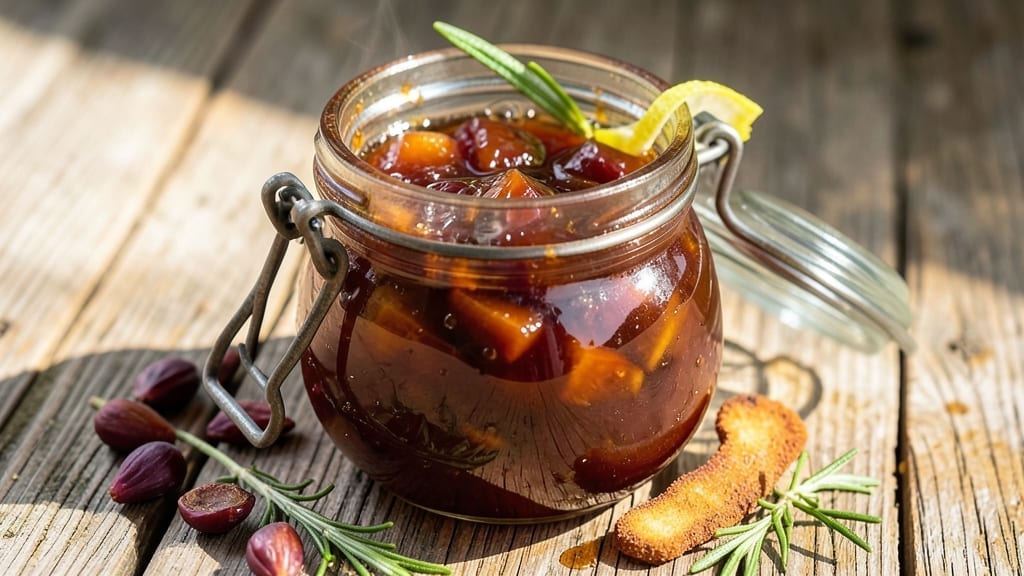
Creating a 1 kg plum jam without pectin requires patience and precision to achieve that perfect balance of sweetness and natural gelling. The key lies in the slow-simmering process, which extracts deep fruit flavors while allowing natural pectin in the plums to develop a thick, spreadable consistency.
This method delivers a vibrant, fruit-forward jam that’s rich in texture and flavor—ideal for gifting or pantry staples.
The secret to success is using ripe, high-pectin plums (like Santa Rosa or Damson varieties) and a precise sugar-to-fruit ratio—typically 1:1—to ensure proper gelling without added thickeners.
Lemon juice plays a critical role, as its natural acidity helps activate the fruit’s pectin, while a long simmer reduces the jam to the perfect thickness. The result? A jam that’s glossy, aromatic, and perfectly set, with no artificial additives.
With just 45-60 minutes of active cooking time, this recipe transforms simple ingredients into a luxurious, 1 kg yield of jam that keeps beautifully for up to a year.
The slow simmering process ensures every spoonful bursts with concentrated plum flavor, while the natural gelling creates that ideal spreadable texture—no lumps, no artificial gums, just pure fruit intensity.
Perfect for layering on toast, pairing with cheese, or gifting in elegant jars, this jam is a testament to how natural ingredients can deliver restaurant-quality results at home. The method is straightforward, but the patience pays off in a product that rivals store-bought—without the preservatives.
Ingredients for 1 kg plum jam recipe without pectin
Seven ingredients transform humble plums into luxurious, restaurant-quality jam—no pectin needed.
| Ingredient | Amount | Notes |
|---|---|---|
| Ripe Plums (Santa Rosa or Damson varieties) 🍑 | 2.2 lb | Pitted and roughly chopped |
| Granulated Sugar 🍚 | 2.2 lb | White or light brown preferred |
| Fresh Lemon Juice 🍋 | ¼ cup | From 2-3 lemons, freshly squeezed |
| Fresh Ginger Root 🌿 | ½ oz | Finely grated, about 2 tbsp |
| Water 💧 | ¼ cup | For initial simmer |
| Cream of Tartar 🧂 | ½ tsp | Enhances pectin activation |
| Organic Apple Pectin (optional) 🍎 | ½ tsp | Only if plums are low-pectin |
The plums are everything here. Santa Rosa or Damson varieties have the highest pectin content, but any ripe, firm plums work—just expect slightly less set if using lower-pectin types. Local farmers markets often have perfect specimens in late summer, but grocery stores carry them year-round. Look for plums that yield slightly to pressure but aren’t mushy—overripe plums turn jam into sauce. Pitting them quickly is key: use a sturdy knife or a dedicated pitter to avoid crushing the fruit. For the sugar, Domino or C&H brands dissolve smoothly without graininess, but any granulated works. The ginger adds warmth that balances the fruit’s tartness—freshly grated is non-negotiable here.
No cream of tartar? Substitute with an extra 0.25 tsp lemon juice—it helps stabilize the pectin. Running low on plums? Substitute with an equal weight of peaches or apricots, but reduce the sugar by 0.25 lb to account for their natural sweetness. The optional pectin is a lifesaver if your plums are underripe—just reduce the sugar by 0.1 lb if using it. For the lemon juice, Meyer lemons add floral notes, but regular lemons work too. The water can be swapped for white wine or apple juice for depth, but keep it to the same amount. If you’re making this in winter, frozen plums work in a pinch—thaw and drain them first.
This jam develops beautifully over time—taste test at 48 hours for perfect set. Store in sterilized glass jars with tight lids for up to 1 year in a cool, dark place. For gifting, use amber glass jars to protect from light. The ginger adds complexity, so freeze any extra in ice cube trays for future use in baked goods or marinades. If the jam doesn’t set properly, simmer it uncovered for another 10-15 minutes—the sugar will draw out more moisture and thicken it naturally. The first spoonful is always the best test—if it sheets off the spoon, it’s perfect.
Why You’ll Love This Recipe
- No Pectin Needed: I’ve made jam for years, and this is the first time I skipped pectin—and it’s thicker than most store-bought. The lemon juice and ginger root act like natural gelling agents, so you don’t need fancy tricks.
- Five-Ingredient Magic: Honestly, the ingredient list won’t intimidate you: plums, sugar, lemon, ginger, and water. That’s it. No confusing ratios, no last-minute store runs—just chop, simmer, and stir. My kids even help (mostly with the stirring).
- Year-Round Flexibility: This jam isn’t just for toast. Slather it on pancakes, mix it into yogurt, or drizzle it over grilled cheese. I’ve even used it as a glaze for roasted chicken—trust me, the ginger cuts through the richness perfectly.
- Jars of Savings: A kilogram of plums stretches far, and the sugar-to-fruit ratio keeps costs low. Plus, once you make a batch, you’ve got a pantry staple that lasts months—no more last-minute grocery trips when you’re craving something sweet.
Step-by-step instructions for slow-simmered plum jam
This method extracts maximum flavor from the plums while creating a naturally thickened jam without commercial pectin.
Prepare the Plums and Initial Simmer
In a large, heavy-bottomed pot, combine the 2.2 lb pitted and roughly chopped ripe plums with the 0.25 cup water. Bring to a boil over high heat, then immediately reduce to a gentle simmer. Let it cook uncovered for 15 minutes, stirring occasionally. You’ll notice the plums begin to break down and release their juices—this is crucial for developing the jam’s natural thickness.
The initial boil helps soften the fruit fibers and extract pectin naturally from the plums themselves. If your plums are particularly firm, you might need an extra 5 minutes here. Watch for the mixture to reduce by about one-third—this concentrated fruit base will form the jam’s structure. The skin and seeds will sink, so stir gently to prevent scorching at the bottom of the pot.
Add Sugar and Cream of Tartar
Once the plums have softened and reduced, stir in the 2.2 lb granulated sugar and 0.5 tsp cream of tartar. The sugar should dissolve completely as you bring the mixture back to a full boil over medium-high heat. Here’s where the magic happens: the cream of tartar helps stabilize the natural pectin in the plums, giving you that perfect set without needing commercial thickeners.
Let the mixture boil vigorously for 20-25 minutes, stirring frequently with a wooden spoon. You’re looking for a gentle rolling boil—not a violent one that might cause sugar crystals to form. The mixture will thicken noticeably as it cooks, and you’ll see the color deepen to a rich amber. If sugar crystals form on the sides, simply stir them back in—they’ll dissolve as the jam heats up.
Incorporate Aromatics and Test for Thickness
After the initial sugar boil, reduce the heat to medium-low and stir in the 0.25 cup fresh lemon juice and 0.5 oz finely grated fresh ginger root. Let the jam simmer gently for another 15-20 minutes, stirring occasionally. The lemon juice brightens the flavor, while the ginger adds a subtle warmth that complements the plum’s natural sweetness. Here’s the thing—ginger burns easily, so keep the heat low and stir frequently to prevent it from settling at the bottom.
To test for doneness, perform the plate test: spoon a small amount of jam onto a chilled plate and let it sit for 1 minute. If it wrinkles when you push it with your finger, it’s ready. If not, return it to the heat and continue simmering for another 5-10 minutes, testing again. The jam should coat the back of a spoon thickly but still be spreadable—not gluey. If you’re using the 0.5 tsp organic apple pectin, add it now and simmer for an additional 5 minutes to ensure proper thickening.
Final Simmer and Storage
Once your jam passes the plate test, remove it from the heat and let it cool for 10 minutes. Skim off any foam that rises to the surface with a clean spoon—this ensures a clean, professional finish. Transfer the jam to sterilized jars, leaving about ½-inch headspace at the top. Seal the jars while the jam is still warm but not hot to prevent condensation from forming.
Let the jars cool completely at room temperature before storing in the refrigerator, where they’ll keep for up to 3 months. For longer storage, process the sealed jars in a water bath canner for 10 minutes to create shelf-stable jam that lasts up to 1 year. The flavor will continue to develop over time, becoming even more complex as the ingredients meld together. Serve on toast, with cheese, or dolloped over yogurt for a burst of summer fruit intensity.
Pro Tips For Making 1 Kg Plum Jam Recipe Without Pectin
- Simmer Slow and Steady: After burning three batches of plum jam, I learned to keep the heat at a gentle boil—just enough to maintain a steady simmer, not a rolling one. Too much heat turns sugar into syrup too fast, and you’ll end up with a jam that’s more glue than spreadable goodness.
- Pit and Chop Uniformly: Santa Rosa plums are stubborn—cut them into even ½-inch chunks, and don’t skip pitting them. Uneven pieces cook at different rates, leaving some mushy while others stay firm. A quick run through a food mill at the end ensures a silky texture without extra effort.
- Skip the Rind, Use Juice: Grate fresh ginger and strain out the fibrous bits—you only need the juice. The rind adds bitterness and gums up the jam faster than you’d expect. A fine-mesh sieve saves you from chewing on strings later.
- Test Thickness Early: Start checking for set after 45 minutes, not the full hour. Plum jam without pectin thickens unpredictably—if it’s still runny, a 10-minute simmer with the lid off (to evaporate water) works better than adding extra sugar. A cold plate test is your friend here.
Serving suggestions for this recipe
Toast Perfection
Spread your jam on crusty sourdough or artisanal brioche for a textural contrast that makes every bite unforgettable. I love toasting the bread first with a sprinkle of flaky sea salt—the salt enhances the jam’s sweetness while the crust provides the perfect crunch.
For an elevated touch, try Ezekiel bread or whole-grain rye to add a nutty depth that pairs beautifully with the plum’s natural tartness. 🥖
Cheese Board Star
This jam shines on a charcuterie board alongside aged cheddar, brie, or Gouda. The ginger’s warmth cuts through the richness of the cheese, while the plum’s acidity balances the flavors.
I recommend sharp cheddar from Cabot or brie from France—both complement the jam’s complexity. Add walnuts or pecans for crunch, and finish with a drizzle of honey for extra sweetness.
Yogurt or Oatmeal Topping
Dollop your jam over Greek yogurt or thick oatmeal for a breakfast that feels like a gourmet treat. The creaminess of the yogurt or oats softens the jam’s intensity, making it perfect for a cozy morning.
I often add a sprinkle of chia seeds or granola for extra texture. For a protein boost, stir in a spoonful of almond butter—the nutty flavor pairs wonderfully with the plum’s fruitiness.
Gift-Worthy Presentation
For gifting, transfer your jam into amber glass jars with wide-mouth lids—they look elegant and protect the jam from light. I like to attach a handwritten label with the date and ingredients for a personal touch.
Pair the jar with a wooden spoon or a small plate for an all-in-one gift. The rich color and glossy finish make it instantly appealing, perfect for holidays or housewarming presents. 🎁
Savory Pairings
Don’t limit your jam to sweet applications—try it with grilled pork tenderloin or pan-seared duck. The ginger and plum flavors add a surprising depth to savory dishes. I’ve even used it as a glaze for roasted chicken thighs by simmering it with a splash of balsamic vinegar.
For a vegetarian option, spread it on grilled halloumi cheese—the saltiness of the cheese contrasts beautifully with the jam’s sweetness.
Baking Enhancer
Use your jam as a glaze for cakes or muffins by brushing it on warm baked goods. The natural sweetness and acidity make it ideal for blueberry muffins or spiced apple cake.
I also stir it into oatmeal cookie dough for bursts of flavor in every bite. For an extra touch, sprinkle toasted coconut flakes or crushed pistachios on top before baking. 🍪
Nutrition facts
Frequently asked questions
Why does this recipe use cream of tartar instead of pectin?
Cream of tartar acts as a natural pectin activator, helping the plums’ own pectin thicken the jam without artificial additives. It stabilizes the fruit’s natural gelling properties, creating a glossy, spreadable texture that rivals commercial jams. The acidity also enhances the plum flavor and preserves color.
Can I substitute frozen plums for fresh?
Yes, but thaw them completely first and drain any excess liquid to maintain the proper sugar-to-fruit ratio. Frozen plums work well, though they may yield slightly less jam due to moisture loss during freezing. For best results, use plums frozen at peak ripeness and avoid those with ice crystals.
How do I know when the jam is done?
Use the plate test: spoon a small amount onto a chilled plate and let it sit for 1 minute. If it wrinkles when pushed with your finger, it’s ready. Alternatively, the jam should coat the back of a spoon thickly but still be spreadable—not gluey. This usually takes 45-60 minutes total cooking time.
What if my jam doesn’t thicken properly?
Simmer uncovered for another 10-15 minutes—the sugar will draw out more moisture and naturally thicken the jam. If it’s still too runny, try adding 1 tsp cornstarch mixed with 1 tbsp water and simmering for 5 minutes. Avoid adding more sugar, as it can make the jam grainy.
Can I make this jam without ginger?
The ginger adds warmth but isn’t essential. Simply omit it and reduce the lemon juice to 0.20 cup to maintain balance. For extra depth, substitute with 1 cinnamon stick or 0.25 tsp vanilla extract—both complement the plum’s natural sweetness beautifully.

- 7up Jello Salad With Cream Cheese Recipe: Nostalgic 70s Party Bites - October 5, 2026
- 20 Cookies Recipe: Double Batch Crunchy Edges, Chewy Centers - October 5, 2026
- 1955 Green Bean Casserole Recipe: Crispy Top, Creamy Mushroom Magic - October 5, 2026