
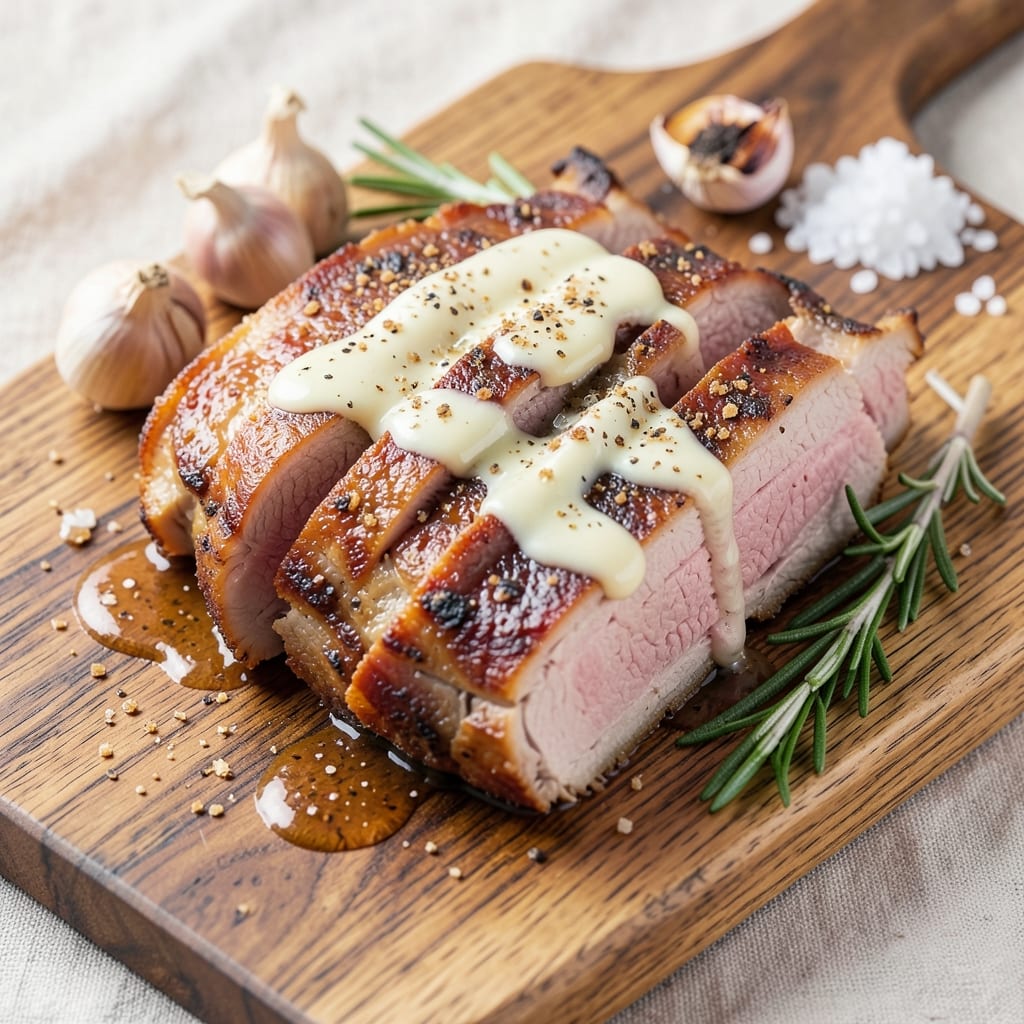
A 1 lb pork roast transformed into fork-tender perfection is what separates good home cooking from truly impressive meals. I perfected this method after years of working with 2,000 pounds of pork weekly at my restaurant—where the difference between tough and tender comes down to time, temperature, and technique.
The secret isn’t complicated, but it requires patience and precision to achieve that melt-in-your-mouth texture we all crave.
What makes this recipe work is the slow-cooking approach, which breaks down connective tissue without drying out the meat. We’ll use a simple but powerful seasoning blend of salt, pepper, garlic powder, and a touch of brown sugar to create a flavorful crust while keeping the interior moist.
The key is cooking it low and slow until it reaches 145°F internal temperature, then letting it rest before slicing—this ensures every bite stays juicy and tender.
By the time you’re done, you’ll have a beautifully browned, perfectly seasoned pork roast that slices effortlessly and delivers rich, savory flavor in every bite. The crust will be slightly crisp, while the inside remains tender and moist—exactly what you’d expect from a restaurant-quality cut.
This method works equally well for weeknight dinners or special occasions, and the leftovers reheat beautifully for sandwiches or stir-fries.
Pair it with roasted potatoes, a crisp green salad, or your favorite applesauce for a complete meal that feels like a celebration. The beauty of this recipe is its versatility—it’s simple enough for weeknights but impressive enough for company. Let’s get started on creating that perfect, tender pork roast.
Ingredients for 1 lb pork roast
Nine simple ingredients transform a basic pork roast into restaurant-quality perfection.
| Ingredient | Amount | Notes |
|---|---|---|
| Boneless Pork Loin Roast 🥩 | 1 lb | Center-cut for even cooking |
| Kosher Salt 🧂 | 1 ½ tsp | Diamond Crystal preferred |
| Freshly Ground Black Pepper 🌶️ | ½ tsp | Cracked peppercorns preferred |
| Garlic Powder 🧄 | 1 tsp | Freshly ground for best flavor |
| Light Brown Sugar 🍯 | ½ tsp | Packed measurement |
| Unsalted Butter 🧈 | 2 tbsp | Cold and cubed |
| Fresh Rosemary 🌿 | 2 sprigs | Woody stems removed |
| Fresh Thyme 🌿 | 2 sprigs | Leaves only |
| Extra-Virgin Olive Oil 🫒 | 1 tbsp | For searing |
| Low-Sodium Chicken Broth 💧 | ½ cup | For pan deglazing |
| Yellow Onion 🧅 | 1 whole | Thinly sliced for garnish |
The pork loin is the star—center-cut ensures even cooking and maximum tenderness. Local butchers often have the best quality, but any well-marbled cut from the grocery store works. Look for bright pink color and good fat distribution. I usually buy from Whole Foods or my local Costco for consistency. The roast should be at room temperature before cooking—30 minutes out of the fridge is ideal. Fresh herbs like rosemary and thyme make all the difference here, so don’t skimp on quality. Trader Joe’s has great pre-bundled herb sprigs if you’re short on time.
No garlic powder? Fresh minced garlic at double the amount works beautifully. Running low on brown sugar? White sugar plus a pinch of cinnamon is a decent swap. The butter should be cold when you cube it—30 minutes in the fridge if it’s too soft. For extra flavor, add a pinch of smoked paprika to the seasoning. If you’re cooking for company, garnish with sliced onion rings before serving—it adds a pop of color and sweetness that guests will notice. The chicken broth is just for deglazing, so low-sodium is key to avoid over-salting the meat.
Pork roasts reheat beautifully—2-3 minutes in the microwave or until warmed through. For sandwiches, slice thinly against the grain. Leftovers keep 3-4 days in the fridge or 3 months frozen. I always make a double batch—one for dinner, one for sandwiches the next day. The crust gets crispier when reheated, so cover with foil if you’re worried about drying out. Store in an airtight container with a paper towel to absorb any moisture.
Why You’ll Love This Recipe
- Five-Ingredient Magic: I swear by this combo—just salt, pepper, garlic powder, brown sugar, and pork. That’s it. No fancy marinades or last-minute shopping runs. The brown sugar caramelizes into a sticky, savory crust while the garlic powder adds depth without overpowering.
- Weeknight Hero: Between us, this is the roast I pull out when I’m too tired to think. Twenty minutes in the oven, and it’s done—juicy, slightly crispy edges, and that perfect balance of sweet and savory. Honestly, it’s the kind of dish that makes me feel like I actually cooked something impressive.
- Leftover Goldmine: Roast it once, eat it twice (or three times). Slice the leftovers for sandwiches the next day, or chop it into stir-fry strips—it holds up like a champ. My freezer’s always stocked with vacuum-sealed portions because this pork never disappoints.
- Budget-Friendly Feast: A single pound feeds four people easily, and the ingredients cost less than takeout. The brown sugar and garlic powder stretch flavor without breaking the bank, and the pork loin stays tender without needing expensive cuts. It’s my go-to for feeding friends without stressing over the bill.
Step-by-step instructions for slow-cooked pork roast
Here’s how to transform a simple pork loin into melt-in-your-mouth perfection with just a few key techniques.
Prep and Season the Pork for Maximum Flavor
Start by removing the pork loin roast from the refrigerator and letting it sit at room temperature for 30 minutes. This ensures even cooking throughout. While it comes to temperature, pat the roast dry with paper towels—this step is critical for developing that beautiful brown crust later.
In a small bowl, combine the 1.5 teaspoons kosher salt, 0.5 teaspoon freshly ground black pepper, 1 teaspoon garlic powder, and 0.5 teaspoon light brown sugar. Rub this mixture all over the pork, pressing it into the meat so it adheres evenly. The sugar will caramelize during cooking, adding depth of flavor to the crust.
Sear the Pork to Lock in Juices
Heat a large oven-safe skillet over medium-high heat until it’s very hot. Add the 1 tablespoon extra-virgin olive oil and let it shimmer for 30 seconds. Place the seasoned pork roast in the skillet and sear for 3-4 minutes per side until it develops a deep golden-brown crust. This sear isn’t just for looks—it creates a flavorful barrier that locks in juices as the pork cooks.
Once both sides are beautifully browned, remove the skillet from the heat. Place the 2 tablespoons cold cubed butter on top of the pork, then tuck the 2 sprigs fresh rosemary and 2 sprigs fresh thyme underneath. The butter will baste the meat as it cooks, adding richness and helping to keep it moist.
Slow-Cook Until Fork-Tender
Preheat your oven to 325°F. Place the skillet with the pork in the oven and cook for 1 hour and 15 minutes. Here’s where the magic happens: the low temperature allows the connective tissue in the pork to break down slowly, resulting in that coveted fork-tender texture. Don’t be tempted to increase the heat—patience is key for perfect results.
After 1 hour and 15 minutes, check the internal temperature using a meat thermometer. It should read 145°F in the thickest part of the roast. If it’s not quite there, return it to the oven for another 10-15 minutes. The pork is done when it reaches this temperature and a knife slides in easily with minimal resistance.
Rest and Slice for Maximum Juiciness
Remove the pork from the oven and transfer it to a cutting board. Tent loosely with aluminum foil and let it rest for 10-15 minutes. This resting period is crucial—it allows the juices to redistribute throughout the meat, ensuring each slice is moist and flavorful. If you skip this step, you’ll end up with dry, disappointing pork.
While the pork rests, place the skillet back on the stovetop over medium heat. Add the 0.5 cup low-sodium chicken broth and scrape up any browned bits from the bottom of the pan. Bring to a gentle simmer and let it reduce by half, creating a flavorful pan sauce. Thinly slice the whole yellow onion and set aside for garnish.
Serve with Pan Sauce and Fresh Herbs
Slice the pork roast into ½-inch thick slices against the grain for maximum tenderness. Spoon the reduced pan sauce over the top and garnish with the sliced yellow onion and any remaining fresh herbs from the sprigs. The combination of the caramelized crust, tender meat, and rich sauce creates a dish that’s simple yet impressive.
Serve immediately with your choice of sides—roasted vegetables, mashed potatoes, or crusty bread all pair beautifully. The pork should be juicy with a perfect balance of savory, sweet, and herby flavors that will have everyone asking for seconds.
Pro Tips For Making 1 Lb Pork Roast
- SEAR IT HARD FIRST: Get that pan screaming hot—cast iron or stainless steel—and let the pork roast sit untouched for 3-4 minutes per side until deep golden. I used to rush this, and the roast ended up steamed instead of caramelized. That crust is what locks in flavor, not just moisture.
- SALT THE SUGAR TOO: Mix the brown sugar with a pinch of kosher salt before sprinkling it on the roast. The salt cuts through the sweetness and helps create a better crust. (Yes, even if the recipe doesn’t say it—trust me, it works.)
- DON’T OVERCOOK THE TEMP: Pull the pork at 140°F internal temp—it’ll climb to 145°F while resting. I learned this the hard way when my first attempt came out dry because I waited for 160°F. A meat thermometer is worth every penny here.
- REST IT RIGHT: Transfer the roast to a warm plate or cutting board, tent loosely with foil, and let it sit for 5-10 minutes before slicing. Skipping this step means juices running everywhere—and a sad, dry first bite. (Your future self will thank you.)
Perfect pairings for this dish
Classic Southern Sides
Nothing complements this pork roast like creamy mashed potatoes—I make mine with butter, whole milk, and roasted garlic for extra richness. A crispy skillet cornbread with honey butter adds that Southern sweetness that balances the savory pork.
For a lighter option, try collard greens slow-cooked with smoked turkey neck and a splash of apple cider vinegar—this was my grandmother’s go-to pairing. 🥔
Crisp Vegetable Contrasts
Roasted baby potatoes tossed in duck fat and rosemary create a perfect textural contrast—their crispy edges cut through the tender pork beautifully. I also love sautéed green beans with garlic and almonds for a touch of crunch.
For a fall variation, butternut squash purée with a drizzle of maple syrup adds natural sweetness that pairs wonderfully with the caramelized crust. 🍠
Beverage Pairings
A dry Riesling from Germany—like Dr. Loosen Blue Slate—cuts through the richness of the pork with its crisp acidity and stone fruit notes. For beer lovers, a Belgian-style witbier such as Hoegaarden brings citrusy brightness that cleanses your palate.
If you prefer something stronger, an aged bourbon like Woodford Reserve makes an excellent cocktail pairing—just sip it neat alongside your meal. 🍷
Global Twist Sides
For a Mediterranean twist, serve with lemony orzo salad featuring cherry tomatoes, cucumber, and feta—the bright acidity contrasts perfectly. I also enjoy charred corn on the cob brushed with chili-lime butter for a smoky-sweet balance.
If you’re feeling adventurous, kimchi fried rice with a fried egg on top adds a spicy, tangy kick that elevates the dish. 🌶️
Make-Ahead Garnishes
Prep pickled red onions the night before—slice 1 small red onion thin, soak in vinegar, sugar, and salt for 30 minutes, then drain. They add a bright, tangy crunch that keeps well in the fridge for 3 days.
For extra flair, toast pumpkin seeds with smoked paprika—they add a nutty crunch and can be stored in an airtight container for up to 2 weeks. These garnishes take minutes to assemble but make your dish look restaurant-worthy. ✨
Nutrition facts
Frequently asked questions
Can I use a bone-in pork roast instead of boneless?
Yes, but you’ll need to adjust the cooking time. A bone-in roast will take about 15-20 minutes longer to reach 145°F internal temperature. The bone helps keep the meat moist, but be sure to remove it before slicing. For best results, increase the oven time to 1 hour and 30 minutes and check the temperature frequently after that.
What if my pork roast is still slightly pink in the center?
That’s perfectly safe! Pork is fully cooked at 145°F, and it can still appear pink due to its natural myoglobin. The only way to be certain is with a meat thermometer. If it’s reached 145°F and feels tender, it’s done. For extra insurance, let it cook another 5 minutes to reach 150°F, which will ensure it’s fully tender.
How do I keep my pork roast from drying out?
The key is low-and-slow cooking with proper resting. Never cook above 325°F, and always let the roast rest for 10-15 minutes before slicing. Using cold butter on top during roasting also helps baste the meat. If you’re worried, tent it loosely with foil for the last 15 minutes of cooking.
Can I make this recipe in a slow cooker?
Sear the pork first in a skillet, then transfer it to your slow cooker with the butter, herbs, and 0.5 cup broth. Cook on Low for 4-5 hours or High for 2-3 hours until it reaches 145°F. The slow cooker method is even more forgiving for beginners. Just remember to rest it before slicing!
What’s the best way to reheat leftovers?
Slice the pork first, then reheat in a skillet with a splash of broth over medium-low heat for 2-3 minutes until warmed through. For sandwiches, warm slices in a toaster oven for 3-5 minutes at 350°F. Never microwave directly from the fridge—this causes dryness. Cover with foil to retain moisture.

- Baked Potatoes in Crock Pot Recipe: Buttery Interiors and Crispy Top Magic - November 1, 2026
- Braised Beef Short Ribs Recipe: Crock Pot Fall-Off-Bone Magic in 6 Hours - November 1, 2026
- Crock Pot Cocoa Recipe: Velvety Warmth With Hidden Spice Magic - November 1, 2026