
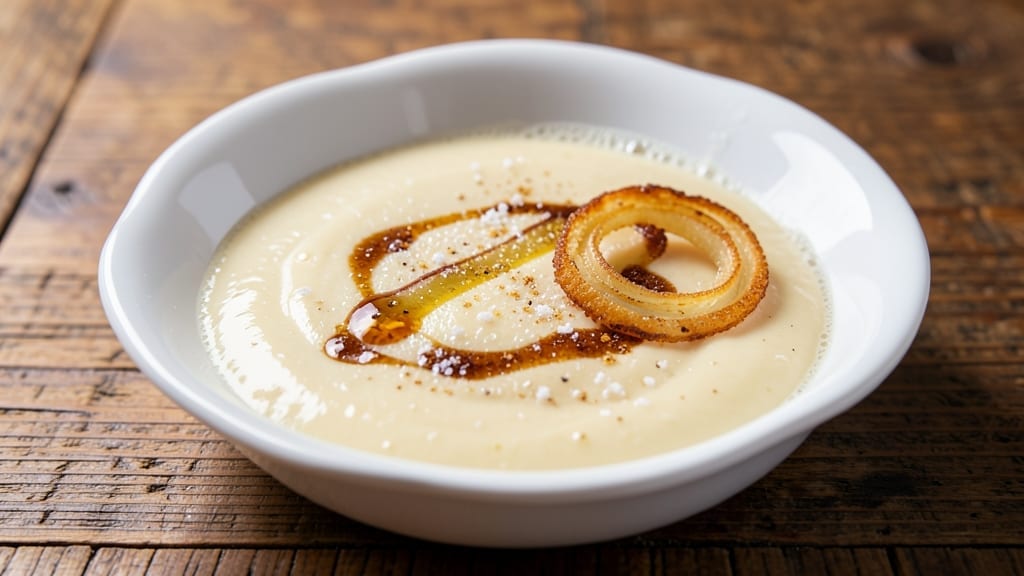
Mastering a 1-pint béchamel sauce transforms simple dishes into restaurant-quality creations—especially mac and cheese. This velvety, roux-based sauce builds flavor layer by layer, starting with equal parts butter and flour cooked until golden.
The secret lies in whisking constantly to prevent lumps while gradually adding warm milk for a silky texture. No special skills required, just patience and attention to detail.
This recipe delivers 16 ounces of smooth, creamy sauce using just five core ingredients: unsalted butter, all-purpose flour, whole milk, salt, and a pinch of white pepper. The process begins with a classic roux—cooking butter and flour until nutty brown—before whisking in milk in a slow, controlled stream.
For extra depth, optional ingredients like garlic powder or nutmeg can elevate the flavor without complicating the technique.
The result is a silky, lump-free sauce with a rich, velvety mouthfeel that coats every bite. Perfect for mac and cheese, lasagna, or as a base for creamy soups, this béchamel sauce forms the foundation of countless comfort dishes.
The key is maintaining a gentle simmer until the sauce thickens to your desired consistency—no thin spots, no graininess, just pure, velvety perfection.
Once mastered, this sauce becomes a versatile kitchen staple that can be customized with cheese, herbs, or even a splash of cream. Store leftovers in the fridge for up to 5 days or freeze for longer use. Let’s get started on creating your foolproof béchamel.
Ingredients for 1 pint bechamel sauce
Five core ingredients transform into 16 ounces of velvety perfection—foundation for countless creamy dishes.
| Ingredient | Amount | Notes |
|---|---|---|
| Unsalted Butter 🧈 | 4 oz | Cold, cubed for even cooking |
| All-Purpose Flour 🌾 | 4 tbsp | Sifted for smooth texture |
| Whole Milk 🥛 | 1 cup | Room temperature preferred |
| Diamond Crystal Kosher Salt 🧂 | ¼ tsp | Adjust to taste |
| Freshly Ground White Pepper 🌶️ | ⅛ tsp | For subtle depth |
| Garlic Powder 🧄 | ¼ tsp | Optional for depth |
| Ground Nutmeg 🌿 | ⅛ tsp | Optional finishing touch |
The butter and flour ratio is non-negotiable—equal parts by weight—European-style unsalted butter yields the richest results. For flour, King Arthur or Bob’s Red Mill brands are ideal due to their fine texture. Store your butter in the fridge (not the door) to maintain consistency. The flour should be stored in an airtight container in a cool, dark place—never the fridge, as moisture is the enemy of smooth sauces. For the milk, whole milk provides the creamiest texture, but 2% works in a pinch if that’s what you have on hand.
No Diamond Crystal salt? Morton kosher salt works at a 1:1 ratio, but taste as you go—brands vary in saltiness. Freshly ground pepper is essential; pre-ground loses potency quickly. For the optional garlic powder, Simply Organic or McCormick are reliable brands. Substituting milk? Evaporated milk (diluted 1:1 with water) mimics the richness better than almond milk. The nutmeg should be freshly grated if possible—pre-ground loses its aromatic oils within weeks.
This sauce thickens as it cools, so remove from heat just before it reaches your desired consistency. For immediate use, whisk in 1-2 tsp cold milk to thin. Store in an airtight container in the fridge for up to 5 days, or freeze for 3 months. The sauce can be reheated gently on the stove or in the microwave—never boil, as it will break. For best results, reheat with a splash of milk to restore creaminess.
Why You’ll Love This Recipe
- Here’s what sold me: the way the butter’s richness meets the milk’s warmth, then gets balanced by just a pinch of salt and a whisper of pepper. No garlic, no herbs—just pure, creamy satisfaction that makes mac and cheese or lasagna taste like a restaurant dish. (Yes, even on a Tuesday night.)
- I’ll be real: I always make extra. This sauce reheats like a dream—no lumps, no weird textures—so I freeze half for when I’m too tired to cook. A splash of milk thaws it out smooth, and suddenly you’ve got a 10-minute dinner. Budget-friendly? Absolutely. Lazy-friendly? Even more so.
Step-by-step instructions for velvety bechamel sauce
Master this foundational sauce with precise technique and professional results.
Melt Butter Over Medium Heat
Place a medium saucepan over medium heat and add the 4 oz unsalted butter, cubed. Allow it to melt completely, stirring occasionally with a wooden spoon. The butter should foam gently but not brown—this ensures a clean, rich flavor without bitterness. I like to watch for the foam to subside slightly before moving forward, as this indicates the butter is fully incorporated and ready for the next step.
This initial melting creates an even fat base that will properly emulsify with the flour later. If you notice any browned bits forming, immediately reduce the heat to low and stir more gently until they dissolve. The goal is a smooth, uniform liquid without any cooked particles.
Whisk in Flour to Form a Roux
Reduce the heat to low-medium and gradually whisk in the 4 tbsp all-purpose flour over 1-2 minutes. Be patient—adding the flour too quickly creates lumps that are nearly impossible to eliminate later. Use a wire whisk for precision, ensuring every grain of flour is fully incorporated into the butter.
Continue whisking for 2-3 minutes until the mixture forms a smooth, pale yellow paste called a roux. This step is critical—the roux forms the structural backbone of your sauce. You’ll know it’s ready when it coats the back of your spoon evenly without any gritty texture. If it begins to darken, reduce the heat immediately to prevent burning.
Gradually Add Milk for Emulsification
Slowly pour in the 1 cup whole milk while whisking constantly. Add it in a thin, steady stream—about ¼ cup at a time
After each addition, whisk for 30-45 seconds until the mixture thickens slightly before adding more. This gradual process allows the starch in the flour to fully hydrate and create a stable emulsion. The sauce should begin to thicken noticeably after about ½ cup of milk has been incorporated, forming a creamy consistency. Once all the milk is incorporated, increase heat to medium-low and continue cooking, stirring constantly with a wooden spoon. The sauce will bubble gently as it thickens. This simmering process typically takes 5-7 minutes, but watch closely—the moment the sauce reaches a velvety consistency that coats the back of your spoon is when it’s ready. You’ll know it’s perfect when it thickens to a pudding-like consistency that leaves a clear path when you run your finger through it. If it thickens too quickly, immediately whisk in 1-2 tablespoons of milk to adjust the texture. The sauce should be smooth without any lumps, with a glossy sheen that indicates proper emulsification. Remove the sauce from heat and immediately stir in the 0.25 tsp diamond crystal kosher salt, 0.125 tsp freshly ground white pepper, 0.25 tsp garlic powder, and 0.125 tsp ground nutmeg. The salt should be added first to dissolve completely, followed by the other seasonings. Taste the sauce and adjust the salt if needed—this is your only chance to correct seasoning before the sauce thickens further upon cooling. For an extra layer of depth, I recommend finishing with a pinch of freshly grated nutmeg just before serving. This sauce should be used immediately for best results, as it continues to thicken slightly as it cools. The final texture should be luxuriously smooth with a subtle nutmeg aroma that enhances any dish it accompanies.Simmer Until Thick and Smooth
Season and Finish with Aromatics
Pro Tips For Making 1 Pint Bechamel Sauce
- Whisk Like You Mean It: The first 2 minutes after adding flour are where magic happens—or lumps form. Use a wire whisk and move your wrist in fast, small circles, not lazy figure-eights. I learned this the hard way when my sauce turned into a gluey mess because I was too busy scrolling my phone.
- Melt Butter Slowly: Don’t just toss in the butter and walk away. Melt it over medium-low heat, stirring constantly, until the foam subsides and it’s just starting to bubble. If you rush this, you’ll end up with a greasy, uneven roux that won’t thicken properly—and trust me, you’ll taste the difference.
- Temper the Milk: Warm your milk to about 160°F (70°C) before adding it to the roux. Cold milk shocks the sauce and can cause it to break. I used to just dump in room-temp milk, and my bechamel would either curdle or turn grainy. A quick thermometer check saves you from scraping the pot later.
- Salt in Stages: Add half the salt with the butter and the rest after the sauce has thickened. This prevents over-salting if you’re using salty cheese later (looking at you, gratin recipes). My grandmother swore by this, and she was right: you can always add more salt, but you can’t undo it.
Best sauces and condiments for these flavors
Cheese Sauce Fusion
Transform your béchamel into a mac and cheese dream by whisking in 1 cup shredded sharp cheddar and ½ cup grated Gruyère during the final simmer.
For extra richness, add 2 tbsp heavy cream at the end. This version clings perfectly to elbow macaroni and melts into a gooey blanket. 🧀
Herb-Infused Variations
Brighten your sauce with fresh herbs like 1 tbsp chopped chives or ½ tsp dried thyme for a French-inspired twist. For Italian flair, stir in 1 tsp dried basil and a pinch of red pepper flakes. Always add herbs after removing from heat to preserve their vibrant flavors.
Creamy Mushroom Twist
Sauté ½ cup finely chopped cremini mushrooms in 1 tbsp butter> until golden before adding your flour. This adds an earthy depth that pairs beautifully with chicken pot pie or creamy risotto. The mushrooms release their moisture as they cook, helping thicken the sauce naturally.
Spicy Kick Options
Add ½ tsp smoked paprika or ¼ tsp cayenne pepper for warmth. For a smoky depth, stir in ½ tsp chipotle powder> during the final seasoning. These additions work especially well with baked potatoes or as a dipping sauce for crusty bread.
Vegetable-Inspired Adaptations
Blend in ¼ cup puréed butternut squash> or 2 tbsp tomato paste> for a subtle sweetness or tang. These variations create stunning color contrasts while adding nutritional depth. The squash version works wonderfully with roasted vegetables, while tomato-infused béchamel complements meatball subs.
Storage and Reheating
Store leftovers in an airtight container in the fridge for up to 5 days>. To reheat, gently warm on the stovetop over low heat> with a splash of milk to restore creaminess.
For freezer storage, cool completely before transferring to a freezer-safe bag for up to 3 months**>. Thaw overnight in the fridge before reheating.
Nutrition facts
Frequently asked questions
Can I use a different type of milk for this recipe?
Whole milk is ideal for its rich, creamy texture, but you can substitute 2% milk in a pinch. For lighter sauces, 1% or skim milk works, though the result will be slightly less velvety. Avoid plant-based milks like almond or oat—they lack the fat content needed for proper emulsification and can create a grainy texture.
What if my béchamel sauce gets lumpy?
Lumps happen when milk is added too quickly or not whisked enough. Immediately remove from heat and vigorously whisk in 1-2 tablespoons of cold milk to break up lumps. For stubborn lumps, press a fine-mesh sieve over a bowl and gently pour the sauce through it. The sauce should smooth out completely with proper technique—patience is key!
How do I adjust the consistency if it’s too thick or too thin?
For a thicker sauce, simmer uncovered for 1-2 minutes to evaporate excess moisture. If too thin, whisk in 1 teaspoon of cornstarch mixed with 1 tablespoon cold water until smooth, then return to low heat for 30 seconds. Never boil the sauce—this can cause separation or break the emulsion.
Can I make this sauce ahead of time?
Yes! Prepare the sauce up to 2 days in advance and store in an airtight container in the fridge. When reheating, warm over low heat with a splash of milk to restore creaminess. For freezing, cool completely first, then transfer to a freezer-safe bag for up to 3 months. Thaw overnight in the fridge before reheating.
What are the best dishes to use this béchamel sauce for?
This versatile sauce elevates classic dishes like mac and cheese, lasagna, and creamy soups. It also works as a base for au gratin potatoes, chicken pot pie, or even as a rich dipping sauce for vegetables or crusty bread. The key is to use it while still warm for the best texture and flavor integration.

- Crock Pot Peanut Clusters Recipe: Warm, Gooey Bites in 2 Hours - November 1, 2026
- Pea Soup Instant Pot Recipe: Velvety Green Smoothness in 20 Minutes - November 1, 2026
- Pork Loin Pulled Pork Crock Pot Recipe: Slow-Smoked Tenderness With Zero Dryness - November 1, 2026