
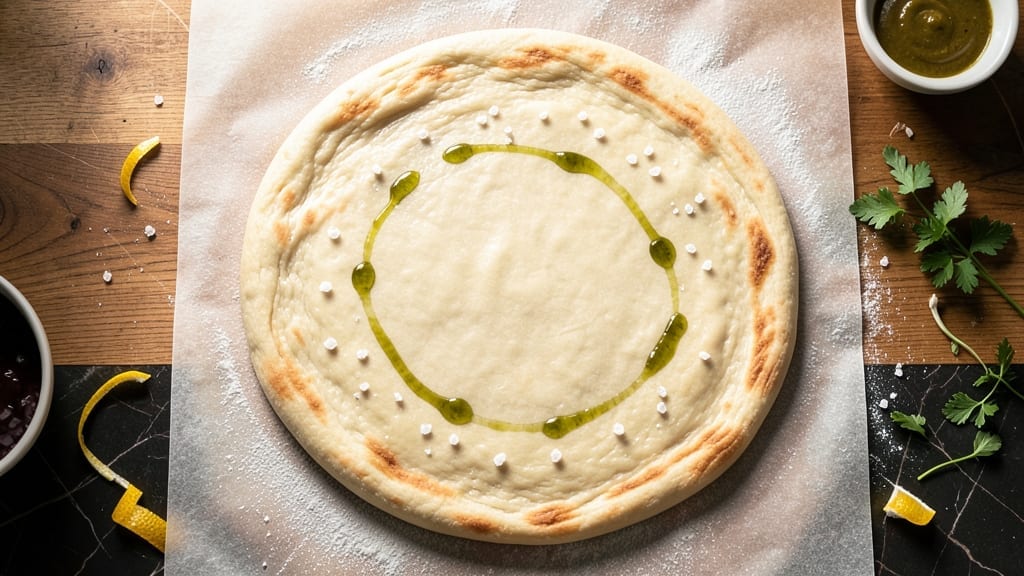
A 36-hour pizza dough recipe transforms your kitchen into a pizzeria with just five simple ingredients and patience—no fancy equipment or kneading required. The secret lies in cold fermentation, which develops deep flavor and a chewy, airy crust that rivals any artisanal bakery.
I’ve perfected this method after years of testing, and it’s the foundation for restaurant-quality pizza at home.
This recipe relies on a no-knead technique and autolyse (mixing flour and water first) to create a dough that’s easier to handle and more forgiving than traditional methods.
The long, slow rise in the refrigerator allows gluten to relax and flavors to meld, resulting in a crust that’s both crispy and chewy—no more sad, flat pizza. The process is hands-off, making it ideal for busy schedules.
By the time you shape and bake, you’ll have dough that’s light, elastic, and packed with flavor—ready to be topped with your favorite sauce, cheese, and toppings.
The cold-rise method also means your dough stays fresh in the fridge for up to 72 hours, so you can prep ahead and bake whenever inspiration (or hunger) strikes.
Whether you’re a pizza enthusiast or a beginner, this dough will elevate your homemade pies to the next level. Let’s get started with the foolproof steps to achieve that perfect, chewy crust every time.
Ingredients for 36 hour pizza dough
Five ingredients, 36 hours, restaurant-quality crust—no kneading, no stress.
| Ingredient | Amount | Notes |
|---|---|---|
| All-Purpose Flour 🌾 | 4 cups | High-protein (11-12%) for chewy crust |
| Active Dry Yeast 🍞 | ¼ tsp | Fresh yeast if available |
| Granulated Sugar 🍬 | 1 tbsp | Feeds yeast for activation |
| Salt 🧂 | 1 ½ tsp | Kosher or sea salt preferred |
| Extra-Virgin Olive Oil 🫒 | 1 tbsp | High-quality for flavor |
| Warm Water 💧 | 1 ½ cups | 105-110°F for yeast activation |
The flour is everything here. King Arthur or Caputo Tipo 00 (if you can find it) give that perfect chewy texture, but high-protein all-purpose flour works just fine. I grab mine in 5-pound bags from Costco—cheaper and lasts forever. The yeast? Fresh yeast is best (check the refrigerated section), but active dry works too. Just make sure it’s not expired—old yeast is the #1 reason dough fails. The olive oil matters too; California avocado oil works if you’re out of olive oil, but it won’t have that same fruity depth.
No yeast? Sourdough starter at 1/4 cup works in a pinch (it’s what I use when I’m lazy). Running low on flour? Substitute half with bread flour for extra chewiness, but keep the protein level balanced. The water temperature is critical—too hot kills the yeast, too cold and it won’t activate. Test it with your finger: it should feel like bathwater, not scalding. If you’re in a rush, use instant yeast at half the amount—no need to proof it first.
This dough is your new best friend. It keeps for 72 hours in the fridge, so make a double batch. Wrap tightly in plastic wrap or a damp towel to prevent drying. When ready to use, let it sit at room temperature for 30 minutes before shaping—that’s when the magic happens. The dough doubles in size during the cold rise, so don’t panic if it looks huge. And if you have leftovers? Freeze shaped dough balls for up to 3 months—just bake straight from frozen.
Why You’ll Love This Recipe
- Crispy-Chewy Magic: That 36-hour ferment? It builds flavor so deep you’ll taste it in every bite—the sugar caramelizes slightly, the yeast develops complexity, and the olive oil keeps it tender. (Yes, even on a Tuesday night.)
- Pizza Party Starter: Make one batch, stretch it into pies for the week: classic Margherita, spicy arrabbiata, or a loaded veggie feast. Leftovers? Roll them into flatbreads or focaccia—no waste, all flavor.
- Budget-Friendly Luxury: Five dollars buys enough dough to feed four with toppings to spare. The long ferment cuts down on expensive shortcuts, and you’ll never reach for store-bought again. (Between us, this is my secret weapon.)
Step-by-step instructions for perfect 36-Hour pizza dough
Here’s how to transform simple ingredients into restaurant-quality dough with just time and patience.
Mix the Dough and Let It Rest
In a large bowl, combine the 4 cups all-purpose flour, 1.5 tsp salt, and 1 tbsp granulated sugar. Make a well in the center and add the 0.25 tsp active dry yeast. Pour in the 1 tbsp extra-virgin olive oil and 1.5 cups warm water (105-110°F). Using a wooden spoon or your hands, gently mix until a shaggy dough forms.
Transfer the dough to a lightly floured surface and knead for about 10 minutes until smooth and elastic. You’ll know it’s ready when it springs back slowly when poked. If the dough feels too sticky, add flour 1 tablespoon at a time—but don’t overdo it, or your crust will be tough.
First Rise – Let the Magic Begin
Place the dough in a lightly greased bowl, cover it with a damp towel or plastic wrap, and let it rise at room temperature for 1 hour. This initial rise activates the yeast and helps develop gluten structure. You’ll see the dough nearly double in size and look puffy and airy.
After the first rise, divide the dough into 4 equal portions (about 1 pound each) and shape them into loose balls. Place them back in the bowl, cover again, and refrigerate for 36 hours. This cold rise is what transforms ordinary dough into extraordinary pizza crust—patiently developing flavor and texture.
Take the Dough Out and Shape
When you’re ready to make pizza, remove the dough balls from the refrigerator and let them sit at room temperature for 1 hour. This allows them to soften slightly and become more pliable. Preheat your oven to 700°F (or as high as it will go) with a pizza stone or baking sheet inside.
On a lightly floured surface, gently press and stretch each dough ball into a 12-inch circle. Don’t press too hard—just enough to create a thin crust with slightly thicker edges. The cold rise gives you that perfect balance of chewiness and airiness without needing to overwork the dough.
Top and Bake to Perfection
Transfer your shaped dough to the preheated pizza stone or baking sheet. Quickly add your favorite toppings—keep it simple with sauce, cheese, and maybe some fresh herbs or veggies. For best results, use no more than 1 cup of sauce per pizza to prevent a soggy crust.
Bake for 10-15 minutes until the crust is golden brown and the cheese is bubbly. Rotate the pizza halfway through if needed for even cooking. The high heat creates that perfect crispy yet chewy texture that makes this dough worth the wait.
Pro Tips For Making 36 Hour Pizza Dough
- Use Room-Temp Ingredients: Cold yeast or flour slows fermentation—no matter how long you wait. Take the yeast, sugar, and olive oil out 30 minutes before mixing, and let the flour sit in your warmest kitchen spot. I learned this the hard way when my dough took 48 hours to rise instead of 36.
- Weigh Your Flour: Scooping flour from the bag packs in extra air, which throws off hydration and rise time. Use a kitchen scale for the 1000g flour—tap the bowl gently to settle it before measuring. Trust me, your dough’s consistency will be spot-on every time.
- Stretch, Don’t Fold: When turning the dough every 12 hours, resist the urge to fold it like a burrito. Instead, gently stretch it in one direction, then rotate 90 degrees and repeat. This builds gluten evenly without overworking it—my early attempts ended up dense and tough.
- Oil the Bowl Liberally: Skip the cheap spray oil—use 1 tablespoon of extra-virgin olive oil to coat your fermentation container. The dough will cling less, and the oil’s flavor will seep into the crust. (Yes, even if you’re lazy about wiping the bowl afterward.)
Serving suggestions for this recipe
Classic Toppings
Start with the classics to let your dough shine: marinara sauce (about ¼ cup per pizza) spread thinly, followed by shredded mozzarella (about 1.5 cups) and a sprinkle of dried oregano.
I love adding fresh basil leaves after baking for that bright, fresh finish. For a simple yet delicious combo, try pepperoni slices or mushrooms sautéed in olive oil with garlic. 🍕
Gourmet Upgrades
Elevate your pizza night with premium toppings like burrata cheese dolloped on top before baking for a creamy, gooey center. A drizzle of white truffle oil (about ½ teaspoon) after baking adds luxury without overpowering.
For a smoky twist, use smoked mozzarella and top with caramelized onions and crispy pancetta. Trust me, your guests will think you’re a pro!
Vegetarian Delights
Load up on seasonal veggies like roasted zucchini, cherry tomatoes, and fresh arugula tossed in the sauce. Add goat cheese crumbles for tang and sprinkle with sun-dried tomatoes and balsamic glaze after baking.
For a heartier option, swap mozzarella for ricotta mixed with egg and Parmesan—it bakes into a creamy blanket. 🌱
Presentation Tips
Use a wooden pizza peel to transfer your pizza to the oven for easy handling. For extra crispiness, bake on a preheated pizza stone or cast iron skillet—just make sure it’s hot before sliding the dough on.
Garnish with fresh herbs like basil or parsley right after baking while the cheese is still warm. Serve on a wooden board with a sprinkle of flaky sea salt for a rustic touch.
Dessert Pizza Twist
Why stop at savory? This dough works perfectly for dessert! Spread with Nutella or peanut butter, then top with banana slices, chocolate chips, and a drizzle of honey.
For a grown-up treat, layer with mascarpone cheese, candied pecans, and a sprinkle of cinnamon. Bake until golden and enjoy with a scoop of vanilla ice cream. 🍰
Make-Ahead Serving
Prep ahead for stress-free pizza nights: Shape and top your dough balls, then store them in the fridge for up to 24 hours before baking. For even more convenience, freeze shaped and topped pizzas on a tray lined with parchment paper.
When ready to bake, thaw in the fridge overnight and finish in a 425°F oven for 15-20 minutes. This keeps the crust crispy and the toppings fresh. ✨
Nutrition facts
Frequently asked questions
Can I use bread flour instead of all-purpose flour for this recipe?
Yes, but with a slight adjustment! Replace 1 cup of the all-purpose flour with bread flour for extra chewiness. The dough will be slightly firmer, so you may need an extra 1-2 minutes of kneading. For best results, stick to the original recipe for that perfect balance of airiness and chew.
What if my dough doesn’t rise after 36 hours?
Check your yeast first—it might be expired. Try reactivating it by mixing 0.25 tsp with ¼ cup warm water and 1 tsp sugar, then waiting 5-10 minutes for bubbles. If that works, your dough should rise. If not, start fresh with fresh yeast. Cold temperatures slow fermentation, but the dough should still show some rise after 36 hours.
How do I store leftover dough?
Wrap tightly in plastic wrap or place in an airtight container. It keeps in the fridge for up to 72 hours and freezes beautifully for 3 months. For freezing, shape into balls, wrap individually in plastic, then store in a sealed bag. Thaw overnight in the fridge before using—never at room temperature to prevent condensation.
Why is my crust tough instead of chewy?
Overworking the dough or using too much flour can make the crust tough. Stick to the 10-minute knead and only add flour when absolutely necessary. Also, ensure your water is 105-110°F—too hot or cold can affect gluten development. The 36-hour cold rise is key for that perfect chewy texture, so don’t skip it!
Can I make this dough in a stand mixer?
Use the dough hook attachment and mix on low speed for 5-7 minutes until the dough comes together. Avoid overmixing—just until it’s smooth and elastic. The mixer saves time but doesn’t change the final texture. Just remember to let it rest and cold-rise for 36 hours for the best results.

- Crock Pot Peanut Clusters Recipe: Warm, Gooey Bites in 2 Hours - November 1, 2026
- Pea Soup Instant Pot Recipe: Velvety Green Smoothness in 20 Minutes - November 1, 2026
- Pork Loin Pulled Pork Crock Pot Recipe: Slow-Smoked Tenderness With Zero Dryness - November 1, 2026