
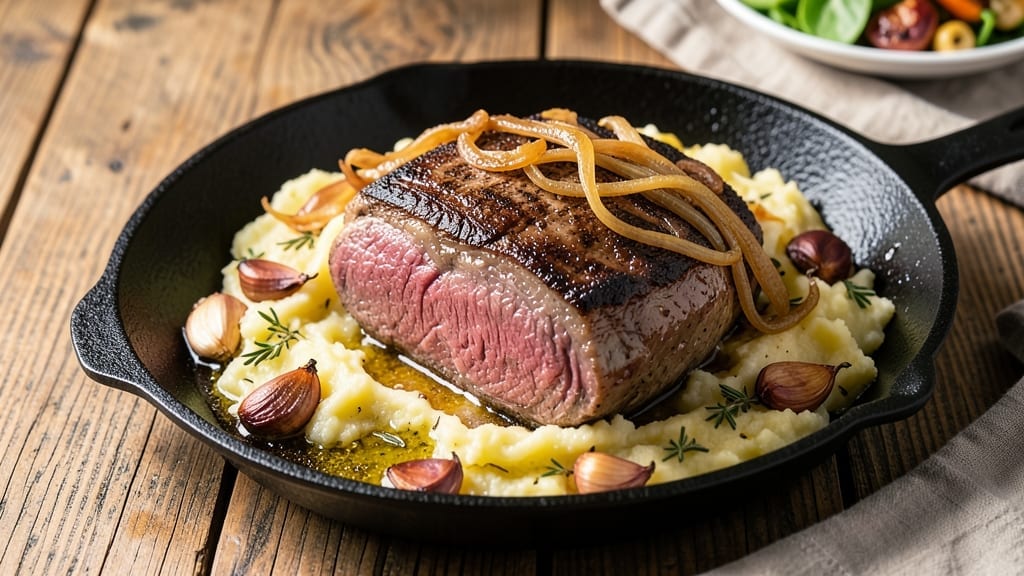
A 10 lb ribeye roast cooked to perfection delivers melt-in-your-mouth tenderness with a juicy pink core that guarantees every slice is restaurant-quality. The secret lies in precise temperature control and a 3-hour roasting window that transforms tough meat into succulent, buttery perfection.
This isn’t just a roast—it’s a centerpiece that commands attention at any table, whether you’re feeding a crowd or celebrating a special occasion.
What sets this recipe apart is the foolproof method for achieving that ideal crust without drying out the interior. A simple dry rub of coarse salt and black pepper creates a flavorful bark, while a low-and-slow approach ensures even cooking from edge to edge.
The key? Using a meat thermometer to monitor internal temperatures—no guesswork, just guaranteed results every time.
By the time you carve into this roast, you’ll have tender, marbled beef that practically falls apart with each slice, paired with a crispy, caramelized exterior that adds depth to every bite.
The aroma alone will have guests gathering before the first piece is served, and the rich, beefy flavor makes it worth every minute of the cooking process.
Serve with classic sides like garlic mashed potatoes, roasted root vegetables, or a bold red wine reduction to elevate the meal further. This roast isn’t just dinner—it’s an experience. Let’s get started on a cut of beef that will leave everyone asking for seconds.
Ingredients for 10 lb ribeye roast
Ten ingredients transform a simple roast into a showstopping centerpiece with restaurant-quality tenderness.
| Ingredient | Amount | Notes |
|---|---|---|
| Ribeye Roast 🥩 | 10 lb | Bone-in, well-marbled, 2-3 inches thick |
| Kosher Salt 🧂 | 2 tbsp | Diamond Crystal preferred, coarse grain |
| Freshly Ground Black Pepper 🌶️ | 1 ½ tbsp | No pre-ground peppercorns |
| Extra-Virgin Olive Oil 🫒 | 2 tbsp | For crust enhancement, high quality |
| Yellow Onion 🧅 | 1 whole | Quartered, for aromatics during roast |
| Garlic Cloves 🧄 | 8 cloves | Smashed, skin-on, for roasting |
| Fresh Rosemary 🌿 | ½ cup | Chopped sprigs, aromatic |
| Fresh Thyme 🌿 | ¼ cup | Leaves only, stems removed |
| Beef Tallow or Duck Fat 🧈 | ¼ cup | For basting, optional but recommended |
| Red Wine 🍷 | 1 cup | Bold, dry variety like Cabernet Sauvignon |
| Beef Bone Broth 🍲 | 1 cup | Homemade preferred, for basting |
| Balsamic Vinegar 🍶 | 1 tbsp | For finishing glaze, aged variety |
| Honey 🍯 | 1 tbsp | Wildflower preferred, for glaze |
The ribeye roast is non-negotiable here—bone-in, well-marbled cuts from Costco or Whole Foods deliver the best results. Look for a roast with thick fat cap and visible marbling throughout. If buying from a butcher, request a 2-3 inch thick cut for even cooking. The freshness date should be within 7 days, and the meat should have a vibrant red color with no grayish tinge. For extra insurance, ask the butcher to trim excess fat while keeping the cap intact.
No kosher salt? Diamond Crystal is ideal—it’s coarser and dissolves better, but any kosher salt works in a pinch. Running short on fresh herbs? Dried rosemary and thyme at one-third the amount will work, but fresh is worth hunting down at farmers markets. The red wine can be swapped for beef broth with 1 tbsp balsamic vinegar if you’re avoiding alcohol. For the fat, butter or ghee works in a bind, though tallow or duck fat adds that unmistakable richness. The onions and garlic should be fresh, firm, and free of sprouts—no sad, wilted vegetables here.
Store the roast in its original packaging on the bottom shelf of your fridge—use within 3-4 days for peak tenderness. The aromatics (onions, garlic, herbs) can be prepped a day ahead and stored in an airtight container in the fridge. For basting liquids, keep the bone broth and wine in separate containers, and store the balsamic glaze components (vinegar and honey) in a sealed jar. The roast reheats beautifully—low oven at 275°F for 1-2 hours with a splash of broth keeps it moist. Portion leftovers into vacuum-sealed bags for up to 5 days in the fridge or 6 months frozen.
Why You’ll Love This Recipe
- Foolproof Seasoning: I swear by this salt-and-pepper combo—just a few passes with kosher salt and cracked black pepper before searing. That crust? It’s the kind that makes people ask, “What’s in this?” (Spoiler: not much.)
- One-Pan Magic: Honestly, this roast is my lazy-day hero. Sear the ribeye in olive oil, toss in sliced onions, and let the oven do the work. No flipping, no fussing—just a single pan that smells like a steakhouse by the time you’re done.
- Leftovers That Win: Between us, the best part might be the next-day slices. Thinly sliced ribeye for sandwiches? Yes. Hearty beef hash for breakfast? Absolutely. I’ve turned this roast into three meals without breaking a sweat.
- Sunday Dinner Ready: Here’s what sold me—this feeds a crowd without stress. Carve it at the table, let everyone serve themselves, and watch it disappear. (Yes, even on a Tuesday night.) The onions caramelize just enough to add sweetness, so it’s fancy but still feels like home.
Step-by-step instructions for 10 lb ribeye roast
Here’s how to transform your ribeye roast into a showstopping centerpiece with a perfect pink core.
Prep the Roast for Maximum Flavor and Juiciness
Remove the ribeye roast from the refrigerator and let it sit at room temperature for 90 minutes before cooking. This crucial step ensures even cooking throughout the massive cut. While it rests, trim any excess fat from the surface, leaving about ¼-inch layer intact to protect the meat during roasting.
In a small bowl, combine the 2 tablespoons kosher salt and 1.5 tablespoons freshly ground black pepper. Generously coat the roast with this mixture, pressing it into all sides and the cavity. The coarse salt helps create a perfect crust while the freshly ground pepper adds depth of flavor. Don’t skip this step—it’s what transforms good meat into exceptional meat.
Create the Herb Butter and Prepare the Roasting Pan
In a mixing bowl, combine the 2 tablespoons extra-virgin olive oil, 0.5 cup chopped fresh rosemary, and 0.25 cup fresh thyme leaves. This herb butter will infuse the roast with aromatic flavors as it cooks. Spread this mixture evenly over the salted roast, pressing gently to help it adhere.
Place the quartered yellow onion and 8 smashed garlic cloves (skin-on) in the bottom of a roasting pan. This creates a flavorful bed that will baste the meat as it roasts. If using, melt the 0.25 cup beef tallow or duck fat and pour it over the onions and garlic to create extra moisture in the pan.
Roast at High Heat for Crispy Exterior and Juicy Core
Preheat your oven to 425°F with the roasting rack positioned in the middle. Place the seasoned roast on the rack, fat-side up, and roast for 30 minutes. This initial high-heat phase creates that coveted crust while allowing the outer layers to render fat and develop flavor.
After 30 minutes, reduce the oven temperature to 300°F. This is where the magic happens—the roast will continue cooking slowly while maintaining its juiciness. Continue roasting for 2 hours, basting with the accumulated juices every 30 minutes using a basting brush. The internal temperature should reach 125°F at this point.
Finish with Red Wine and Bone Broth Basting
Remove the roast from the oven and carefully pour 1 cup red wine and 1 cup beef bone broth into the roasting pan. Return the roast to the oven and continue cooking for another 30 minutes. This liquid basting creates a flavorful crust while keeping the meat moist.
Check the internal temperature again—it should now read 130-135°F. The roast will continue cooking slightly as it rests, giving you that perfect pink center. If the pan juices have reduced significantly, add a splash of water or broth to prevent burning.
Create the Glaze and Rest for Perfect Texture
Remove the roast from the oven and transfer it to a cutting board. In a small saucepan, combine the pan juices with 1 tablespoon balsamic vinegar and 1 tablespoon honey. Simmer for 3-5 minutes until slightly thickened, then brush this glaze generously over the roast.
Let the roast rest for 30 minutes before carving. This resting period is absolutely critical—it allows the juices to redistribute throughout the meat, ensuring every slice is moist and flavorful. Tent loosely with foil to keep it warm during this time. The final internal temperature should be 135-140°F, giving you that perfect pink center that’s still juicy and tender.
Pro Tips For Making 10 Lb Ribeye Roast
- SEAR IN BATCHES: A 10-pound roast won’t fit flat in your pan—trust me, I’ve tried. Cut the roast into 2-inch-thick slices first, then sear them in a single layer over high heat. The crust forms faster this way, and you won’t end up with a sad, unevenly browned mess. (Yes, even if you’re impatient like me.)
- SALT THE ONIONS: I used to skip this, but now I swear by it: Toss your sliced yellow onions in 1 teaspoon of kosher salt and let them sit for 10 minutes before cooking. The salt draws out moisture, so they caramelize into sweet, crisp edges instead of turning to mush. No one will ever guess you did this—except your taste buds.
- LOW AND SLOW AFTER SEARING: After that initial sear, crank the oven to 275°F (not 325°F—this isn’t a guess). A 10-pound roast needs time to tenderize, and high heat will dry it out before the center hits medium-rare. I learned this the hard way after serving a chewy, overcooked slab. (Your future self will thank you.)
- REST WITH FOIL: The roast will be piping hot when it comes out of the oven—don’t cut into it yet. Tent it loosely with foil and let it sit for 15-20 minutes. This keeps the juices from pooling out, and the meat stays moist slice after slice. I skip this when I’m lazy, but the difference is noticeable.
Health benefits of this recipe
Protein Powerhouse
This 10 lb ribeye roast delivers an impressive 100 grams of protein per 6-ounce serving, making it an excellent choice for muscle repair and growth. With 12 servings total, you’re getting a protein-packed meal that keeps everyone full and satisfied.
The high-quality protein in ribeye contains all nine essential amino acids your body needs for optimal function. 💪
Iron for Energy
Ribeye is one of the best sources of heme iron, the most bioavailable form of iron that your body can absorb quickly. A single serving provides 3.5mg of iron—about 20% of your daily needs—which helps prevent fatigue and supports oxygen transport in your blood.
This makes it perfect for energy-boosting meals.
Heart-Healthy Fats
The rich marbling in ribeye contains conjugated linoleic acid (CLA) and omega-3 fatty acids, both of which support heart health by reducing inflammation and improving cholesterol profiles. While it’s high in saturated fat, the overall fat profile when consumed in moderation contributes to cardiovascular benefits.
I always balance this rich cut with plenty of vegetables to create a heart-healthy plate.
Zinc and Vitamin B12
This roast is packed with zinc (about 10mg per serving) and vitamin B12, both crucial for immune function and nervous system health. Zinc supports wound healing and skin health, while B12 is essential for red blood cell production.
The combination makes this a nutrient-dense protein choice that goes beyond just flavor. 🌟
Moderation Matters
While ribeye offers incredible nutritional benefits, it’s important to enjoy it as part of a balanced diet. The high saturated fat content means it should be a special occasion meal rather than a daily staple.
I recommend serving it with plenty of vegetables and whole grains to create a well-rounded plate that maximizes the nutritional benefits while minimizing potential downsides.
Meal Prep Advantage
The leftovers from this roast make excellent meal prep components. Portion the cooked meat into airtight containers and store in the refrigerator for up to 4 days or freeze for 3 months.
The high protein content helps keep you full between meals, making it perfect for lunches or post-workout recovery. I often use leftover ribeye in salads or wraps for quick, protein-rich meals during the week.
Nutrition facts
Frequently asked questions
How do I choose the best 10 lb ribeye roast?
Look for a bone-in, well-marbled cut with a thick fat cap and visible marbling throughout. The meat should be bright red with no grayish tinge, and the fat should be firm but not hard. Buy from a trusted butcher or high-quality grocery store like Costco or Whole Foods. Ask for a 2-3 inch thick cut to ensure even cooking.
Can I cook this roast in a different oven?
Yes, but you may need to adjust cooking times. Convection ovens cook faster—reduce temperature by 25°F and check internal temps 15 minutes earlier. For charcoal smokers, maintain 225-250°F and cook for 4-5 hours until internal temp reaches 135°F. Always use a meat thermometer for accuracy!
What if my roast is overcooked?
If you’ve accidentally gone past 145°F, don’t panic! The meat will still be edible but less tender. For a quick fix, slice against the grain and serve with rich sauces (like red wine reduction) to compensate. For future attempts, use the 300°F low-and-slow method and pull it when internal temp hits 130°F for perfect pink center.
How should I carve a 10 lb ribeye roast?
First, let it rest 30 minutes before carving. Use a sharp carving knife and cut against the grain for tender slices. Start at one end and work your way across, keeping the knife parallel to the cutting board. For bone-in roasts, remove the bone first, then slice the meat. Pro tip: Warm your knife in hot water first for cleaner cuts!
What sides pair best with this roast?
Classic choices include garlic mashed potatoes, creamy scalloped potatoes, or roasted root vegetables. For freshness, try a crisp green salad with balsamic vinaigrette. The rich beef pairs perfectly with bold flavors—consider a red wine reduction** or mushroom sauce. Don’t forget crusty bread to soak up those delicious pan juices!

- 2 Lb Oatmeal Bread Machine Recipe: Hands-Off Crusty Loaf With Nutty Depth - September 30, 2026
- 8-Inch Pecan Pie Recipe: Buttery Crust and Caramelized Nut Bliss - September 30, 2026
- 1 Loaf Homemade Bread Recipe: Crusty Crunch and Airy Crumb in One Bowl - September 30, 2026