
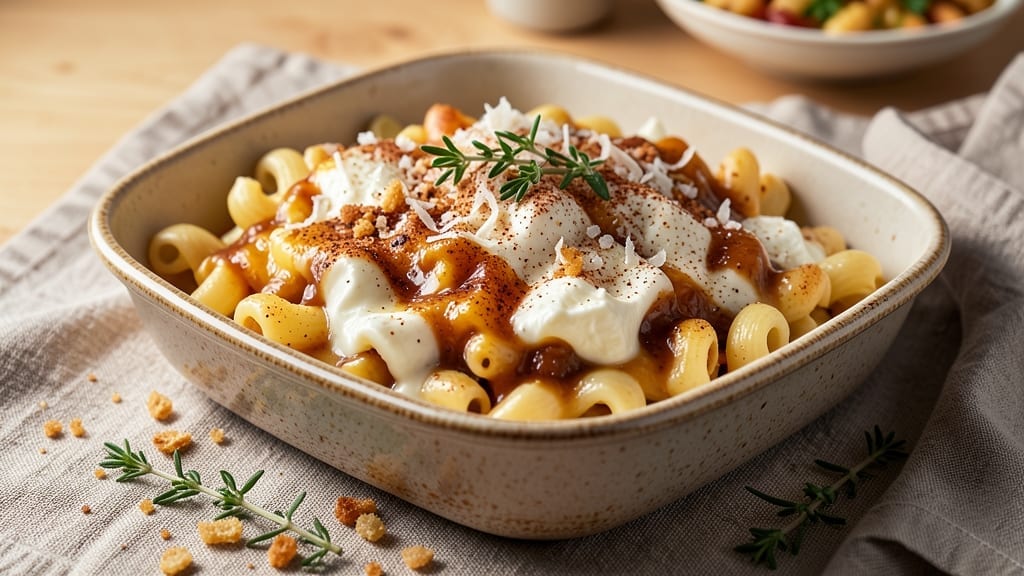
A 12-cheese mac and cheese transforms a comfort classic into a luxurious, melt-in-your-mouth masterpiece—where every bite reveals layers of creamy, tangy, and nutty complexity.
This isn’t your childhood’s mac; it’s a sophisticated blend of sharp cheddar, velvety brie, smoky gouda, and more, baked until the top forms a golden, bubbly crust that cracks under pressure.
The secret lies in the cheese selection and technique: each variety contributes its own character, while the slow bake ensures no grainy texture remains.
The process is surprisingly straightforward for such an indulgent result. You’ll start with al dente pasta, then build the cheese sauce in stages—first melting the harder cheeses, then folding in the softer ones to preserve their texture.
A crispy breadcrumb topping adds crunch, while a touch of mustard and cream prevent separation. The key? Patience—letting the cheese melt gradually for a velvety, cohesive sauce rather than a greasy mess.
What you’ll end up with is a dish that looks like it belongs on a restaurant menu but tastes even better at home: a golden, bubbly crust hiding layers of creamy, cheesy perfection beneath.
The flavor profile shifts with each bite—sharp, sweet, smoky, and tangy—all while maintaining that signature mac and cheese comfort. This isn’t just a side dish; it’s the centerpiece your dinner table deserves.
Whether you’re feeding a crowd for a holiday feast or treating yourself to a cozy weeknight meal, this recipe delivers restaurant-quality results with minimal effort. The best part? Leftovers reheat beautifully, making it the ultimate make-ahead dish. Ready to elevate your mac and cheese game? Let’s get started.
Ingredients for 12 cheese mac and cheese
Twelve cheeses, one golden masterpiece—where creamy meets crispy in every bite.
| Ingredient | Amount | Notes |
|---|---|---|
| Elbow Macaroni 🍝 | 1 ½ lb | Al dente cooked, drained well |
| Sharp White Cheddar Cheese 🧀 | 1 cup | Shredded, block preferred |
| Aged Gouda Cheese 🧀 | 1 cup | Smoked or aged, shredded |
| Brie Cheese 🧀 | 8 oz | Soft, rind removed, cubed |
| Fontina Cheese 🧀 | 8 oz | Mild, shredded |
| Parmigiano-Reggiano 🧀 | 1 cup | Freshly grated, block preferred |
| Gruyère Cheese 🧀 | 8 oz | Shredded, nutty flavor |
| Monterey Jack Cheese 🧀 | 8 oz | Shredded, mild and creamy |
| Blue Cheese Crumbles 🧀 | 4 oz | Mild blue, for tangy depth |
| Provolone Cheese 🧀 | 8 oz | Shredded, slightly smoky |
| Gorgonzola Dolce Cheese 🧀 | 4 oz | Creamy blue, crumbled |
| Pepper Jack Cheese 🧀 | 4 oz | Shredded, mild heat |
| Heavy Whipping Cream 🥛 | 1 cup | Full-fat for richness |
| Unsalted Butter 🧈 | ½ cup | Cold, cubed for melting |
| Whole Milk 🥛 | 1 cup | Warmed for smooth sauce |
| Dijon Mustard 🍯 | 1 tbsp | For tangy depth |
| Panko Breadcrumbs 🍞 | 1 cup | For crispy topping |
| Garlic Powder 🧄 | 1 tsp | Enhances flavor |
| Salt 🧂 | 1 tsp | Diamond Crystal preferred |
| Black Pepper 🌶️ | ½ tsp | Freshly cracked |
| Nutritional Yeast 🍄 | 2 tbsp | For umami depth |
The cheese selection is non-negotiable here. Whole Foods or specialty cheese shops carry the best varieties, but don’t stress—most grocery stores stock aged cheddar, gouda, and fontina. Look for block cheeses whenever possible (they shred better than pre-shredded). The brie and blue cheese add luxurious depth, so grab them fresh from the deli counter. For the provolone, smoked or semi-smoked gives that subtle charred note that elevates everything. If you’re feeling ambitious, make a quick trip to a European market for authentic gruyère and gorgonzola—they’re worth the splurge.
No aged gouda? Substitute with extra sharp cheddar—it’s the closest you’ll get. Running low on brie? Camembert works beautifully, though it’s creamier. Pre-shredded cheese is a no-go here—it contains anti-caking agents that make the sauce grainy. The blue cheese can be swapped for feta if you prefer a saltier kick. For the mustard, Dijon is ideal, but whole-grain mustard adds texture. The nutritional yeast might be new to you—it’s the secret to that restaurant-quality umami punch, but you can skip it if you’re avoiding it.
This dish is all about prep ahead. Cook the pasta 1 minute less than package instructions—it’ll finish baking perfectly. Store all cheeses in airtight containers in the fridge, except the brie and blue cheese which go in the coldest part of the fridge. The breadcrumbs stay fresh for 1 week in a sealed container, but if they get stale, toast them for 5 minutes to revive. Leftovers reheat beautifully—just cover with foil and warm in a 350°F oven for 10 minutes. Freeze baked portions for up to 3 months—just add a splash of milk when reheating.
Why You’ll Love This Recipe
- One-Pot Magic: I swear by this recipe—just toss everything in one pot, stir, and let the cheeses melt into that perfect stretchy, gooey blanket over al dente pasta. No strainers, no extra bowls, and honestly? The cleanup is almost as good as the meal.
- Melty Overload: That combo of sharp cheddar, creamy brie, and nutty aged gouda? It’s like a cheese party in your mouth. The fontina adds this subtle, almost buttery finish that makes me reach for seconds without thinking.
- Game for Any Night: Between us, this is my go-to for lazy Sundays, potlucks where I don’t want to stress, or even as a side for holidays. The rich, cheesy sauce holds up whether it’s room temp or reheated—no sad, dry pasta here.
- Budget Cheat Code: I use the cheaper elbow mac, but the real savings? Buying block cheddar and gouda in bulk, then grating it myself. Stretch this into three meals, freeze half, and you’ve got a week’s worth of comfort without breaking the bank. (Yes, even on a Tuesday night.)
Step-by-step instructions for 12 cheese mac and cheese
Here’s how to create a decadent, multi-layered masterpiece with a golden crust and bubbly interior.
Cook the Elbow Macaroni to Al Dente Perfection
Bring a large pot of water to a rolling boil and add 1.5 lb elbow macaroni. Season generously with salt—it should taste like the ocean. Cook until 1 minute before the package suggests for al dente (elbow macaroni should have a slight bite). Drain thoroughly in a colander and return to the pot.
While still hot, toss the macaroni with 2 tbsp nutritional yeast and 1 tbsp Dijon mustard using a wooden spoon. This step ensures every strand gets coated with umami depth and tangy richness. Let it cool slightly while you prepare the cheese sauce—this prevents the pasta from overcooking when mixed with hot liquids later.
Melt Butter and Create the Cheese Sauce Base
In a large, heavy-bottomed pot, melt 0.5 cup unsalted butter over medium-low heat. Once fully melted, whisk in 1 cup whole milk and 1 cup heavy whipping cream. Bring to a gentle simmer, then immediately remove from heat to prevent scorching.
Add 1 cup sharp white cheddar cheese, 1 cup aged gouda cheese, and 1 cup Parmigiano-Reggiano all at once. Stir constantly with a wooden spoon until completely melted and smooth. This initial layer creates the creamy foundation that will bind all the cheeses together beautifully.
Layer the Remaining Cheeses for Maximum Flavor
Return the pot to low heat and begin adding the remaining cheeses in this order: 8 oz fontina, 8 oz gruyère, 8 oz monterey jack, 8 oz provolone, 4 oz blue cheese crumbles, 4 oz gorgonzola dolce, and 4 oz pepper jack. Stir gently after each addition, allowing each cheese to melt completely before adding the next.
For the 8 oz brie cheese, cut it into small cubes and fold them in last—this delicate cheese should be incorporated at the very end to prevent overcooking. The brie will create pockets of luxurious creaminess throughout the dish. Season with 1 tsp garlic powder, 1 tsp salt, and 0.5 tsp black pepper—these seasonings will enhance every layer of flavor.
Combine Pasta and Cheese Mixture
Add the cooked macaroni to the cheese sauce and stir thoroughly until every strand is fully coated. The mixture should be thick and creamy, with no dry pasta remaining. If the sauce appears too thick, add 1-2 tablespoons of warm milk to reach your desired consistency—it should coat the back of a spoon but still be spreadable.
Here’s the thing—this is where the magic happens. The residual heat from the pasta will help melt any remaining cheese solids, creating that signature velvety texture. Taste and adjust seasoning if needed, remembering that the cheeses already contain varying levels of saltiness.
Assemble and Bake to Golden Perfection
Transfer the macaroni and cheese mixture to a 9×13-inch baking dish, spreading it evenly. In a small bowl, combine 1 cup panko breadcrumbs with 1 tbsp melted butter and sprinkle this mixture evenly over the top of the macaroni. The panko will create that coveted crispy crust we’re after.
Bake at 375°F for 25-30 minutes until the top is deep golden brown and the edges are bubbling. The center should still be slightly jiggly—this indicates it’s reached the perfect temperature without overcooking. For the final touch, broil for 1-2 minutes to intensify the browning on top, then immediately remove from the oven.
Rest and Serve with Confidence
Let the macaroni and cheese rest for 5-10 minutes before serving. This resting period allows the layers to set slightly, making it easier to slice and serve without losing that creamy structure. The flavors will continue to meld during this time, resulting in an even more cohesive dish.
Serve immediately with a side of garlic bread or a simple green salad. The contrast of temperatures—warm, bubbly macaroni with cool, crisp greens—elevates every bite. This 12-cheese masterpiece delivers a symphony of textures and flavors in every forkful, from the crispy panko crust to the creamy, tangy cheese layers beneath.
Pro Tips For Making 12 Cheese Mac And Cheese
- Shred Cheese Fresh: DESCRIPTION:
- Cook Pasta Al Dente: DESCRIPTION:
- Melt Cheese Slow: DESCRIPTION:
- Reserve Starchy Water: DESCRIPTION:
Essential equipment for this recipe
Heavy-Duty Pot
Your 6-8 quart heavy-bottomed pot is non-negotiable for this recipe. I swear by my All-Clad Stainless Steel Dutch Oven—it distributes heat evenly and prevents scorching when melting all those cheeses. A lighter pot will cause hot spots, leading to burnt cheese in some areas while others remain undercooked.
If you don’t have one, a Le Creuset enameled cast iron works beautifully too. 🔥
Cheese Grater
Invest in a quality box grater like the Microplane for your hard cheeses—it creates fine, even shreds that melt beautifully. For the brie and blue cheese, use a sharp chef’s knife to cube them precisely.
Pre-shredded cheese is a no-go here; those anti-caking agents create grainy texture. I keep my Microplane exclusively for cheese to avoid cross-contamination with other ingredients.
Wooden Spoon
A heat-resistant wooden spoon (I use a Oxo Good Grips) is essential for stirring the cheese sauce. Wood prevents scratching your pot and gently folds in delicate cheeses like brie without breaking them apart.
Avoid metal spoons—they can react with acidic cheeses and create a metallic taste. Keep your wooden spoon clean by soaking it in warm, soapy water after each use to prevent cheese residue buildup.
Baking Dish
Use a 9×13-inch baking dish made of heavy-duty stainless steel or ceramic—these materials distribute heat evenly and prevent warping. My go-to is a Calphalon Classic Stainless Steel dish because it handles high temperatures without losing its shape.
Avoid glass dishes for this recipe; they can cause uneven browning and may crack under the high heat of the broiler. Grease your dish thoroughly with butter before adding the macaroni to prevent sticking.
Mixing Bowls
Two large mixing bowls are essential: one for tossing the cooked pasta and another for preparing the breadcrumb topping. I recommend stainless steel bowls (like OXO Good Grips) because they’re durable and easy to clean.
The pasta bowl should be big enough to hold all 1.5 lb of elbow macaroni comfortably. For the breadcrumb topping, a smaller bowl works best to mix the panko, butter, and seasonings thoroughly.
Measuring Tools
Precision matters with cheese quantities, so use a digital kitchen scale for accurate measurements. I rely on my OXO Good Grips Stainless Steel Scale for weighing cheeses—it’s more accurate than volume measurements, especially for delicate cheeses like brie.
For liquids, a liquid measuring cup with clear markings ensures you add exactly 1 cup milk and 1 cup cream. A fine-mesh strainer also comes in handy for draining pasta perfectly.
Nutrition facts
Frequently asked questions
Can I substitute any of the 12 cheeses in this recipe?
The key is maintaining flavor balance. For the sharp cheddar, swap with extra sharp white cheddar or pepper jack. Replace gruyère with nutty Swiss or emmental. Need to skip brie? Use camembert or extra fontina for creaminess. The blue cheeses can be swapped for feta if you prefer a saltier kick. Just remember—pre-shredded cheeses won’t melt as smoothly due to anti-caking agents.
Why does my cheese sauce get grainy?
Graininess happens from three main causes: pre-shredded cheese (anti-caking agents), overheating, or not melting cheeses gradually. Always use block cheeses and shred them fresh. Keep heat on low when melting, and add cheeses in stages rather than all at once. The residual heat from the pasta will finish melting everything when combined.
Can I make this ahead of time?
Yes! Assemble the dish up to 24 hours ahead and refrigerate uncovered (this prevents soggy breadcrumbs). When ready to bake, add the breadcrumb topping and bake at 375°F for 30-35 minutes (the extra time accounts for the cold start). For freezing, bake first, then cool completely, wrap tightly in foil, and freeze for up to 3 months. Reheat covered with foil at 350°F for 15 minutes.
How do I get the perfect crispy crust?
The secret is in the topping and timing. Use panko breadcrumbs (not regular) mixed with 1 tbsp melted butter and a pinch of salt. Spread them evenly and press down lightly. Bake until golden brown (25-30 minutes), then broil for 1-2 minutes for extra crispiness. Avoid over-browning by watching closely—it happens fast!
What’s the best way to reheat leftovers?
For best texture, cover with foil and reheat in a 350°F oven for 10-15 minutes until bubbly. Microwave reheating works but can make the crust soggy. If using the microwave, cover with a damp paper towel and heat in 30-second intervals, stirring between each. Add a splash of warm milk if the cheese seems dry.

- Baked Potatoes in Crock Pot Recipe: Buttery Interiors and Crispy Top Magic - November 1, 2026
- Braised Beef Short Ribs Recipe: Crock Pot Fall-Off-Bone Magic in 6 Hours - November 1, 2026
- Crock Pot Cocoa Recipe: Velvety Warmth With Hidden Spice Magic - November 1, 2026