
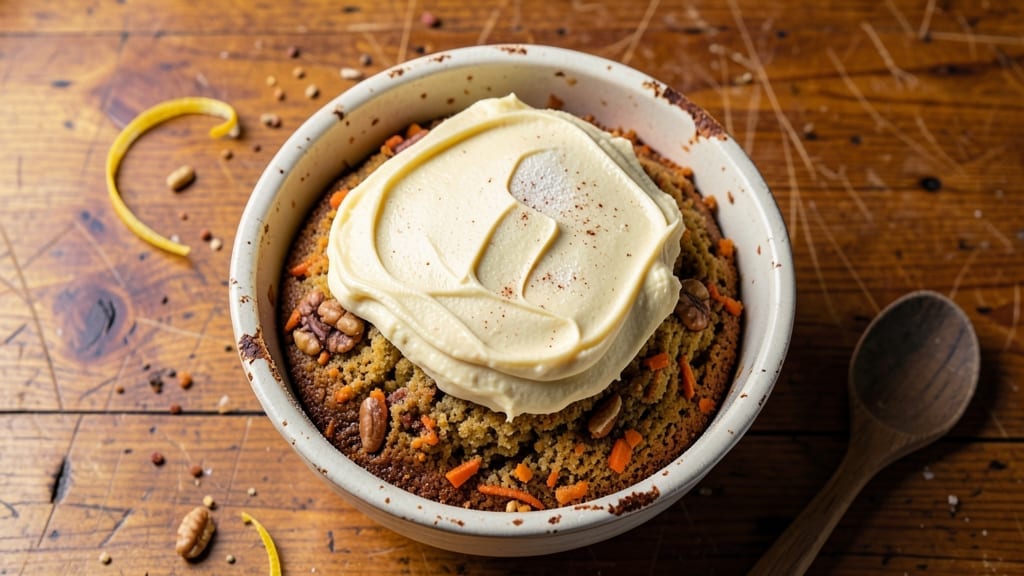
This 1940s carrot cake recipe brings back the nostalgia of wartime baking with its spice-packed layers and walnut-studded frosting—a testament to resourcefulness during rationing.
The cake relies on pantry staples like pineapple, cinnamon, and nutmeg, just as homemakers did in the 1940s, while delivering rich, moist texture and warm vanilla notes. The frosting, thickened with cream cheese, adds a tangy contrast that was a hallmark of mid-century desserts.
The recipe simplifies vintage techniques for modern kitchens, ensuring layers stay tender and frosting stays smooth without requiring special equipment.
You’ll use a basic box mixer and standard cake pans, but the result is unmistakably old-school—just like the carrot cakes that became a staple during World War II when sugar was rationed. Every bite delivers the comforting flavors of the era, from the caramelized walnuts to the spiced carrot filling.
What makes this recipe special is its balance of tradition and accessibility. The cake’s texture is achieved through proper mixing and baking times, while the frosting’s cream cheese base ensures a velvety finish that’s easier to spread than traditional buttercream.
The pineapple adds a touch of tropical brightness, a nod to the era’s love of canned fruits as a sweet accent.
Perfect for family gatherings or nostalgic dessert nights, this cake serves 12 and can be prepped ahead for stress-free serving. The walnut-studded frosting adds a rustic charm, while the spiced layers deliver the deep, warming flavors that made 1940s carrot cake a classic.
Let’s bring a piece of history to your kitchen.
Ingredients for 1940 carrot cake
Pantry staples and wartime nostalgia create this legendary 1940s carrot cake with walnut-studded frosting.
| Ingredient | Amount | Notes |
|---|---|---|
| All-Purpose Flour 🌾 | 2 ½ cups | Sifted for light texture |
| Granulated Sugar 🍚 | 1 ½ cups | White or light brown |
| Packed Brown Sugar 🍚 | ½ cup | For moisture and depth |
| Unsalted Butter 🧈 | 1 cup | Room temperature, creamed |
| Large Eggs 🥚 | 3 whole | Room temperature for blending |
| Vanilla Extract 🌿 | 1 tbsp | Pure, high-quality extract |
| Ground Cinnamon 🌶️ | 2 tsp | Freshly ground preferred |
| Ground Nutmeg 🌶️ | ½ tsp | Freshly grated for warmth |
| Ground Ginger 🌶️ | 1 tsp | For subtle spice balance |
| Salt 🧂 | ½ tsp | Diamond Crystal preferred |
| Shredded Carrots 🥕 | 3 cups | Freshly grated, not pre-shredded |
| Canned Crushed Pineapple 🍍 | 1 cup | Drained, for tropical brightness |
| Chopped Walnuts 🥜 | 1 cup | Toasted for enhanced flavor |
| Baking Soda 🧪 | 1 tsp | For leavening |
| Baking Powder 🧪 | 1 tsp | Aluminum-free for best results |
| Cream Cheese 🧈 | 8 oz | Room temperature, full-fat |
| Powdered Sugar 🍚 | 3 cups | For smooth frosting |
| Heavy Whipping Cream 🥛 | ½ cup | Chilled for stability |
The spices are where this recipe shines—Penzeys or bulk bins for the freshest cinnamon and nutmeg make all the difference. Look for organic walnuts at specialty grocers like Whole Foods for deeper flavor, but regular walnuts work fine if toasted properly. The pineapple should be crushed, not chunky, for even distribution. Carrots need to be freshly grated; pre-shredded releases too much moisture. For the frosting, Philadelphia cream cheese is the gold standard—it’s tangy and smooths perfectly.
No crushed pineapple? Fresh pineapple purée works too—just strain out the excess liquid. Substitute walnuts for pecans or hazelnuts, but toast them first. The frosting can be made with Greek yogurt instead of cream cheese for a lighter texture, though it’ll be less traditional. If you’re avoiding sugar, reduce granulated sugar by half and add 1/4 cup applesauce—the cake will still be moist. For a richer frosting, add 1 tbsp lemon juice to brighten the flavors.
Cake layers keep 3 days wrapped at room temperature or 1 week refrigerated. Frosting can be made 2 days ahead and stored in the fridge—just rewhip before spreading. Walnuts toast best in a dry skillet over medium heat for 5-7 minutes, stirring constantly. Freeze the unfrosted cake layers for up to 3 months—thaw overnight at room temperature before frosting. The pineapple can be prepped 1 day ahead and stored in the fridge.
Why You’ll Love This Recipe
- No-Fuss Mixing: I swear by this recipe’s simplicity—just creaming butter and sugars until light, then folding in flour and eggs. No food processor, no weird techniques, just good old elbow grease that pays off with a tender crumb.
- Butter-Sugar Magic: That combo of brown and granulated sugar? It’s what makes this cake sing—caramelized edges, a moist middle, and just enough chew from the flour. Honestly, the butter doesn’t skimp either; it’s rich without being heavy.
- Leftovers That Last: This cake stays fresh for days, if it lasts that long. I’ve sent slices to work in the morning, packed them for lunches, and even reheated a piece in the oven for a quick dessert. (Yes, even on a Tuesday night.)
- Pantry Staple Power: You’re already using what’s in your cupboard—flour, sugar, butter, eggs. No specialty ingredients, no last-minute grocery runs. Between us, this is the kind of recipe that proves you don’t need fancy tools to make something special.
Step-by-step instructions for 1940s carrot cake
Here’s the classic method that delivers moist layers, perfect spice balance, and that signature walnut-studded cream cheese frosting.
Prepare the Cake Layers
Preheat your oven to 350°F and grease two 9-inch round cake pans, lining the bottoms with parchment paper for easy removal. In a large mixing bowl, combine the 2.5 cups all-purpose flour, 1.5 cups granulated sugar, 0.5 cup packed brown sugar, 2 tsp ground cinnamon, 0.5 tsp ground nutmeg, 1 tsp ground ginger, 0.5 tsp salt, 1 tsp baking soda, and 1 tsp baking powder. Whisk until all dry ingredients are evenly distributed.
In a separate bowl, cream together the 1 cup unsalted butter (at room temperature) with the 3 whole large eggs until light and fluffy, about 3-4 minutes using an electric mixer. Gradually add the dry ingredients to the wet, mixing on low speed until just combined. Fold in the 3 cups shredded carrots, 1 cup drained crushed pineapple, 1 tbsp vanilla extract, and 1 cup chopped walnuts using a spatula—overmixing will make the cake dense.
Divide the batter evenly between the prepared pans and smooth the tops. Bake for 25-30 minutes or until a toothpick inserted in the center comes out clean. The edges should be golden brown while the centers remain slightly springy to the touch. Let the cakes cool in the pans for 10 minutes before transferring to a wire rack to cool completely.
Make the Cream Cheese Frosting
While the cakes cool, prepare the frosting by beating the 8 oz cream cheese (at room temperature) with the 3 cups powdered sugar and 0.5 cup heavy whipping cream on medium speed until smooth and fluffy, about 3-4 minutes. The mixture should be light and airy—if it looks curdled, add 1 tablespoon cream at a time until it comes together. This is where the texture magic happens.
For that authentic 1940s touch, fold in an additional 0.5 cup chopped walnuts and a pinch of ground cinnamon to complement the cake layers. The frosting should be thick enough to hold its shape but still pipe smoothly. If it’s too stiff, add 1 teaspoon cream to loosen it slightly.
Assemble the Cake
Once the cakes are completely cool, place one layer on a serving plate. Spread a generous layer of frosting over the top, then place the second cake layer on top. Spoon the remaining frosting over the top and sides, using a spatula to create a smooth finish. For a classic look, pipe decorative rosettes around the edges with any leftover frosting.
Here’s the secret to presentation: press additional chopped walnuts into the sides of the cake before the frosting sets. Let the cake sit at room temperature for 30 minutes to allow the frosting to firm up slightly before slicing. This resting period ensures clean cuts and prevents the frosting from sliding off.
Serve and Store
Slice the cake into 12 equal wedges using a sharp serrated knife dipped in hot water and wiped dry between cuts. The cake should have a moist crumb with visible shredded carrots and pineapple, topped with a smooth, slightly sweet frosting that melts in your mouth. Serve at room temperature for the best texture and flavor.
For storage, wrap the cake tightly in plastic wrap and refrigerate for up to 5 days. Bring it to room temperature before serving to restore the perfect texture. The flavors actually improve overnight as the spices meld together, making this a cake that tastes even better the next day.
Pro Tips For Making 1940 Carrot Cake
- Cream Butter Properly: This isn’t just about softening—rub the butter and sugars together until the mixture turns pale and fluffy. I used to stop when it looked combined, but that leaves tiny pockets of dry flour later. Use your fingers or a wooden spoon; you’ll know it’s right when the texture looks like wet sand.
- Grate Carrots Fine: Skip the food processor—hand-grating gives you that old-school texture. Aim for shreds the size of a fine cheese grater, not thick matchsticks. Thick carrots make the cake dense; fine shreds distribute moisture evenly and keep it tender.
- Don’t Overmix the Batter: Stop mixing as soon as the flour disappears. I’ve seen people beat this into a gluey mess, and that’s how you end up with a cake that’s tough as a boot. Two minutes max after adding flour—just until combined. Your future self will thank you.
- Test for Doneness Early: Pull the cake when the edges look set but the center still wobbles slightly. A toothpick with a few moist crumbs is fine—overbaking turns it dry. Cover with foil 10 minutes before the recipe’s suggested time if your oven runs hot. (Mine always does.)
Dietary considerations for these flavors
Gluten-Free Adaptations
For a gluten-free version, replace the 2.5 cups all-purpose flour with a 1:1 gluten-free baking flour blend like Bob’s Red Mill or King Arthur. Add 1 extra teaspoon xanthan gum to mimic gluten’s structure.
Reduce the baking powder to ½ teaspoon since gluten-free flours often contain extra leavening. Keep the rest of the recipe identical—this substitution maintains moisture while delivering a tender crumb. 🌾
Dairy-Free Options
To make this cake dairy-free, swap the 1 cup butter for 1 cup coconut oil (solid at room temperature) and use 8 oz dairy-free cream cheese like Kite Hill or Violife.
Replace the heavy whipping cream with ½ cup coconut cream (chilled overnight). The texture remains rich, though slightly denser. For extra richness, add 1 tablespoon maple syrup to the frosting. 🥥
Lower Sugar Versions
Cut sugar by 50% in both the cake and frosting while adding ½ cup unsweetened applesauce to the batter for moisture. Use 1 cup monk fruit sweetener or 1 cup erythritol (measured 1:1) in the frosting.
The cake will be slightly less sweet but still moist, with a carrot-forward flavor. For balance, increase the cinnamon to 2.5 teaspoons. 🍎
Nut-Free Substitutions
Omit the walnuts and add ½ cup dried cranberries or ½ cup shredded coconut> instead. For texture, fold in ½ cup oats> (blended into a fine powder) into the cake batter.
The frosting stays nut-free but gains chewy contrast. For extra crunch, toast pumpkin seeds> and sprinkle on top before serving. 🌰
Vegan Adaptations
Use a flax egg substitute> (3 tbsp ground flaxseed + 9 tbsp water per egg) and replace butter with 1 cup vegan butter> (like Earth Balance).
For the frosting, blend 8 oz vegan cream cheese> with ½ cup coconut yogurt> and 3 cups powdered sugar>. Add 1 tsp lemon juice> for tang. The cake holds its shape but has a slightly denser texture. 🌱
Nutrition facts
Frequently asked questions
Why does this 1940s carrot cake use pineapple?
Pineapple was a popular canned fruit during the 1940s, providing sweetness and moisture without requiring fresh ingredients. The acidity in pineapple also tenderizes the cake’s texture, balancing the earthy carrots. It was a wartime staple that added tropical brightness to simple desserts.
Can I make this cake without walnuts?
Replace the walnuts with ½ cup dried cranberries or ½ cup toasted pumpkin seeds for texture. For a sweeter alternative, try ½ cup shredded coconut. The frosting will still taste delicious—just omit the walnut pieces or use a different crunchy element.
How do I prevent the cake from drying out?
Keep the batter moist by not overmixing and using freshly grated carrots (not pre-shredded). Wrap cooled layers tightly in plastic wrap and store at room temperature for up to 3 days. For longer storage, refrigerate the unfrosted cake and bring to room temperature before frosting.
Is the frosting too sweet for my taste?
Yes! The frosting’s sweetness can be adjusted by reducing powdered sugar to 2.5 cups and adding 1 tsp vanilla extract for depth. For a tangier flavor, mix in 1 tbsp lemon juice—this was a common 1940s trick to balance sweetness with acidity.
Can I bake this in a different pan size?
For best results, use 9-inch pans—they create the ideal layer thickness. If using 8-inch pans, reduce baking time by 3-5 minutes. For 10-inch pans, increase batter by 25% and bake 5-7 minutes longer. Always check doneness with a toothpick.

- 12 Bean Chili Recipe: Hearty Slow-Cooked Depth With 12 Legumes - October 17, 2026
- 5 Seed Bread Recipe: Nutty Crunch and Artisan Flavor in One Loaf - October 17, 2026
- 1 Lb Macaroni Salad Recipe: Bold, Crunchy, and Crowd-Pleasing - October 17, 2026