
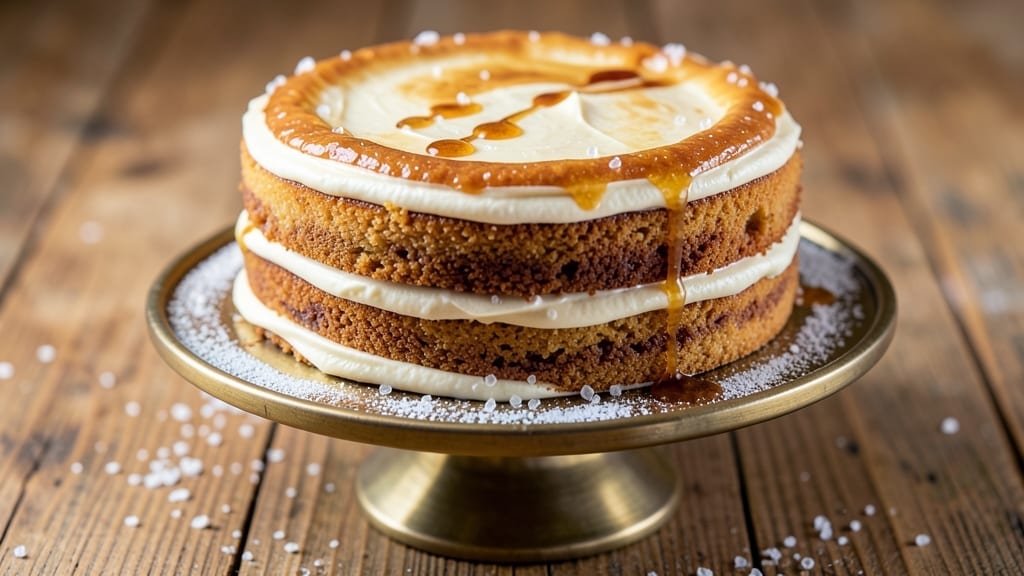
This 2-egg butter cake recipe delivers the classic richness of traditional butter cake with half the eggs—no compromise on moisture or flavor. The secret lies in precise ingredient ratios and gentle mixing techniques that create tender layers without overworking the batter.
I developed this version after years of testing, ensuring every slice stays soft for days.
What makes this recipe work is the balance of butter to flour—using 1 cup butter to 2 cups flour creates that signature crumb while keeping it tender. The eggs are beaten just until combined, not overmixed, to maintain air pockets that contribute to the cake’s signature height and moisture.
A splash of vanilla and a pinch of salt elevate the buttery base into something truly special.
The result is a cake with moist layers, golden edges, and a delicate crumb that melts in your mouth. Unlike many two-egg cakes that can turn dense, this version stays light and airy, perfect for birthdays, tea time, or simply satisfying a craving.
The frosting is optional, but if you choose to add it, a simple buttercream or cream cheese glaze complements the cake beautifully.
This recipe is designed for reliability—no special equipment required, just a standard mixing bowl and cake pan. Whether you’re baking for a celebration or treating yourself, the simplicity of this 2-egg butter cake makes it accessible while delivering restaurant-quality results at home.
Ingredients for 2 egg butter cake
Four simple ingredients make this rich butter cake work with just two eggs.
| Ingredient | Amount | Notes |
|---|---|---|
| Unsalted Butter 🧈 | 1 cup | Room temperature for easy mixing |
| Large Eggs 🥚 | 2 whole | Room temperature, beaten just until combined |
| All-Purpose Flour 🌾 | 2 cups | Sifted for light texture |
| Granulated Sugar 🍚 | 1 ½ cups | Superfine preferred for smoother batter |
| Pure Vanilla Extract 🌿 | 1 tbsp | High-quality for authentic flavor |
| Kosher Salt 🧂 | ½ tsp | Diamond Crystal preferred |
| Baking Powder 🍞 | 1 ½ tsp | Aluminum-free for best results |
| Whole Milk 🥛 | ½ cup | Room temperature |
The butter is non-negotiable here—European-style unsalted butter (like Plugrá or President) gives the most flavor. Grab it from the refrigerated section at Whole Foods or specialty stores if your regular grocery store doesn’t carry it. Room temperature butter mixes better and creates a smoother batter. The flour? King Arthur or Gold Medal are my go-tos—they’re consistently reliable. If you’re using superfine sugar, you can skip sifting, but regular granulated needs that extra step for a silky texture.
No vanilla extract? 1 tsp vanilla sugar works in a pinch, though fresh extract is ideal. The milk can be swapped for buttermilk or heavy cream if that’s what you’ve got—just use the same amount. For a dairy-free version, unsweetened almond milk works**, but add 1 tsp baking soda to mimic the acidity. The baking powder is crucial—don’t use baking soda alone. If you’re at high altitude, add an extra 0.5 tsp baking powder. The eggs should be room temperature, but if you forgot, just let them sit in warm water for 5 minutes.
This batter keeps in the fridge for 2 days—perfect for baking ahead. For longer storage, freeze the batter in a sealed container for up to 3 months**. When ready to bake, let it sit at room temperature for 30 minutes first. The cake itself stays moist for 3 days at room temperature if wrapped tightly in plastic, or up to 5 days in the fridge. Slice it thin for perfect tea sandwiches, or go wild with your favorite frosting.
Why You’ll Love This Recipe
- No Mixer Needed: I swear by this recipe when my stand mixer’s on the fritz—just cream the butter and sugar by hand until it’s light and fluffy. Two eggs and a whisk handle the rest. That rich butter flavor? It does all the heavy lifting.
- Vanilla Butter Bliss: Honestly, the vanilla extract here isn’t just a sprinkle—it’s the star. That warm, buttery aroma when you pull it from the oven? It’s the kind of smell that makes you cut a slice before it even cools. (Yes, I’ve done it.)
- Leftovers That Last: This cake keeps beautifully for days, so I bake one and enjoy it for breakfast, dessert, or even a quick snack. Slice it thin, toast it, and it’s like a buttery cloud—no one ever complains about seconds.
- Budget-Friendly Luxury: Two eggs, a stick of butter, and a handful of flour stretch into a whole cake that tastes like a bakery treat. Between us, I’ve made this for potlucks, office birthdays, and lazy Sundays—and no one’s ever asked for the recipe twice.
Step-by-step instructions for perfect 2-Egg butter cake
Here’s how to create layers so tender they practically melt in your mouth—no one will guess you used just two eggs.
Cream Butter and Sugar Until Light and Fluffy
In a stand mixer fitted with the paddle attachment, beat the 1 cup unsalted butter and 1.5 cups granulated sugar on medium speed for 3-4 minutes. You’re looking for a pale, fluffy mixture that nearly doubles in volume—the butter should look almost translucent. This step incorporates air, which creates that signature tender crumb.
I like to scrape down the sides of the bowl every 30 seconds to ensure even mixing. The reason we wait until the butter is fully creamed is that cold butter creates dense cakes, while properly creamed butter gives you that light, airy texture. If you’re using a hand mixer, just be patient—it’ll take a little longer but will get there.
Add Eggs and Vanilla for Rich Flavor
Add the 2 whole large eggs, one at a time, mixing on low speed just until each is fully incorporated. Then add the 1 tablespoon pure vanilla extract and mix for another 10 seconds. The eggs should blend smoothly into the butter mixture without making it look curdled.
This is where the magic happens—the eggs bind everything together while adding moisture. I always use room-temperature eggs because they blend more easily and create a smoother batter. If your eggs are cold, the mixture will look streaky at first, but keep mixing and it’ll come together.
Combine Dry Ingredients and Milk
In a separate bowl, whisk together the 2 cups all-purpose flour, 1.5 teaspoons baking powder, and 0.5 teaspoon kosher salt. Then, gradually add this dry mixture to the wet ingredients, alternating with the 0.5 cup whole milk. Start and end with the dry ingredients to ensure everything is evenly incorporated.
I use a spatula to gently fold the dry ingredients into the wet mixture, being careful not to overmix. You should have a smooth, thick batter that’s just slightly ribbony when you lift the spatula. Overmixing develops gluten and can make your cake dense, so stop as soon as everything is combined.
Prepare Pans and Bake for Even Layers
Preheat your oven to 350°F and grease two 8-inch round cake pans with butter or baking spray, then line the bottoms with parchment paper. Divide the batter evenly between the pans—you should have about 1 cup of batter per pan. Tap each pan gently on the counter to remove any air bubbles.
Bake for 25-30 minutes, or until a toothpick inserted into the center comes out clean. The edges should be golden brown, but the tops might still look slightly underdone—don’t overbake. If the tops brown too quickly, tent the pans with foil after the first 15 minutes to prevent over-browning.
Cool and Layer for Maximum Moisture
Let the cakes cool in their pans for 10 minutes, then transfer them to a wire rack to cool completely. This gradual cooling prevents cracking. Once fully cooled, you can frost with your favorite buttercream or fill with jam—just make sure to level the tops if needed for even layers.
Here’s the thing about this cake—it stays moist for days, even without frosting. The butter and milk create a rich, tender crumb that’s perfect for slicing and serving. If you’re making it ahead, wrap the layers tightly in plastic wrap and store at room temperature for up to 3 days. The flavor only gets better as it sits!
Pro Tips For Making 2 Egg Butter Cake
- Cream Butter Cold: Take that unsalted butter straight from the fridge—no thawing, no softening to room temp. The chill keeps the cake tender and prevents greasy spots. I used to melt it first and wondered why my cake always felt heavy; cold butter makes a real difference.
- Whisk Eggs Roughly: Beat those eggs until they’re pale yellow and just starting to thicken—about 2 minutes with a whisk. Overbeating turns them into scrambled egg, but underbeating means the cake won’t hold together. My grandmother swore by this, and she was right: the texture stays light and fluffy.
- Skip Overmixing Dry Ingredients: Fold the flour into the wet mixture in two additions, using a spatula to cut through—don’t stir like you’re making pancakes. Overmixing develops gluten and turns your cake dense. I learned this the hard way after a batch that tasted more like a brick than dessert.
- Bake Until Internal Temp Hits 205°F: Pull the cake when the center reads 205°F on an instant-read thermometer—before it browns. A toothpick test is fine, but this temp guarantees even doneness without drying it out. I was skeptical until I tried it; no more underbaked centers or overcooked edges.
Perfect pairings for this recipe
Classic Buttercream Frosting
My go-to pairing is a simple American-style buttercream made with 1 cup softened butter, 3 cups powdered sugar, and 2 tablespoons heavy cream. Beat until light and fluffy, then add 1 teaspoon vanilla extract and a pinch of salt.
This frosting complements the cake’s buttery richness without overpowering it. For extra flavor, swap the vanilla for 1 tablespoon lemon or almond extract. 🍰
Fresh Berries Topping
For a lighter option, top slices with fresh strawberries, raspberries, or blueberries. The natural sweetness and acidity balance the cake’s richness perfectly. Arrange berries in a circular pattern on top of each slice or layer them between cake layers.
I like to sprinkle 1 teaspoon powdered sugar over the berries right before serving to catch any juices. This adds a beautiful contrast in color and texture.
Whipped Cream Alternative
If you prefer something lighter, whipped cream is an excellent choice. Whip 1 cup heavy whipping cream with 2 tablespoons powdered sugar and ½ teaspoon vanilla extract until soft peaks form.
Dollop it generously on top of each slice and sprinkle with a pinch of cinnamon or toasted coconut flakes for added flavor. This pairing keeps the cake feeling fresh and airy.
Chocolate Ganache Drizzle
For chocolate lovers, a dark chocolate ganache drizzle elevates this cake to another level. Melt ½ cup dark chocolate chips with ¼ cup heavy cream over a double boiler, then let it cool slightly before drizzling over the cake.
The deep, rich chocolate pairs beautifully with the buttery cake, creating a sophisticated flavor profile. For a lighter touch, use white chocolate instead.
Coffee or Tea Pairings
Serve slices with a cup of hot coffee or Earl Grey tea to enhance the cake’s flavors. The caffeine in coffee cuts through the richness, while the bergamot notes in tea complement the vanilla beautifully.
I recommend a medium-roast coffee or a chamomile tea for a soothing pairing. For an extra touch, add a splash of vanilla syrup to your coffee or tea to tie the flavors together.
Seasonal Fruit Compote
In warmer months, a warm fruit compote made from seasonal fruits like peaches, plums, or berries** adds a vibrant touch. Simmer 1 cup diced fruit with 2 tablespoons sugar and 1 tablespoon lemon juice until thickened.
Spoon over cake slices or use as a filling between layers. The warm, slightly tangy fruit contrasts beautifully with the cool, buttery cake. 🍑
Nutrition facts
Frequently asked questions
Can I substitute butter with oil in this recipe?
While possible, I don’t recommend it for this specific butter cake. The butter creates that signature rich, moist texture that oil can’t replicate. If you must substitute, use ½ cup melted butter plus ½ cup vegetable oil—but expect a slightly denser crumb. For best results, stick with the butter for that classic tender crumb.
Why does my 2-egg cake turn out dense?
Overmixing is the most common culprit! The batter should be just combined when you fold in the dry ingredients. Also, ensure your butter and eggs are room temperature—they blend better and create more air pockets. Another tip: don’t overbake—remove the cake when the toothpick comes out with a few moist crumbs, not completely clean.
How do I make this cake without an electric mixer?
No problem! Use a sturdy wooden spoon or whisk to cream the butter and sugar—it’ll take 5-7 minutes of vigorous mixing until light and fluffy. For the eggs, beat them separately with a fork first, then gradually incorporate them into the butter mixture. The key is patience—keep mixing until smooth, but don’t overdo it once the dry ingredients are added.
Can I bake this in a different pan size?
Yes, but adjust the baking time. For a 9-inch round pan, bake 20-25 minutes—the batter will be thinner and cook faster. For a 6-inch pan, bake 30-35 minutes. The cake is done when the center reaches 205°F internally. Always use parchment paper to prevent sticking, and don’t overfill the pan—batter should come ¾ up the sides.
What’s the secret to keeping this cake moist for days?
The butter-to-flour ratio (1:2) and milk are key! Wrap cooled layers tightly in plastic wrap and store at room temperature—this prevents drying. For extra moisture, brush the cake with simple syrup (equal parts sugar and water, heated until dissolved)** before frosting. The syrup seeps into the crumb, keeping it tender. This cake actually improves overnight!

- Pea Soup Instant Pot Recipe: Velvety Green Smoothness in 20 Minutes - November 1, 2026
- Pork Loin Pulled Pork Crock Pot Recipe: Slow-Smoked Tenderness With Zero Dryness - November 1, 2026
- Baked Potatoes in Crock Pot Recipe: Buttery Interiors and Crispy Top Magic - November 1, 2026