
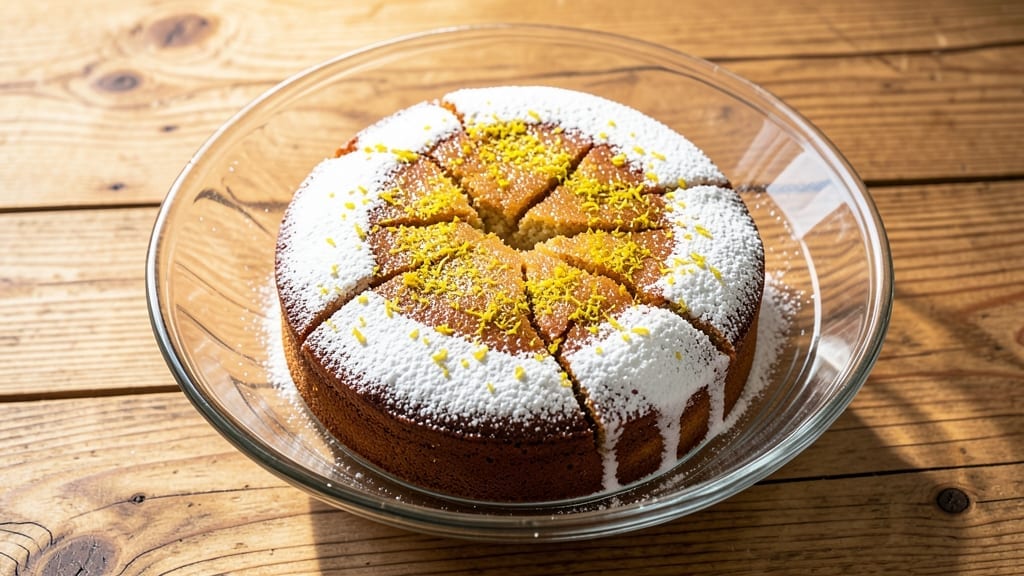
This 2-egg oil cake recipe delivers a light, airy texture that defies its minimal ingredients—no butter, no fuss, just tender layers and bright citrus notes.
I developed it after years of testing oil-based cakes, which often turn dense, and this version finally cracked the code for moist, fluffy perfection with just two eggs and a simple technique. The secret?
Whipping the eggs and oil together until pale and thick, then folding in citrus zest for that signature zing without overpowering the delicate crumb.
The beauty of this recipe lies in its simplicity: 15 minutes of prep, 25 minutes in the oven, and no special equipment beyond a mixing bowl and whisk.
Oil replaces butter for a tender crumb that stays moist for days, while the citrus zest adds a subtle brightness that pairs beautifully with a dusting of powdered sugar or a light lemon glaze.
It’s the kind of cake that feels special without requiring a long ingredient list or complicated steps—ideal for weeknight desserts or last-minute gatherings.
What makes this cake truly special is how it balances texture and flavor. The oil creates a velvety, even crumb, while the citrus zest infuses each bite with a refreshing twist.
It’s light enough to enjoy on its own but sturdy enough to support a simple glaze or fresh berries. The result? A cake that’s easier to make than boxed mixes but tastes like something from a bakery.
Perfect for brunch, afternoon tea, or a quick dessert, this recipe scales effortlessly for any occasion. Whether you’re baking for one or a crowd, the same principles apply—just adjust the pan size. Let’s get baking!
Ingredients for 2 egg cake recipe with oil
Simple ingredients for a cake that surprises with its light, citrus-kissed crumb—no butter, just two eggs and oil.
| Ingredient | Amount | Notes |
|---|---|---|
| Large Eggs 🥚 | 2 whole | Room temperature for best volume |
| Vegetable Oil 🫒 | 1 cup | Light or neutral flavor preferred |
| All-Purpose Flour 🌾 | 1 ½ cups | Sifted for even texture |
| Granulated Sugar 🍚 | 1 cup | White or light brown |
| Powdered Sugar 🍚 | ¼ cup | For dusting or glaze |
| Lemon Zest 🍋 | 1 tbsp | Freshly grated from organic |
| Orange Zest 🍊 | 1 tbsp | Freshly grated for bright flavor |
| Baking Powder 🍞 | 2 tsp | Metal container preferred |
| Salt 🧂 | ½ tsp | Fine sea salt |
| Vanilla Extract 🌸 | 1 tsp | Pure, high-quality extract |
| Milk 🥛 | ¼ cup | Whole for richness |
| Lemon Juice 🍋 | 1 tbsp | Freshly squeezed |
The eggs and oil are the foundation here—room temperature makes all the difference. Whole eggs provide structure, while neutral vegetable oil (like canola or sunflower) keeps the crumb tender. For the best quality, grab organic lemons and oranges from Whole Foods or local markets—the zest should be vibrant and fragrant. The flour? King Arthur or Gold Medal brands are my go-to for consistent results. If you’re using a boxed mix as a comparison, you’ll notice this recipe calls for less sugar—the citrus zest adds natural sweetness without overpowering.
No lemon or orange zest? Substitute with 1 tbsp of bottled citrus zest, though fresh is ideal. Running low on baking powder? Use 1 tsp baking powder plus 1/4 tsp cream of tartar as a substitute. For a dairy-free option, swap the milk for unsweetened almond milk, though the texture may be slightly less tender. The vanilla extract should be pure—Nielsen-Massey or McCormick brands are reliable choices. If you prefer a stronger citrus flavor, add an extra 1/2 tbsp of zest, but don’t exceed 2 tbsp total to avoid bitterness.
This cake keeps beautifully for 3-4 days in an airtight container at room temperature, though it’s best enjoyed fresh. For longer storage, wrap tightly and refrigerate for up to 5 days. The powdered sugar glaze (simply mix powdered sugar with lemon juice) adds a professional touch—store any leftover glaze in a small jar for up to 1 week. If you’ve made extra batter, pour it into a small loaf pan and bake for 45-50 minutes at 350°F for a quick breakfast cake.
Why You’ll Love This Recipe
- No Mixer Needed: I swear by this recipe when I’m too tired to crack the mixer out. Just whisk those eggs with oil until smooth—no lumps, no fuss—and fold in the flour. The batter’s so light, you’ll forget it took zero effort.
- Sweet Without Overpowering: That balance of granulated sugar in the batter and powdered sugar on top? Chef’s kiss. It’s got just enough sweetness to satisfy a craving, but not so much it’ll leave you feeling sluggish. Honestly, my kids ask for seconds before I even finish dusting the plate.
- Breakfast or Dessert: Here’s what sold me—this cake works for any time of day. Serve it warm with a drizzle of honey for breakfast, or chill it overnight for a no-fuss dessert. (Yes, even on a Tuesday night when you’re too lazy for cake pans.)
- Pantry Staples Only: Between us, this recipe’s my secret weapon for when I’m low on ingredients. Two eggs, a splash of oil, and flour from the back of the cupboard? That’s all it takes. And leftovers? They keep for days—perfect for when you bake once and eat twice.
Step-by-step instructions for light and airy citrus oil cake
This method yields a tender, moist cake with a delicate citrus aroma and perfect rise every time.
Whisk Eggs and Vegetable Oil Until Fully Combined
In a large mixing bowl, combine the 2 whole large eggs and 1 cup vegetable oil. Using an electric mixer on medium-high speed, beat for 3-4 minutes until the mixture is pale, thick, and nearly doubled in volume. You’ll see ribbons form when you lift the beaters—this indicates proper emulsification and ensures a light texture.
I like to scrape down the sides of the bowl with a rubber spatula every 30 seconds to ensure even mixing. The goal here is to incorporate as much air as possible, which creates that signature tender crumb. If you’re using room-temperature eggs, this process will go more smoothly without any lumps forming.
Add Sugar and Citrus Zests Gradually
With the mixer running on medium speed, gradually add the 1 cup granulated sugar, 1 tablespoon lemon zest, and 1 tablespoon orange zest. Mix for an additional 2-3 minutes until the sugar is completely dissolved and the mixture is smooth and glossy. The citrus zest will add a bright aroma that infuses throughout the cake.
This gradual addition prevents sugar from settling at the bottom and ensures even distribution. You’ll notice the mixture becoming slightly thicker as the sugar incorporates. If you’re using freshly grated zest, you might see tiny flecks throughout—this is normal and adds texture contrast to the finished cake.
Combine Dry Ingredients Separately
In a medium bowl, sift together the 1.5 cups all-purpose flour, 2 teaspoons baking powder, and 0.5 teaspoon salt. Whisk lightly to combine, then make a well in the center. Add the 1 teaspoon vanilla extract, 0.25 cup milk, and 1 tablespoon lemon juice to the well.
I always sift the dry ingredients to prevent clumping and ensure even baking. The well helps incorporate the liquids without overmixing, which could develop gluten and make the cake dense. The lemon juice adds moisture and balances the sweetness while enhancing the citrus flavor profile.
Fold Dry Ingredients Into Wet Mixture
With the mixer on low speed, gradually add about one-third of the dry ingredients to the wet mixture. Mix just until combined, then add another third and mix again. Finish by adding the remaining dry ingredients and mixing on low speed until just combined—you should still see small flour streaks. Overmixing at this stage can make the cake tough.
I use a spatula to gently fold any stubborn dry bits from the bowl’s edges. The goal is to create a smooth batter with no lumps. The batter should be thick but pourable, similar to heavy cream. If it’s too thick, you can add a splash more milk to reach the proper consistency.
Bake in Prepared Pans for Even Rise
Preheat your oven to 350°F. Grease two 8-inch round cake pans with vegetable oil and line the bottoms with parchment paper. Divide the batter evenly between the pans and smooth the tops with a spatula. Bake for 25-30 minutes, until a toothpick inserted in the center comes out clean and the edges are golden.
I recommend checking the cake at the 25-minute mark, as ovens vary. The cake should spring back when gently pressed in the center. For even baking, rotate the pans halfway through if your oven has hot spots. The citrus oils will release a wonderful aroma as it bakes, signaling it’s nearly done.
Pro Tips For Making 2 Egg Cake Recipe With Oil
- Whisk Eggs Until Ribbon Stage: Stop when the mixture holds a slow ribbon—no need to overbeat. I used to go until it looked like mashed potatoes, but this cake turns out denser and flatter. Two eggs need just enough air to rise properly, not a meringue.
- Melt Oil First: Warm the oil in the pan before adding batter—just until it shimmers. Cold oil spreads unevenly, and you’ll end up with a greasy mess instead of a crispy, even base. A quick 30-second heat-up makes all the difference.
- Sift Flour Twice: Lumps in flour mean uneven texture. Sift it directly into the bowl before mixing, then sift again after adding sugar. Yes, it’s extra work, but your cake will be light and tender—not gritty or heavy.
- Underbake Slightly: Pull the cake out when the edges look set but the center still jiggles very gently. It’ll firm up as it cools—overbaking dries it out fast. A toothpick should come out with moist crumbs, not dry powder.
Wine and beer pairings for this dish
Citrus-Inspired Whites
This cake’s bright citrus notes pair beautifully with crisp, dry whites. I love Sauvignon Blanc from New Zealand—its zesty acidity mirrors the lemon and orange zest in the cake.
Look for a bottle labeled “dry” with notes of green apple and citrus. Pinot Grigio from Italy is another fantastic choice, especially if you prefer a lighter, more delicate sip. The wine’s crisp finish cuts through the cake’s richness without overpowering its delicate texture. 🍷
Light and Fruity Reds
For a surprising but delicious twist, try a light-bodied red like Pinot Noir from Oregon or California. The berry and cherry notes complement the citrus flavors without clashing. I recommend a bottle with 12-14% alcohol—just enough body to stand up to the cake’s moist crumb.
Avoid heavy, tannic reds like Cabernet Sauvignon, as they’ll overpower the delicate citrus profile.
Sparkling Wine Pairings
Celebrate with a glass of Prosecco or Cava for a festive touch. The effervescence cleanses your palate between bites, making each slice taste fresh. I prefer dry Prosecco with notes of green apple and almond—it’s light enough to let the cake’s citrus shine.
For a budget-friendly option, Freixenet Cordon Negro Cava is a reliable choice with similar brightness.
Beer Pairings for Bold Lovers
If you prefer beer, a wheat beer like Blue Moon or Hoegaarden works beautifully. The citrusy notes in the beer enhance the cake’s lemon and orange zest, creating a harmonious flavor experience.
For a darker option, try a Belgian witbier—its coriander and orange peel flavors complement the cake’s bright profile. Avoid heavy lagers or stouts, as they’ll clash with the delicate citrus flavors. 🍺
Non-Alcoholic Options
Skip the alcohol and opt for a sparkling citrus soda like San Pellegrino Aranciata or Fever-Tree Blood Orange Soda. The effervescence and citrus notes create a refreshing contrast to the cake’s moist texture.
For a homemade twist, mix sparkling water with a splash of fresh lemon juice and a pinch of salt. Serve chilled in elegant glasses to elevate the presentation.
Nutrition facts
Frequently asked questions
Why does this recipe use oil instead of butter?
Oil creates a moist, tender crumb that stays fresh for days without drying out. Unlike butter, it doesn’t add water content that can make cakes dense. The neutral flavor also lets the citrus zest shine while keeping the cake light and airy—perfect for those who prefer a softer texture.
Can I make this cake without citrus zest?
Yes! If you don’t have fresh zest, use 1 teaspoon of bottled citrus zest or 1/2 teaspoon of vanilla extract plus 1/4 teaspoon of almond extract for a similar brightness. The cake will still be delicious—just slightly less vibrant. For the best flavor, invest in a microplane to zest fresh citrus from organic lemons and oranges.
How do I know when the cake is fully baked?
Insert a toothpick into the center—it should come out clean with just a few moist crumbs. The edges should pull away slightly from the pan, and the cake should spring back when gently pressed. If your oven runs hot, check at 22 minutes to avoid overbaking, which can make the cake dry.
Can I use this batter for cupcakes instead?
Divide the batter into 12 lined cupcake molds (fill 2/3 full) and bake at 350°F for 18-20 minutes. The citrus flavor works beautifully in cupcakes too—top with a light glaze or fresh berries. For extra height, add 1/4 teaspoon extra baking powder to the batter.
What’s the best way to store leftover cake?
Wrap tightly in plastic wrap or store in an airtight container at room temperature for 3-4 days. For longer storage, refrigerate for up to 5 days or freeze for 2 months. To revive stale cake, warm slices at 300°F for 5-10 minutes or brush with simple syrup (equal parts sugar and water).

- 12 Bean Chili Recipe: Hearty Slow-Cooked Depth With 12 Legumes - October 17, 2026
- 5 Seed Bread Recipe: Nutty Crunch and Artisan Flavor in One Loaf - October 17, 2026
- 1 Lb Macaroni Salad Recipe: Bold, Crunchy, and Crowd-Pleasing - October 17, 2026