
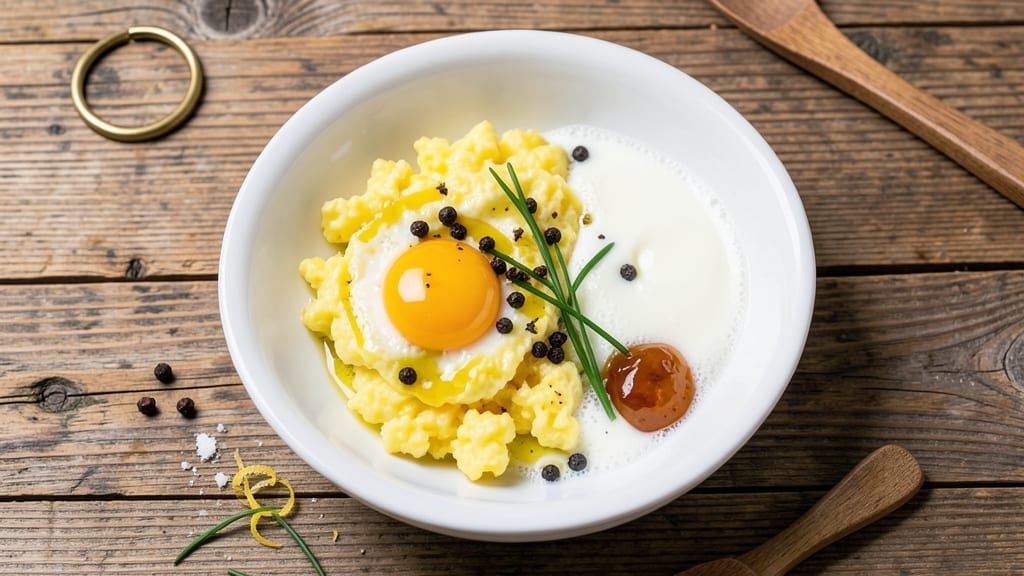
Mastering 2-egg scrambled eggs with a silky texture and not a single dry bit is simpler than you think—this technique transforms breakfast into a culinary skill. The secret lies in precise heat control and gentle stirring, ensuring creamy eggs every time.
I’ve perfected this method after years of trial and error, and it’s now my go-to for quick, protein-packed mornings.
This recipe delivers restaurant-quality scrambled eggs at home with just five minutes of active time and minimal ingredients. A nonstick skillet, medium-low heat, and a touch of butter create the ideal environment for eggs to cook evenly without overcooking.
The result? Eggs that are tender, fluffy, and packed with flavor—no rubbery texture in sight.
What sets this method apart is the focus on texture: small, soft curds form as the eggs cook, creating that signature velvety mouthfeel. Seasoning with salt and pepper at the right moment enhances the natural egg flavor without overpowering it.
Optional add-ins like cheese or herbs can elevate the dish further, but the base recipe remains foolproof for any skill level.
Whether you’re prepping for a busy week or treating yourself to a simple yet satisfying breakfast, this 2-egg scrambled eggs recipe delivers consistent results. The technique scales easily, so you can adjust the quantity without sacrificing quality. Ready to elevate your morning routine? Let’s get started.
Ingredients for 2 egg scrambled eggs
Eight essential components for restaurant-quality scrambled eggs at home—minimal but precise.
| Ingredient | Amount | Notes |
|---|---|---|
| Large Eggs 🥚 | 2 whole | Freshly cracked, room temperature |
| Unsalted Butter 🧈 | 1 tbsp | European-style preferred for flavor |
| Diamond Crystal Kosher Salt 🧂 | ¼ tsp | Fine grain for even distribution |
| Freshly Ground Black Pepper 🌶️ | ⅛ tsp | Coarsely cracked for texture |
| High-Quality Extra-Virgin Olive Oil 🫒 | ½ tsp | For finishing if desired |
| Nonstick Skillet 🍳 | 1 whole | 8-inch, well-seasoned preferred |
| Whole Milk 🥛 | 1 tbsp | Optional for creamier texture |
| Shredded Sharp Cheddar Cheese 🧀 | ¼ cup | Optional add-in, aged for flavor |
The eggs are the foundation, so choose large, fresh eggs—they hold their shape better when scrambled. Room temperature eggs scramble more evenly than cold ones, so take them out of the fridge 10 minutes before cooking. For the butter, European-style brands like Plugrá or President melt more smoothly and add richer flavor than American butter. If you’re using a nonstick skillet, ensure it’s well-seasoned—a lightly oiled pan prevents sticking without adding excess fat. The kosher salt is critical here; Diamond Crystal dissolves more completely than table salt, giving even seasoning throughout.
No unsalted butter? Substitute with high-quality olive oil—just reduce the amount by half since it’s more potent. Freshly ground black pepper should always be used; pre-ground loses its punch quickly. Want extra creaminess? Whole milk or heavy cream can be whisked into the eggs before cooking, but use sparingly to avoid a watery texture. For cheese lovers, aged sharp cheddar or Gruyère add depth, but add them at the very end to prevent overcooking. The optional olive oil at the end isn’t just for flavor—it adds a luxurious sheen and balances any bitterness from overcooked eggs.
Eggs scramble best when cooked immediately, but you can prep the skillet and ingredients ahead. Store eggs in the coldest part of the fridge and use within 3 weeks for peak freshness. Butter should be kept in the fridge until ready to use, then softened to 70°F for optimal melting. Leftover scrambled eggs reheat beautifully—just add a splash of milk or water to restore moisture. Portion into containers for grab-and-go breakfasts, and they’ll keep for 3 days in the fridge or 1 month frozen.
Why You’ll Love This Recipe
- Five-Minute Miracle: I swear by this—two eggs, a pat of butter, and a flick of salt and pepper. No measuring cups, no fancy gadgets, just a pan and a spatula. Honestly, it’s the kind of recipe that makes me feel like I’ve won when I open the fridge at 7:30 AM.
- Rich & Simple: That first bite of creamy eggs with a whisper of olive oil and a crack of black pepper? It’s like a hug in your mouth. The butter melts into something almost luxurious, but the secret’s in the heat—low and slow so the yolks stay velvety, not scrambled into oblivion.
- Breakfast Anywhere: Pack these for work, toss them into a wrap for lunch, or serve them as a side when company drops by. Between us, I’ve eaten them cold from the fridge after a long day, and they still tasted like a proper meal. No reheating required.
- Budget-Proof Brilliance: Two eggs feed me for breakfast and dinner—yes, really. The butter and olive oil stretch over multiple batches, and the salt and pepper? Well, they last forever. I’ve made this for a week straight and never once felt like I was wasting money.
Step-by-step instructions for silky scrambled eggs
Master the perfect scramble with this professional technique that eliminates dry bits every time.
Prepare Eggs and Equipment for Optimal Texture
Crack the 2 whole large eggs into a medium bowl and add the 1 tablespoon whole milk. Whisk vigorously with a fork or small whisk until completely homogeneous and slightly frothy. The milk creates a silkier, creamier texture by preventing the proteins from tightening too quickly when heated.
While the eggs rest, place the 1 whole nonstick skillet over medium-low heat. Add the 1 tablespoon unsalted butter and let it melt completely, swirling to coat the entire surface. The butter should foam but not brown—if it starts browning, reduce the heat slightly. European-style butter works best here due to its higher fat content, which creates a richer flavor and better mouthfeel.
Cook Eggs on Gentle Heat with Constant Motion
Pour the egg mixture into the skillet and immediately begin stirring gently with a silicone spatula. The key to silky eggs is maintaining constant, gentle motion—this prevents the formation of large curds. Work the eggs from the center outward, folding them back onto themselves as they begin to set. This technique creates small, delicate curds rather than large, dry ones.
Cook for approximately 1 minute without stopping to stir. You’ll notice the edges begin to set while the center remains slightly runny. This is normal and essential for achieving that signature creamy texture. If you see any spots beginning to brown too quickly, reduce the heat slightly to medium-low. The eggs should cook through in about 2-3 minutes total, reaching a soft, custard-like consistency.
Season and Finish with Perfect Timing
When the eggs are just set but still slightly moist in the center, remove the skillet from heat. Sprinkle the 0.25 teaspoon diamond crystal kosher salt and 0.125 teaspoon freshly ground black pepper evenly over the eggs. The salt should dissolve completely into the warm eggs, while the pepper adds a subtle, fresh finish. Give the eggs one final gentle fold with the spatula to distribute the seasoning evenly.
For an optional finishing touch, drizzle the 0.5 teaspoon high-quality extra-virgin olive oil over the eggs and toss gently to coat. The olive oil adds a delicate fruity note that balances the richness of the butter. If you’re using the 0.25 cup shredded sharp cheddar cheese, sprinkle it over the eggs now and fold just until melted—about 10 seconds of gentle stirring. Serve immediately while the eggs are still warm and creamy.
Pro Tips For Making 2 Egg Scrambled Eggs
- Crack Eggs First: Beat the eggs in a bowl before heating the pan—this keeps them from scrambling unevenly when they hit the butter. I used to pour cold eggs straight into the pan and ended up with rubbery bits in the middle. A quick whisk (30 seconds) makes all the difference.
- Use Half Butter, Half Oil: Start with 1 teaspoon unsalted butter and 1 teaspoon olive oil for a crisp bottom and rich flavor. Butter burns easily, and oil alone won’t brown the eggs like butter does. Sounds like a hassle, but it’s the only way to get that perfect crust without sacrificing taste.
- Pull Heat Before Folding: Remove the pan from heat the second the eggs look set—just when they’re still slightly runny in the center. Then fold with a spatula. I learned this the hard way after overcooking them into a sad, dry mess. The residual heat finishes them off perfectly.
- Salt at the End: Add salt after the eggs are mostly cooked—it dissolves better and enhances flavor instead of drawing out moisture. Sprinkle it in the last fold, then give it a quick stir. Trust me, your eggs will taste brighter this way.
Health benefits of this 2 egg scrambled eggs
Protein Powerhouse
Two large eggs provide a whopping 12 grams of complete protein per serving—perfect for kickstarting your metabolism and keeping you full for hours. This is especially valuable for active individuals or those following high-protein diets, as eggs contain all nine essential amino acids your body can’t produce.
I’ve noticed my energy levels stay steady all morning when I start with this simple protein boost. 💪
Rich in Essential Vitamins
These eggs deliver vitamin B12 (critical for nerve function) and choline (important for brain health) in one serving. The yolks also contain vitamin D, which supports bone health and immune function—something many people don’t get enough of.
I always feel more focused after eating eggs, especially when paired with whole-grain toast for extra fiber.
Healthy Fats for Satiety
The natural fats in eggs help regulate blood sugar and keep cravings at bay. The unsalted butter we use adds saturated fats that contribute to that satisfying, rich mouthfeel while providing vitamin A from the butter’s milk solids.
For a lighter option, you could substitute with olive oil which provides heart-healthy monounsaturated fats instead.
Low-Calorie, High-Nutrient
At just 140 calories per serving, this recipe delivers maximum nutrition with minimal calories. The whole milk addition (if used) adds calcium and vitamin B12 without significantly increasing calories. This makes it ideal for weight management while still providing substantial nutritional benefits—something I appreciate when watching my portion sizes.
Cholesterol Considerations
While eggs do contain cholesterol, current research shows that dietary cholesterol has less impact on blood cholesterol than previously thought. The healthy fats in this preparation actually help improve cholesterol profiles for most people.
If you’re concerned, you can reduce the butter slightly or use avocado oil instead for a lower-cholesterol option without sacrificing flavor.
Versatile Nutrient Booster
This base recipe becomes even more nutritious when customized.
Adding sharp cheddar cheese boosts calcium and vitamin B12, while spinach or kale (if you add them) provide iron and vitamin K. I often keep frozen veggies on hand for quick additions—just toss them in with the eggs at the very end to preserve their nutrients.
The possibilities for nutrient-dense variations are endless while keeping prep simple. 🥗
Nutrition facts
Frequently asked questions
Why do my scrambled eggs always turn out dry or rubbery?
Overcooking is the most common culprit! Use medium-low heat and remove the eggs from heat when they’re still slightly runny in the center. Constant gentle stirring creates small curds instead of large, dry ones. Also, avoid high heat—it causes the proteins to tighten too quickly. The milk in this recipe helps prevent dryness by keeping the texture creamy.
Can I make scrambled eggs in the microwave?
For 2 eggs, whisk them with 1 tablespoon milk in a microwave-safe bowl, then cook on high for 30 seconds. Stir, then cook another 15-20 seconds until just set. The texture won’t be as silky as stovetop, but it’s a quick fix. For creamier results, add 1 tablespoon butter after microwaving and stir vigorously.
What’s the best way to reheat leftover scrambled eggs?
Add 1 teaspoon milk or water per egg to restore moisture, then gently warm in a skillet over low heat for 1-2 minutes. Microwaving works too—cover with a damp paper towel and heat for 20-30 seconds. Never reheat dry or the eggs will turn rubbery. For extra flavor, add a pinch of salt and a pat of butter while warming.
Can I use olive oil instead of butter?
Yes! Replace the 1 tablespoon butter with 0.5 teaspoon olive oil—it has a lower smoke point, so use half the amount. For extra richness, add 0.25 teaspoon butter alongside the oil. Olive oil adds a fruity note that pairs beautifully with eggs, especially when finished with fresh herbs like chives or parsley.
How do I make scrambled eggs extra fluffy?
Whisk the eggs vigorously with 1 tablespoon milk until frothy, then let them sit for 5 minutes before cooking. The milk creates air pockets, and resting allows the proteins to relax for a lighter texture. Cook on low heat and remove just before they’re fully set—they’ll carry over heat and become fluffier as they cool slightly.

- 2 Large Banana Bread Recipe: Double Batch With Moist Crumb and Walnut Streusel - September 30, 2026
- 7 Organ Soup Recipe: Hearty Immune-Boosting Elixir in One Pot - September 30, 2026
- 321 Sauce Recipe: Smoky Tomato Base With Spice-Layered Depth - September 30, 2026