
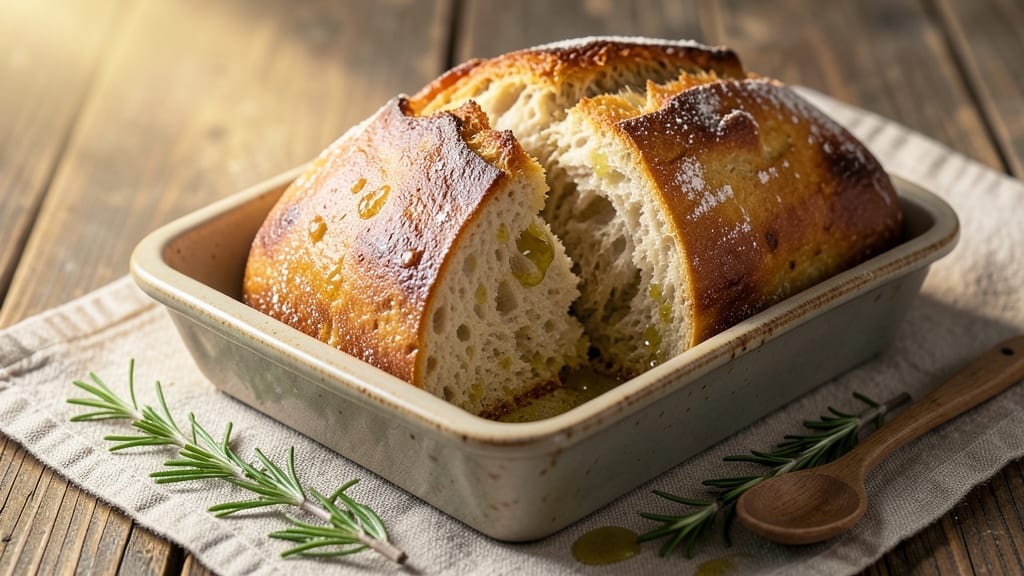
A 2-hour bread machine recipe that delivers restaurant-quality results with minimal effort is exactly what you need when you crave freshly baked bread without the hours of waiting.
This hands-off method transforms simple ingredients into a loaf with a crisp, rustic crust and a tender crumb—perfect for sandwiches, toast, or serving with soup. The secret lies in the right settings and a few key techniques that ensure fluffiness without compromising texture.
Unlike store-bought loaves, this recipe uses a dough cycle in your bread machine to develop gluten properly, resulting in a structure that’s both airy and sturdy. You’ll only need five basic ingredients—flour, yeast, sugar, salt, and water—plus a splash of olive oil for that signature artisan touch.
The process is straightforward: mix, set, and let the machine do the work while you focus on other tasks.
By the time you hear that satisfying ping, you’ll have a loaf with a golden, crackly crust and an interior so light it practically melts in your mouth.
The beauty of this method is its versatility—whether you’re baking classic white bread, whole wheat, or even a seeded variation, the same principles apply. No kneading, no stress, just a foolproof way to enjoy homemade bread in record time.
For those who love customization, the tips section will cover adjustments for whole wheat, adding seeds or nuts, and even troubleshooting common issues like dense crumb or pale crust. This recipe isn’t just about speed; it’s about achieving professional-quality bread with the convenience of a bread machine.
Ingredients for 2 hour bread machine
Five core ingredients plus optional seeds transform your bread machine into a rustic artisan loaf.
| Ingredient | Amount | Notes |
|---|---|---|
| All-Purpose Flour 🌾 | 3 ½ cups | Sifted for even texture |
| Active Dry Yeast 🍞 | ¾ tsp | Ensure it's fresh (test in warm water) |
| Granulated Sugar 🍚 | ¼ cup | White or light brown |
| Salt 🧂 | 1 tsp | Diamond Crystal preferred |
| Extra-Virgin Olive Oil 🫒 | 1 ½ tbsp | High-quality, fruity variety |
| Warm Water 💧 | 1 ¼ cups | 110°F, not boiling |
| Poppy Seeds 🌻 | 1 tbsp | Optional for rustic touch |
| Sesame Seeds 🌱 | 1 tbsp | Optional for texture |
The flour is your foundation—King Arthur or Gold Medal are my go-tos for consistent results. Yeast is the magic here, so check the expiration date—if it’s over six months old, test it first. Warm water is crucial; too hot and it kills the yeast, too cold and it won’t activate. For the olive oil, California Olive Ranch or Bertolli are reliable choices. Poppy and sesame seeds add texture but aren’t essential—skip them if you prefer a simpler loaf. The salt matters too; Diamond Crystal dissolves better than table salt and enhances flavor without bitterness.
No poppy seeds? Sunflower seeds or flaxseeds work just as well for crunch. Short on olive oil? Avocado oil or melted coconut oil are solid swaps. The sugar can be swapped for honey or maple syrup (reduce by 1 tbsp), but it won’t caramelize the crust as beautifully. For whole wheat, replace half the all-purpose flour with King Arthur whole wheat flour—it bakes up lighter than store brands. If your yeast is old or inactive, instant yeast works at double the amount (1.5 tsp). And if you’re in a pinch, baking soda at 1 tsp can replace yeast in a pinch, though texture will differ.
Store flour in an airtight container in a cool, dark place for up to 6 months. Yeast? Keep it refrigerated and use within 4 months for best results. The seeds stay fresh for 6-12 months in the pantry. Once baked, this loaf keeps well wrapped at room temperature for 3 days or frozen for 3 months. For extra crispiness, reheat slices in a dry skillet for 30 seconds per side—game-changer for toast. And if you’re making a batch for the week, double the recipe—your freezer will thank you.
Why You’ll Love This Recipe
- Set-and-Forget Magic: I dump in the flour, yeast, sugar, and a splash of olive oil—then walk away. Two hours later, warm bread with that just-baked aroma? The machine does all the kneading and rising while I sip coffee or answer emails.
- Golden Crust, Soft Heart: That touch of olive oil in the dough gives it a crispy crust you’d pay extra for at a bakery, but the inside stays pillowy—like a hug from your nonna. Honestly, the first slice is always the hardest to stop at.
- Weeknight Hero: Toss a loaf in the freezer for toast on lazy mornings or pack slices in lunchboxes. It’s my go-to for sandwiches, garlic bread, or even croutons—no fancy prep, just reliable flavor that works every time.
- Pocketbook Perfection: Five ingredients, zero specialty items. The yeast and sugar stretch a little flour far, and olive oil adds richness without breaking the bank. I’ve made this for years, and my wallet hasn’t complained once.
Step-by-step instructions for hands-off artisan loaf
Here’s how to transform basic ingredients into a rustic, crusty loaf with minimal effort.
Prepare the Bread Machine Pan and Ingredients
First, lightly grease your bread machine pan with a thin layer of extra-virgin olive oil—just enough to prevent sticking. This ensures an easy release later. While the pan preps, sift the 3.5 cups all-purpose flour directly into the bread machine pan to eliminate any lumps. The sifting creates a lighter texture and prevents dense pockets in your final loaf.
In a small bowl, combine the 0.75 teaspoon active dry yeast with the 0.25 cup granulated sugar. This mixture should look slightly foamy after 5 minutes—if it doesn’t, your yeast might be stale. Add the 1 teaspoon salt to the flour in the pan and mix lightly with a wooden spoon. The salt should be evenly distributed but not clumped.
Mix the Wet Ingredients and Combine
Measure the 1.25 cups warm water (around 110°F) into a separate measuring cup—it should feel comfortably warm to your wrist, not hot. Add the 1.5 tablespoons extra-virgin olive oil to the water and whisk until fully emulsified. This step creates a smoother dough and helps with gluten development.
Pour the wet mixture into the flour in the bread machine pan. Add the yeast-sugar mixture and sprinkle the 1 tablespoon poppy seeds and 1 tablespoon sesame seeds on top. Use the wooden spoon to gently stir everything together until just combined—you shouldn’t see any dry flour remaining. The dough will be sticky but should pull away from the sides of the pan slightly.
Select the Basic Setting and Begin
Close the bread machine lid and select the “Basic” setting. The machine will automatically knead the dough for about 5 minutes before switching to the rising phase. During kneading, you’ll hear a rhythmic thumping sound—this is normal and indicates proper gluten development. Don’t open the lid during this process, as the sudden temperature change can affect fermentation.
Once the kneading completes, the machine will automatically begin the rising phase. This is where the magic happens—the yeast activates, and the dough will nearly double in size. The machine will maintain a consistent temperature of around 85°F during this process, creating ideal conditions for fermentation. You’ll know it’s ready when the dough has visibly expanded and the machine beeps to signal the baking phase.
Bake to Golden Perfection
The bread machine will automatically switch to baking mode, where the loaf will bake for approximately 30-45 minutes. You’ll notice a wonderful aroma filling your kitchen as the crust begins to develop. The ideal crust should be deep golden brown with some dark spots—this indicates proper browning and a crisp texture. If your machine has a window, you can peek to check for these visual cues.
When the cycle completes, remove the loaf from the pan immediately and place it on a wire rack. The bread will continue to firm up as it cools, and the crust will crisp further. For the best texture, let it cool for at least 15 minutes before slicing. This resting period allows the internal structure to set properly, preventing a gummy crumb.
Pro Tips For Making 2 Hour Bread Machine
- Measure yeast by weight: That little scoop in your yeast packet? Forget it. Use a kitchen scale for 2¼ grams—yeast is not a “pinch” ingredient. I learned this the hard way when my bread took 4 hours instead of 2 because I eyeballed it.
- Use room-temperature oil: Cold olive oil slows yeast activation. Warm it slightly (just until it drizzles easily) before adding—no need to heat the whole batch. Sounds weird, but it works: your dough will rise faster and smoother.
- Skip the sugar shortcut: Granulated sugar isn’t just flavor—it feeds the yeast. Don’t swap for honey or maple syrup unless you’re willing to add extra yeast (½ tsp more) and extend the rise time. Your bread will taste flat if you cut corners here.
- Dump everything in fast: Add flour first, then yeast, sugar, salt, and lastly the oil. The yeast gets buried under flour, so it activates evenly without sticking to the sides. I used to mix it all together—now I just dump and stir once.
Regional styles of 2 hour bread machine
Italian Rustic Panino
This variation transforms your bread into a classic Italian panino loaf, perfect for sandwiches. Replace 1 tablespoon of poppy seeds with 1 tablespoon dried oregano and add 1 teaspoon garlic powder to the flour mixture.
The result is a fragrant loaf with a slightly herby note that pairs beautifully with prosciutto, mozzarella, and roasted peppers. 🌿
French Baguette Style
For a baguette-like texture, reduce the olive oil to 1 tablespoon and add 1 teaspoon instant yeast instead of active dry yeast. Use the “Dough” setting on your bread machine and let the dough rise for an extra 10 minutes after the initial kneading.
Shape the dough into a long loaf in a greased 9×5-inch loaf pan and bake at 375°F for 20 minutes after the machine cycle completes.
German Pretzel Twist
Add 1 tablespoon baking soda to the flour mixture and replace the poppy seeds with 1 tablespoon coarse sea salt. After the bread machine cycle, brush the crust with 1 tablespoon melted butter and sprinkle with additional coarse salt.
For an extra step, boil the loaf in water with 2 tablespoons baking soda for 30 seconds before baking to create that classic pretzel crust.
Southern Cornbread Loaf
Swap 1 cup of the all-purpose flour for 1 cup fine cornmeal and replace the poppy seeds with 1 tablespoon honey. Add ½ teaspoon cinnamon for warmth.
This variation creates a slightly sweet, crumbly loaf that’s perfect for serving with chili or BBQ. The cornmeal adds a delightful texture that’s distinctly Southern. 🌽
Mediterranean Herb Loaf
Add 1 tablespoon dried rosemary and 1 tablespoon dried thyme to the flour mixture, along with 1 teaspoon lemon zest. This creates a fragrant, aromatic loaf that pairs beautifully with Mediterranean flavors like olives, feta, and grilled vegetables.
The herbs infuse the dough with a bright, earthy flavor that’s perfect for summer meals.
Whole Wheat Multigrain
Replace 1.5 cups of all-purpose flour with 1.5 cups whole wheat flour and add 2 tablespoons mixed seeds (sunflower, pumpkin, and flaxseeds). The whole wheat adds fiber and a nuttier flavor, while the seeds provide extra crunch.
For best results, use King Arthur whole wheat flour—it bakes up lighter than store brands. This variation is heartier and more nutritious without sacrificing texture. 🌾
Nutrition facts
Frequently asked questions
Can I use this recipe with any bread machine brand?
Most modern bread machines (Panasonic, KitchenAid, Zojirushi) will work perfectly with this recipe. The key is using the “Basic” or “Dough” setting—just check your manual for equivalent terms. If your machine has a “Crust” setting, avoid it as it can over-bake the loaf. For older models without preset settings, follow the 5-minute knead, 1-hour rise, and 30-45 minute bake sequence manually.
Why did my bread turn out dense instead of light and fluffy?
Dense bread usually means one of three things: stale yeast, overmixing, or incorrect water temperature. First, test your yeast by mixing with 1 tsp sugar and 2 tbsp warm water—it should foam in 5 minutes. Second, avoid overmixing after combining ingredients (just stir until combined). Finally, ensure your water is 110°F—too hot kills yeast, too cold slows fermentation. If all else fails, try the “Dough” setting instead of “Basic” for better gluten development.
Can I make this recipe without a bread machine?
Mix all ingredients by hand until a sticky dough forms. Knead for 10 minutes (by hand or mixer with dough hook), then let rise in a greased bowl for 1 hour until doubled. Punch down, shape into a loaf, and bake at 375°F for 30-35 minutes until golden. The texture will be slightly denser than machine-made bread, but still delicious. For extra crust, brush with egg wash before baking.
How do I store or reheat leftover bread?
Wrap cooled bread tightly in plastic wrap or foil and store at room temperature for up to 3 days. For longer storage, freeze slices in a ziplock bag for 3 months. To reheat, wrap slices in foil and warm in a 350°F oven for 5-7 minutes or use a toaster for 30 seconds. For extra crispiness, toast slices in a dry skillet over medium heat for 1-2 minutes per side—perfect for avocado toast or grilled cheese.
Can I add sweeteners like honey or maple syrup?
Yes, but reduce other liquids slightly to maintain proper dough consistency. Replace 1 tbsp sugar with 1 tbsp honey or maple syrup and reduce water by 1 tbsp. These sweeteners add moisture and subtle flavor but may slightly darken the crust. For a sweeter loaf, add 1 tbsp brown sugar along with the granulated sugar. The yeast will work slower with honey, so increase rise time by 10-15 minutes if needed.

- Pea Soup Instant Pot Recipe: Velvety Green Smoothness in 20 Minutes - November 1, 2026
- Pork Loin Pulled Pork Crock Pot Recipe: Slow-Smoked Tenderness With Zero Dryness - November 1, 2026
- Baked Potatoes in Crock Pot Recipe: Buttery Interiors and Crispy Top Magic - November 1, 2026