
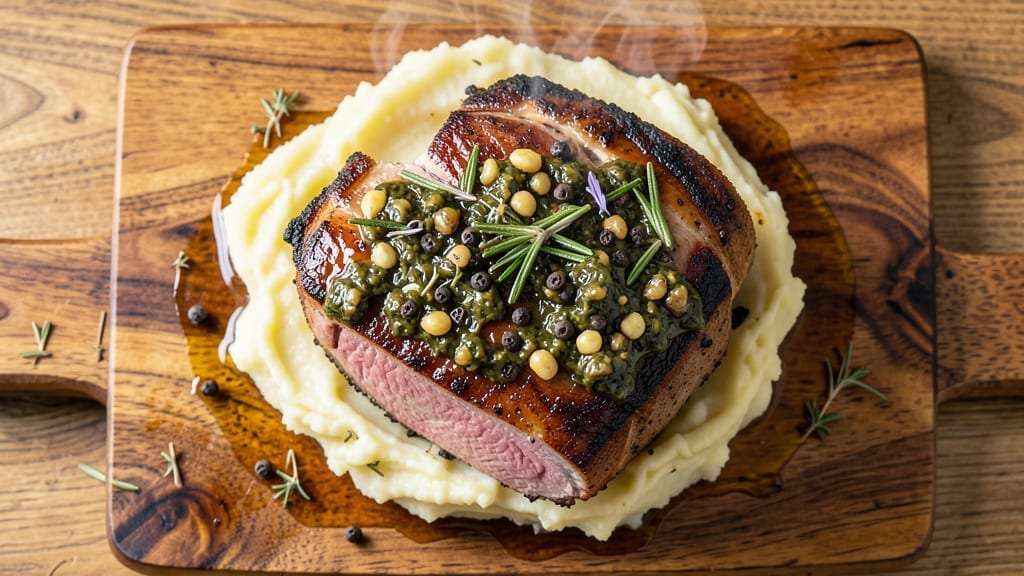
A 2 lb top sirloin roast cooked to juicy pink perfection transforms a simple weeknight into a memorable meal. The secret lies in precise seasoning and controlled cooking—herbs, garlic, and a light crust seal in moisture while creating a flavorful bark.
This method ensures tender, melt-in-your-mouth texture without overcooking, making it ideal for families or dinner guests who appreciate restaurant-quality results at home.
The herb crust isn’t just for flavor—it acts as a protective barrier that keeps the roast moist inside while developing a savory, golden exterior. You’ll work with simple pantry staples: coarse salt, black pepper, fresh rosemary, and garlic, all combined into a paste that clings perfectly to the meat.
The roasting process is straightforward, but timing is critical to avoid dryness.
What you’ll end up with is a beautifully seared roast with a fragrant herb crust and juicy pink centers that slice cleanly. The aroma alone will have everyone gathered at the table, and each bite delivers rich beef flavor balanced by bright, aromatic herbs.
Serve with roasted potatoes or a fresh green salad to round out the meal.
This recipe delivers foolproof results every time—no guesswork, no second chances. The method scales perfectly for a 2 lb roast, ensuring consistent doneness and maximum tenderness. Whether you’re feeding a family or hosting a dinner party, this approach guarantees a showstopping centerpiece that’s simple to execute.
Ingredients for 2 lb top sirloin roast
Simple pantry staples and fresh herbs transform a 2 lb sirloin into restaurant-quality perfection.
| Ingredient | Amount | Notes |
|---|---|---|
| Top Sirloin Roast 🥩 | 2 lb | Center-cut preferred for tenderness |
| Fresh Rosemary 🌿 | ¼ cup | Finely chopped, stems removed |
| Garlic Cloves 🧄 | 4 cloves | Minced for herb paste |
| Coarse Kosher Salt 🧂 | 2 tbsp | Diamond Crystal preferred |
| Freshly Ground Black Pepper 🌶️ | 1 ½ tbsp | Freshly cracked preferred |
| Extra-Virgin Olive Oil 🫒 | 2 tbsp | High-quality, fruity variety |
| Unsalted Butter 🧈 | 2 tbsp | Cold, cubed for crust |
| Yellow Onion 🧅 | 1 whole | Thinly sliced for garnish |
| Fresh Thyme Leaves 🌿 | ⅛ cup | Chopped, for herb blend |
| Red Wine Vinegar 🍷 | 1 tbsp | For herb paste acidity |
| Fresh Parsley 🌿 | ⅛ cup | Chopped, for garnish |
| Vegetable Oil 🫒 | 1 tbsp | For searing pan |
| Balsamic Glaze 🍷 | 2 tbsp | For finishing drizzle |
The roast is everything here—center-cut top sirloin delivers that perfect balance of tenderness and beefy flavor. Grab one from Whole Foods or your local butcher—they’ll usually trim it for you. Look for good marbling and ask for it to be trimmed of excess fat. The herb crust needs to cling, so pat the roast completely dry with paper towels before seasoning. I always buy extra rosemary because it keeps for weeks in the fridge—wrap the stems in damp paper towels and store in a bag. Fresh thyme and parsley? Trader Joe’s has them in little bags that last about a week in the crisper drawer.
No fresh rosemary? Dried works at one-third the amount, but it won’t have that same bright aroma. Running low on olive oil? Avocado oil works just as well for searing. The butter in the crust is non-negotiable—it creates that golden bark. No butter? Vegan butter or extra olive oil in a pinch, but trust me on the full-fat version. The balsamic glaze can be swapped for a quick reduction of red wine and a touch of brown sugar if you’re feeling fancy. And if you’ve got leftover herb paste from the crust, use it on steaks or grilled veggies—it’s that good.
This roast reheats beautifully—just slice it and warm in a skillet with a splash of beef broth. Keeps 3-4 days in the fridge, wrapped tightly in foil. For leftovers, slice against the grain and serve on toasted baguettes with a sprinkle of those extra herbs. The crust freezes well too—portion it into single-serving bags if you want to use it later on chicken or fish. And save those herb stems! Toss them in a pot of simmering beans or soup for extra flavor.
Why You’ll Love This Recipe
- Because let’s be real: roast beef leftovers usually disappoint. Not this one. The rosemary keeps it from drying out, so I’ll slice it into sandwiches or chowder the next day—still rich, still satisfying. My secret weapon.
- No-Fuss Prep: I swear by this—just a quick rub of salt, pepper, and crushed garlic cloves, then a sprig of rosemary tucked into the crevice. Fifteen minutes max, and you’re done fussing.
- Rosemary-Kissed Magic: That fresh rosemary? It doesn’t just happen—it blooms into this earthy, piney aroma while roasting, wrapping the meat in a scent that’ll have everyone leaning in. Honestly, the first time I smelled it coming out of the oven, I nearly took a bite straight off the pan.
- Weeknight to Dinner Party: Same recipe, different occasions. Toss it on the table for a lazy Sunday supper or carve it for guests—no one will guess it’s the same effort. (Yes, even on a Tuesday night.)
Step-by-step instructions for herb-crusted top sirloin roast
Here’s how to achieve that perfect balance of crispy crust and juicy pink center every time.
Prepare the Herb Crust and Season the Roast
In a small bowl, combine the 0.25 cup fresh rosemary, 4 cloves minced garlic, 0.125 cup fresh thyme leaves, 1 tbsp red wine vinegar, 2 tbsp extra-virgin olive oil, 1.5 tbsp freshly ground black pepper, and 2 tbsp coarse kosher salt. Mix thoroughly to create a vibrant herb paste. This blend will give your roast its signature flavor and aromatic crust.
Pat the 2 lb top sirloin roast dry with paper towels—this is crucial for that perfect crust. Spread the herb mixture evenly over the entire surface, pressing it gently into the meat. Let it sit at room temperature for 30 minutes while you prepare your cooking station. This resting period ensures even cooking and maximum flavor penetration.
Sear the Roast for Maximum Flavor
Heat 1 tbsp vegetable oil in a heavy oven-safe skillet over medium-high heat until shimmering. Place the seasoned roast in the skillet and sear on all sides for 3-4 minutes per side, until it develops a deep golden-brown crust. This step locks in juices and creates that beautiful caramelized exterior we’re after.
I like to press down gently on the roast during the first minute of searing—this prevents it from curling and ensures even contact with the pan. Once all sides are beautifully seared, transfer the skillet to a 400°F preheated oven. The residual heat from the searing will help kickstart the roasting process immediately.
Roast to Perfect Medium-Rare Doneness
Roast the sirloin for 20-25 minutes for medium-rare doneness. The internal temperature should reach 130-135°F when measured with a meat thermometer inserted into the thickest part. This is where the magic happens—the roast develops its signature pink center while maintaining a juicy texture.
Don’t be tempted to overcook—top sirloin is best enjoyed with that beautiful pink interior. If you prefer medium doneness, aim for 140-145°F and add another 5-7 minutes to the roasting time. The roast will continue cooking slightly after removal from the oven due to carryover heat.
Rest and Finish with Butter and Balsamic
Remove the roast from the oven and transfer it to a cutting board. Tent loosely with aluminum foil and let it rest for 10-15 minutes. This resting period is absolutely critical—it allows the juices to redistribute throughout the meat, ensuring each slice remains moist and flavorful when sliced.
While the roast rests, melt the 2 tbsp unsalted butter in the same skillet over low heat. Add the 1 whole thinly sliced yellow onion and cook for 2-3 minutes until softened. Pour this butter-onion mixture over the roast, then drizzle with the 2 tbsp balsamic glaze. Finally, sprinkle with 0.125 cup chopped fresh parsley for a pop of color and freshness.
Slice and Serve Immediately
Slice the roast against the grain into ½-inch thick slices. The grain direction will be visible in the meat—cutting against it creates tender, bite-sized pieces. Arrange the slices on a warm platter and serve immediately with any accumulated juices from the cutting board.
Each slice should reveal that beautiful pink center surrounded by a crispy herb crust. The balsamic glaze adds a touch of sweetness that complements the savory herb flavors perfectly. Serve with roasted vegetables, mashed potatoes, or a fresh green salad for a complete meal that’s sure to impress.
Pro Tips For Making 2 Lb Top Sirloin Roast
- Use a Meat Thermometer: Forget guessing—this 2 lb roast needs to hit 130°F internal temp for medium-rare (135°F for medium). I learned the hard way when I pulled it at 125°F—it jumped another 10°F while resting. No one wants dry steak.
- Crush Garlic Cloves: Whole garlic cloves just sit there like decorative rocks. Smash them flat with the side of your knife first—3-4 hard presses per clove—so the flavor actually infuses into the meat. Trust me, your roast will taste like it’s been marinated, not just sprinkled.
- Salt the Night Before: Season the roast 12-24 hours ahead with 1.5 tsp kosher salt (yes, that much). The salt penetrates deeper, and the crust forms better when you sear it later. I used to salt right before cooking, and the crust always came out patchy.
- Sear in Two Stages: Start with high heat for 2 minutes per side to get that golden crust, then lower the heat to medium-high for another 2 minutes. The first time I kept it on high the whole time, the outside burned before the inside cooked. Patience—your roast will thank you.
Creative variations of 2 lb top sirloin roast
Classic French Style
Transform your herb-crusted roast into a bœuf bourguignon-inspired dish by deglazing the pan with 1 cup dry red wine (like Cabernet Sauvignon) after searing. Add 8 oz sliced mushrooms, 2 carrots (chopped), and 1 pearl onion (halved) to the skillet.
After roasting, shred the meat slightly and reduce the pan sauce with 2 tbsp tomato paste and 1 sprig thyme for 10 minutes. Serve over buttery egg noodles with crusty bread for dipping. 🍷
Asian-Inspired Glaze
Swap the balsamic glaze for a teriyaki-inspired finish by mixing 2 tbsp soy sauce, 1 tbsp honey, 1 tbsp rice vinegar, and 1 tsp grated fresh ginger. Brush this glaze over the roast during the last 5 minutes of roasting.
Garnish with sliced green onions and serve with steamed jasmine rice and stir-fried bok choy. The sweet-savory glaze cuts through the richness beautifully. 🌶️
Smoky Chipotle Crust
For a Southwestern twist, replace half the rosemary with 2 tbsp chopped cilantro and add 1 tbsp adobo sauce (from canned chipotles) to the herb paste. After roasting, broil the roast for 2 minutes to intensify the smoky flavor.
Top with crumbled cotija cheese and pickled red onions. Serve with cilantro-lime rice and charred corn salsa. This variation adds a bold, smoky depth that pairs perfectly with the beef’s natural richness. 🔥
Italian Herb & Lemon
Brighten the herb crust with zest from 1 lemon and 2 tbsp chopped fresh basil instead of thyme. After roasting, finish with a squeeze of fresh lemon juice and a sprinkle of grated Parmesan cheese.
Serve with a side of creamy polenta and roasted cherry tomatoes. The citrus notes elevate the dish with a refreshing contrast to the beef’s richness. 🍋
Spicy Cajun Crust
Infuse the herb paste with 1 tbsp Cajun seasoning (like Tony Chachere’s) and ½ tsp smoked paprika for a Louisiana-inspired kick. After roasting, serve with a side of creole mustard and cornbread.
Garnish with sliced scallions and a dash of hot sauce. This variation adds a fiery, smoky dimension that’s perfect for those who love bold flavors. 🌶️
Make-Ahead Game Changer
Prepare the herb crust and season the roast up to 24 hours ahead—store it in the fridge wrapped in plastic. Let it sit at room temperature for 30 minutes before cooking. This method deepens the flavors and makes the crust even more aromatic.
For a weeknight shortcut, preheat the oven, sear the roast, and roast as directed. The herb paste keeps well in the fridge for 3 days—use it on steaks or grilled chicken too! ⏰
Nutrition facts
Frequently asked questions
Can I use a different cut of beef instead of top sirloin?
Top sirloin works best for this recipe because of its balance of tenderness and beefy flavor. For a similar result, try tri-tip roast or top round roast. Avoid leaner cuts like flank steak—they won’t stay as juicy. If using a different cut, adjust cooking times slightly: tri-tip cooks faster, while round may need an extra 5-10 minutes.
How do I know when the roast is done without a meat thermometer?
For medium-rare, press the roast gently—it should feel slightly firm but still springy. Cut into the thickest part: juices should run pink, not red. A 130-135°F internal temp is ideal, but if you don’t have a thermometer, aim for 20-25 minutes at 400°F for a 2 lb roast. Let it rest 10-15 minutes before slicing—this helps judge doneness.
Can I cook this roast in the oven without searing first?
Searing is key for flavor and crust, but if you must skip it, pat the roast dry and rub the herb paste evenly. Place it on a rack in a roasting pan (not touching the bottom) to allow air circulation. Roast at 400°F for 25-30 minutes, checking at 20 minutes. The crust won’t be as crispy, but the meat will still be tender and flavorful.
What’s the best way to reheat leftover roast?
Slice the roast and warm it in a skillet with 1 tbsp butter and 2 tbsp beef broth over medium-low heat for 3-4 minutes. Avoid microwaving—it makes the meat tough. For sandwiches, layer slices on toasted bread with horseradish cream or caramelized onions. Reheated roast keeps 3-4 days in the fridge.
Why did my roast turn out dry?
Overcooking is the most common cause—top sirloin dries out quickly if cooked past 140°F. Always use a meat thermometer and let the roast rest 10-15 minutes before slicing. For extra moisture, brush the roast with 2 tbsp melted butter halfway through cooking. Avoid cutting into it too soon—juices need time to redistribute.

- Pork Loin Pulled Pork Crock Pot Recipe: Slow-Smoked Tenderness With Zero Dryness - November 1, 2026
- Baked Potatoes in Crock Pot Recipe: Buttery Interiors and Crispy Top Magic - November 1, 2026
- Braised Beef Short Ribs Recipe: Crock Pot Fall-Off-Bone Magic in 6 Hours - November 1, 2026