
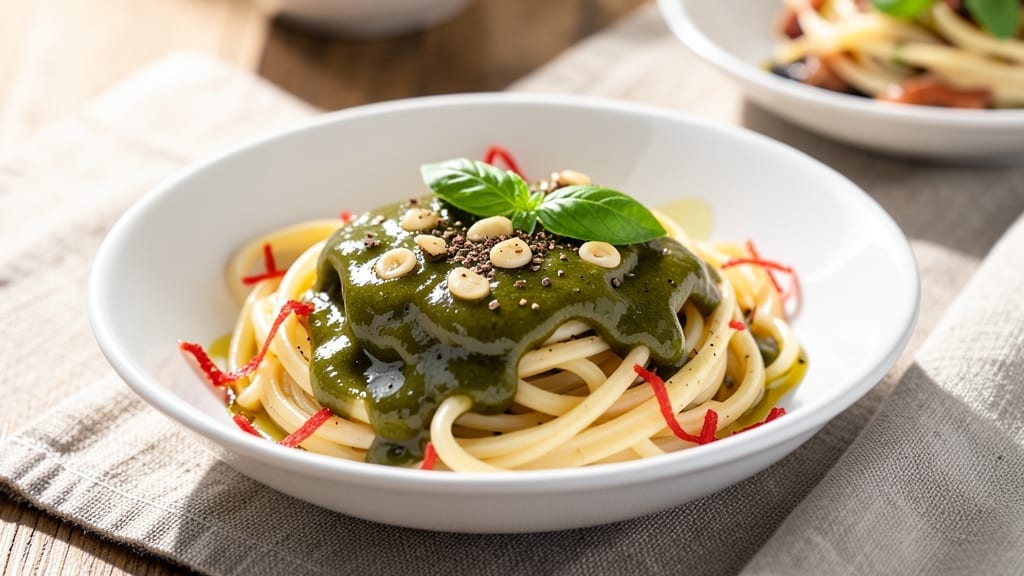
This 2-serving pasta recipe delivers restaurant-quality results in just 20 minutes—no fuss, no waste, and no leftovers. The secret lies in precise ingredient ratios and a foolproof cooking technique that transforms simple ingredients into a dish worthy of a date night.
I developed this recipe after years of testing portion sizes, and it never fails to impress without requiring a full pot of boiling water or a mountain of ingredients.
The foundation of this recipe is a perfectly balanced sauce that clings to each strand of pasta without overwhelming it. We use a combination of olive oil, garlic, and fresh herbs to build flavor, then finish with a touch of lemon zest for brightness.
The key to achieving perfect texture lies in cooking the pasta just shy of al dente—it continues to tenderize slightly while absorbing the sauce. This method ensures every bite is cohesive, with no dry strands or saucy mess.
By the time you twirl that first forkful, you’ll experience a harmonious blend of tender pasta, rich sauce, and aromatic herbs. The dish is elegant enough for a romantic dinner but simple enough for a weeknight.
The portions are generous yet controlled, making it ideal for couples or anyone craving a satisfying meal without the effort of feeding a crowd.
This recipe scales beautifully if you need to serve more, but the beauty of this version is its precision—no guessing, no overcooking, and no wasted ingredients. Whether you’re cooking for two or planning to double the recipe later, the technique remains the same.
Let’s get started on creating your perfect portion of pasta.
Ingredients for 2 serving pasta
Eight simple ingredients transform into a restaurant-worthy pasta for two in minutes.
| Ingredient | Amount | Notes |
|---|---|---|
| Linguine Pasta 🍝 | 4 oz | Dried, high-quality brand preferred |
| Extra-Virgin Olive Oil 🫒 | ¼ cup | Fruity, not strong-tasting |
| Garlic Cloves 🧄 | 3 cloves | Fresh, peeled and minced |
| Fresh Basil Leaves 🌿 | ½ cup | Packed, stems removed |
| Lemon Zest 🍋 | 1 tbsp | From 1 organic lemon |
| Dried Oregano 🌿 | ½ tsp | Italian or Mediterranean blend |
| Salt 🧂 | 1 ½ tsp | Kosher or sea salt |
| Black Pepper 🌶️ | ¼ tsp | Freshly ground preferred |
| Parmesan Cheese 🧀 | ½ cup | Freshly grated from block |
| Heavy Cream 🥛 | ¼ cup | Full-fat for richness |
| Butter 🧈 | 1 tbsp | Unsalted, softened slightly |
| Red Pepper Flakes 🌶️ | ¼ tsp | Optional for heat |
The pasta is the star here—De Cecco or Barilla are my go-tos for that perfect al dente texture. Grab a 4-ounce package (about 2 servings) to avoid leftovers. Fresh basil is non-negotiable for that bright, aromatic punch, but if you’re in a pinch, dried oregano at half the amount works. The garlic? Freshly minced makes all the difference—pre-minced jars have no flavor. For the olive oil, Californian or Italian brands like Bertolli or Pompeian have that fruity, buttery taste that elevates everything. Pro tip: Keep the lemon zest fresh by grating it right before cooking—it loses its brightness fast.
No heavy cream? Full-fat coconut milk gives a similar richness, though it’ll taste slightly different. Short on Parmesan? Pecorino Romano is a great swap, but grate it yourself—pre-grated gets clumpy. The butter can be omitted if you’re watching calories, but trust me on the full-fat version—it makes the sauce silky. Red pepper flakes are optional, but if you love heat, adjust to taste. For the oregano, Italian seasoning blends from Penzeys or Trader Joe’s are my favorites—they’ve got that perfect balance of herbs. And if you’re feeling fancy, add a pinch of nutmeg to the sauce for depth.
Pasta keeps best in an airtight container for 2-3 days in the fridge, but this dish reheats like a dream—just toss with a splash of water and microwave. The sauce? Portion into small jars and store it separately for up to 5 days. Freeze the sauce for 3 months if you’re planning ahead. For the fresh herbs, wrap them in damp paper towels and store in a baggie—they’ll last a week. And if you’re doubling the recipe later, just scale everything up by 100%. This method works perfectly for four.
Why You’ll Love This Recipe
- No-Chop Necessary: I swear by this—just toss in whole garlic cloves (peeled!) and let them sizzle in the olive oil until golden. No knife skills required, and the flavor? Chef’s kiss. The basil and lemon zest get torn by hand in seconds.
- Bright & Bold Bite: That lemon zest cuts through the richness of the olive oil like a summer breeze. The garlic and basil sing together—fresh, punchy, and bright enough to make a simple linguine feel like a restaurant dish.
- Lunchbox Hero: Between us, this keeps perfectly for lunch the next day. Pack the leftovers cold or reheated—either way, the lemon brightens up a dull workday. My office mates now ask for seconds (and I bring it in a mason jar).
- Pantry-Friendly Flex: Honestly, I make this when I’ve got nothing but olive oil and garlic. Add a handful of cherry tomatoes or canned tuna if you’re feeling fancy, but even as-is? It’s my go-to when the fridge is bare. Two servings mean no waste, no stress.
Step-by-step instructions for perfect two-serving pasta
Here’s how to make restaurant-quality linguine in just 20 minutes—no shortcuts, just flawless technique.
Cook the Pasta Al Dente
Fill a medium pot with water and bring to a rolling boil. Add the 4 oz linguine pasta and 1.5 tsp salt, stirring immediately to prevent sticking. Cook for 8-9 minutes until the pasta is al dente—you should still feel a slight resistance when biting into it. Reserve ½ cup pasta water before draining, as this starchy liquid is essential for creating a silky sauce later.
Don’t rinse the pasta after draining—this removes the surface starch that helps the sauce cling beautifully. I like to give the drained pasta a quick shake in the colander to break up any clumps before transferring it to the serving dish. This ensures even sauce distribution later.
Build the Garlic-Oil Base
In a large skillet, heat 0.25 cup extra-virgin olive oil over medium heat. Add the 3 minced garlic cloves and 0.5 tsp dried oregano, cooking for 1-2 minutes until the garlic becomes fragrant but doesn’t brown. This step is crucial—if the garlic burns, it’ll turn bitter and ruin your sauce.
Here’s the thing—you want the garlic to perfume the oil without coloring it. When you see tiny golden specks forming, that’s your cue to remove the pan from heat. Add the 1 tbsp lemon zest and 0.25 tsp red pepper flakes (if using), stirring to combine. This bright citrus and subtle heat will elevate your entire dish.
Create the Creamy Sauce
Return the skillet to low heat and add the 1 tbsp softened butter and 0.25 cup heavy cream. Let it warm gently for 1 minute, then pour in ½ cup reserved pasta water and stir. The sauce should begin to thicken slightly as it incorporates the starch from the pasta water.
This is where the magic happens—I like to taste the sauce at this point. If it needs more richness, add another splash of pasta water. The sauce should coat the back of a spoon but still have a silky, pourable consistency. Remove from heat completely to prevent curdling.
Combine and Finish
Add the drained pasta to the skillet and toss vigorously for 1-2 minutes until every strand is coated in the creamy sauce. The residual heat from the pasta will help emulsify everything beautifully. Stir in 0.5 cup freshly grated parmesan cheese and 0.25 tsp black pepper, tossing until melted and evenly distributed.
Finally, fold in 0.5 cup fresh basil leaves, tearing them between your fingers as you add them. The basil should wilt slightly but still retain some vibrant green color. Taste and adjust seasoning—you might need a pinch more salt to balance the richness of the cream and cheese.
Serve Immediately
Transfer the pasta to warmed serving plates and garnish with additional parmesan cheese if desired. The sauce should cling perfectly to each strand of linguine, creating that coveted “saucy” bite in every mouthful. Serve while still warm—this dish doesn’t wait, and the flavors meld best when piping hot.
Here’s the secret to perfection: Don’t skip the lemon zest or fresh basil. They cut through the richness of the cream and cheese, balancing the dish beautifully. Each bite should deliver creamy, garlicky, herby goodness with just the right amount of brightness. Enjoy your perfectly portioned pasta!
Pro Tips For Making 2 Serving Pasta
- Cook Garlic Low: I learned this the hard way—garlic burns faster than you think. Sauté those cloves over medium-low heat until just golden (about 2-3 minutes), not brown. High heat turns them bitter, and you’ll taste it in every bite.
- Reserve That Water: Save a splash of pasta water before draining—about ¼ cup. Thin the sauce later if it’s too thick, and you’ll avoid that dry, clumpy mess. (Yes, even if you’re impatient like me.)
- Zest Fresh, Not Old: Lemon zest loses its punch fast. Buy the smallest bag you can find and use it within 24 hours—or freeze it in ice cube trays for later. Stale zest just tastes like sad lemon.
- Toss Pasta Hot: Mix the linguine with sauce right after draining, while it’s still steaming. Cold pasta makes the sauce cling like glue, and you’ll end up with a sad, uneven dish. (Your future self will thank you.)
Dietary considerations for this dish
Gluten-Free Adaptation
Swap the traditional linguine for gluten-free pasta like Barilla GF or Jovial Brown Rice Linguine. Cook the pasta for 1-2 minutes less than the package instructions since gluten-free noodles cook faster.
Use the same sauce technique, but add 1 extra tablespoon of cornstarch to the pasta water to help thicken the sauce better for the starchy pasta. 🌱
Dairy-Free Version
Replace the heavy cream with full-fat coconut milk and the butter with olive oil. Use nutritional yeast instead of Parmesan for a cheesy flavor—about 2 tbsp will give that umami depth.
The sauce will still be creamy, though slightly lighter in texture. For extra richness, add 1 tbsp tahini to the sauce base.
Low-Carb Option
Skip the pasta entirely and use shirataki noodles (about 8 oz) for a zero-carb base. Cook them according to package instructions, then rinse thoroughly to remove any funky odor.
The sauce ratios remain the same, but reduce the pasta water to ¼ cup—shirataki noodles release less starch. Toss with extra lemon zest to brighten the dish.
Vegetarian Protein Boost
Add ½ cup cooked white beans (cannellini or great northern) or ½ cup crumbled firm tofu to the finished dish. For beans, warm them in the sauce for 2 minutes to absorb flavors.
For tofu, pan-fry until golden before mixing in. Both options add satisfying texture and plant-based protein without altering the sauce balance.
Allergy-Friendly Swaps
For nut allergies, use sunflower seed butter instead of tahini (if added) and ensure your Parmesan is nut-free. If soy is a concern, opt for tofu-free and use chickpea pasta instead of gluten-free rice noodles.
Always check labels on store-bought ingredients like olive oil and spices for hidden allergens.
Nutrition facts
Frequently asked questions
Can I use any pasta shape for this recipe?
While linguine works perfectly, you can swap for other long pasta shapes like spaghetti or fettuccine. For shorter shapes like penne or farfalle, reduce the cooking time by 1-2 minutes and toss with a splash of pasta water to help the sauce cling. The sauce ratios remain the same—just adjust cooking times to avoid mushiness.
What if I don’t have fresh basil?
No problem! Use 1 tbsp dried basil instead, but reduce to half the amount since dried herbs are more concentrated. For extra flavor, add 1 tsp lemon juice to compensate for the missing brightness. If you have parsley on hand, mix it with the dried basil for a fresh-tasting alternative.
Can I make this ahead of time?
Prep the sauce separately and store it in an airtight container for up to 3 days in the fridge. Cook the pasta fresh when ready to serve—it reheats best when made al dente. For the sauce, reheat gently on the stove with a splash of water to restore creaminess. Never microwave the pasta directly, as it turns rubbery.
Why does my sauce get watery?
This usually happens when you don’t use enough pasta water or overcook the noodles. Always reserve ½ cup pasta water and keep the heat low when adding cream. If the sauce separates, stir in 1 tsp cornstarch mixed with 1 tbsp water to thicken it. The key is patience—let the sauce emulsify naturally from the pasta’s starch.
How do I adjust this for one serving?
Halve all ingredients exactly: use 2 oz pasta, ¼ cup olive oil, 1.5 cloves garlic, and ¼ cup basil. Keep the same proportions for sauce components. The technique remains identical—just scale down the pot size to small saucepan for efficiency. Perfect for a single serving without waste!

- 12 Bean Chili Recipe: Hearty Slow-Cooked Depth With 12 Legumes - October 17, 2026
- 5 Seed Bread Recipe: Nutty Crunch and Artisan Flavor in One Loaf - October 17, 2026
- 1 Lb Macaroni Salad Recipe: Bold, Crunchy, and Crowd-Pleasing - October 17, 2026