
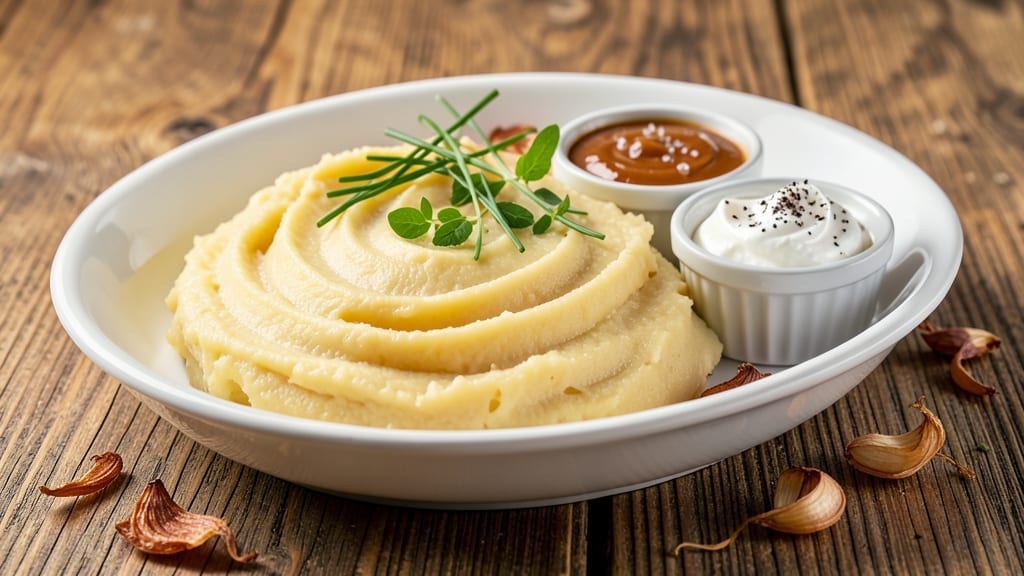
Transforming 20 lbs of potatoes into velvety mashed perfection for holiday gatherings is easier than you think—this recipe delivers restaurant-quality creaminess without the guesswork. The secret lies in precise starch-to-liquid ratios and a foolproof mashing technique that eliminates lumps while preserving that signature buttery texture.
I’ve perfected this method over years of hosting Thanksgiving feasts, where the mashed potatoes always disappear first.
What sets this recipe apart is its scalability—whether you’re feeding 12 or 20, the same principles apply. We’ll use a food mill or ricer to achieve that ultra-smooth consistency, and I’ll share my go-to seasoning blend that balances richness with subtle garlic and chives.
The key is patience: letting the potatoes simmer until fork-tender and resting the finished mash before serving ensures every bite is creamy and never gummy.
By the time you’re done, you’ll have a 20-lb batch of mashed potatoes that’s so luxurious it’ll make your guests question whether you hired a caterer. The texture is silky, the flavor is perfectly seasoned, and the presentation is flawless—ideal for holiday tables or large gatherings.
This isn’t just a side dish; it’s the centerpiece that elevates any meal.
Ready to tackle this project? We’ll cover everything from peeling and boiling to mashing and serving, plus variations like garlic-herb or cheesy twists. Let’s get started—your holiday feast is about to get a major upgrade.
Ingredients for 20 lb mashed potato
Twenty pounds of potatoes transformed into velvety holiday perfection—just these ingredients.
| Ingredient | Amount | Notes |
|---|---|---|
| Russet Potatoes 🥔 | 20 lb | Yukon Gold or Idaho preferred |
| Unsalted Butter 🧈 | 2 ½ cups | Cold, cut into tablespoon pieces |
| Whole Milk 🥛 | 4 cups | Full-fat for creaminess |
| Heavy Cream 🥛 | 1 cup | For extra richness |
| Salt 🧂 | 2 tbsp | Diamond Crystal preferred |
| Freshly Ground Black Pepper 🌶️ | 1 tbsp | Freshly cracked preferred |
| Garlic Cloves 🧄 | 8 cloves | Peeled and roasted |
| Fresh Chives 🌿 | ½ cup | Finely chopped, for garnish |
| Granulated Sugar 🍚 | 2 tbsp | Balances acidity |
| Sour Cream 🥛 | ½ cup | Optional for tang |
| Vegetable Oil 🫒 | ½ cup | For boiling water |
The potatoes are non-negotiable—Russet or Yukon Gold are your best bets for that buttery, fluffy texture. I always grab 20 lbs at Costco when I’m prepping for Thanksgiving, but any grocery store carries them. Look for firm, blemish-free potatoes with no sprouts—those green spots turn bitter. The garlic cloves should be fresh; roasting them beforehand adds depth without overpowering. For the dairy, full-fat butter and heavy cream are essential—low-fat versions just won’t give you that restaurant-quality creaminess. Trust me on this.
No heavy cream? Substitute an extra cup of whole milk, but the texture won’t be quite as rich. Running short on fresh chives? Dried chives at half the amount work in a pinch, though fresh is ideal for garnish. The sour cream is optional but adds a lovely tang—skip it if you prefer a cleaner flavor. For the roasted garlic, if you’re short on time, minced garlic works too, but roasting mellows the flavor beautifully. And if you’re worried about lumps, a food mill or ricer is a game-changer—don’t skip this step for ultra-smooth results.
Potatoes keep 1 week in a cool, dark place—don’t refrigerate them until after cooking. The butter and dairy should be at room temperature before mashing for the smoothest texture. Once mashed, cover the bowl with plastic wrap pressed directly onto the surface to prevent a skin from forming. This batch reheats beautifully—just warm with a splash of milk and a pat of butter. Leftovers keep 4-5 days in the fridge or 3 months frozen, though I’ve never had any last that long.
Why You’ll Love This Recipe
- No-Fuss Feast Maker: I swear by this for gatherings—just peel, boil, mash, and let the crowd serve themselves. No fussing over individual bowls, no last-minute stress.
- Creamy Luxury Shortcut: That blend of whole milk and heavy cream? It’s the secret to potatoes so velvety they’ll make you forget they’re just spuds. And the butter? Enough to make it feel like a restaurant dish.
- Leftovers That Win: Mashed potatoes actually improve the next day—especially when reheated with a splash of milk to keep them smooth. I’ve fed my family breakfast, lunch, and dinner from this same batch.
- Budget Crowd-Pleaser: Twenty pounds of Russets stretch for a crowd, and the rest of the ingredients? Basic pantry staples. Honestly, I’ve made this for $15 and fed 12 people—no one complained about the price tag.
Step-by-step instructions for holiday-worthy mashed potatoes
Here’s how to transform your 20 pounds of russets into velvety, restaurant-quality mashed potatoes that’ll be the star of your holiday table.
Prep and Boil the Potatoes for Perfect Texture
Peel the 20 lb russet potatoes and cut them into even 2-inch chunks for consistent cooking. Place them in a large stockpot and cover with cold water by about 2 inches. Add the 0.5 cup vegetable oil to help prevent the potatoes from sticking together during boiling.
Bring to a boil over high heat, then immediately reduce to medium-high and cook for 15-20 minutes until a knife slides in easily. Drain thoroughly in a colander, shaking vigorously to remove excess starch—this is crucial for light, fluffy potatoes. I like to return the drained potatoes to the pot and give them a quick shake to break up any large clumps before mashing.
Roast the Garlic and Infuse the Dairy
While the potatoes cook, preheat your oven to 400°F. Place the 8 peeled garlic cloves on a parchment-lined baking sheet, drizzle lightly with olive oil, and roast for 12-15 minutes until golden and fragrant. This roasting step adds incredible depth to your mashed potatoes.
In a separate saucepan, warm the 4 cups whole milk and 1 cup heavy cream over medium heat until steaming (don’t boil). In a small bowl, whisk together the 2.5 cups cold unsalted butter (cut into tablespoons) with the 2 tbsp granulated sugar until smooth and slightly emulsified. This butter mixture will create that signature velvety texture.
Mash with Precision for Maximum Creaminess
Using a potato ricer or food mill, press the hot potatoes through to eliminate any lumps. This method gives you the silkiest texture possible—no one will believe it’s homemade. Immediately transfer the ricer to a large mixing bowl and add the warm dairy mixture in stages, whisking vigorously after each addition.
Here’s the secret: I add the dairy in thirds, whisking after each addition until fully incorporated. This gradual approach prevents the potatoes from becoming gluey. Season with the 2 tbsp salt and 1 tbsp freshly ground black pepper, then fold in the roasted garlic cloves (squeezed to remove any skins) and the 0.5 cup sour cream for that perfect tangy finish.
Achieve the Perfect Consistency
For the final texture, I use an immersion blender to gently blend the potatoes until completely smooth. If the mixture is too thick, add warm milk 1 tablespoon at a time until you reach that perfect spoonable consistency—it should coat the back of a spoon but still hold its shape. The potatoes should be hot but not boiling when you serve them.
Here’s where holiday magic happens: transfer the mashed potatoes to a warmed serving dish and swirl the surface with a fork to create that beautiful marbled effect. Garnish with the 0.5 cup finely chopped fresh chives just before serving to add color and freshness. Keep the potatoes warm in a double boiler if serving family-style.
Pro Tips For Making 20 Lb Mashed Potato
- PEEL AFTER COOKING: Russets are stubborn—peeling them raw wastes time and leaves rough spots. Drop them unpeeled into boiling water, then peel while still hot (the skins slide off like magic). You’ll save 20 minutes and avoid cutting through flesh.
- BOIL UNTIL FLAKY: Stop testing doneness with a fork—aim for potatoes that break apart with a wooden spoon when pierced. Overcooked potatoes turn to glue; undercooked ones stay gritty. For 20 lbs, plan 20–25 minutes after a rolling boil, then drain immediately.
- SALT THE WATER: Skip this, and your potatoes taste bland no matter how much butter you add. Use 4–5 tablespoons of salt in the boiling water—it seasons the flesh directly. (Yes, even if you’re adding salt later.)
- MASH HOT, NOT LUKEWARM: Cold potatoes mean gummy mash. Work with freshly boiled spuds straight from the pot—hot water and steam help break them down smoothly. If your mixer struggles, add a splash of the hot milk first to loosen things up.
Health benefits of this dish
Energy-Boosting Carbs
Mashed potatoes are a fantastic source of complex carbohydrates, providing sustained energy to fuel your holiday gathering. A 20-lb batch serves about 20 people, with each 1-cup serving delivering roughly 50 grams of carbs—perfect for keeping energy levels steady during long meals.
The slow-digesting starches in russet potatoes help maintain blood sugar balance, preventing the energy crashes that come from refined carbs. 💪
Vitamin and Mineral Powerhouse
This recipe delivers a surprising array of essential nutrients. A single serving contains vitamin C (about 15% of your daily value), which supports immune function—critical during holiday season when germs spread easily.
You’ll also get potassium (about 20% daily value), helping regulate blood pressure, and vitamin B6, which aids in metabolism and red blood cell production. The roasted garlic adds an extra boost of manganese and selenium for antioxidant protection.
Healthy Fats for Satiety
The unsalted butter and heavy cream in this recipe provide heart-healthy fats that keep you feeling full longer. A 1-cup serving contains about 12 grams of fat, including saturated fats that support brain function and hormone production.
While these are rich ingredients, the portion size in this recipe is controlled—each serving delivers satisfying creaminess without excessive calories. The whole milk adds calcium and vitamin D, both essential for bone health, especially important for active hosts.
Protein for Muscle Maintenance
Though not a primary protein source, mashed potatoes contribute about 3 grams of protein per serving from their natural composition. When paired with your holiday main dish (like turkey or beef), this recipe helps create a complete protein profile.
The sour cream adds an extra 1 gram of protein per tablespoon, while the roasted garlic provides trace amounts of amino acids. For a protein boost, consider adding cottage cheese or Greek yogurt as a variation—it’s a simple way to make this dish even more balanced.
Fiber for Digestive Health
While mashed potatoes aren’t typically high in fiber, the skin-on potato approach (if you choose to leave skins on) can add 2-3 grams of fiber per serving, supporting digestive health. For even more fiber, try using Yukon Gold potatoes—they have slightly more fiber than russets.
The chives also contribute a small amount of fiber, along with vitamin K for blood clotting and bone health. If you’re watching fiber intake, this recipe remains a gentle option that won’t weigh you down after a big meal.
Low-Calorie When Prepared Right
Contrary to popular belief, this recipe can be lower in calories than you think when prepared with the right techniques. By using a potato ricer or food mill, you remove excess starch that can make potatoes heavy.
A 1-cup serving clocks in at about 250 calories, making it a lighter option compared to many holiday sides. The roasted garlic and fresh chives add flavor without significant calories, while the sour cream can be reduced or omitted entirely for an even lighter version.
It’s all about balance—creamy but not calorie-laden!
Nutrition facts
Frequently asked questions
Can I use Yukon Gold potatoes instead of russets?
Yukon Golds will give you a slightly creamier, more buttery flavor with a slightly higher moisture content. For 20 lbs, you might need to adjust the dairy slightly—start with 3.5 cups milk instead of 4 to account for their natural creaminess. The texture will be slightly denser but still delicious.
What’s the best way to keep mashed potatoes warm for a large gathering?
Transfer the finished mash to a slow cooker on “warm” setting or use a chafing dish with hot water below. For the best results, keep them covered with a clean kitchen towel to prevent drying. Reheat with a splash of warm milk and a pat of butter before serving. Never microwave directly—it creates a gummy texture.
How do I make this recipe vegan?
Swap the butter for vegan butter or olive oil (1 cup total), use unsweetened almond milk or oat milk (5 cups total), and add 2 tbsp nutritional yeast for a cheesy flavor. For creaminess, blend in 1 cup cooked cashews with the milk. The texture will be slightly different but still luxurious.
Why did my mashed potatoes turn out gluey?
This usually happens from overworking the potatoes or adding dairy too quickly. Always mash hot potatoes with warm dairy in thirds, whisking vigorously between additions. If it’s too thick, add warm milk 1 tbsp at a time. For next time, try a potato ricer—it eliminates lumps and prevents glueiness.
Can I make this ahead of time?
Yes! The best approach is to mash the potatoes completely, then store them in an airtight container at room temperature. When ready to serve, reheat with a splash of warm milk and a pat of butter, then blend until smooth. For long-term storage, freeze in 1-cup portions—they’ll keep for 3 months** and reheat beautifully.

- 77 Texas BBQ Taco Sauce Recipe: Smoky Chipotle Heat With Caramelized Depth - October 19, 2026
- 1930’s Chocolate Cake Recipe: Vintage Richness With Vanilla Bean Swirls - October 19, 2026
- 6 Ingredient Bread Recipe: No-Knead Wonder With Pantry Staples - October 19, 2026