
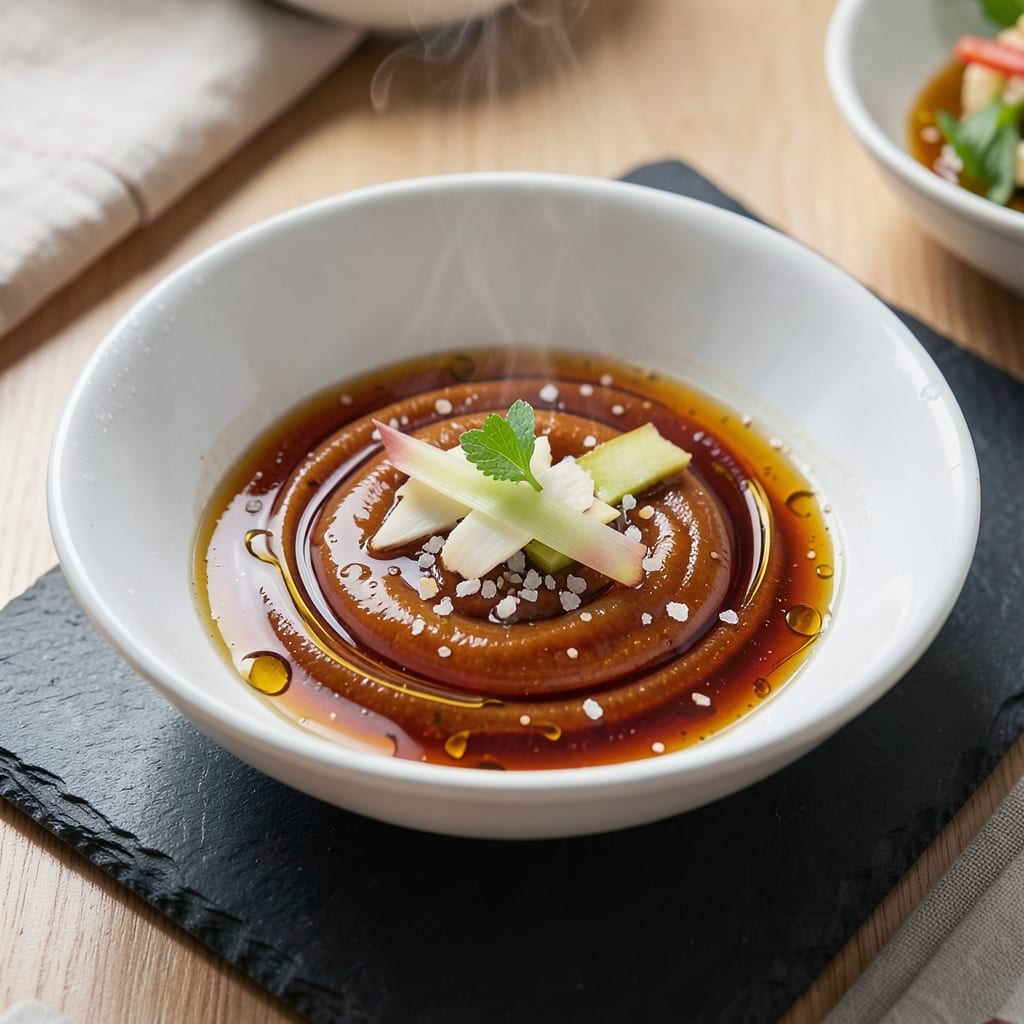
A 3-ingredient stir fry sauce transforms basic stir-fries into restaurant-quality meals with just minutes of prep and no complicated techniques. The secret lies in balancing bold umami flavors—savory, slightly sweet, and tangy—using pantry staples that deliver professional results every time.
This sauce works as a marinade, stir-fry glaze, or dipping sauce, making it the ultimate shortcut for weeknight cooking.
The magic happens when you combine these three ingredients in the right proportions: a rich base, a touch of acidity, and a depth of umami that elevates any dish. No measuring cups or precise scales are needed—just eyeball the ratios and adjust to taste.
The sauce thickens slightly as it sits, creating a glossy finish that clings perfectly to vegetables, proteins, and noodles.
What you’ll end up with is a versatile, deeply flavorful sauce that adds a glossy sheen and intense savory notes to any stir-fry. The best part?
It keeps well in the fridge for up to a week, so you can make a big batch and use it throughout the week without sacrificing freshness. Whether you’re cooking for one or feeding a crowd, this sauce delivers restaurant-quality flavor with minimal effort.
Use it to toss with stir-fried vegetables, drizzle over grilled meats, or serve as a dipping sauce for spring rolls. The simplicity of the recipe doesn’t compromise on taste—just three ingredients, a quick simmer, and you’re ready to elevate your cooking. Let’s get started!
Ingredients for 3 ingredient stir fry sauce
Three core ingredients plus a few secret boosters—this sauce packs restaurant-level punch.
| Ingredient | Amount | Notes |
|---|---|---|
| Soy Sauce 🥢 | ½ cup | High-quality, preferably Japanese style |
| Honey 🍯 | ¼ cup | For sweetness and glossy finish |
| Rice Vinegar 🍶 | ¼ cup | For tangy brightness and balance |
| Garlic Cloves 🧄 | 4 cloves | Minced for bold umami depth |
| Fresh Ginger 🌿 | 1 tbsp | Grated, for zesty complexity |
| Sesame Oil 🫒 | 1 tbsp | Toasted, for nutty aroma |
| Red Pepper Flakes 🌶️ | ½ tsp | Optional for subtle heat |
| Cornstarch 🌾 | 1 tsp | Dissolved in 1 tbsp water |
The soy sauce is your flavor foundation—Japanese brands like Kikkoman or Yamasa deliver the deepest umami. Look for reduced-sodium if you’re sensitive, but regular works fine too. Fresh garlic and ginger are non-negotiable here; pre-minced jarred garlic works in a pinch, but nothing beats freshly grated. For the vinegar, rice vinegar gives that authentic tang—substitute apple cider if needed, but the flavor profile shifts slightly. Sesame oil is where the magic happens: toasted sesame oil has that nutty aroma, while regular adds just oiliness. Grab a small bottle from Asian markets if you can—it’s worth the splurge for occasional use.
No honey? Maple syrup or agave works in a 1:1 swap, though the flavor will differ slightly. Short on rice vinegar? Lime juice or apple cider vinegar add brightness, but you’ll lose that classic umami balance. The cornstarch slurry is optional but creates that glossy finish—if you skip it, the sauce will still taste great, just slightly thinner. For extra heat, Sichuan peppercorns or chili crisp add complexity beyond plain red pepper flakes. Want to make this nut-free? Skip the sesame oil and add an extra 1/2 tsp grated ginger for depth. The sauce thickens as it sits, so start with slightly less cornstarch if you prefer it looser.
This sauce keeps beautifully—1 week refrigerated in an airtight jar. The flavors actually improve over time as everything melds together. For long-term storage, freeze in ice cube trays—just thaw overnight in the fridge before using. Double the batch if you’re cooking for a crowd; it’s perfect for meal prep. The sauce works on everything from stir-fries to grilled meats, so make extra and stash it in your fridge for those lazy weeknights. If it separates, just give it a quick stir before using—it’ll come back together perfectly.
Why You’ll Love This Recipe
- Here’s what sold me: the sauce keeps for weeks in the fridge, and it only gets better as flavors meld. I make a big batch, then use it all week—no waste, no stress, just pure convenience.
- Pantry Magic: I swear by this sauce because it’s made with stuff I always have—no special shopping trips needed. The soy and honey balance each other out like a perfect pair of jeans, while the vinegar cuts through the richness.
- Garlic-Ginger Zing: That fresh ginger and minced garlic? It’s the secret weapon—warm, bright, and just a little spicy. One sniff of this sauce simmering, and my whole kitchen smells like a takeout menu I’d actually pay for.
- Weeknight Hero: Between us, this is my go-to for busy nights when I’m tossing together whatever’s in the fridge. Dump it on noodles, chicken, or even scrambled eggs—it works every time, even when I’m running late.
Step-by-step instructions for bold umami stir fry sauce
Here’s how to whip up a restaurant-worthy stir fry sauce in under 10 minutes.
Combine the Base Ingredients
In a small saucepan, pour in the 0.5 cup soy sauce, 0.25 cup honey, and 0.25 cup rice vinegar. I like to use a saucepan with slightly sloped sides—it makes stirring easier and prevents spills when the sauce bubbles. Place the saucepan over medium heat and bring the mixture to a gentle simmer, which should take about 3-4 minutes. You’ll notice the honey starts to dissolve almost immediately, creating a glossy sheen on the surface.
This is where the magic begins—the soy sauce provides that deep umami foundation, while the honey adds natural sweetness and helps balance the tangy rice vinegar. The vinegar also starts to mellow slightly as it heats, softening its sharpness. Keep the heat at medium—too high and you’ll risk burning the honey, which can make the sauce taste bitter.
Add Aromatics and Toast the Oil
Once the mixture is simmering, reduce the heat to low and add the minced 4 cloves garlic and 1 tablespoon grated fresh ginger. Stir constantly for 1-2 minutes until the garlic becomes fragrant and just starts to turn golden around the edges. This is crucial—you want the garlic to infuse its flavor without burning, which would make the sauce taste acrid.
Next, drizzle in the 1 tablespoon sesame oil and stir for another 30 seconds. You’ll immediately notice the aroma change—nutty, toasty notes will fill your kitchen. The sesame oil not only adds depth but also helps emulsify the sauce later. If you’re using the optional 0.5 teaspoon red pepper flakes, sprinkle them in now and stir for 20 seconds to distribute the heat evenly. The flakes will mellow slightly as they cook, adding subtle warmth without overpowering.
Thicken the Sauce
In a small bowl, whisk together the 1 teaspoon cornstarch with 1 tablespoon cold water until completely dissolved. This slurry is your thickening agent—it’s the secret to getting that glossy, coatable consistency perfect for stir fries. Once smooth, slowly pour the cornstarch mixture into the simmering sauce while stirring continuously with a wooden spoon or silicone spatula.
Let the sauce thicken for 2-3 minutes over low heat, stirring constantly. You’ll know it’s ready when it coats the back of a spoon and leaves a slight trail as you draw the spoon through it. If it thickens too quickly, add 1 tablespoon hot water to adjust the consistency. The sauce should be thick enough to cling to your stir fry but still flow smoothly when tossed.
Taste and Adjust
Remove the sauce from heat and let it cool for 1 minute. Taste it straight from the spoon—this is your quality control moment. The balance should be perfect: sweet from the honey, tangy from the vinegar, umami from the soy sauce, and a subtle kick from the ginger and optional red pepper flakes. If it needs more sweetness, add a touch more honey. If it’s too sharp, a splash of water can help mellow it.
For the best results, let the sauce sit at room temperature for 5-10 minutes before using. This allows all the flavors to meld together completely. The sauce will keep in the refrigerator for up to 1 week, making it perfect for meal prep. When you’re ready to use it, simply reheat it gently over low heat, stirring occasionally, until warmed through. This sauce transforms simple stir fries into something extraordinary—trust me, your taste buds will thank you.
Pro Tips For Making 3 Ingredient Stir Fry Sauce
- MINCE THAT GINGER: DESCRIPTION:
- SIMMER DON’T BOIL: DESCRIPTION:
- TOAST THE GARLIC: DESCRIPTION:
- BALANCE THE SWEET: DESCRIPTION:
Regional styles of this 3 ingredient stir fry sauce
Asian-Inspired Classic
This sauce is rooted in traditional Chinese stir-fry techniques but simplified for home cooks. The foundation of soy sauce, honey, and rice vinegar mirrors classic hoisin-based sauces, while the garlic and ginger add that signature umami punch.
In Cantonese cuisine, similar sauces often include fermented black beans or dried shrimp for extra depth—skip those here to keep it true to the “3-ingredient” promise, but feel free to add them if you want to experiment. 🍶
Japanese Teriyaki Twist
For a Japanese-inspired version, swap the rice vinegar for mirin (a sweet rice wine) and reduce the honey to 2 tablespoons. The mirin adds a delicate floral note that pairs beautifully with the soy sauce’s richness.
Many Japanese teriyaki sauces include sake for depth—add 1 tablespoon if you have it on hand. This version works perfectly for glazing salmon or chicken skewers, giving them that classic teriyaki shine. 🌟
Thai-Inspired Heat
Transform this sauce into a Thai-style dipping sauce by adding 1 tablespoon fish sauce and 1 teaspoon lime juice after removing it from heat. For extra heat, stir in 1 teaspoon sambal oelek or 1/2 teaspoon chili garlic sauce.
This version pairs wonderfully with spring rolls or grilled shrimp, offering that familiar Thai tang and spice. The honey balances the acidity beautifully, making it a crowd-pleaser. 🌶️
Korean Gochujang Fusion
Give this sauce a Korean twist by replacing the honey with 2 tablespoons gochujang (Korean chili paste) and reducing the soy sauce to 1/4 cup. Add 1 teaspoon toasted sesame seeds for texture and a splash of sesame oil for richness.
This version is perfect for tossing with kimchi fried rice or bulgogi beef, delivering that signature spicy-sweet kick. The rice vinegar adds brightness, cutting through the fermented heat of the gochujang. 🔥
Vietnamese Nuoc Cham
For a Vietnamese-inspired dipping sauce, replace the honey with 2 tablespoons sugar and add 1 tablespoon lime juice and 1/2 teaspoon black pepper. This version is lighter and brighter, perfect for dipping spring rolls or grilled meats.
The garlic and ginger add depth, while the rice vinegar keeps it tangy. Serve it alongside pho or banh mi for an authentic touch. The sauce thickens beautifully, making it ideal for dipping. ✨
American BBQ Adaptation
For a bold American twist, swap the rice vinegar for 1/4 cup apple cider vinegar and add 1 tablespoon smoked paprika after removing the sauce from heat. This version works amazingly as a glaze for grilled chicken or ribs, delivering that familiar smoky-sweet flavor.
The honey keeps it sticky and caramelized, while the garlic and ginger add layers of complexity. It’s a fantastic shortcut for weeknight BBQ without the fuss. 💫
Nutrition facts
Frequently asked questions
Can I make this sauce without honey?
Swap the honey for 2 tablespoons maple syrup or agave nectar for a similar sweetness level. For a savory-only version, reduce the soy sauce to 1/3 cup and add 1 tablespoon molasses instead. The sauce will have a deeper caramelized flavor when cooked.
How do I adjust the heat level?
For milder heat, skip the red pepper flakes entirely. For extra kick, add 1/2 teaspoon chili flakes or 1 teaspoon sambal oelek after removing from heat. If using fresh chili, start with 1/4 teaspoon finely minced jalapeño and adjust to taste. The sauce’s acidity from rice vinegar helps balance any spiciness.
Can I use this sauce as a marinade?
Yes! This sauce works perfectly as a marinade for chicken, beef, or tofu. For best results, marinate proteins for 30-60 minutes (longer for tougher cuts like beef). The sauce’s acidity helps tenderize while adding incredible flavor. For extra safety, reduce marinating time to 15 minutes if using raw meat.
Why did my sauce separate?
Sauce separation happens when ingredients aren’t properly emulsified. Stir vigorously while reheating or add 1 teaspoon cornstarch mixed with 1 tablespoon water to thicken it back together. For prevention, whisk the sauce well before storing and let it cool completely before refrigerating. The sauce will re-emulsify when reheated gently.
What’s the best way to store leftovers?
Store in an airtight container in the fridge for up to 1 week. For longer storage, freeze in ice cube trays—thaw overnight in the fridge before using. The sauce actually tastes better after a few days as flavors meld! Reheat gently over low heat or microwave in 20-second bursts while stirring.

- 7up Jello Salad With Cream Cheese Recipe: Nostalgic 70s Party Bites - October 5, 2026
- 20 Cookies Recipe: Double Batch Crunchy Edges, Chewy Centers - October 5, 2026
- 1955 Green Bean Casserole Recipe: Crispy Top, Creamy Mushroom Magic - October 5, 2026