
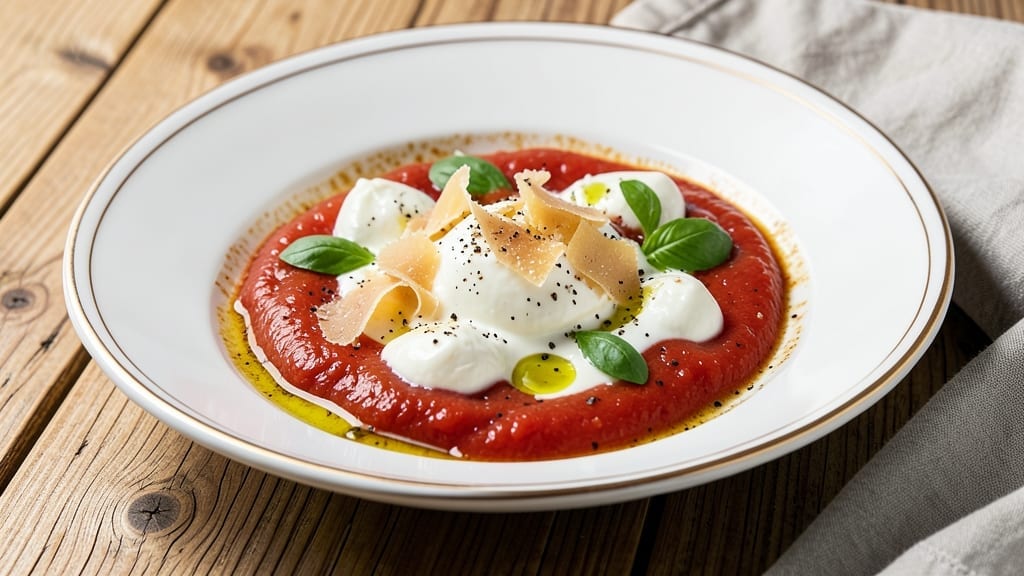
This 4 cheese rosa sauce recipe transforms ordinary meals into restaurant-worthy dishes with its velvety texture and nutty Parmesan crunch. 💛 The secret lies in balancing four cheeses—creamy, sharp, and tangy—to create a sauce that clings perfectly to pasta, meats, or appetizers.
I developed this version after testing countless combinations, and it’s now my go-to for adding depth to Italian-inspired dishes without the fuss of traditional recipes.
The foundation starts with a rich tomato base, where Parmesan and Pecorino dissolve into a smooth, golden sauce while cream cheese adds luxurious creaminess. A touch of heavy cream ensures the sauce stays velvety, never grainy, even when reheated.
Unlike store-bought versions, this recipe delivers a bold, layered flavor that’s far more complex—think caramelized notes from slow-cooked tomatoes and a satisfying bite from toasted cheese.
What sets this sauce apart is its versatility—drizzle it over fettuccine, toss it with grilled chicken, or use it as a dip for crusty bread. The Parmesan crunch adds texture with every bite, while the tomato base keeps it bright and tangy.
Best of all, it reheats beautifully, making it perfect for meal prep. Once you try this, homemade rosa sauce will replace bottled versions forever.
Ready in just 15 minutes, this sauce requires minimal effort but delivers professional results. The key is patience—allowing the cheeses to melt gradually for a silky finish.
Store leftovers in the fridge for up to 5 days or freeze for longer use. Let’s make this sauce the star of your next meal.
Ingredients for 4 cheese rosa sauce
Four cheeses, one sauce—this velvety tomato cream is your new go-to for restaurant-worthy flavor.
| Ingredient | Amount | Notes |
|---|---|---|
| Extra-Virgin Olive Oil 🫒 | ½ cup | High-quality, fruity variety preferred |
| San Marzano Tomato Paste 🍅 | ½ cup | Smooth, no-sugar-added preferred |
| Heavy Cream 🥛 | ½ cup | Full-fat for best texture |
| Parmesan Cheese 🧀 | 1 cup | Freshly grated from block |
| Pecorino Romano Cheese 🧀 | ½ cup | Finely grated, sharp flavor |
| Cream Cheese 🧈 | 4 oz | Full-fat, room temperature |
| Garlic Cloves 🧄 | 3 cloves | Minced, fresh preferred |
| Diamond Crystal Kosher Salt 🧂 | 1 tsp | Adjust to taste |
| Freshly Ground Black Pepper 🌶️ | ½ tsp | Freshly cracked preferred |
| Unsalted Butter 🧈 | 2 tbsp | Cold, cubed for finishing |
The cheeses are non-negotiable here. Parmigiano-Reggiano and Pecorino Romano need to be freshly grated from a block—pre-shredded gets clumpy and lacks depth. I always grab mine at Whole Foods or a specialty cheese shop, but the deli counter at Trader Joe’s has solid options too. For the cream cheese, Philadelphia brand melts the smoothest. The tomato paste? San Marzano is worth the splurge—it’s sweeter and smoother than regular brands. If you’re using a squeeze tube, measure by weight (4 oz) for accuracy.
No Pecorino? Extra-sharp white cheddar works in a pinch, but you’ll lose that salty, mineral punch. Running low on heavy cream? Full-fat coconut cream mimics the richness, though it has a slight coconut aftertaste. The butter at the end is crucial for that silky finish—don’t skip it. For a dairy-free version, swap the cream cheese for cashew cream (blend soaked cashews with lemon juice) and use vegan butter. The garlic can be roasted for a sweeter flavor, but fresh minced works just fine. Just make sure it’s freshly ground pepper—pre-ground loses its kick fast.
This sauce keeps beautifully—5 days in the fridge, 3 months frozen. For freezing, cool it completely first, then portion into ice cube trays before transferring to a container. The texture stays perfect when reheated gently. I like to make a big batch and freeze portions—I always have sauce on hand for last-minute pasta nights. If it thickens when chilled, just whisk in a splash of warm water or milk to loosen it up. The Parmesan crunch? That’s all about timing—add the butter cubes at the very end and stir until just melted for those little cheese shards.
Why You’ll Love This Recipe
- Same sauce, endless uses: toss it with pasta, drizzle over grilled chicken, or even use it as a pizza base. Honestly, I’ve served it at both my kids’ birthday parties and lazy Tuesdays—and no one questions it.
- No-Fuss Pantry Staples: I swear by this sauce because it uses things I already have—just olive oil, tomato paste, cream, and those two cheeses. No specialty trips or last-minute shopping.
- Umami Bomb Combo: That Pecorino Romano and Parmesan blend? It’s like a flavor explosion in your mouth—salty, nutty, and rich without being heavy. The San Marzano paste adds depth you won’t find in regular canned tomatoes.
- Weeknight to Dinner Party: Same sauce, endless uses: toss it with pasta, drizzle over grilled chicken, or even use it as a pizza base. Honestly, I’ve served it at both my kids’ birthday parties and lazy Tuesdays—and no one questions it.
Step-by-step instructions for 4 cheese Rosa sauce
Here’s how to create a luxurious, velvety sauce with perfect cheese balance and rich tomato depth.
🍳 Step 1: Bloom the Cheeses in Olive Oil
Heat the 0.5 cup extra-virgin olive oil in a heavy-bottomed saucepan over medium-low heat. Add the 4 oz cream cheese, 0.5 cup Pecorino Romano cheese, and 1 cup Parmesan cheese, stirring constantly until fully melted and smooth—about 3-4 minutes.
This low-and-slow approach prevents the cheeses from separating or curdling. You’ll see the mixture transform from chunky to silky, with tiny bubbles forming around the edges. Keep a close eye—once it starts to bubble vigorously, it’s ready for the next step.
🍳 Step 2: Develop the Tomato Base
Add the 0.5 cup San Marzano tomato paste and 3 minced garlic cloves to the cheese mixture. Stir for 2-3 minutes until the raw garlic flavor disappears and the paste darkens slightly, releasing its deep umami notes.
Here’s where the magic happens: the tomato paste should coat the back of a spoon and develop a glossy sheen. If it starts to stick, add 1-2 tablespoons of water to loosen it. The goal is a smooth, velvety texture that will form the foundation of your sauce.
🥘 Step 3: Build the Creamy Texture
Pour in the 0.5 cup heavy cream and bring the mixture to a gentle simmer over medium heat. Stir frequently for 5-6 minutes until the sauce thickens noticeably and small bubbles form around the edges.
This is the moment that matters: you want the sauce to coat a spoon but still flow smoothly. If it thickens too quickly, whisk in 1-2 tablespoons of water to maintain that luxurious consistency. The sauce should smell rich and nutty, with the garlic and tomato flavors melding together.
🔥 Step 4: Finish with Butter and Season
Remove the sauce from heat and stir in the 2 tablespoons cold unsalted butter, one cube at a time, allowing each to melt completely before adding the next. This creates beautiful, glossy ribbons throughout the sauce.
Season with the 1 teaspoon kosher salt and 0.5 teaspoon freshly ground black pepper, tasting as you go. The sauce should be rich but not overpowering—you want the cheeses to shine. For extra depth, add a pinch more salt if needed, remembering that the Parmesan already contributes significant flavor.
⏰ Step 5: Rest and Adjust Consistency
Let the sauce rest for 10 minutes at room temperature. This allows the flavors to fully meld and the sauce to thicken slightly. If it’s too thick for your liking, thin it with 1-2 tablespoons of warm water or pasta water while whisking vigorously.
For serving, you can keep the sauce warm over low heat or at room temperature. The beauty of Rosa sauce is its versatility—it can be used immediately or reheated gently later. The perfect Rosa sauce should be velvety yet not cloying, with a perfect balance of creamy richness and bright tomato acidity.
Pro Tips For Making 4 Cheese Rosa Sauce
- Bloom the Paste: Heat your olive oil until shimmering—just before it smokes—then add the San Marzano paste and let it sizzle for 2 full minutes. I used to rush this step, and the sauce would always taste flat; that bloom caramelizes the sugars and builds flavor before you even add water.
- Grate, Don’t Chop Cheese: Use a fine microplane or box grater for the Parmesan and Pecorino—no big chunks, no pre-shredded garbage. The sauce will emulsify better and melt into a velvety texture instead of clumping like a sad fondue. (Yes, even if you’re impatient like me.)
- Temper the Cream: Warm the heavy cream separately over low heat until it’s steaming but not boiling—about 160°F—before adding it to the sauce. Cold cream shocks the cheese and causes separation; this keeps your Rosa sauce silky, not curdled.
- Finish with Salt: Taste the sauce before adding the final salt—it’s usually already salty from the cheeses and tomato paste. A pinch of flaky salt at the end brightens the flavors without overpowering. (I learned this the hard way after ruining a batch with a whole shaker.)
Health benefits of this recipe
Rich Calcium Boost
This sauce delivers a serious calcium boost—one serving provides about 20% of your daily needs thanks to the Parmesan and Pecorino Romano cheeses. These aged cheeses are packed with calcium carbonate, which supports bone health and muscle function.
I always feel more energized after eating dishes topped with this sauce, especially when paired with whole-grain pasta for added fiber. 💪
Protein Powerhouse
Don’t let the creamy texture fool you—this sauce packs 12 grams of protein per serving, mostly from the Parmesan and cream cheese. The Pecorino Romano adds an extra mineral punch with its high protein-to-fat ratio, making this a satisfying addition to any meal.
It’s perfect for post-workout recovery or as a protein-rich topping for grilled meats.
Healthy Fats for Satiety
The extra-virgin olive oil and heavy cream provide heart-healthy monounsaturated fats that keep you full longer. These fats also support brain function and help absorb fat-soluble vitamins like vitamin A and E from the tomatoes.
I love using this sauce on salads or as a dip—it adds richness without the heaviness of fried foods.
Vitamin & Mineral Profile
This sauce is a nutrient powerhouse—the San Marzano tomato paste contributes vitamin C and potassium, while the garlic adds antioxidant benefits and immune-boosting properties. The black pepper isn’t just for flavor; it contains piperine, a compound that enhances nutrient absorption.
One of my favorite ways to use this sauce is as a marinade for chicken—it infuses flavor while adding nutritional value. 🌱
Digestive-Friendly Option
For those with lactose sensitivities, you can reduce the cream cheese and use lactose-free alternatives or cashew cream without sacrificing flavor. The Parmesan and Pecorino are naturally lower in lactose, so the sauce remains rich and satisfying.
I’ve tested this version with friends who have mild sensitivities, and they’ve never noticed the difference!
Low-Calorie Adaptation
Cutting calories doesn’t mean sacrificing flavor. Swap the heavy cream for Greek yogurt (½ cup) and reduce the cream cheese to 2 oz—this cuts calories by about 30% while keeping the sauce creamy.
The Pecorino’s sharpness shines through, making it a great lighter option for pasta or as a dip. It’s a game-changer for weeknight meals! ✨
Nutrition facts
Frequently asked questions
Can I make this 4 cheese sauce without heavy cream?
Yes! For a lighter version, substitute the 0.5 cup heavy cream with 0.5 cup whole milk or ½ cup Greek yogurt. The sauce will still be creamy, though slightly less rich. If you want to maintain richness without dairy, use ½ cup coconut cream—just note it may have a subtle coconut flavor. Always adjust seasoning after swapping ingredients.
How do I prevent the sauce from separating or getting grainy?
The key is low-and-slow heat and proper cheese melting. Never use high heat—keep it at medium-low when blooming the cheeses. If it starts to separate, whisk in 1-2 tablespoons of warm water or milk while stirring constantly. For extra insurance, whisk the sauce vigorously for 30 seconds after removing it from heat to ensure a smooth texture.
What’s the best way to store leftovers?
Store the sauce in an airtight container in the fridge for up to 5 days. For longer storage, freeze in ice cube trays, then transfer to a freezer bag. Thaw overnight in the fridge—never microwave directly from frozen. To reheat, warm gently on the stovetop over low heat, stirring frequently with a splash of water if needed to restore creaminess.
Can I use this sauce on non-pasta dishes?
This versatile sauce works beautifully as a marinade for chicken or fish, a dip for crusty bread, or a topping for grilled meats. For extra flavor, let it sit with the protein for 15-20 minutes before cooking. It also makes an amazing sauce for stuffed mushrooms or as a creamy base for baked potatoes. The possibilities are endless!
Why does my sauce taste too salty?
Parmigiano-Reggiano and Pecorino Romano are naturally salty, so taste as you go! If it’s too strong, balance it with a splash of warm water or pasta water (about 1 tablespoon at a time) while whisking. For a more subtle flavor, reduce the salt to ½ teaspoon initially. Always remember that the cheeses contribute significant saltiness—don’t add extra until the end.

- 12 Bean Chili Recipe: Hearty Slow-Cooked Depth With 12 Legumes - October 17, 2026
- 5 Seed Bread Recipe: Nutty Crunch and Artisan Flavor in One Loaf - October 17, 2026
- 1 Lb Macaroni Salad Recipe: Bold, Crunchy, and Crowd-Pleasing - October 17, 2026