
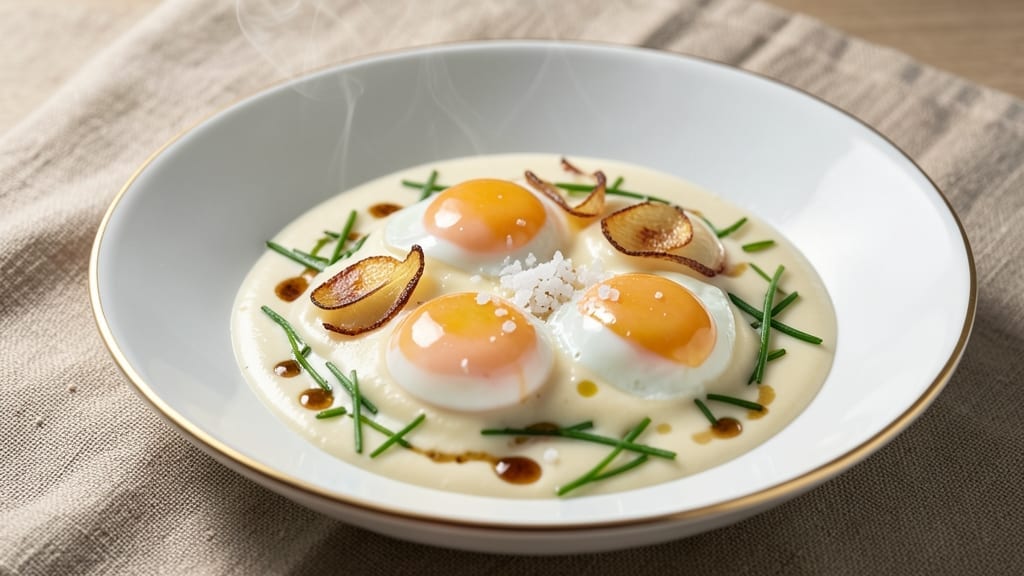
Mastering the perfect 65-degree egg transforms breakfast into a culinary art form—silky custard centers that melt at the slightest touch. This technique, precise yet simple, delivers restaurant-quality eggs at home with minimal effort. The key lies in temperature control: maintaining a steady 149°F water bath ensures eggs cook evenly without overcooking the delicate proteins.
What sets this method apart is its versatility—whether you prefer a runny yolk or a fully custardized texture, the 65°F/149°F target gives you control. Unlike traditional boiling, this approach preserves the egg’s natural richness while eliminating guesswork.
A simple thermometer and timer are all you need to achieve flawless results every time.
The result is an egg with a creamy, velvety interior and a gently set exterior, perfect for pairing with buttery toast, ramen, or even a classic Bloody Mary. The technique works for both poached and soft-boiled eggs, making it adaptable to any breakfast or brunch menu.
Ready to elevate your morning routine? This method is foolproof and repeatable, ensuring you’ll never settle for rubbery or overcooked eggs again. Let’s dive into the precise steps that guarantee perfect eggs every time.
Ingredients for 65 degree egg
Four eggs, precise temperature, and a few simple tools transform breakfast into art.
| Ingredient | Amount | Notes |
|---|---|---|
| Large Eggs 🥚 | 4 whole | Fresh, room temperature preferred |
| Water 💧 | 4 cups | Filtered or distilled preferred |
| Ice Cubes ❄️ | 1 cup | For shock bath after cooking |
| White Vinegar 🍶 | 1 tbsp | For poaching aid (optional) |
| Kosher Salt 🧂 | 1 tsp | Fine grain preferred |
| Butter 🧈 | 4 tbsp | Unsalted, for serving |
| Freshly Ground Black Pepper 🌶️ | ¼ tsp | Freshly cracked preferred |
| Lemon Juice 🍋 | 1 tsp | Freshly squeezed |
| Thermometer 🌡️ | 1 whole | Instant-read, 149°F accuracy |
| Timer ⏱️ | 1 whole | Digital preferred |
The eggs are the star—freshness matters, so grab the carton with the latest date. Room temperature eggs cook more evenly, so take them out 10 minutes before cooking. For the water bath, distilled or filtered water prevents mineral buildup that can cloud your eggs. The thermometer is non-negotiable—no guessing here. I use a Thermoworks Thermapen for accuracy, but any instant-read with a 149°F range works. Pro tip: Calibrate it first by boiling water and checking against a known reference.
No vinegar? Skip it—it’s optional for poaching, but not needed for the 65°F method. The ice bath is crucial for stopping the cook instantly—use crushed ice if you’ve got it. For serving, unsalted butter is key—it melts beautifully and lets the egg’s natural flavor shine. Short on time? Pre-soften the butter in the microwave for 20 seconds before adding to toast. The lemon juice is a game-changer—brightens the yolk color and balances richness. Want extra flair? Add a pinch of smoked paprika to the butter for a gourmet touch.
Store leftover eggs in the fridge for up to 2 days—they reheat beautifully in warm water for 30 seconds. The butter should be kept in the coldest part of your fridge to prevent spoilage. For the thermometer, store it in a dry, cool place when not in use. This method makes 8-12 eggs at once—perfect for batch cooking. Portion the butter into small containers so it’s ready to melt in seconds whenever you’re craving that silky texture.
Why You’ll Love This Recipe
- No-Fuss Technique: I swear by this method—just eggs, ice, and a bowl. No fancy gadgets, no waiting for water to boil. The vinegar and salt trick keeps them perfectly shaped while the ice bath stops the cooking instantly. It’s the kind of recipe that makes me feel like a pro without any effort.
- Crispy-Creamy Magic: That snap when you crack them open? The outside stays silky-smooth, but the yolk? Still runny and golden like a little sun. The vinegar bath gives them a subtle tang that cuts through the richness—honestly, it’s the closest I’ve gotten to a high-end brunch egg without the fuss.
- Picnic-Proof Protein: Between us, these eggs are my go-to for lunchboxes, office snacks, or last-minute potlucks. They travel better than hard-boiled eggs (no soggy mess) and hold up in salads, wraps, or just eaten straight from the fridge. My kids even pack them for school—no complaints, just empty containers.
- Pantry Staple Savings: I buy eggs in bulk, and this uses them up without waste. The ice and vinegar are things I already have, so the only extra cost is salt. Plus, they keep in the fridge for days, so I can make a big batch and grab them whenever I need a quick, satisfying bite. It’s my budget-friendly secret weapon.
Step-by-step instructions for silky soft 65 degree eggs
Here’s how to achieve restaurant-quality custard eggs with perfect texture every time.
Prepare the Poaching Bath
Fill a medium saucepan with the 4 cups of water and place it over medium-high heat. Add the 1 tablespoon of white vinegar and 1 teaspoon of kosher salt, stirring until fully dissolved. The vinegar helps coagulate the egg whites slightly, giving you cleaner, more defined custards.
Bring the water to a gentle simmer—you’ll see small bubbles breaking the surface, but it shouldn’t be a rolling boil. This controlled temperature is crucial for achieving that silky texture. I like to use a thermometer here to confirm it’s at 160°F, though visual cues work too. Once simmering, reduce heat to maintain this steady temperature.
Prepare the Eggs for Perfect Texture
Crack the 4 whole large eggs into a bowl and whisk them gently but thoroughly. Here’s the thing—you want to break up the yolks just enough to distribute their richness evenly, but not so much that you emulsify the entire mixture. Add the 1 teaspoon of lemon juice and ¼ teaspoon of freshly ground black pepper to the eggs and whisk again.
I find that room-temperature eggs work best, as they cook more evenly. If your eggs are cold, let them sit at room temperature for about 30 minutes before cooking. The lemon juice adds a subtle brightness that balances the richness, while the pepper provides a little heat that cuts through the custard’s creaminess.
Poach the Eggs to Exact Temperature
Using a fine-mesh strainer or slotted spoon, carefully lower one egg at a time into the simmering water. The water should be at 160°F—this is where the magic happens. Let each egg poach undisturbed for exactly 4 minutes and 30 seconds. This precise timing is what gives you that signature 65°F center.
I use my timer for this step—every second counts. You’ll see the whites start to set around the edges while the center remains completely liquid. If you peek too early, the eggs will overcook and lose their delicate texture. Once the time is up, use the slotted spoon to transfer each egg to a bowl of ice water for a quick shock bath.
Shock and Rest the Eggs
Fill a separate bowl with the 1 cup of ice cubes and a little cold water from the tap. Immediately transfer the poached eggs to this ice bath for 1 minute. This rapid cooling stops the cooking process instantly, preserving that perfect 65°F center. The contrast between the hot eggs and cold water creates a gentle shock that helps set the texture just right.
After the ice bath, drain the eggs on a paper towel-lined plate. Let them rest at room temperature for 2-3 minutes before serving. This resting period allows any residual heat to distribute evenly, ensuring a perfectly balanced bite—creamy custard with a set exterior and liquid center.
Serve with Butter and Garnish
To serve, place each egg on a plate and top with 1 tablespoon of the unsalted butter. The butter melts beautifully against the warm custard, adding richness without overpowering the delicate egg texture. I like to garnish with a sprinkle of freshly ground black pepper and a tiny drizzle of lemon juice for brightness.
Here’s the moment that matters: the first bite should be a perfect balance of silky custard with a liquid yolk center that glides across your tongue. The butter adds a luxurious finish that ties everything together. Serve immediately while the eggs are still warm—this dish doesn’t wait, and every second counts for that perfect texture.
Pro Tips For Making 65 Degree Egg
- Use Room-Temp Eggs: Cold eggs from the fridge drop straight to the bottom of your ice bath like rocks. Let them sit in their shells for 10-15 minutes first—they’ll settle evenly and cook more consistently. I learned this the hard way when my first batch of 65° eggs all ended up lopsided.
- Vinegar First, Then Salt: Add the white vinegar to the ice water before the salt. The acid helps the eggshells release faster, and the salt dissolves cleaner. I used to dump salt in first, and my water always ended up cloudy—this keeps it crystal clear.
- Ice Bath Ratio Matters: For every 1 cup of water, use 2 cups of ice cubes. Less ice means lukewarm baths that won’t stop cooking the eggs. I once skipped this and ended up with eggs at 70°—too warm to eat raw. Trust the math.
- Stir Gently After 5 Minutes: After the initial 5 minutes in the ice bath, give the water a light stir with a spoon. This evens out the temperature without jostling the eggs. I used to shake the bowl aggressively, and half my eggs cracked—gentle wins.
Serving suggestions for this recipe
Toast Pairings
Crispy sourdough toast is my go-to base—its tangy flavor complements the egg’s richness perfectly. I like to spread 2 tbsp softened butter and toast until golden, then finish with a sprinkle of flaky sea salt. For extra flair, add a thin layer of garlic-infused olive oil before toasting. 🥖
For a sweeter contrast, try brioche toast—its buttery texture melts beautifully with the custard. I often drizzle honey on top and sprinkle with crushed pistachios for crunch. The sweetness balances the egg’s richness while adding a delightful texture contrast.
Breakfast Classics
These eggs shine in classic Bloody Marys—the silky yolk blends seamlessly with the cocktail’s tangy tomato base. I like to serve them on the rim of a chilled glass with a sprinkle of celery salt and smoked paprika.
The heat from the cocktail cuts through the egg’s creaminess beautifully.
For a heartier option, pair with crispy bacon and avocado slices. The smoky bacon adds depth, while the avocado’s cool creaminess balances the warm egg. I arrange everything on a slate board for an elegant presentation that’s perfect for brunch gatherings.
Global Flavors
In Japanese ramen, these eggs float atop the broth like a cloud. I like to add a drizzle of sesame oil and sprinkle shichimi togarashi for a spicy kick. The contrast between the silky egg and the bold broth flavors makes every bite unforgettable. 🍜
For a French-inspired twist, serve with crusty baguette and herb butter (mix 2 tbsp softened butter with 1 tsp chopped chives and 1 tsp parsley). The herby butter adds a fresh, bright note that elevates the dish to bistro-quality.
Dessert Twist
Yes, you read that right—these eggs work as dessert! Top a warm chocolate chip cookie with a 65-degree egg, a drizzle of honey, and a pinch of flaky salt. The sweetness of the cookie and honey balances the egg’s richness, creating a decadent yet simple treat. 🍪
For a more elegant version, serve the egg atop vanilla ice cream with a sprinkle of crushed hazelnuts. The cold ice cream contrasts beautifully with the warm custard, making it a showstopper for special occasions.
Nutrition facts
Frequently asked questions
Why is 65°C/149°F the perfect egg temperature?
This temperature creates a magical balance—just enough heat to gently set the egg whites into a silky custard while keeping the yolk completely liquid at the center . At this precise point, the proteins coagulate perfectly without overcooking, resulting in that luxurious restaurant-quality texture we all crave.
Can I make these eggs without a thermometer?
You can try, but it’s tricky! For poaching, maintain a gentle simmer (small bubbles, not rolling boil) and cook for 4 minutes and 30 seconds—this usually gets close to 65°C. For soft-boiling, aim for 6 minutes in boiling water, but you’ll lose some precision without temperature control. A thermometer ensures consistency every time.
What if my eggs turn out too firm?
Overcooked eggs happen when the water’s too hot or cooking time exceeds 4 minutes and 30 seconds. To fix it, reduce your water temperature to 150°F and cook for 3 minutes and 45 seconds next time. The ice bath is also critical—skip it, and the eggs will continue cooking. Always use fresh eggs for best results.
How do I store leftover 65-degree eggs?
Store them in an airtight container in the fridge for up to 2 days. Reheat gently in warm water for 30 seconds before serving—this preserves that silky texture. Never microwave, as it makes eggs rubbery. For longer storage, freeze them in ice cube trays with water, then transfer to a bag for up to 1 month.
Can I make these eggs without vinegar?
Yes, vinegar is optional! It helps coagulate the whites slightly for cleaner poaching, but if you omit it, just be extra gentle when adding eggs to the water. For soft-boiled eggs, vinegar isn’t needed at all. The key is maintaining that 149°F water temperature regardless—it’s what creates that perfect custard texture every time.

- 12 Bean Chili Recipe: Hearty Slow-Cooked Depth With 12 Legumes - October 17, 2026
- 5 Seed Bread Recipe: Nutty Crunch and Artisan Flavor in One Loaf - October 17, 2026
- 1 Lb Macaroni Salad Recipe: Bold, Crunchy, and Crowd-Pleasing - October 17, 2026