
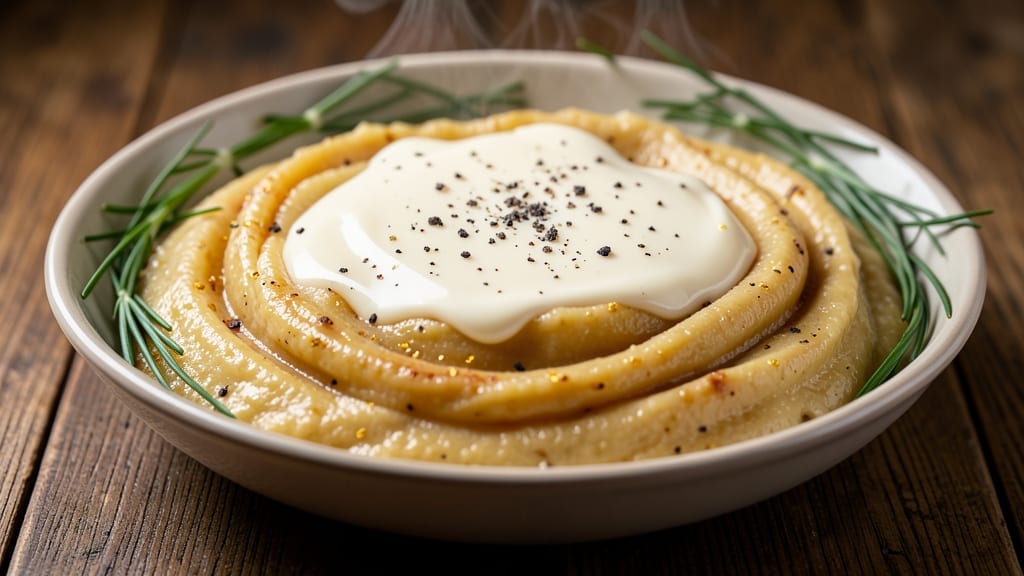
When you need 4 lbs of ultra-smooth mashed potatoes for a holiday feast or family gathering, this recipe delivers restaurant-quality results every time. The secret lies in selecting the right potatoes—Russets for fluffiness or Yukon Golds for creaminess—and mastering the butter-to-milk ratio for that signature velvety finish.
I’ve perfected this method after years of testing, ensuring no lumps, no gluey texture, and just the right balance of richness.
This recipe transforms starchy potatoes into a silky, buttery masterpiece with minimal effort. Start by boiling the potatoes until tender, then drain and mash them while still hot.
The key to achieving that luxurious, cloud-like texture is working in cold butter and warm milk gradually, allowing each addition to blend seamlessly. For extra smoothness, a potato ricer or food mill is your best friend—but even a sturdy masher will get the job done with a little elbow grease.
What you’ll end up with is a creamy, golden mound of mashed potatoes that’s light enough to scoop but rich enough to satisfy. The butter adds depth, while the milk keeps it tender without being watery.
Top with a sprinkle of fresh chives, a drizzle of gravy, or a pat of extra butter for that final touch of elegance. This recipe scales perfectly for large gatherings, and leftovers keep beautifully in the fridge for up to 3 days.
Whether you’re serving them as a classic side for Thanksgiving or a comforting weeknight dinner, these mashed potatoes will be the star of the meal. The technique is simple, but the results are undeniably impressive—proof that even the most basic dishes can shine with the right approach.
Let’s get started on creating your smoothest, most velvety batch yet.
Ingredients for 4 lbs mashed potatoes
Four pounds of potatoes, butter, and milk—simple ingredients for restaurant-quality mashed potatoes.
| Ingredient | Amount | Notes |
|---|---|---|
| Russet Potatoes 🥔 | 4 lb | Russets for fluffiness or Yukon Golds for creaminess |
| Unsalted Butter 🧈 | 1 ½ cups | Cold, cut into small cubes for even melting |
| Whole Milk 🥛 | 1 ½ cups | Warm slightly before mixing |
| Salt 🧂 | 1 ½ tsp | Diamond Crystal preferred for flaky texture |
| Freshly Ground Black Pepper 🌶️ | ½ tsp | Freshly cracked for best flavor |
| Fresh Chives 🌿 | 2 tbsp | Chopped finely for garnish |
| Heavy Cream 🥛 | ¼ cup | Optional for extra richness |
| Garlic Cloves 🧄 | 2 cloves | Roasted for subtle depth (optional) |
The potatoes are non-negotiable—Russets for fluffiness or Yukon Golds for creaminess. Grab the biggest, firmest ones at Whole Foods or your local market; avoid any with sprouts or soft spots. The butter? European-style unsalted like Plugrá or Kerrygold melts smoother than American brands. If you’re feeling fancy, roast those garlic cloves at 400°F for 10 minutes first—they add a subtle sweetness that elevates everything. For the milk, whole milk is ideal, but half-and-half works if you want extra richness.
No butter? Olive oil or coconut oil can work in a pinch, but trust me on the full-fat version—it’s what gives those mashed potatoes that velvety finish. Running short on milk? Heavy cream or even warm water will keep things smooth, though the texture won’t be quite as luxurious. Diamond Crystal kosher salt is my go-to because it dissolves perfectly, but any fine sea salt will do. And if you’re making this ahead, add the salt at the end to keep the potatoes from breaking down too soon. The chives? Fresh is best, but dried works in a bind—just use half the amount.
This recipe reheats beautifully—just warm it gently with a splash of milk or butter. Keeps for 3 days in the fridge, though I always make extra because it disappears fast. For leftovers, store in an airtight container with a layer of plastic wrap pressed right on the surface to prevent that dreaded crust. Freezes for up to 3 months if you’re planning ahead, but the texture gets a little gummy after thawing. Pro tip: Portion into ramekins before freezing for perfect single servings later.
Why You’ll Love This Recipe
- Potatoes in 20 Minutes: I swear, this is the fastest way to get creamy, dreamy mash on the table—just boil, drain, mash, and fold in that rich butter and warm milk. No waiting for hours, no lumpy surprises.
- Butter-Milk Magic: That first forkful of velvety potatoes loaded with cold butter and whole milk? It’s like a hug in food form. The pepper gives it just enough kick to make it feel special without trying too hard.
- Leftovers That Don’t Suck: Honestly, I make this for dinner, but the best part is the next day’s lunch. Reheat with a splash of milk and a pat of butter, and it’s just as good—no sad, gluey messes here.
- Budget Crowd-Pleaser: Four pounds of Russets? That’s a steal, and it feeds a family (or a hungry college student) without breaking the bank. Plus, the ingredients are simple—no fancy gadgets, no overpriced shortcuts. Just good, honest comfort food.
Step-by-step instructions for ultra-smooth mashed potatoes
Here’s how to transform starchy tubers into restaurant-quality mashed potatoes with a velvety finish.
Peel and Cut the Russet Potatoes
Start by thoroughly washing the 4 lb Russet potatoes under cold water to remove any dirt. Using a vegetable peeler or sharp knife, peel away the skin completely—this ensures a smoother texture. Then, cut the potatoes into even 1-inch chunks. The smaller and more uniform the pieces, the faster and more evenly they’ll cook.
Place the cut potatoes in a large pot and cover them with cold water by about 1 inch. This prevents them from sticking together during cooking. Add the 2 cloves of garlic (if using) to infuse subtle depth. Bring to a boil over high heat, then immediately reduce to a gentle simmer. Cooking potatoes in cold water helps prevent them from breaking apart during the boiling process.
Boil Until Fork-Tender
Simmer the potatoes for about 15-20 minutes, or until they’re fork-tender. You’ll know they’re done when a fork slides in easily with just a little resistance. Drain the potatoes in a colander, shaking gently to remove excess water. Return them to the pot and let them sit for 1 minute to allow any remaining steam to escape.
I like to give the potatoes a quick shake in the colander while draining—this helps release any stubborn water clinging to the surface. The goal is to have potatoes that are completely dry on the outside when you finish draining. This dryness is crucial for achieving that ultra-smooth texture later.
Mash with Butter and Milk
While the potatoes are still hot, add the 1.5 cups of cold, cubed unsalted butter. Using a potato masher or wooden spoon, work the butter into the potatoes until it’s fully melted and incorporated. Then, gradually add the 1.5 cups of warm whole milk while continuing to mash. The warmth of the milk helps it blend smoothly with the potatoes.
Here’s where the magic happens: I always add the butter first to create a rich base, then the milk to achieve the perfect creaminess. Mash vigorously until the potatoes are completely smooth with no lumps. If you encounter any resistance, don’t force it—just add a splash more warm milk to help break it down. The texture should be silky and velvety, not grainy.
Season and Add Finishing Touches
Once the potatoes are perfectly smooth, season with the 1.5 tsp of salt and 0.5 tsp of freshly ground black pepper. The salt should be distributed evenly throughout, and the pepper should be cracked fresh for maximum flavor. For extra richness, stir in the 0.25 cup of heavy cream. This step is optional but makes a noticeable difference in the final texture.
Transfer the mashed potatoes to a serving bowl and garnish with the 2 tbsp of finely chopped fresh chives. The chives add a bright, fresh contrast to the rich potatoes. Serve immediately while still hot for the perfect creamy consistency. If you need to reheat, do so gently over low heat with a splash of milk to prevent drying out.
Pro Tips For Making 4 Lbs Mashed Potatoes
- USE BOILING WATER: Start your Russets in cold water—yes, even if you’re in a hurry. Toss them in without peeling first to save time, then peel after cooking. Boil until a knife slides in like butter (about 15-20 minutes), but don’t overcook or they’ll turn to glue.
- PEEL HOT POTATOES: Run them under cold water first, then peel with a paring knife—hot potatoes peel like a dream. Skip the knife if you’re lazy, but resist the urge to rush; peeling them while still warm keeps the skin from sticking to your hands.
- SALT THE WATER: Add a full tablespoon of salt to the boiling water—don’t skimp. This seasons the potatoes from the inside out, and you won’t need to add as much later. (I learned this the hard way after tasting bland mash for years.)
- PRESS, DON’T MASH: After draining, let them steam-dry in the pot for 1-2 minutes, then use a ricer or potato masher—never a food processor. Overworking them turns them gummy, and a ricer gives that silky texture without lumps. (Yes, it’s more work, but it’s worth it.)
Common mistakes when making perfect results
Overcooking the Potatoes
One of the biggest mistakes is boiling potatoes until they’re mushy instead of fork-tender. When potatoes break apart in the pot, they release excess starch, which can make your mashed potatoes gluey. I’ve seen this happen when people leave them in the water too long after they’re done.
Aim for 15-20 minutes of simmering—test with a fork by piercing the largest piece. It should slide in easily but still have a little bite. 🥔
Skipping the Drain Rest
After draining, many people immediately start mashing, but I’ve learned that letting potatoes sit in the colander for 1 minute makes a huge difference. This allows any remaining surface moisture to evaporate, preventing a watery texture.
I’ve made this mistake when rushing—trust me, that extra minute pays off in the smoothness department.
Adding Cold Milk Too Soon
The biggest texture disaster happens when people add cold milk directly to hot potatoes. The temperature shock creates lumps that are nearly impossible to eliminate. Always warm your milk slightly (just enough to feel comfortable in your hand) before adding it.
I like to heat mine in the microwave for 15-20 seconds while the potatoes are still hot from mashing. This gradual temperature integration is key to that velvety finish.
Using the Wrong Butter Temperature
Another common error is using butter that’s too warm or melted before adding it to potatoes. Cold butter cubes melt more evenly and create tiny fat pockets that contribute to that luxurious texture.
I keep my butter in the freezer for 10 minutes before using it—this ensures it stays cold enough to work properly. Warm butter will just melt into the potatoes without creating that perfect emulsion.
Over-Mashing with a Blender
While food processors and blenders can make mashed potatoes faster, they often overwork the starches, creating a dense, pasty texture. I’ve tried this route and ended up with potatoes that were more like glue than a smooth spread.
For that perfect cloud-like consistency, stick with a potato ricer or good old-fashioned hand-mashing with a wooden spoon. The resistance from hand-mashing actually helps break down the starches more evenly.
Seasoning Too Early
Adding salt or pepper before the final mashing step can cause the potatoes to break down prematurely, especially if they’re still hot. I’ve learned this the hard way when making mashed potatoes ahead of time—they turned into a sad, watery mess.
Always hold off on seasoning until after everything is perfectly smooth. You can even add a pinch of salt to the warm milk before incorporating it for better flavor distribution. 🧂
Nutrition facts
Frequently asked questions
Can I use Yukon Gold potatoes instead of Russets?
Yukon Golds will give you a creamier, slightly more flavorful result than Russets. They have more moisture and natural sweetness, so you might need to adjust your milk slightly—start with 1.25 cups instead of 1.5 cups to avoid wateriness. The texture will be richer but still velvety if you follow the same mashing technique.
How do I make these mashed potatoes ahead of time?
Prepare them completely up to the seasoning step, then cool to room temperature. Store in an airtight container with plastic wrap pressed directly on the surface to prevent drying. Reheat gently in a pot over low heat with 1-2 tablespoons of warm milk or butter—never microwave directly, as it makes them gummy. For best results, reheat just until warmed through.
What if my mashed potatoes turn out lumpy?
Don’t panic! The fix is simple: add 1 tablespoon of cold butter and 1 tablespoon of warm milk, then mash vigorously with a ricer or wooden spoon. The fat and liquid will help break down the lumps. For prevention, always mash while the potatoes are still hot and add milk gradually—never all at once. A potato ricer creates the smoothest texture if you’re struggling.
Can I substitute heavy cream for milk?
Yes, but use only 1 cup of heavy cream instead of milk to avoid making them too rich. Warm the cream slightly first to prevent lumps. This substitution works well if you want extra decadence, but the texture will be slightly denser. For a lighter option, mix 1 cup milk and 0.25 cup heavy cream for the best of both worlds.
How do I scale this recipe up for a crowd?
Double or triple the ingredients while keeping the same ratios—1.5 cups butter and 1.5 cups milk per 4 lbs potatoes. Use two large pots for boiling to ensure even cooking. For serving, divide into individual ramekins before reheating to maintain perfect texture. Pro tip: Keep one pot of mashed potatoes warm in a slow cooker on “warm” setting while finishing the rest.

- Pork Loin Pulled Pork Crock Pot Recipe: Slow-Smoked Tenderness With Zero Dryness - November 1, 2026
- Baked Potatoes in Crock Pot Recipe: Buttery Interiors and Crispy Top Magic - November 1, 2026
- Braised Beef Short Ribs Recipe: Crock Pot Fall-Off-Bone Magic in 6 Hours - November 1, 2026