
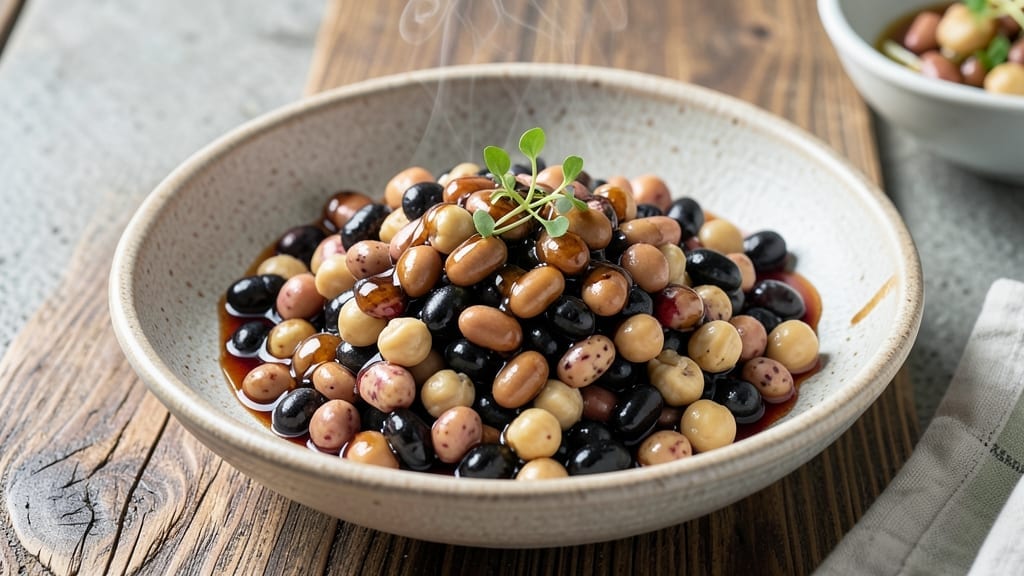
This 5 bean salad dressing recipe transforms ordinary salads into vibrant, protein-packed meals with a bold herb-vinaigrette that clings perfectly to greens. The secret lies in blending cooked beans with tangy vinegar, fresh herbs, and a touch of sweetness—creating a dressing that’s both hearty and light.
Unlike creamy alternatives, this version delivers long-lasting flavor without weighing down your dish, making it ideal for meal prep or last-minute lunches.
The dressing balances acidity from red wine vinegar with sweetness from maple syrup, while garlic and Dijon mustard add depth.
For texture, I blend in cooked beans (kidney, black, pinto, and chickpeas) for a satisfying bite, but you can adjust the consistency to suit your preference—chunky for texture or smooth for a velvety finish.
It’s a game-changer for grain bowls, wraps, or even as a dip, offering plant-based protein and fiber in every spoonful.
What sets this dressing apart is its versatility and shelf life. Store it in an airtight container for up to 5 days in the fridge, where flavors deepen over time.
The dressing’s bold herb notes (parsley, cilantro, and chives) keep it fresh-tasting, while the beans ensure it’s filling enough to stand up to hearty salads. Whether you’re prepping for the week or whipping up a quick lunch, this dressing delivers restaurant-quality flavor with minimal effort.
Pair it with mixed greens, roasted vegetables, or grilled proteins for a complete meal. The dressing’s acidity cuts through rich ingredients, while the beans add substance, making it perfect for both summer salads and winter bowls.
Ready in just 10 minutes, it’s a foolproof way to elevate any dish without extra fuss.
Ingredients for 5 bean salad dressing
Pantry staples meet fresh herbs for a dressing that’s both hearty and light.
| Ingredient | Amount | Notes |
|---|---|---|
| Cooked Kidney Beans 🌿 | ¾ cup | Canned, drained and rinsed |
| Cooked Black Beans 🌿 | ¾ cup | Canned, drained and rinsed |
| Cooked Pinto Beans 🌿 | ½ cup | Canned, drained and rinsed |
| Cooked Chickpeas 🌿 | ½ cup | Canned, drained and rinsed |
| Red Wine Vinegar 🍷 | ½ cup | Bottled, aged variety |
| Maple Syrup 🍯 | ¼ cup | Pure, grade B preferred |
| Fresh Garlic Cloves 🧄 | 3 cloves | Peeled and minced |
| Dijon Mustard 🌶️ | 1 tbsp | High-quality, smooth |
| Fresh Parsley 🌿 | ¼ cup | Chopped, stems removed |
| Fresh Cilantro 🌿 | ¼ cup | Chopped, stems removed |
| Fresh Chives 🌿 | 2 tbsp | Finely chopped |
| Extra-Virgin Olive Oil 🫒 | ½ cup | High-quality, fruity |
| Sea Salt 🧂 | 1 tsp | Fine grain preferred |
| Freshly Ground Black Pepper 🌶️ | ½ tsp | Adjust to taste |
The beans are the backbone of this dressing—canned is fine, but if you’ve got cooked beans from scratch, they’ll add even more depth. Trader Joe’s has the best selection of canned beans (kidney, black, and pinto), and I always grab their organic line. The herbs are non-negotiable though—fresh parsley, cilantro, and chives make all the difference. If you’re using dried herbs, reduce to one-third the amount, but honestly, fresh is worth the extra minute. The red wine vinegar should be aged and have some complexity—Bartles & Jaymes is my go-to if you want something reliable.
No red wine vinegar? Apple cider vinegar or balsamic vinegar work in a pinch, but the flavor will be slightly different. Short on herbs? Swap in basil or dill for a Mediterranean twist, but stick to the parsley-cilantro-chives combo for the classic vibe. The maple syrup can be swapped for agave nectar or honey if you’re not strictly vegetarian, but maple adds a nice earthiness. For extra richness, add a splash of tahini—about 1 tbsp—but it’ll make the dressing thicker. If you prefer a smoother texture, blend everything until silky, but I love the chunky version for texture.
This dressing keeps beautifully in the fridge—up to 5 days if stored in an airtight container. The flavors actually improve as it sits, so make a big batch. For meal prep, I portion it into small jars with a splash of olive oil on top to preserve freshness. Freezes for 3 months too, though texture might change slightly. The beans hold up well, so it’s perfect for prepping ahead. Stir before using—sometimes the herbs settle at the bottom.
Why You’ll Love This Recipe
- No-Cook Magic: I swear by this—just toss those canned beans (drained, rinsed) with vinegar, olive oil, and a pinch of salt. Fifteen minutes tops, no chopping, no stress. The beans stay whole, so it looks fresh and hearty with zero effort.
- Tangy Texture Twist: That red wine vinegar cuts through the earthiness of the beans like a dream. It’s bright enough to wake up greens or grains, but rich enough to stand alone on toast. Honestly, I’ll drizzle it on anything—even cold pasta.
- Meal Prep MVP: Make a big batch on Sunday, and you’ve got dressing for salads, dips, or even a quick soup boost all week. My kids grab it for wraps, and I toss it into tacos when I’m too tired to cook. It’s the kind of thing that disappears fast.
- Pantry Goldmine: You’re using ingredients you already have—no fancy shopping required. Canned beans, vinegar, maybe some garlic or herbs if you’re feeling fancy. It’s cheap, lasts forever, and turns something basic into something special without breaking the bank.
Step-by-step instructions for 5 bean salad dressing
Here’s how to blend these simple ingredients into a vibrant, flavor-packed dressing that elevates any salad.
Combine the Bean Mixture
In a medium bowl, add all the cooked beans: the 0.75 cup cooked kidney beans, 0.75 cup cooked black beans, 0.5 cup cooked pinto beans, and 0.5 cup cooked chickpeas. Give them a quick stir to mix the different textures and colors—this helps distribute flavors evenly throughout the dressing.
I like to mash about 25% of the beans lightly with a fork before mixing. This creates a thicker base that helps the dressing cling better to greens. If you prefer a completely smooth texture, you can pulse the beans in a food processor first, but I find keeping some texture adds interesting mouthfeel.
Whisk Together Wet Ingredients
In a separate bowl, whisk the 0.5 cup red wine vinegar and 0.25 cup maple syrup until fully combined. The vinegar should be fully incorporated with the sweet maple syrup, creating a balanced sweet-tangy base. Add the 1 tablespoon Dijon mustard and whisk again until smooth.
This is where the magic happens—the acidity from the vinegar and the depth from the mustard will carry through the entire dressing. Taste the mixture at this stage—it should be pleasantly sharp with a hint of sweetness. If it’s too acidic, add a tiny bit more maple syrup; if too sweet, a splash more vinegar will help balance it.
Add Aromatics and Herbs
To the wet mixture, add the 3 minced garlic cloves, 0.25 cup chopped parsley, 0.25 cup chopped cilantro, and 2 tablespoons chopped chives. Stir everything together until the herbs are evenly distributed and the garlic is fully incorporated. The dressing should now have a vibrant green hue from the fresh herbs.
Here’s the thing—don’t skip the garlic. It might seem like a small amount, but those 3 cloves make a noticeable difference in flavor. If you’re sensitive to garlic’s intensity, you can reduce it to 2 cloves, but I promise the flavor is worth it. The herbs should be finely chopped so they distribute evenly and don’t create texture inconsistencies.
Gradually Incorporate the Olive Oil
With the dressing mixture still in its bowl, begin adding the 0.5 cup extra-virgin olive oil very slowly while whisking continuously. This gradual approach creates a stable emulsion that won’t separate. Start with just a few tablespoons at a time, whisking vigorously after each addition, until you’ve incorporated all the oil.
This emulsification process is crucial for a dressing that stays cohesive. If you add the oil too quickly, you’ll end up with a separated dressing. The final texture should be like a thick, creamy vinaigrette—smooth enough to coat salad greens thoroughly but with enough body to stay on the leaves rather than pooling at the bottom of the bowl.
Season and Adjust Consistency
Add the 1 teaspoon sea salt and 0.5 teaspoon freshly ground black pepper, then taste and adjust the seasoning as needed. The dressing should be well-seasoned, with a balance of sweet, tangy, herby, and slightly savory flavors. If it needs more acidity, add another teaspoon of vinegar. For more sweetness, add a bit more maple syrup.
For a thicker dressing, let it sit for 10-15 minutes before serving—the flavors will meld and the texture will naturally thicken slightly. If you need it thinner, add 1-2 tablespoons of water or additional vinegar. This dressing tastes best when used within 2-3 days, stored in an airtight container in the refrigerator. The flavors actually improve as it sits, developing more complexity over time.
Pro Tips For Making 5 Bean Salad Dressing
- Drain and Rinse Beans: Cold, starchy water from canned beans turns your dressing into a gluey mess. Dump the beans into a colander, give them a quick rinse under cold water, then pat them dry with a kitchen towel—this keeps the texture light and the flavors bright.
- Chop Beans Unevenly: I used to slice everything uniformly, but this dressing works best when the beans vary in size. Roughly chop kidney beans into ½-inch chunks, mash some chickpeas with a fork for texture, and leave black beans whole or halved—contrasting textures make every bite more interesting.
- Balance Vinegar Gradually: Red wine vinegar is bold, so start with 2 tablespoons and taste as you go. If it’s too sharp, add a splash of olive oil or a pinch of sugar to round it out. I learned this the hard way—dumping in too much at once makes the dressing taste like a salad dressing, not a flavorful bean base.
- Toast the Beans First: Warm the beans in a dry skillet over medium heat for 5 minutes before mixing them with vinegar and oil. This step deepens their flavor and caramelizes the edges slightly—it’s the difference between a simple dressing and something that actually tastes homemade.
Dietary considerations for this recipe
Vegetarian Protein Power
This dressing delivers 12-15 grams of plant-based protein per ¼ cup serving, thanks to the five bean blend. Kidney beans contribute 8g protein per ½ cup, while black beans add 7g per ½ cup.
The chickpeas and pinto beans round out the nutritional profile with fiber and iron, making this dressing more than just flavor—it’s a meal component. 💪
Gluten-Free Friendly
All ingredients in this recipe are naturally gluten-free, but always double-check labels on canned beans and maple syrup for potential cross-contamination. I use Trader Joe’s organic canned beans because they’re certified gluten-free and consistently reliable.
The Dijon mustard should be labeled gluten-free if you’re sensitive, as some brands contain wheat. 🌾
Vegan Adaptations
This dressing is already vegan-friendly, but for extra richness, I sometimes add 1 tablespoon tahini per batch. The tahini adds a nutty depth and helps bind the dressing better. For a smoother texture, blend everything in a food processor with 2-3 tablespoons water to reach your desired consistency.
The maple syrup can be swapped for agave if you prefer a different sweetener. 🌱
Low-Carb Options
To reduce carbs, use ½ cup cauliflower rice blended with the beans (about ¼ cup cauliflower rice per bean type) to lighten the texture. The beans still provide protein, but the cauliflower adds volume with fewer net carbs.
You can also reduce the maple syrup to 2 tablespoons and add a splash of lemon juice for acidity instead. 🥦
Allergen Awareness
This recipe contains no common allergens, but if someone has a sesame allergy, avoid tahini additions. For those with nightshade sensitivities, omit the garlic and use asafetida powder (½ teaspoon) for a similar umami depth.
Always verify canned bean brands for potential soy or other allergen traces if needed. 🚨
Nutrition facts
Frequently asked questions
Can I use dried beans instead of canned for this dressing?
Cook 1 cup dried beans (soaked overnight) until tender, then drain and rinse them thoroughly. For best results, use a mix of kidney, black, pinto, and chickpeas in the same ratio as the recipe. Dried beans add more texture and depth of flavor, but they require extra prep time.
How do I adjust the dressing for a smoother texture?
Blend all ingredients in a food processor until completely smooth, adding 2-3 tablespoons water as needed to reach your desired consistency. For an ultra-silky finish, strain the mixture through a fine-mesh sieve to remove any herb bits. This works especially well for dips or creamy salad applications.
Can I make this dressing without vinegar?
Yes, but the flavor will be less balanced. Replace the 0.5 cup red wine vinegar with 0.5 cup lemon juice for brightness or 0.5 cup apple cider vinegar for mildness. The acidity helps preserve freshness and cut through rich ingredients, so don’t skip it entirely unless you’re adding another acidic element like mustard or citrus.
What’s the best way to store leftovers?
Transfer to an airtight container with a layer of olive oil on top to preserve freshness. It keeps for 5 days in the fridge or 3 months in the freezer. For best flavor, let it sit at room temperature for 10 minutes before serving to allow ingredients to meld.
Can I use this dressing on hot foods?
Not recommended—it’s designed for cold or room-temperature dishes. The beans and herbs can become mushy when heated, and the delicate emulsion may separate. For hot dishes, try a similar herb-oil blend without beans, or use this dressing as a finishing drizzle on warm salads.

- Pea Soup Instant Pot Recipe: Velvety Green Smoothness in 20 Minutes - November 1, 2026
- Pork Loin Pulled Pork Crock Pot Recipe: Slow-Smoked Tenderness With Zero Dryness - November 1, 2026
- Baked Potatoes in Crock Pot Recipe: Buttery Interiors and Crispy Top Magic - November 1, 2026