
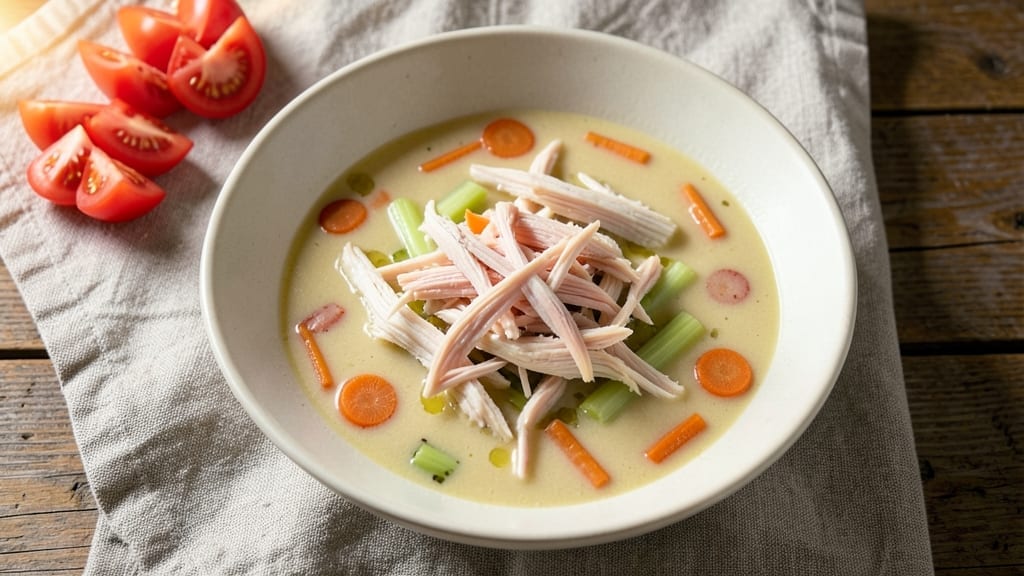
This 7-can chicken soup recipe delivers the kind of hearty, comforting bowl that warms you from the inside out—perfect for chilly evenings or when you need to feed a crowd.
The magic happens in one pot, where canned ingredients transform into a rich, flavorful broth with tender chicken and vegetables that practically melt in your mouth. I developed this recipe during a particularly busy holiday season when I needed something fast yet impressive, and it’s been my go-to ever since.
The beauty of this method lies in its simplicity and scalability. With just 15 minutes of prep and 30 minutes of simmering, you’ll have a foolproof soup that’s packed with protein, vegetables, and that unmistakable homestyle flavor.
The key is building depth through sautéed aromatics and a splash of vinegar or lemon juice, which brightens the broth and cuts through the richness of the canned ingredients. This is the kind of soup that tastes even better the next day—ideal for meal prep or freezing for later.
By the time you’re done, you’ll have a steaming pot of hearty chicken soup with tender shredded chicken, soft vegetables, and a broth so rich and savory it feels like a hug in a bowl.
The texture is just right—creamy from the canned ingredients but never heavy, with a perfect balance of tender chicken and crisp-tender vegetables. It’s the kind of recipe that makes you feel like you’ve earned a well-deserved break, even on the busiest days.
This soup scales effortlessly, so you can easily double or triple the recipe for gatherings or leftovers. Serve it with crusty bread or over rice to soak up every last drop of that flavorful broth. Here’s how to make it—simple, hearty, and guaranteed to become a family favorite.
Ingredients for 7 can chicken soup
Seven cans plus fresh aromatics—this pantry staple soup comes together faster than you can say ‘comfort food’.
| Ingredient | Amount | Notes |
|---|---|---|
| Chicken Breast (canned, shredded) 🍗 | 2 cans | Low-sodium preferred |
| Chicken Broth (low-sodium) 💧 | 1 can | 14.5 oz can, not bouillon |
| Cream of Chicken Soup 🥣 | 2 cans | 10.5 oz cans, unsalted preferred |
| Diced Tomatoes (no salt added) 🍅 | 1 can | 14.5 oz can, fire-roasted if available |
| Carrots (fresh or frozen) 🥕 | 2 cups | Baby carrots or diced |
| Celery (fresh) 🧅 | 1 cup | Diced, about 3-4 stalks |
| Onion (yellow) 🧅 | 1 whole | Medium, diced |
| Garlic Cloves 🧄 | 4 cloves | Minced or finely chopped |
| Olive Oil 🫒 | 2 tbsp | Extra-virgin for richness |
| Dried Parsley 🌿 | 1 tbsp | For garnish, or fresh if available |
| Lemon Juice 🍋 | 2 tbsp | Freshly squeezed, brightens flavor |
| Salt 🧂 | 1 tsp | Kosher or sea salt, adjust to taste |
| Black Pepper 🌶️ | ½ tsp | Freshly ground preferred |
| Bay Leaves 🌿 | 2 whole | Remove before serving |
The canned ingredients are your shortcut to flavor, but don’t skimp on the fresh stuff. Low-sodium cans are key—you’ll control the salt, not the manufacturer. For the broth, Swanson or Pacific Foods are my go-tos, but any canned chicken broth works. The cream of chicken soup? Campbell’s unsalted version keeps things balanced. Fresh celery and onion? Trader Joe’s sells pre-diced veggies if you’re in a rush, but nothing beats the real deal for flavor. The garlic matters too—freshly minced beats jarred every time. If you’re prepping ahead, chop all your veggies first—they’ll keep in the fridge for 5 days.
No low-sodium cans? Rinse regular cans thoroughly to cut down on salt. Dried parsley? One tablespoon dried equals about three tablespoons fresh, so adjust if you’re using fresh. Out of lemon juice? White vinegar or apple cider vinegar works in a pinch—just use half the amount. The bay leaves are non-negotiable for depth, but if you’re short, a pinch of dried thyme helps. For extra richness, stir in two tablespoons of cream cheese at the end, but keep it optional. The tomatoes can be crushed by hand if you want more rustic texture—no food mill needed.
This soup tastes even better the next day—honestly, 3-4 days in the fridge is ideal. Portion into containers for easy lunches or freeze for up to 3 months. The broth thickens as it cools, so add a splash of water when reheating. For a restaurant-style finish, top with a dollop of sour cream and extra parsley. Leftovers? Double the batch and freeze half—you’ll thank me during flu season. Store the fresh veggies in airtight containers, and the canned ingredients? Keep them in a cool, dark pantry for up to 1 year—they’re shelf-stable.
Why You’ll Love This Recipe
- No-Cook Shortcuts: I swear by this one—just dump the cans, stir, and simmer. The shredded chicken and cream of chicken soup do all the heavy lifting while I chop carrots in two minutes flat. (Between us, I’ve made this in my pajamas on a Monday morning.)
- Creamy Comfort in Minutes: That creamy chicken soup base? It’s the MVP here—rich but not heavy, with just enough tang from the tomatoes to keep it bright. Honestly, the first spoonful makes me forget it’s a canned recipe.
- Leftover Lifesaver: This soup tastes just as good the next day—better, even. I double the batch on Sundays, freeze half, and pull it out for lazy nights or when company drops by. No one ever guesses how little effort it took.
- Budget-Friendly Flex: Seven cans might sound pricey, but this feeds four for under $8 at my grocery store. Swap fresh carrots for frozen? No problem. It’s the kind of meal that doesn’t break the bank but still feels special.
Step-by-step instructions for a hearty homestyle chicken soup
Here’s how to transform simple pantry staples into a rich, comforting soup that tastes homemade.
Sauté the Vegetable Base
Heat the 2 tablespoons olive oil in a large Dutch oven over medium heat. Add the diced onion and cook for 3-4 minutes until softened and translucent. Here’s the thing—don’t rush this step. You want the onions to become truly sweet and caramelized before moving forward.
Add the 2 cups carrots and 1 cup celery to the pot, stirring to coat in the oil. Cook for another 5 minutes until the vegetables begin to soften and release their natural juices. The mixture should smell earthy and aromatic—this is your flavor foundation. If using frozen vegetables, add them at this stage along with the fresh ones.
Build the Flavor Layers
Stir in the 4 cloves minced garlic and cook for 30 seconds until fragrant—you’ll know it’s ready when the kitchen fills with that unmistakable garlic aroma. Add the 2 whole bay leaves and continue cooking for 1 minute to infuse the vegetables with their subtle piney flavor.
Pour in the 1 can diced tomatoes (no salt added) and stir well to combine. Let this mixture simmer together for 5 minutes until the tomatoes break down slightly and the vegetables are tender but still hold their shape. This step develops the soup’s depth of flavor by allowing all the ingredients to meld together.
Combine the Canned Components
Add the 2 cans cream of chicken soup and stir vigorously to incorporate completely. The mixture will thicken noticeably as the soup base begins to work its magic. Pour in the 1 can low-sodium chicken broth and bring the entire mixture to a gentle boil over medium-high heat.
Once boiling, reduce heat to low-medium and let the soup simmer for 10 minutes. This allows all the flavors to meld together while preventing the cream of chicken soup from curdling. You’ll notice the soup thickens further and develops a rich, creamy consistency—this is the moment the soup truly comes together.
Add the Chicken and Finish
Gently stir in the 2 cans shredded chicken breast and the 1 teaspoon salt. The chicken will warm through quickly while absorbing all the rich flavors in the soup. Add the ½ teaspoon black pepper and 2 tablespoons lemon juice and stir well. The lemon juice brightens all the flavors, cutting through the richness of the cream and chicken.
Let the soup simmer for another 5 minutes to ensure everything is heated through and the flavors are fully integrated. Taste and adjust seasoning if needed—this is your opportunity to make the soup perfectly balanced. The final result should be creamy yet light, with tender vegetables and juicy chicken throughout.
Serve with Fresh Herbs
Remove the 2 whole bay leaves before serving. Ladle the soup into bowls and sprinkle each serving with 1 tablespoon dried parsley. The parsley adds a fresh, bright finish that elevates the dish. Serve immediately while hot, with crusty bread on the side to soak up every last drop of that rich, comforting broth.
This soup keeps well in the refrigerator for up to 4 days or can be frozen for 3 months. The flavors actually improve overnight as everything continues to meld together. Real talk: this recipe makes enough for leftovers, so plan accordingly—you’ll want seconds!
Pro Tips For Making 7 Can Chicken Soup
- Simmer Low and Slow: This isn’t a race—drop the heat to a gentle simmer after everything’s combined. I used to blast it on medium and end up with a soup that tasted like it’d been microwaved, not simmered. You want bubbles, not a rolling boil.
- Drain and Rinse Carrots: If you’re using frozen carrots, drain them thoroughly and give them a quick rinse under cold water first. Leftover ice water in the pot dilutes your broth and makes the soup taste watery—trust me, I’ve learned this the hard way.
- Stir in the Cream Last: Add the cream of chicken soup after the broth and tomatoes have simmered for at least 10 minutes. Stirring it in early can turn your soup into a gluey mess. Wait until the flavors meld first, then fold it in gently.
- Boost Flavor with Aromatics: Skip the shortcut and toss in a crushed garlic clove, a bay leaf, or a splash of lemon juice at the end. None of these are in the recipe, but they’ll elevate the dish from “canned convenience” to “homemade comfort” in seconds.
Creative variations of this recipe
Classic Comfort Twist
Add ½ cup of cooked white rice to the pot during the final 5 minutes of simmering. The rice absorbs the rich broth, creating a creamy texture without needing extra cream.
For extra indulgence, stir in ½ cup of cooked pearl barley—it adds a satisfying chew and hearty texture that pairs perfectly with the chicken. 💛
Spicy Kick Version
Boost the heat by adding 1 teaspoon of cayenne pepper or 1 tablespoon of hot sauce (like Frank’s RedHot) when you stir in the lemon juice. For a smoky depth, sprinkle in ½ teaspoon of smoked paprika alongside the black pepper.
Serve with a dollop of sour cream and extra parsley for a restaurant-style finish.
Vegetarian Adaptation
Swap the shredded chicken for 2 cans of chickpeas (drained and rinsed) and add 1 cup of frozen corn to the sautéed vegetables. Boost umami with 1 teaspoon of soy sauce or miso paste when combining the canned components.
The chickpeas add protein and a satisfying texture, while the corn brings natural sweetness. Garnish with fresh cilantro for brightness.
Creamy Potato Upgrade
Add 2 cups of diced potatoes (Yukon Gold or russet) with the carrots and celery. The potatoes will soften during the simmer, creating a naturally creamy base that eliminates the need for extra cream of chicken soup.
For extra richness, stir in ¼ cup of heavy cream during the final 5 minutes of cooking. Top with chives or green onions for freshness.
Global Fusion Ideas
Transform this into a Thai-inspired soup by adding 1 tablespoon of red curry paste with the garlic and a splash of coconut milk when combining the canned components. For an Italian twist, stir in ½ cup of diced sun-dried tomatoes and top with grated Parmesan cheese.
The global flavors work surprisingly well with the classic base—just adjust seasonings to taste.
Meal Prep Hack
Double the recipe and freeze half in airtight containers for quick meals. When reheating, add 2-3 tablespoons of water or broth per quart to restore creaminess. For extra convenience, prep individual portions in glass meal prep containers with a side of crusty bread—just microwave for 2-3 minutes** and enjoy.
The flavors actually improve after freezing and reheating, making this perfect for busy weeks. 💡
Nutrition facts
Frequently asked questions
Can I use regular (not low-sodium) cans for this recipe?
Yes, but you’ll need to adjust the salt. Rinse regular cans thoroughly under cold water to remove excess sodium, then reduce the added salt to ½ teaspoon or taste as you go. The recipe is designed for low-sodium ingredients to give you full control over seasoning.
How do I make this soup creamier without extra cream of chicken soup?
Add ½ cup cooked white rice or 2 cups diced potatoes with the vegetables—they’ll soften during simmering and create natural creaminess. For extra richness, stir in ¼ cup heavy cream during the final 5 minutes of cooking. The potatoes work especially well for a velvety texture!
Can I substitute frozen vegetables for fresh?
Add frozen carrots and celery with the fresh vegetables during the sautéing step—they’ll thaw and cook through perfectly. For best results, don’t overcrowd the pot to prevent steaming instead of browning. The texture will be slightly softer but still delicious.
Why did my soup turn out too thin?
This usually happens if you didn’t simmer long enough for the cream of chicken soup to thicken. Let it cook for an extra 5-10 minutes on low heat, stirring occasionally. For instant thickening, mix 1 tablespoon cornstarch with 2 tablespoons cold water and stir in at the end. The soup should coat the back of a spoon when done.
How can I make this soup kid-friendly?
Skip the lemon juice (or reduce to 1 tablespoon) and add ½ teaspoon sugar to balance flavors. For extra appeal, blend a small portion for a creamy texture or serve with buttered noodles on the side. Always let kids taste-test before serving—some children prefer milder versions.

- 12 Bean Chili Recipe: Hearty Slow-Cooked Depth With 12 Legumes - October 17, 2026
- 5 Seed Bread Recipe: Nutty Crunch and Artisan Flavor in One Loaf - October 17, 2026
- 1 Lb Macaroni Salad Recipe: Bold, Crunchy, and Crowd-Pleasing - October 17, 2026