
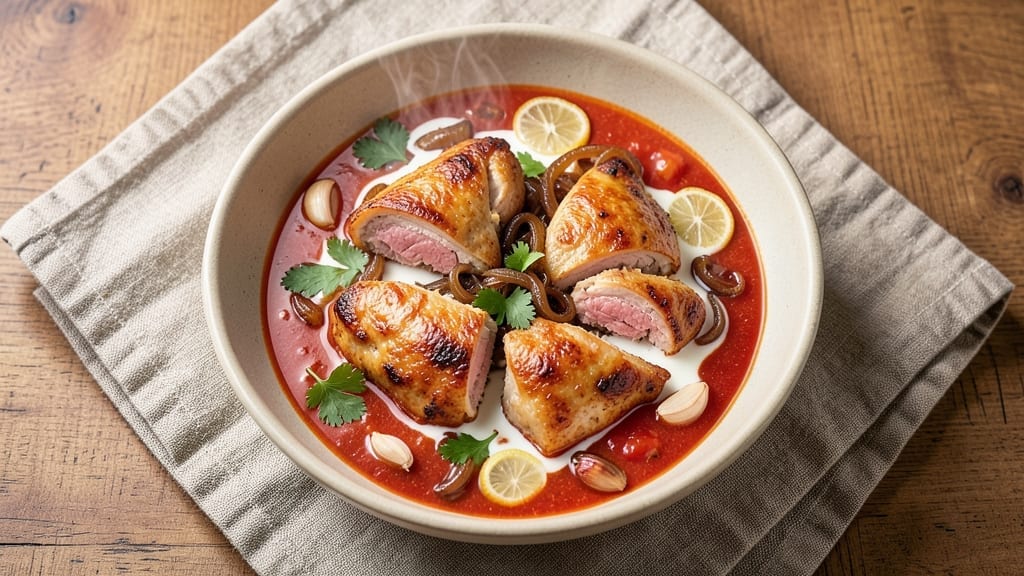
Mastering a 7-spice curry transforms simple ingredients into a restaurant-worthy dish with bold, layered flavors—no shortcuts, just technique. This recipe builds depth by tempering whole spices in hot oil, then simmering proteins and vegetables until tender and infused with aromatic complexity.
The secret lies in balancing heat, sweetness, and acidity, ensuring every spoonful delivers a harmonious explosion of flavor that lingers long after the last bite.
What sets this curry apart is its versatility—adapt the 7-spice blend to create everything from a Thai green curry with coconut milk and lime to a British-style chicken tikka masala with yogurt and fenugreek.
The method remains consistent: toast spices until fragrant, bloom them in oil, then deglaze with liquid to extract every ounce of flavor before adding proteins and vegetables. This approach guarantees a sauce that’s rich, velvety, and packed with character.
By the time you finish, you’ll have a curry that’s restaurant-quality at home—deeply aromatic, perfectly balanced, and ready to pair with basmati rice, naan, or roti. The technique is foolproof, but the results are anything but ordinary.
Whether you’re cooking for a crowd or a cozy weeknight dinner, this method delivers consistent, professional outcomes every time.
Ready to elevate your curry game? The 7-spice blend is your foundation—experiment with proteins (chicken, lamb, tofu) and vegetables (eggplant, potatoes, cauliflower) to create endless variations. Here’s how to make it happen.
Ingredients for 7 curry
Restaurant-quality curry starts with these 17 ingredients—simple yet transformative when balanced properly.
| Ingredient | Amount | Notes |
|---|---|---|
| Chicken Thighs, Bone-In 🍗 | 1 ½ lb | Cut into 2-inch pieces, skin-on preferred |
| Yellow Onion 🧅 | 1 whole | Diced, medium size |
| Garlic Cloves 🧄 | 6 cloves | Minced, fresh preferred |
| Ginger Root 🌿 | 2 tbsp | Freshly grated, peeled |
| Coconut Milk 🥥 | 1 can | Full-fat, 13.5 oz |
| Canned Tomatoes 🍅 | 1 can | San Marzano, 14.5 oz |
| Cauliflower 🥬 | 1 head | Cut into florets |
| Potatoes 🥔 | 1 lb | Russet, cubed |
| Vegetable Oil 🫒 | ½ cup | High smoke point |
| Cumin Seeds 🌶️ | 1 tbsp | Whole, lightly toasted |
| Coriander Seeds 🌿 | 1 tbsp | Whole, lightly toasted |
| Cardamom Pods 🌱 | 4 whole | Lightly crushed |
| Black Peppercorns 🌶️ | ½ tsp | Crushed, fresh preferred |
| Cinnamon Sticks 🍃 | 1 whole | Lightly crushed |
| Turmeric Powder 🌶️ | 1 tsp | Freshly ground preferred |
| Salt 🧂 | 1 ½ tsp | Diamond Crystal kosher |
| Lemon Juice 🍋 | 1 tbsp | Freshly squeezed |
The 7-spice blend demands quality spices for authentic depth. Whole spices—cumin, coriander, cardamom—should be toasted until fragrant before grinding, unlocking their full aromatic potential. Penzeys Spices or bulk bins at Whole Foods offer the freshest options, but avoid pre-ground spices that lose potency within months. For cardamom and cinnamon, look for vibrant green pods and light brown sticks respectively—dull colors indicate age. The San Marzano tomatoes are non-negotiable; their sweetness balances the spice blend perfectly. If substituting, choose ripe but firm tomatoes with minimal acidity.
No whole spices? Pre-ground blends work at double the quantity, though texture suffers. Fresh ginger and garlic can be swapped for powdered at one-third the amount, but the flavor won’t be as vibrant. Coconut milk substitutes include cashew cream (1:1 ratio) for richness or light coconut milk (add extra tomato for balance). For proteins, chicken thighs hold up best to long cooking; swap for lamb shoulder or firm tofu (press and marinate first). Vegetables like cauliflower and potatoes can be replaced with eggplant, zucchini, or sweet potatoes—adjust cooking time accordingly. The lemon juice is critical for brightness; lime juice works 1:1, but lemon’s acidity cuts through the fat beautifully.
Toasted spices lose potency within 3 months—store them in airtight containers away from light. Coconut milk separates after opening; stir well before use or store the can upright in the fridge to extend shelf life. The curry base freezes beautifully for up to 3 months—portion into ice cube trays before transferring to a bag for easy reheating. For restaurant-quality results, let the curry sit 10 minutes off heat before serving; flavors meld during this resting period. Serve with jasmine rice or naan for optimal texture contrast.
Why You’ll Love This Recipe
- One-Pot Magic: I swear by this recipe when I don’t want to wash a million dishes. The bone-in thighs render into golden, fall-off-the-bone perfection while the onions caramelize in the same pot—no extra pans, no stress. Just stir, simmer, and let the coconut milk work its creamy magic.
- Creamy Crispy Balance: That crispy skin on the chicken thighs? Chef’s kiss. It contrasts perfectly with the velvety coconut milk and the bright punch of fresh ginger and garlic. Honestly, the first time I tasted it, I nearly burned the kitchen—it’s that good.
- Meal Prep MVP: Between us, this curry is my go-to for lazy Sundays or when I need to feed a crowd. The leftovers reheat like a dream—just add a splash of water and a minute in the microwave. My roommates still ask for seconds weeks later.
- Budget-Friendly Luxury: Bone-in chicken thighs stretch across multiple meals, and the onion, garlic, and ginger are pantry staples that won’t break the bank. I’ve made this for date nights, family dinners, and even a last-minute potluck—it never disappoints. (Yes, even on a Tuesday night.)
Step-by-step instructions for 7 spice curry
Master this aromatic blend of spices and tender proteins in one flavorful pot.
Toast Whole Spices for Maximum Flavor
Heat the 0.5 cup vegetable oil in a heavy-bottomed Dutch oven over medium heat. Add the 1 tablespoon cumin seeds and 1 tablespoon coriander seeds, stirring constantly for 1 minute until they begin to sizzle and release their aroma. This is where the magic starts—the seeds should darken slightly but not burn.
Add the 4 whole cardamom pods, 1 whole cinnamon stick, and 0.5 teaspoon black peppercorns. Toast for another 30 seconds until the spices are fragrant and the oil shimmers. Immediately remove from heat and let the spices steep in the oil for 1 minute—this infuses the fat with their essence. Here’s the thing—don’t rush this step. Properly toasted spices form the aromatic foundation of your curry.
Build the Spice Base with Onions and Aromatics
Return the pot to medium heat and add the 1 whole yellow onion, diced into even pieces. Cook for 5-6 minutes, stirring occasionally, until the onions soften and begin to caramelize at the edges. This process develops natural sweetness that balances the heat.
Add the 6 cloves garlic cloves and 2 tablespoons ginger root, stirring for 1 minute until the raw garlic scent disappears. The mixture should smell intensely aromatic—like a spice market in the morning. Here’s where it gets critical: don’t let the garlic burn. It should cook just until fragrant, not browned.
Brown the Chicken and Add Turmeric
Push the onions to one side of the pot and add the 1.5 lb chicken thighs, skin-side down. Cook undisturbed for 4-5 minutes until the skin develops a deep golden-brown crust. This creates the Maillard reaction that gives the curry its rich depth. Flip the chicken pieces and cook for another 3 minutes until browned on all sides.
Sprinkle the 1 teaspoon turmeric powder evenly over the chicken and stir to coat. The turmeric will immediately begin to bloom, turning the chicken a vibrant yellow. This is your visual cue that the spice is activating. Remove the chicken to a plate and set aside temporarily—we’ll return it to the pot later.
Simmer the Vegetable and Tomato Base
Increase heat to medium-high and add the 1 can canned tomatoes and 1.5 teaspoons salt. Stir well to scrape up any browned bits from the bottom of the pot—these contain concentrated flavor. Bring to a gentle boil, then reduce heat to medium-low and simmer uncovered for 10 minutes, stirring occasionally.
Add the 1 head cauliflower cut into florets and 1 lb potatoes cubed to the pot. Stir gently to combine, then add the 1 can coconut milk. The coconut milk will help create a creamy texture while maintaining the curry’s balance. Simmer for 15 minutes, stirring occasionally, until the vegetables begin to soften but aren’t fully tender yet.
Finish with Lemon and Rest for Depth
Return the chicken to the pot, spooning some of the sauce over the top to keep it moist. Add the 1 tablespoon lemon juice and stir gently to combine. The acidity brightens all the flavors and cuts through the richness of the coconut milk. Simmer for another 10-12 minutes until the chicken reaches an internal temperature of 165°F and the potatoes are fork-tender.
Remove from heat and let the curry rest for 5 minutes covered. This resting period allows the flavors to meld and the juices to redistribute throughout the dish. Serve immediately with basmati rice or naan bread, ensuring each bite delivers that perfect balance of spice, creaminess, and tender protein. The curry should be rich, aromatic, and have a vibrant yellow hue from the turmeric and coconut milk.
Pro Tips For Making 7 Curry
- Sear the Chicken First: Bone-in thighs need a head start—get them golden brown in a hot pan before adding onions. I learned this the hard way: skipping the sear means flavor hiding in the sauce instead of clinging to the meat. Use about 2 tablespoons of oil and don’t crowd the pan (yes, even if you’re impatient like me).
- Grate, Don’t Mince Ginger: A box grater works faster than a knife and gives you finer, more flavorful ginger—no clumps to strain out later. After burning my fingers mincing by hand, I switched and noticed the curry’s warmth deepened. Just 1 teaspoon of grated ginger (about ½-inch of root) is enough.
- Simmer, Don’t Boil: Low heat is your friend here. Coconut milk curdles fast when it boils, and you’ll end up with a split pot of soup and sauce. Keep it at a gentle simmer—tiny bubbles, not rolling—especially after adding the milk. I was skeptical until I tried it; the sauce stays silky.
- Toast the Onions Dry: Cook the onions until they’re deep golden and slightly sticky before adding garlic. This caramelization builds flavor that raw onions can’t match. Skip the oil splash at the end—just let them dry out for 3-4 minutes. Does it look weird? Yes. Does it work? Every single time.
Dietary considerations for these flavors
Vegetarian Adaptations
Swap out chicken thighs for 1 lb extra-firm tofu pressed and cubed, or 2 cups chickpeas for protein. Marinate tofu in 2 tbsp soy sauce and 1 tbsp maple syrup for 30 minutes before adding to the pot.
Chickpeas add natural creaminess and hold up beautifully during simmering. For extra richness, stir in ½ cup cashew cream at the end. 🌱
Gluten-Free Options
This recipe is naturally gluten-free, but check your spice blends and coconut milk labels for hidden gluten. Use certified gluten-free soy sauce if marinating tofu. For thickening, replace 1 tbsp cornstarch with 1 tbsp arrowroot powder if needed. Always verify all ingredients, especially pre-made sauces or broths. 🌾
Dairy-Free Considerations
The original recipe contains no dairy, but some adaptations might. For example, if adding yogurt to a tikka masala variation, use coconut yogurt instead of dairy.
The coconut milk already provides creaminess, so no dairy substitutes are typically needed. Always double-check labels on spices and broths for dairy traces. 🥥
Spice Level Adjustments
For milder heat, reduce black peppercorns to ¼ tsp and omit cayenne. Add 1 tsp sugar or 1 tbsp honey to balance spice levels. If you prefer extra heat, add ½ tsp cayenne pepper or 1 tbsp fresh chili flakes during the final simmer. Taste as you go—adjust gradually! 🌶️
Nut-Free Version
Skip the cashew cream and use extra coconut milk for creaminess. For added richness, stir in 1 tbsp tahini (if nut-free) or 1 tbsp olive oil at the end. Always verify all ingredients, especially pre-made sauces or broths, for accidental nut contamination. 🥜
Meal Prep Tips
This curry reheats beautifully for 3-4 days in the fridge or 3 months in the freezer. Store in airtight containers with a ¼ cup water or broth to prevent drying.
Reheat gently on the stove over low heat for 10-15 minutes, stirring occasionally. Avoid microwaving—it can make the sauce watery. 🍲
Nutrition facts
Frequently asked questions
Can I use ground spices instead of whole spices for this curry?
Yes, but with adjustments! Use double the amount of pre-ground spices (e.g., 2 tbsp cumin instead of 1 tbsp seeds) and toast them in the oil for 30 seconds to activate their flavors. Whole spices develop deeper aroma through toasting, but ground spices work in a pinch. For best results, lightly crush whole spices (like cardamom pods) with a mortar and pestle before adding.
How do I adjust the spice level for kids or sensitive eaters?
Start by reducing black peppercorns to ¼ tsp and omitting cayenne entirely. Add 1 tsp sugar or 1 tbsp honey to balance heat, or stir in ½ cup plain yogurt at the end to cool the spices. For extra mildness, simmer the curry with the lid on to soften flavors. Always taste as you go—adjust gradually!
What’s the best way to store and reheat this curry?
Store in airtight containers in the fridge for 3-4 days or freeze for 3 months. For reheating, use the stove over low heat for 10-15 minutes, stirring occasionally and adding 1-2 tbsp water or broth if it thickens too much. Avoid microwaving—it can make the sauce watery and dull the flavors.
Can I make this curry in an Instant Pot or slow cooker?
For the Instant Pot, sauté onions and spices first, then add all ingredients (except lemon juice) and cook on High Pressure for 12 minutes. Release pressure naturally, then stir in lemon juice. For a slow cooker, combine everything (including lemon juice) and cook on Low for 6-7 hours or High for 3-4 hours. The slow cooker version will be even more tender.
What are the best sides to serve with this curry?
Classic pairings include jasmine or basmati rice, garlic naan, or roti. For a lighter option, serve with cucumber raita (yogurt with grated cucumber and mint) or a simple mango salad. The creamy coconut milk in the curry balances well with fresh, crunchy, or starchy sides.

- 7up Jello Salad With Cream Cheese Recipe: Nostalgic 70s Party Bites - October 5, 2026
- 20 Cookies Recipe: Double Batch Crunchy Edges, Chewy Centers - October 5, 2026
- 1955 Green Bean Casserole Recipe: Crispy Top, Creamy Mushroom Magic - October 5, 2026