
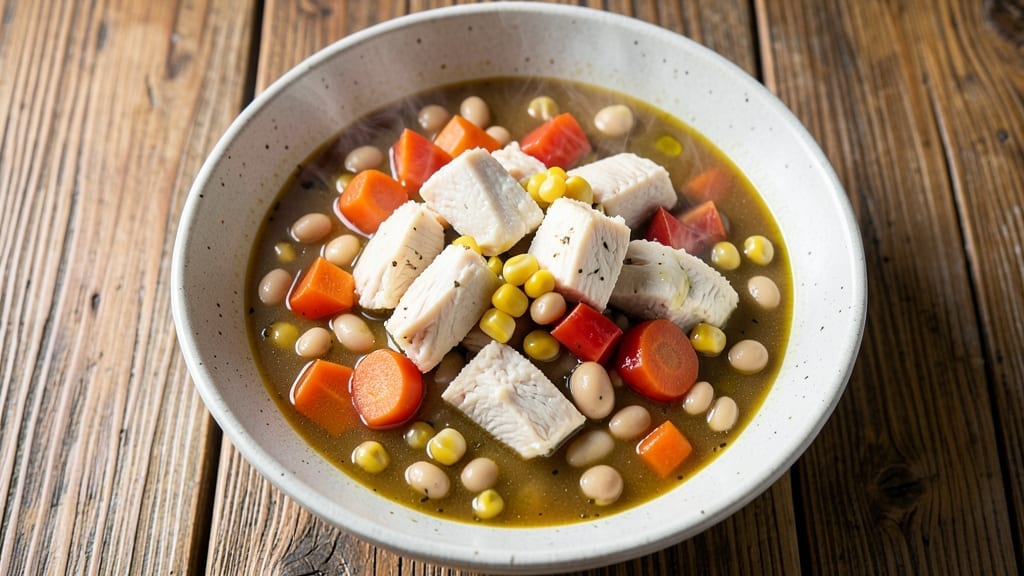
An 8-can chicken soup recipe transforms simple pantry staples into a deeply comforting, restaurant-worthy meal that’s ready in under an hour. The beauty of this method lies in its adaptability—whether you’re using canned chicken, beans, and vegetables or swapping in fresh ingredients, the result is always hearty and satisfying.
No fancy techniques required, just layering flavors through slow simmering and the magic of canned goods working together.
This recipe builds flavor by starting with a rich, savory broth base—whether from canned chicken broth or water with bouillon—then incorporating canned proteins and vegetables that meld into a cohesive, foolproof dish.
The key is balancing textures: tender chicken, creamy potatoes, and firm vegetables all cook simultaneously, ensuring every spoonful delivers a mix of hearty and comforting elements. The simplicity of canned ingredients doesn’t compromise on depth; instead, it creates a versatile foundation for customization.
What you’ll end up with is a steaming bowl of soup that’s packed with protein, vegetables, and warmth—ideal for chilly evenings or when you need a quick, nourishing meal. The broth absorbs the flavors of the canned ingredients, creating a rich, well-rounded taste that’s hard to resist.
Garnish with fresh herbs or a sprinkle of cheese to elevate it further, but even as-is, it’s a standout dish that feels both homestyle and impressive.
Perfect for feeding a crowd, meal prepping, or simply enjoying a cozy dinner, this soup proves that minimal effort can yield maximum comfort. Whether you’re a seasoned cook or new to the kitchen, the straightforward steps and adaptable ingredients make it a go-to recipe for any occasion.
Let’s get started!
Ingredients for 8 can chicken soup
Eight cans transform into a restaurant-worthy chicken soup bursting with homestyle warmth and adaptable flavors.
| Ingredient | Amount | Notes |
|---|---|---|
| Canned Chicken Breast 🍗 | 2 cans | Drained, shredded or chunked |
| Canned Chicken Broth 💧 | 2 cans | 14.5 oz each, low-sodium preferred |
| Canned White Beans 🌾 | 2 cans | Drained, Great Northern or cannellini |
| Canned Diced Tomatoes 🍅 | 1 can | 14.5 oz, San Marzano preferred |
| Canned Carrots 🥕 | 1 can | 15 oz, drained |
| Canned Corn Kernels 🌽 | 1 can | 15 oz, drained |
| Canned Potatoes 🥔 | 1 can | 15 oz, diced, drained |
| Yellow Onion 🧅 | 1 whole | Diced, medium size |
| Garlic Cloves 🧄 | 4 cloves | Minced, fresh preferred |
| Celery Stalks 🥬 | 3 whole | Diced, fresh or frozen |
| Extra-Virgin Olive Oil 🫒 | 2 tbsp | For sautéing base |
| All-Purpose Flour 🌾 | 1 tbsp | For thickening broth |
| Dried Thyme 🌿 | 1 tsp | Or 1 tbsp fresh |
| Bay Leaves 🍃 | 2 whole | Removed before serving |
| Salt 🧂 | 1 ½ tsp | Diamond Crystal preferred |
| Black Peppercorns 🌶️ | ½ tsp | Freshly cracked |
| Fresh Parsley 🌿 | ¼ cup | Chopped, for garnish |
The canned chicken and broth form the soul of this soup—look for high-quality brands like Storebrand or Amy’s for better flavor profiles. Fresh vegetables like celery and onion add depth, but frozen work just as well if you’re short on time. The San Marzano diced tomatoes elevate the acidity balance, though any good-quality canned tomatoes will suffice. For the beans, Great Northern or cannellini provide the best texture, but kidney beans or chickpeas add variety. Pre-drained cans save time, but rinsing them briefly removes excess sodium if you prefer.
No canned chicken? Shredded rotisserie chicken works perfectly, or swap in extra white beans for a vegetarian twist. Short on carrots? Frozen peas or green beans add color and nutrients without altering the texture. The corn can be omitted entirely if you dislike its sweetness, or replace it with diced zucchini for a lighter touch. For the thickening, a cornstarch slurry works just as well as flour if you’re avoiding gluten, though the flour blend seamlessly into the broth’s richness. Fresh herbs like parsley or basil brighten the final dish—dried herbs at half the amount work in a pinch.
This soup reheats beautifully—simmer gently for 10-15 minutes to restore its warmth. Store in airtight containers for 4-5 days in the fridge, or freeze for up to 3 months by portioning into individual containers. The flavors deepen overnight, making it ideal for meal prep. Garnish with a drizzle of olive oil or a sprinkle of cheese right before serving to enhance presentation without altering the recipe’s integrity.
Why You’ll Love This Recipe
- I’ll be real: this recipe saved me during that month when my grocery budget was tight. Eight cans mean zero fresh produce waste, and the flavors still pack a punch. Leftovers? Even better the next day.
- No Chopping Needed: I’ll admit, I’m terrible at chopping veggies—this recipe skips that step entirely. Just dump the canned carrots and tomatoes right in, and the broth does the rest. No knife skills required.
- Creamy Without Cream: Honestly, the white beans here make this soup ridiculously rich—no heavy cream or butter needed. The canned chicken adds protein, and the broth keeps it light but satisfying. It’s the kind of flavor that lingers.
- Potluck Star: Between us, this is my go-to for gatherings. It’s hearty enough for a crowd but still easy to double. Bring it in a slow cooker or thermos, and you’ll be the hero of the picnic table.
Step-by-step instructions for hearty homestyle chicken soup
This one-pot method delivers restaurant-quality chicken soup with minimal effort.
Sauté the Aromatic Base
Heat the 2 tablespoons extra-virgin olive oil in a large pot over medium heat. Add the 1 whole diced yellow onion, 3 whole diced celery stalks, and 4 cloves minced garlic. Cook for 5-6 minutes until the vegetables soften and the garlic becomes fragrant—you should smell a sweet, earthy aroma developing.
This foundational step builds flavor through the Maillard reaction. If the vegetables start browning too quickly, reduce heat slightly. The goal is to create a flavorful base before adding liquids, which prevents the soup from becoming watery.
Add Flour and Liquids
Stir in the 1 tablespoon all-purpose flour and cook for 1 minute until lightly toasted. This creates a simple roux that will help thicken the broth slightly. Immediately pour in the 2 cans chicken broth and bring to a gentle boil.
Once boiling, reduce heat to medium-low and add the 2 whole bay leaves, 1 teaspoon dried thyme, 1.5 teaspoons salt, and 0.5 teaspoon black peppercorns. Let the broth simmer for 5 minutes to infuse the flavors. This step ensures all seasonings are evenly distributed before adding the remaining ingredients.
Incorporate the Vegetables and Beans
Add the 1 can diced tomatoes, 1 can drained carrots, 1 can drained corn kernels, 1 can drained potatoes, and 2 cans drained white beans. Stir gently to combine, then return to a simmer. Cook for 10 minutes until the potatoes are tender and the flavors meld together.
Here’s where the soup begins to transform. The potatoes should soften enough to break down slightly, releasing their starches into the broth. If the soup appears too thick, add ½ cup water to achieve a proper consistency. The beans will continue softening as they simmer.
Finish with Chicken and Garnish
Gently fold in the 2 cans shredded or chunked canned chicken breast. Simmer for an additional 5 minutes to heat through completely. Remove the 2 bay leaves before serving, as they can become bitter if left in too long.
Ladle the soup into bowls and garnish each serving with 0.25 cup chopped fresh parsley. The parsley adds freshness and visual appeal, balancing the hearty flavors. Serve immediately while hot, as the flavors continue developing even after cooking.
Pro Tips For Making 8 Can Chicken Soup
- DRAIN AND RINSE BEANS: The canned white beans will taste like they’re swimming in saltwater if you skip this. Dump them into a colander, give them a quick rinse under cold water, and shake off the excess—this cuts the sodium and keeps the soup from tasting like a science experiment gone wrong.
- CRUSH HALF THE TOMATOES: I learned this the hard way—whole diced tomatoes just sit there like decorative garnish. Grab a handful of those canned tomatoes and crush them with your fingers or a spoon before adding them to the pot. The broken pieces blend into the broth, giving you real tomato flavor instead of just floating chunks.
- SIMMER, DON’T BOIL: This isn’t a pressure cooker, and your soup isn’t a race. Let it simmer at a gentle bubble—just enough to keep steam rising—so the canned carrots soften without turning to mush. A rolling boil will shred the chicken and turn the beans to paste in no time.
- STIR IN THE CHICKEN LAST: The canned chicken breast stays rubbery if it cooks too long in the broth. Add it to the pot just 2–3 minutes before serving, so it warms through without falling apart. If you’re worried about cold spots, shred it first and fold it in at the end—it’ll heat up faster that way.
Common mistakes when making great 8 can chicken soup
Over-Salting the Broth
The biggest flavor killer is over-salting the broth, especially when using canned ingredients that already contain sodium. Start with the 1.5 teaspoons Diamond Crystal salt called for in the recipe, then taste before adding more.
Canned broth and beans often have hidden salt, so resist the urge to season aggressively early on. If you need to adjust later, add salt gradually—¼ teaspoon at a time—while the soup simmers. 🧂
Skipping the Aromatic Base
Rushing through the onion, celery, and garlic sauté is a common mistake that flattens the soup’s depth. These ingredients form the flavor foundation through the Maillard reaction, which creates rich, caramelized notes.
Don’t skip this step—even if you’re in a hurry, take 5-6 minutes to develop that sweet, earthy aroma. If you’re pressed for time, use frozen pre-diced onion and celery to save chopping time without sacrificing flavor.
Adding All Ingredients at Once
Dumping everything into the pot simultaneously can lead to uneven cooking and a mushy texture, especially with the potatoes and beans. Instead, add the diced tomatoes, carrots, corn, and potatoes first, then simmer for 10 minutes before introducing the canned chicken.
This staggered approach ensures the vegetables soften properly while the chicken heats through without turning rubbery. 🥔
Ignoring the Bay Leaves
Bay leaves might seem optional, but they add a subtle, aromatic depth that’s easy to overlook. If you forget to add them in Step 2, the soup will still taste good—but it’ll lack that classic herbal complexity.Even if you remember to add them, always remove them before serving to avoid a bitter aftertaste. Pro tip: Place the bay leaves in a small cheesecloth pouch for easy removal without fishing them out of the pot.
Underestimating Simmer Time
Rushing the simmering process means the flavors won’t meld properly, leaving the soup tasting disjointed. After adding all ingredients, let the soup simmer for the full 10 minutes (or longer if needed) to allow the starches from the potatoes and beans to thicken the broth naturally.
If you’re short on time, at least 5 minutes of simmering will help, but patience here makes all the difference in the final texture and taste.
Using Low-Quality Canned Goods
The quality of your canned ingredients directly impacts the final result. Opt for Storebrand or Amy’s canned chicken and broth—they’re higher in quality and flavor compared to store-brand alternatives.
For tomatoes, San Marzano is the gold standard, but any good-quality canned tomato will work. Skimping here can turn a hearty soup into something bland and one-dimensional. 🍗
Nutrition facts
Frequently asked questions
Can I make this soup without canned chicken?
Swap the canned chicken for 2 cups shredded rotisserie chicken or 1.5 cups cooked white beans for a vegetarian version. The beans add protein and heartiness while keeping the soup rich and satisfying. Just reduce the broth by ½ cup if using extra beans to balance the texture.
How do I adjust this for a larger crowd?
Double or triple the recipe while keeping the same ratios—just use a larger pot. For 16 servings, multiply all ingredients by 2 and simmer in a 6-8 quart pot. The key is maintaining the 10-minute simmer time after adding all ingredients to ensure even cooking. Garnish with extra herbs or a sprinkle of cheese to elevate the presentation.
Can I freeze leftover chicken soup?
Yes, this soup freezes beautifully! Cool it completely, then portion into airtight containers or freezer bags. It keeps for up to 3 months. To reheat, thaw overnight in the fridge, then warm on the stove over medium-low heat for 10-15 minutes, stirring occasionally. Avoid microwaving—it can make the textures uneven.
What if I don’t have fresh herbs for garnish?
No problem! Use ½ teaspoon dried parsley or ¼ teaspoon dried basil instead. For extra flavor, top with crumbled feta cheese or a drizzle of olive oil. Even a pinch of red pepper flakes adds a subtle kick without changing the recipe’s core. The soup will still taste delicious—garnishes are just the finishing touch!
Why does my soup taste watery?
Watery soup usually means the broth wasn’t thickened enough. Try simmering uncovered for 5-10 extra minutes to let the potatoes and beans release starches. If it’s still too thin, mash ½ cup cooked potatoes into the broth or stir in 1 tablespoon cornstarch mixed with 2 tablespoons water. Simmer for 2 more minutes** to thicken naturally.

- Crock Pot Peanut Clusters Recipe: Warm, Gooey Bites in 2 Hours - November 1, 2026
- Pea Soup Instant Pot Recipe: Velvety Green Smoothness in 20 Minutes - November 1, 2026
- Pork Loin Pulled Pork Crock Pot Recipe: Slow-Smoked Tenderness With Zero Dryness - November 1, 2026