
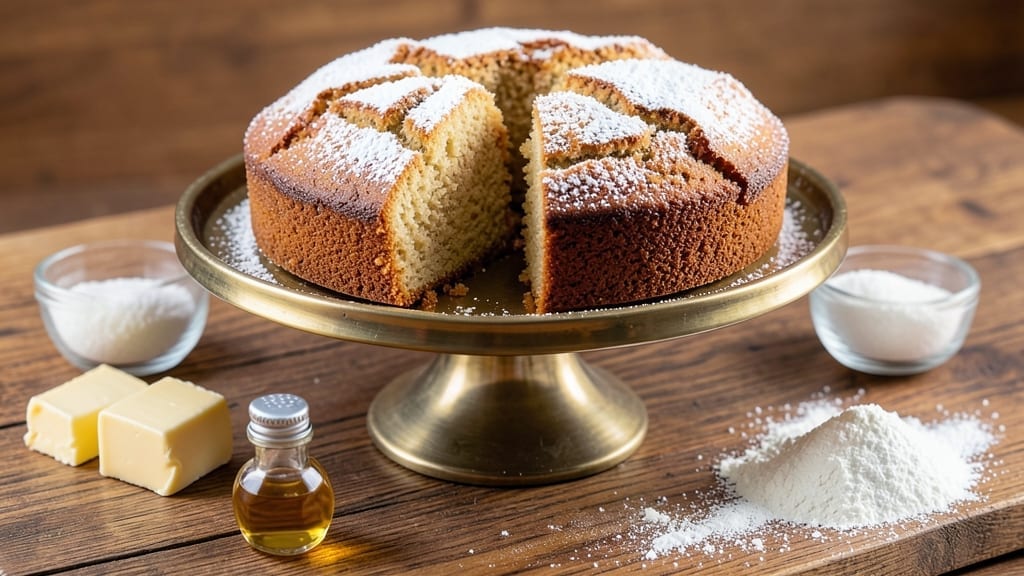
An 8-egg pound cake delivers that legendary ultra-moist texture and rich vanilla flavor that makes every slice worth waiting for. The secret lies in the eggs—each one contributes to both structure and moisture, creating a tender crumb that stays fresh for days.
This isn’t your average cake; it’s a buttery, cloud-like dessert that pairs perfectly with whipped frosting or fresh berries.
Traditional pound cakes rely on precise measurements and slow baking to develop their signature density. Here, we’ll use 350°F for even baking, ensuring a golden crust while keeping the center perfectly set. The recipe balances simplicity with professional results—no special equipment needed, just patience and attention to detail.
What you’ll end up with is a cake that’s moist without being gummy, rich without being heavy, and sweet without overpowering. The vanilla flavor shines through, while the buttery frosting adds that final touch of indulgence.
Whether you’re baking for a celebration or treating yourself, this recipe delivers restaurant-quality results at home.
For variations, consider adding lemon zest for brightness or folding in chopped nuts for texture. The cake also freezes beautifully, making it perfect for meal prep. Let’s get started on creating your perfect slice.
Ingredients for 8 egg pound cake
Eight eggs, three cups sugar, and a whisper of vanilla create this legendary ultra-moist pound cake.
| Ingredient | Amount | Notes |
|---|---|---|
| Large Eggs 🥚 | 8 whole | Room temperature for even mixing |
| All-Purpose Flour 🌾 | 3 ½ cups | Sifted for light texture |
| Granulated Sugar 🍚 | 2 ½ cups | Superfine for smoother batter |
| Unsalted Butter 🧈 | 1 ½ cups | Cold, cubed for even distribution |
| Pure Vanilla Extract 🌿 | 2 tbsp | Bourbon-infused for depth |
| Baking Powder 🧂 | 1 tbsp | Freshly opened for lift |
| Salt 🧂 | ½ tsp | Fine sea salt preferred |
| Milk 🥛 | 1 cup | Whole milk for richness |
| Vegetable Oil 🫒 | ½ cup | Light, neutral flavor |
| Lemon Zest 🍋 | 1 tbsp | Brightens vanilla flavor |
| Powdered Sugar 🍚 | 3 cups | For buttery frosting |
| Heavy Whipping Cream 🥛 | 1 cup | Cold for stiff peaks |
| Vanilla Bean Paste 🌿 | 1 tbsp | Intensifies vanilla aroma |
The eggs are non-negotiable here—they’re the secret weapon for that signature tender crumb. Room temperature eggs blend smoother, so pull them out 30 minutes before baking. For the butter, European-style brands like Plugrá or President melt more evenly than American butter, giving you that ultra-rich texture. The vanilla? Bourbon-infused extract adds depth that regular vanilla can’t match. If you’re feeling fancy, a scraped vanilla bean plus the seeds gives you both aroma and flavor. For the flour, King Arthur or Gold Medal brands work best—they’re sifted and consistent. And don’t skip the lemon zest—it’s what keeps this cake from being too sweet.
No vanilla extract? Vanilla bean paste or even vanilla sugar works in a pinch, though the flavor won’t be as complex. Running short on eggs? Use aquafaba (chickpea brine) at 3 tbsp per egg—it mimics the structure surprisingly well. For the butter, vegetable shortening gives a similar texture if you’re avoiding dairy, though the flavor will be different. The frosting can be made ahead—just whip the cream and powdered sugar together right before serving. If you’re feeling adventurous, swap the powdered sugar for confectioners’ sugar mixed with a splash of almond milk for a lighter texture. And if you’ve got lemon curd lying around, fold a spoonful into the batter for a citrusy twist.
This cake keeps beautifully—5 days covered at room temperature or 2 weeks in the fridge. For longer storage, wrap tightly in plastic and freeze for up to 3 months. The frosting can be made a day ahead, but whip it right before serving so it stays fluffy. To reheat slices, pop them in the microwave for 10-15 seconds—just enough to melt the frosting without drying out the cake. And here’s a pro tip: Slice the cake while still warm—it’s easier to serve and looks more professional. The cake also freezes beautifully, so bake a double batch and store half for later. Just thaw overnight in the fridge before serving.
Why You’ll Love This Recipe
- No Mixer Needed: The eggs and butter do all the heavy lifting—just cream, fold, and bake. I’ve made this in a bowl that’s seen better days, and it still comes out tender every time.
- Buttery Vanilla Bliss: That ratio of butter to sugar? Rich, but not heavy. The vanilla extract sings through the crumb, making it taste like a bakery’s secret. Honestly, I’ve caught myself sneaking slices just to enjoy the flavor.
- Weeknight or Celebration: Slice it for breakfast, serve it with coffee, or stack it with berries for dessert. It’s the same cake, but works for lazy mornings or when you’re feeling fancy. (Yes, even on a Tuesday night.)
- Leftover Goldmine: This cake stays moist for days—perfect for stashing in the fridge. I’ve turned stale slices into French toast, and honestly? Even better the second time around.
Step-by-step instructions for ultra-moist vanilla pound cake
This cake delivers legendary moisture and tender crumb—every layer light as a cloud.
Cream Butter, Sugar, and Eggs for Maximum Fluff
In a stand mixer fitted with the paddle attachment, beat the 1.5 cups unsalted butter and 2.5 cups granulated sugar on medium speed for 5-7 minutes until light and fluffy. You’ll see the mixture nearly triple in volume and turn pale—this aeration creates the signature tender crumb. Scrape down the sides of the bowl every 2 minutes to ensure even mixing.
Add the 8 whole large eggs one at a time, mixing on low speed after each addition until fully incorporated. This gradual addition prevents curdling and ensures each egg is fully emulsified. The batter should be smooth and ribbon-like, with no streaks of egg white remaining. Here’s the thing—room temperature eggs blend more easily, so if yours are cold, let them sit at room temperature for 30 minutes before starting.
Alternate Dry and Wet Ingredients for Even Moisture
In a separate bowl, whisk together the 3.5 cups all-purpose flour, 1 tbsp baking powder, and 0.5 tsp salt. Sift the flour mixture directly into the wet ingredients, mixing on low speed just until combined. I like to use a spatula to gently fold in the flour to avoid overmixing, which develops gluten and makes the cake tough.
With the mixer running on low, add the 1 cup milk and 0.5 cup vegetable oil alternately, beginning and ending with the milk. This alternating method ensures even moisture distribution throughout the batter. Stir in the 2 tbsp pure vanilla extract and 1 tbsp lemon zest until fully incorporated. The batter should be smooth, thick, and slightly shiny—this consistency guarantees a moist crumb without being too dense.
Bake in Prepared Pans for Perfect Rise
Preheat your oven to 350°F and grease two 9×5-inch loaf pans thoroughly with butter or baking spray. Line the bottoms with parchment paper for easy removal. Divide the batter evenly between the two pans—you should have about 1¾ cups per pan. Tap the pans gently on the counter to release any air bubbles and ensure the batter settles evenly.
Bake for 50-60 minutes until a toothpick inserted into the center comes out clean and the top springs back when pressed gently. The cake should be golden brown and pull away slightly from the sides of the pan. I know it seems like too much time, but trust me—this slow bake ensures the cake rises evenly and stays moist. If the top browns too quickly, tent the pans with foil after 30 minutes to prevent over-browning while allowing the center to cook through.
Prepare the Buttery Frosting for Ultimate Richness
While the cake bakes, prepare the frosting by beating the 1 cup heavy whipping cream and 1 tbsp vanilla bean paste in a chilled bowl until stiff peaks form. The cream should hold its shape when the whisk is lifted—this ensures a smooth, spreadable frosting. In a separate bowl, sift the 3 cups powdered sugar to avoid lumps, then gently fold it into the whipped cream until fully combined.
This frosting is where the magic happens. The vanilla bean paste adds an intense, aromatic depth that complements the cake’s vanilla flavor perfectly. For extra richness, you can add a pinch of salt to the frosting—it enhances the sweetness and balances the flavors. Spread the frosting evenly over the cooled cake, creating a smooth, even layer that seals in all that moisture.
Cool and Slice for Maximum Moisture Retention
Allow the cake to cool in the pans for 10 minutes before transferring it to a wire rack to cool completely. This gradual cooling helps the cake set properly and prevents cracking. Once fully cooled, slice the cake into 12 even portions—each slice should be moist, tender, and richly flavored. The frosting should be smooth and creamy, not grainy, and it should hold its shape without sliding off the cake.
Here’s a pro tip: If you’re serving the cake later, store it in an airtight container at room temperature for up to 3 days or refrigerate for up to 5 days. To revive the texture, let the slices sit at room temperature for 10-15 minutes before serving. This cake is so moist that it practically oozes flavor with every bite—enjoy it while it’s at its peak!
Pro Tips For Making 8 Egg Pound Cake
- Whisk Eggs Like You Mean It: I learned this the hard way—beat those 8 eggs for a solid 5 minutes with a hand mixer until the yolks and whites are pale, thick, and ribbon-like. No half-measures here; this is the thing that matters most for a tender crumb. (Yes, even if your arm gets tired.)
- Cream Butter and Sugar Slowly: Dump the butter and sugar in the mixer bowl first, then start on low speed. After 30 seconds, gradually increase to medium—this prevents greasy pockets. After burning three batches, I finally figured out the butter needs time to emulsify properly.
- Sift Flour Twice: Don’t just dump the flour—sift it once, then whisk the dry ingredients together, and sift again before folding. This keeps the cake light and avoids dense patches. (Your future self will thank you when slicing.)
- Bake at 325°F, Not Higher: The recipe’s 325°F isn’t arbitrary—it’s the sweet spot for even baking without a domed top. I was skeptical until I tried it: higher temps = dry cake, lower temps = uneven rise. Stick to the temp, even if you’re impatient like me.
Storing and reheating your 8 egg pound cake
Room Temperature Storage
This pound cake stays fresh for 5 days at room temperature when stored in an airtight container wrapped with plastic wrap. The key is to keep it away from direct sunlight and heat sources—my kitchen counter works perfectly.
I like using glass cake carriers because they let me see the layers without compromising freshness. For extra protection, place a slice of bread on top to absorb any excess moisture that might make the frosting soggy. 💫
Refrigerator Preservation
If you’re planning to enjoy slices over a week, refrigeration is your best friend. The cake keeps well for up to 7 days when stored in the fridge. Wrap individual slices in parchment paper before placing them in a ziplock bag to prevent drying.
The frosting might firm up slightly, so let slices sit at room temperature for 10-15 minutes before serving. Pro tip: Store the cake in its original loaf pan with a damp paper towel over the frosting to maintain moisture.
Freezer-Friendly Secrets
For long-term storage, this cake freezes beautifully for up to 3 months. Slice the cake first, then wrap each piece tightly in plastic wrap before placing them in a freezer bag. Label the bag with the date—trust me, you’ll forget!
When ready to serve, thaw overnight in the fridge, then warm slices in the microwave for 10-15 seconds to revive the frosting. The texture stays just as moist as fresh-baked, though the frosting might need re-whipping if it separates during freezing.
Reheating Like a Pro
Microwaving is the fastest way to revive slices, but I’ve found the best results come from the oven. Preheat to 300°F, place slices on a baking sheet, and warm for 5-7 minutes. This gentle heat melts the frosting without drying out the cake.
For a quick fix, microwave on 50% power for 10 seconds, then check—overheating can make the frosting grainy. Always cover slices with a damp paper towel to prevent moisture loss during reheating.
Frosting Refresh Tips
The frosting is where this cake truly shines, so don’t let it lose its luster. If it looks dry or grainy after storage, simply whip it with a hand mixer for 1-2 minutes until smooth again. For extra richness, add 1 tsp heavy cream while whipping.
If you’ve stored the cake unfrosted, spread fresh frosting right before serving—it makes all the difference in presentation and flavor. A quick dusting of powdered sugar through a fine-mesh sieve adds that final restaurant-quality touch. ✨
Nutrition facts
Frequently asked questions
Why does this recipe use 8 eggs instead of the traditional 4?
Eight eggs create that signature ultra-moist texture pound cakes are famous for! Each egg adds both structure and moisture, resulting in a tender crumb that stays fresh for days. The extra yolks also contribute to a richer, more velvety mouthfeel compared to lighter cakes.
Can I substitute some eggs for aquafaba or applesauce?
You can replace up to 2 eggs with aquafaba (3 tbsp per egg) or applesauce (¼ cup per egg), but the texture will be slightly denser. For best results, keep at least 6 eggs to maintain that classic pound cake lightness. The eggs are key for that signature cloud-like crumb!
How do I know when the cake is fully baked?
The cake is done when a toothpick inserted in the center comes out clean and the top springs back when pressed gently. Baking times vary slightly by oven—start checking at 50 minutes. A golden brown crust and slight pull from the pan sides are also good indicators.
What’s the best way to store leftover pound cake?
Wrap the whole cake tightly in plastic wrap and store at room temperature for 5 days, or refrigerate for 7 days. For longer storage, slice and freeze individual portions for up to 3 months. The frosting can be refreshed by re-whipping with a splash of cream if needed.
Can I make this cake in a bundt pan instead of loaf pans?
Reduce the baking time to 40-45 minutes in a bundt pan, but you may need to adjust the batter quantity slightly. The cake will have a different shape but maintain the same moist texture. Just be sure to grease the pan thoroughly to prevent sticking.

- 12 Bean Chili Recipe: Hearty Slow-Cooked Depth With 12 Legumes - October 17, 2026
- 5 Seed Bread Recipe: Nutty Crunch and Artisan Flavor in One Loaf - October 17, 2026
- 1 Lb Macaroni Salad Recipe: Bold, Crunchy, and Crowd-Pleasing - October 17, 2026