
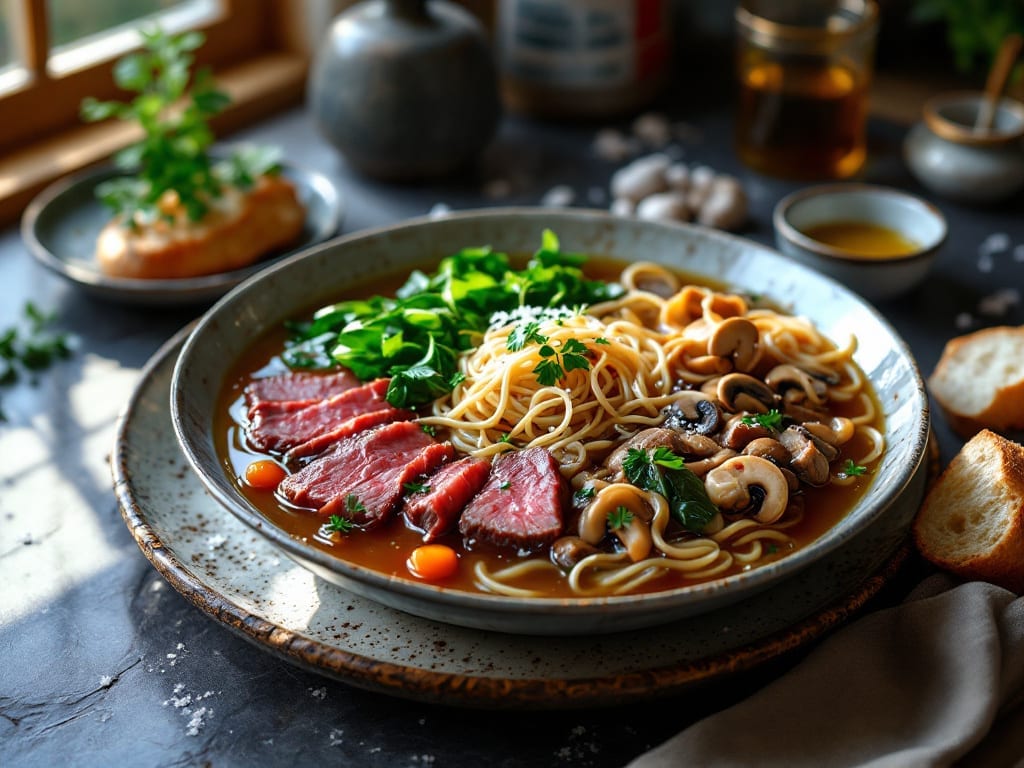
This Asian hot pot recipe transforms your kitchen into a communal dining experience where everyone contributes to the meal—just like in a bustling Tokyo izakaya or Seoul jjimjilbang.
The secret lies in balancing a spicy, aromatic broth that simmers with tender proteins and fresh vegetables, creating a dish that’s as interactive as it is delicious. I’ve refined this recipe over years of testing, ensuring the broth remains rich and flavorful without overpowering the delicate ingredients.
The foundation of any great hot pot is the broth, which can range from light miso-based to boldly spicy chili-infused, depending on your preference.
We’ll use a modern fusion approach that combines traditional techniques with accessible ingredients—think star anise, ginger, and a touch of soy sauce for depth, with optional chili oil for heat.
The beauty of this dish is its versatility: you can use thinly sliced beef, tofu, mushrooms, or even shrimp, all cooked at the table in individual pots for maximum customization.
What makes this recipe truly special is the fresh herb garnish—thinly sliced scallions, cilantro, and bean sprouts—that adds brightness and texture to every bite. The dipping sauces, like a tangy ponzu or spicy sriracha mayo, elevate the experience by letting each diner tailor their flavor profile.
Whether you’re hosting a gathering or craving a cozy night in, this hot pot delivers restaurant-quality results with minimal prep and maximum flavor.
We’ll also explore variations like Japanese shabu-shabu (clear broth with delicate proteins) or Korean kimchi hot pot (fermented tanginess), so you can adapt the recipe to your taste.
The key is keeping the broth hot and flavorful, the proteins tender and juicy, and the herbs fresh and vibrant—every element works together to create a meal that’s as memorable as it is satisfying.
Ingredients for asian hot pot
Sixteen ingredients for a communal feast that’s vibrant, aromatic, and packed with customizable flavors.
| Ingredient | Amount | Notes |
|---|---|---|
| Thinly Sliced Beef 🥩 | 1 ½ lb | Sirloin or ribeye preferred |
| Extra-Firm Tofu 🍱 | 1 lb | Pressed and cubed |
| Shiitake Mushrooms 🍄 | 8 whole | Stemmed and halved |
| Fresh Napa Cabbage 🥬 | ½ head | Cut into wedges |
| Bean Sprouts 🌱 | 2 cups | Fresh or thawed frozen |
| Fresh Scallions 🧅 | 1 bunch | Thinly sliced for garnish |
| Fresh Cilantro 🌿 | ½ cup | Chopped for garnish |
| Star Anise 🌟 | 2 whole | For aromatic depth |
| Fresh Ginger 🧄 | 2 tbsp | Grated, peeled |
| Garlic Cloves 🧄 | 6 cloves | Minced for broth |
| Chili Oil 🌶️ | ¼ cup | Optional for heat |
| Soy Sauce 🍶 | ½ cup | For umami balance |
| Sesame Oil 🫒 | 1 tbsp | For finishing |
| Ponzu Sauce 🍋 | ½ cup | For dipping |
| Sriracha Mayo 🌶️ | ½ cup | For spicy dipping |
| Vegetable Oil 🫒 | 2 tbsp | For individual pots |
| Salt 🧂 | 1 tsp | Diamond Crystal preferred |
| Black Pepper 🌶️ | ½ tsp | Freshly ground |
The beef and tofu are your protein stars—sirloin or ribeye for beef (it stays tender) and extra-firm tofu that’s pressed for hours (or frozen overnight, then thawed). Trader Joe’s has pre-sliced beef and pre-pressed tofu if you’re short on time, but fresh is always better. Shiitake mushrooms add earthy depth, so look for plump, firm ones—no slimy stems. The Napa cabbage should be crisp; avoid wilted outer leaves. For the fresh herbs, cilantro and scallions are non-negotiable—they bring that bright finish that makes the dish sing.
No chili oil? Sriracha mixed with neutral oil works in a pinch. Swapping soy sauce for tamari or coconut aminos keeps it gluten-free. The star anise can be skipped if you’re avoiding anise flavors, but it’s worth the small cost for that subtle licorice note. Fresh ginger and garlic? No substitutes here—they’re the soul of the broth. For the dipping sauces, ponzu is ideal (I grab Kikkoman from the Asian aisle), but a mix of rice vinegar, citrus, and soy works too. The sesame oil? Toast the seeds first for deeper flavor—worth the extra minute.
Broth keeps for 3 days in the fridge, but the herbs? Use within 2 days or they’ll wilt. Prep ahead by grating ginger, mincing garlic, and slicing cabbage—store separately. The tofu and beef can be prepped hours ahead (keep in water to prevent drying). For leftovers, reheat gently—hot pot is best fresh, but the broth makes a killer ramen base. Portion the dipping sauces into small containers so everyone can customize their bowls.
Why You’ll Love This Recipe
- One-Pot Magic: I swear by this for nights when I don’t want to wash a million dishes. Thinly sliced beef and tofu cook right in the broth while mushrooms and cabbage soften—just stir, simmer, and serve. The pot does all the work.
- Umami Bomb: That combo of shiitake mushrooms and beef broth? It’s like flavor overload in the best way. The tofu soaks up the richness, and the bean sprouts add a fresh crunch that cuts through it all. Honestly, I’ll take this over takeout any day.
- Weeknight Flex: Works for lazy dinners, meal prep, or even a quick lunch. Double the broth, store leftovers, and reheat—still tastes fresh. My college kid brought home a container last week and didn’t even ask for seconds (okay, fine, he did).
- Budget Win: Tofu and cabbage stretch this dish for four people without breaking the bank. I’ve made it for date nights, family dinners, and solo Sunday fundays—always fills me up without guilt. Plus, the ingredients last forever.
Step-by-step instructions for Asian hot pot simmering
Here’s how to build a vibrant, spicy broth that brings all these fresh ingredients to life.
Prepare the Broth Base in Individual Pots
Divide the 2 tablespoons vegetable oil evenly among 6 small pots or heatproof bowls. Place these in a larger pot filled with 2 inches of water over medium heat. This creates a water bath that maintains even temperature without direct flame.
Once the oil shimmers, add 1 whole star anise, 1 clove minced garlic, and ½ teaspoon grated fresh ginger to each pot. Let them sizzle for 30 seconds until fragrant—this aromatic foundation will carry through the entire dish. The star anise adds subtle sweetness while the garlic and ginger provide depth that balances the heat later.
Here’s the thing—don’t overcrowd the pots. Each should have enough space for ingredients to cook properly without steaming. If using cast iron or heavy ceramic, you can place them directly on the stove instead of using the water bath method.
Simmer the Protein and Vegetables
Add ¼ pound thinly sliced beef and ¼ pound cubed extra-firm tofu to each pot. Let them cook for 2 minutes until the beef loses its raw appearance and the tofu begins to firm slightly. This initial sear prevents the proteins from turning rubbery during the longer simmer.
Next, add 1 halved shiitake mushroom and ½ cup bean sprouts to each pot. The mushrooms will release their umami essence while the sprouts add a delicate crunch. Simmer together for 3-4 minutes until the mushrooms soften but still hold their shape. You’re looking for a balance—too long and they’ll turn mushy, too short and they’ll be undercooked.
Real talk: If your tofu is particularly firm, you might need an extra minute. Press it gently with tongs—it should yield slightly but maintain structure. The beef should be just cooked through, not dry or tough.
Build the Spicy-Sweet Broth
Remove the pots from heat and stir in 2 tablespoons soy sauce and 1 tablespoon sesame oil to each. The soy sauce adds that essential umami depth while the sesame oil contributes a nutty aroma. Return to low heat and add 1 tablespoon ponzu sauce to each pot—this citrusy element brightens the dish and cuts through the richness.
Now for the heat: Drizzle 1 teaspoon chili oil into each pot. Taste and adjust—you want a balance of spice and umami that excites the palate without overwhelming. The ponzu and soy sauce should mellow the chili oil’s intensity, creating a harmonious blend. If using the optional sriracha mayo for dipping, keep it separate until serving to maintain texture.
This is the moment that matters: Let everything simmer gently for 2-3 minutes while you prepare the remaining ingredients. The broth should be fragrant with a glossy sheen—this indicates proper seasoning and texture. If it looks too thin, you can reduce it slightly by simmering uncovered for an extra minute.
Assemble and Serve with Fresh Herbs
Divide the ½ head fresh napa cabbage into wedges and keep them separate until serving. Thinly slice the 1 bunch fresh scallions and chop the ½ cup fresh cilantro. These herbs should be added at the very end to preserve their vibrant color and fresh flavor.
To serve, place each pot at the center of the table with a small bowl of sriracha mayo and a side of fresh herbs. Each guest can customize their hot pot by adding cabbage wedges, bean sprouts, or additional herbs directly to their pot. The key is to let everyone build their own perfect bite—some might prefer more spice, others more vegetables.
I know it seems like a lot of individual pots, but this method ensures each serving maintains its perfect temperature and texture. The water bath keeps everything warm while allowing for customization at the table. Serve immediately while the broth is steaming and the herbs are at their peak freshness.
Pro Tips For Making Asian Hot Pot
- PREP TOFU IN ADVANCE: Cut the extra-firm tofu the night before and store it in broth or water—it absorbs flavor like a sponge. I used to press it fresh and wondered why my tofu always tasted bland; pre-soaking makes a real difference, especially in hot pot where it sits longer.
- SEAR BEEF IN BATCHES: Don’t dump all the beef in at once—work in 2-3 batches over high heat for a proper sear. I learned this the hard way when my first pot turned out gray and undercooked; the Maillard reaction is non-negotiable for that deep umami punch.
- BLANCH CABBAGE FIRST: Give the Napa cabbage a quick 30-second blanch in boiling water before adding it to the pot—it softens faster and keeps its texture without turning to mush. Sounds like extra work, but it’s the thing that matters most when you’re serving a crowd.
- USE COLD SPROUTS: Keep the bean sprouts in ice water until the last 2 minutes of cooking—they’ll stay crisp and vibrant instead of turning limp. I was skeptical until I tried it; now I swear by it for that perfect crunch in every bite.
Regional styles of this dish
Japanese Shabu-Shabu
This delicate Japanese style focuses on a clear, light broth made with dashi stock, mirin, and a touch of sake.
Use thinly sliced beef or chicken (like chashu pork) and serve with a raw egg dipping sauce—crack an egg into each pot at the table for a creamy, rich finish. The key is keeping the broth just simmering, not boiling, to maintain clarity.
I love using kombu and bonito flakes for authentic umami depth—simmer them first, then strain for a clean base. 🍜
Korean Kimchi Hot Pot
For a fermented tangy twist, build your broth with kimchi juice, gochujang, and anchovy broth for depth. Add thinly sliced pork belly or spicy sausage alongside tofu and zucchini. The kimchi adds natural sweetness and heat, while sesame seeds and perilla leaves (if available) elevate the dish.
I recommend slow-simmering the kimchi in the broth for 10 minutes to meld flavors—don’t rush it. This version is hearty and perfect for cold nights. 🌶️
Taiwanese Spicy Beef Noodle Hot Pot
This fusion style blends hot pot with noodle soup—use thick wheat noodles cooked in the broth alongside thinly sliced beef and bok choy. The broth gets its kick from Sichuan peppercorns and dried chilies, balanced by hoisin sauce and black vinegar.
I like to blanch the noodles in the broth for 2-3 minutes before adding proteins to prevent mushiness. Garnish with pickled mustard greens for a tangy crunch. 🍜✨
Vietnamese Pho-Inspired Hot Pot
Swap the traditional broth for a ginger-star anise-infused pho base, then add thinly sliced beef or chicken, rice noodles, and bean sprouts. The aroma comes from cinnamon sticks and cardamom, while fish sauce and lime wedges brighten the dish.
Serve with hoisin and sriracha for dipping. This version is lighter but equally flavorful—perfect for those who love pho’s depth but want a communal twist. 🍋
Modern Fusion Hot Pot
Get creative with global flavors—try a smoky chipotle broth with black beans, corn, and avocado, or a coconut-curry broth with shrimp and bamboo shoots.
For a Mexican-Asian mashup, use chili powder, cumin, and lime in the broth with grilled corn and jalapeños. The rule? Balance heat, acidity, and umami. I once made a miso-mustard broth with crispy bacon—trust me, it works. 🌎🔥
Nutrition facts
Frequently asked questions
Can I make this hot pot with a vegetarian or vegan broth?
Replace the beef with extra tofu or mushrooms, and use vegetable broth instead of meat-based stock. Add shiitake mushrooms, bok choy, and wood ear mushrooms for depth. For umami, stir in miso paste or soy sauce—both work beautifully. The spicy broth will still shine with these swaps!
How do I keep the broth from getting too thin or watery?
Simmer the broth uncovered for 5-10 minutes to reduce it slightly before adding proteins. For extra richness, stir in 1 tablespoon cornstarch mixed with water at the end. Avoid overcrowding the pots—this dilutes the broth. If using a water bath, ensure the water level stays low to prevent steaming.
What’s the best way to slice beef for hot pot?
Use thin, even slices (⅛-inch thick) against the grain for tenderness. A sharp knife and freezing the beef for 20 minutes first make slicing easier. For extra flavor, marinate the beef in soy sauce and cornstarch for 15 minutes before cooking.
Can I make the broth ahead of time?
Yes! Prepare the broth base (without proteins) up to 3 days ahead and store it in the fridge. Reheat gently over low heat and adjust seasoning before adding fresh ingredients. For the best texture, add herbs and proteins just before serving. The broth will taste even deeper after resting overnight!
What if I don’t have individual pots?
Use a single large pot and let everyone serve themselves with ladles. For a modern twist, divide the broth into heatproof bowls and place them in a chafing dish**> or slow cooker on low heat. Keep the broth hot but not boiling to maintain flavor. The communal experience stays intact!

- Braised Beef Short Ribs Recipe: Crock Pot Fall-Off-Bone Magic in 6 Hours - November 1, 2026
- Crock Pot Cocoa Recipe: Velvety Warmth With Hidden Spice Magic - November 1, 2026
- White Queso Crock Pot Recipe: Ultra-Smooth Melt Without the Grain - November 1, 2026