
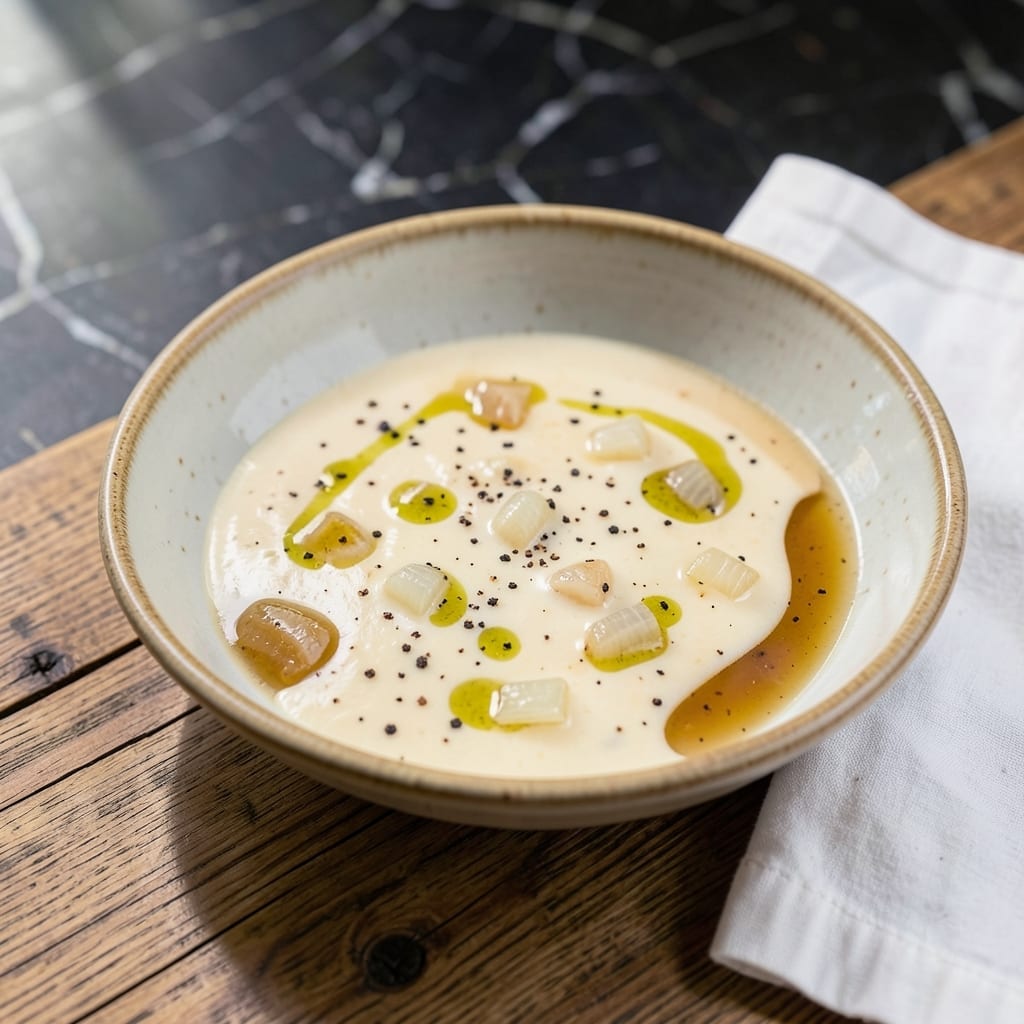
This chicken pot pie sauce transforms any dish with its rich, velvety texture and classic comfort flavor. No shortcuts—just a proven method for creating the perfect base.
The secret lies in a simple roux that thickens the sauce without lumps or separation. I use a blend of chicken broth and cream for depth, with herbs that enhance without overpowering.
What you get is a smooth, golden sauce that clings to every ingredient. It’s the foundation of great chicken pot pie, but works beautifully with vegetables, meats, or even as a standalone gravy.
Make a double batch and store it for quick, comforting meals all week.
Ingredients for Chicken Pot Pie Sauce
Ten simple ingredients for that rich, creamy sauce everyone craves in their pot pie.
| Ingredient | Amount | Notes |
|---|---|---|
| Unsalted Butter 🧈 | ½ cup | For making the roux |
| All-Purpose Flour 🌾 | ½ cup | Creates smooth thickening |
| Chicken Broth 🍲 | 2 ½ cups | Low-sodium preferred |
| Heavy Cream 🥛 | 1 cup | Full-fat for richness |
| Whole Milk 🥛 | ½ cup | Balances cream thickness |
| Yellow Onion 🧅 | ½ whole | Finely diced for base |
| Garlic Cloves 🧄 | 2 cloves | Minced for depth |
| Dried Thyme 🌿 | ½ tsp | Adds earthy warmth |
| Dried Rosemary 🌿 | ½ tsp | Crushed to release flavor |
| Salt 🧂 | 1 tsp | Kosher or sea salt |
| Black Pepper 🌶️ | ½ tsp | Freshly ground preferred |
The butter and flour are your foundation—use high-quality unsalted butter so you control the salt. I grab mine from Trader Joe’s or Whole Foods when it’s on sale. The broth matters too: low-sodium chicken broth lets you season to taste. Whole milk might seem old-school, but it tempers the cream’s richness without thinning the sauce too much.
No fresh herbs? Dried work fine at half the amount—just rub them between your fingers to wake up the flavor. Out of heavy cream? Half-and-half plus a little extra butter gets you close. If you’re avoiding dairy, coconut milk plus a cornstarch slurry is your best bet (though the flavor will be different). The onion and garlic are non-negotiable for that classic depth.
Sauce thickens as it cools, so don’t panic if it seems thin at first. Keeps 4-5 days in the fridge, freezes for 3 months. I like to freeze in ice cube trays—pop out a cube or two whenever you need a quick sauce boost.
Why You’ll Love This Recipe
- Stovetop Simple: I can make this sauce in one pan while the oven preheats—no fancy techniques, just melt, whisk, and simmer.
- Rich & Velvety: The butter and cream create this luxurious texture that clings to every bite of filling.
- Feeds the Freezer: I double the batch and freeze half for next time—saves me an hour on busy nights.
- Budget Stretcher: A handful of pantry staples turns affordable chicken into something that tastes like a restaurant meal.
Step-by-Step Instructions for Chicken Pot Pie Sauce
Here’s how I make this classic sauce—rich, velvety, and full of comfort in every bite.
Step 1: Sauté the Aromatics for Depth
Melt the 0.5 cup unsalted butter in a large saucepan over medium heat. Once it stops foaming, add the 0.5 whole yellow onion, finely diced, and cook for 5 minutes until it turns translucent and begins to soften.
Stir in the 2 cloves garlic cloves, minced, along with the 0.5 tsp dried thyme and 0.5 tsp dried rosemary. Cook for another 1-2 minutes until the garlic is fragrant but not browned. This builds the aromatic base that gives the sauce its cozy, savory character.
Step 2: Create a Smooth Roux
Sprinkle the 0.5 cup all-purpose flour over the butter and onion mixture. Stir constantly with a wooden spoon for 2 minutes to form a smooth roux. You want it to bubble gently and turn a pale golden color—this cooks out the raw flour taste and ensures a silky texture.
Keep the heat moderate; if it’s too high, the roux can brown too quickly and give the sauce a burnt flavor. The mixture should look like a thick paste and coat the back of your spoon.
Step 3: Gradually Add the Chicken Broth
Slowly pour in the 2.5 cups chicken broth, about ½ cup at a time, whisking continuously to prevent lumps from forming. This gradual addition is key to a smooth, lump-free sauce.
Bring the mixture to a simmer, stirring frequently. It will thicken as it heats—look for it to coat the back of a spoon with a velvety consistency. This usually takes 5-7 minutes of gentle simmering.
Step 4: Finish with Cream and Milk
Reduce the heat to low and stir in the 1 cup heavy cream and 0.5 cup whole milk. The cream adds richness while the milk balances it out, creating that perfect creamy texture pot pie sauce is known for.
Season with the 1 tsp salt and 0.5 tsp black pepper, then taste and adjust as needed. Let it simmer for another 3-4 minutes until the sauce is thick enough to nappe (coat the back of a spoon).
If it thickens too much, thin it with a splash of broth or milk. The sauce should be luscious but still pourable.
Pro Tips For Making Chicken Pot Pie Sauce
- Brown the Butter: Cook the butter until it turns golden and smells nutty—about 3-4 minutes over medium heat. This adds depth to your sauce that raw butter just can’t.
- Whisk Vigorously: When adding flour to the butter, whisk constantly for a full minute to cook out the raw taste and prevent lumps. I learned this the hard way after my first few sauces tasted like paste.
- Warm the Broth: Heat your chicken broth before adding it to the roux. Cold broth seizes up the mixture and makes it clumpy—sounds weird, but it works.
- Finish with Cream: Stir in the heavy cream off the heat to prevent curdling. It’s a small step, but it keeps your sauce silky smooth every time.
Essential Equipment for This Dish
Saucepan Selection
I always reach for my 3-quart stainless steel saucepan with a heavy bottom—All-Clad is my go-to brand. The heavy base prevents hot spots that can scorch your roux. A light-colored interior helps you monitor the color changes as you cook.
Whisk Matters
A balloon whisk is essential for breaking up lumps when adding broth. I use an 11-inch OXO whisk—it fits perfectly in my saucepan and gives me good control. The rounded shape helps reach into the corners where flour tends to cling.
Measuring Tools
Precision matters here. I keep a set of Pyrex glass measuring cups for liquids and stainless steel measuring spoons for dry ingredients. For the flour, I always spoon it into the cup and level it off—never scoop directly from the bag.
Wooden Spoon
For the roux stage, nothing beats a wooden spoon. I prefer a flat-edged spoon that lets me scrape the bottom effectively. Avoid metal on non-stick pans, but with stainless steel, wood gives you better control over the roux color.
Thermometer Option
While not mandatory, I love using my instant-read thermometer to check the sauce temperature. It should reach about 160-170°F when properly thickened. This takes the guesswork out of knowing when it’s ready.
Prep Bowls
Have all your ingredients measured and ready in small bowls before you start. I use Pyrex mixing bowls in different sizes—this is called mise en place and it prevents frantic measuring while your roux burns. 💡
Nutrition Facts
Frequently Asked Questions
Can I make this sauce ahead of time?
Yes! Prepare the sauce up to 2 days in advance. Store in an airtight container in the fridge, then reheat gently over low heat, stirring often. Add a splash of broth if it thickens too much.
What if my sauce is too thin?
Mix 1 tablespoon cornstarch with 1 tablespoon cold water, then whisk into the simmering sauce. Cook for 2-3 minutes until thickened. Avoid adding dry flour directly as it can create lumps.
Can I use a dairy-free alternative?
Substitute full-fat coconut milk for the cream and milk. The flavor will differ slightly, but it provides similar richness. For best results, use a cornstarch slurry to thicken.

- 6 Oz Chocolate Chip Cookie Recipe: Perfectly Balanced Crispy Edges and Chewy Hearts - September 25, 2026
- 6-Inch Coffee Cake Recipe: Vanilla Bean Swirls and Buttery Streusel Topping - September 25, 2026
- 1 Hour Soup Recipe: Velvety Richness Without the Wait - September 25, 2026