
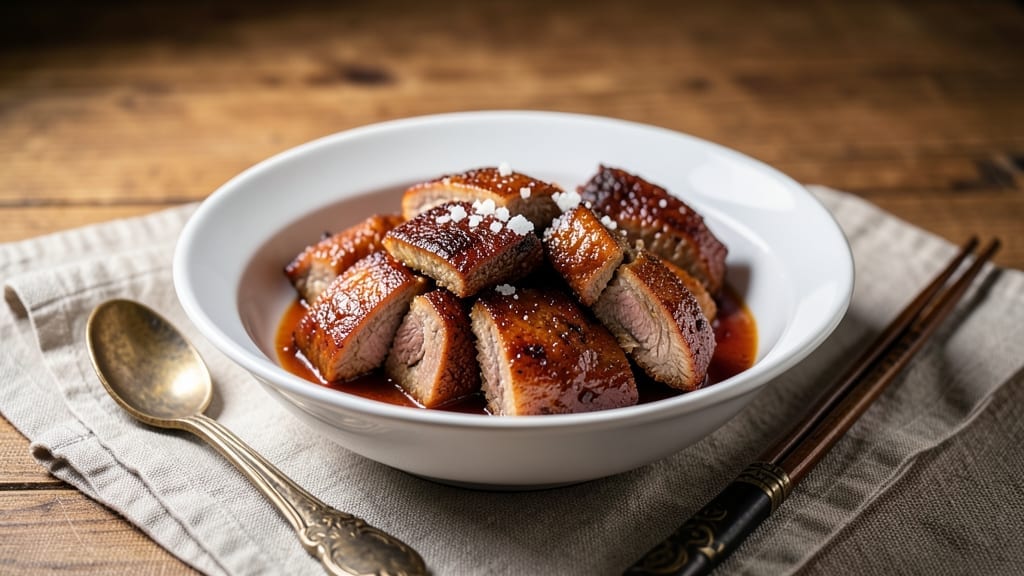
This Chinese beef brisket hot pot recipe transforms a simple pot of water into a fragrant, spice-infused broth that delivers restaurant-quality depth at home. The secret lies in slow-simmered spices and tender beef brisket that practically melts into the broth, creating a dish that’s both comforting and deeply flavorful.
I developed this version after years of experimenting with traditional hot pot techniques, ensuring every sip delivers rich umami and aromatic warmth.
The process begins with a spice-infused broth—garlic, ginger, star anise, and Sichuan peppercorns simmered until their flavors meld into a harmonious base. Meanwhile, the beef brisket cooks low and slow, becoming fork-tender while absorbing the broth’s essence.
This isn’t just a meal; it’s an experience where every ingredient—from crisp vegetables to silky tofu—transforms into a symphony of textures and tastes.
By the time you’re done, you’ll have a steaming pot of golden broth with perfectly cooked beef brisket that shreds easily, surrounded by vibrant vegetables and delicate tofu.
The aroma alone will draw everyone to the table, while the first bite delivers a perfect balance of spice, savory depth, and melt-in-your-mouth tenderness. This is hot pot as it should be—bold, flavorful, and impossible to resist.
Serve with traditional sides like bok choy, shiitake mushrooms, and thinly sliced cabbage for a complete hot pot experience. The broth can be made ahead, so you’re ready to cook fresh ingredients in minutes. Let’s bring the warmth of a Chinese hot pot night to your kitchen.
Ingredients for chinese beef brisket hot pot
This spice-infused broth transforms humble ingredients into a restaurant-worthy hot pot experience.
| Ingredient | Amount | Notes |
|---|---|---|
| Beef Brisket 🥩 | 2 lb | Flat-cut, trimmed of excess fat |
| Fresh Garlic 🧄 | 6 cloves | Peeled, smashed for aromatic release |
| Fresh Ginger 🌿 | ½ cup | Julienned, skin removed (organic preferred) |
| Star Anise Pods 🌶️ | 4 whole | Whole, lightly crushed |
| Sichuan Peppercorns 🌶️ | 1 tbsp | Toasted for numbing spice |
| Dried Shiitake Mushrooms 🍄 | 4 whole | Rehydrated, stems reserved |
| Bok Choy 🥬 | 2 whole | Baby variety, leaves separated |
| Napa Cabbage 🥬 | ½ lb | Thinly sliced, core removed |
| Silken Tofu 🧀 | 14 oz | Firm, cubed, unpressed |
| Dried Soybeans 🌾 | ½ cup | Soaked overnight, skins removed |
| Green Onions 🧅 | 4 whole | White and green parts separated |
| Sesame Oil 🫒 | 1 tbsp | Toasted, for finishing |
| Light Soy Sauce 🍶 | ½ cup | Kikkoman preferred |
| Shaoxing Wine 🍷 | ¼ cup | Dry, aromatic variety |
| Rock Sugar 🍬 | 2 tbsp | Or substitute brown sugar |
The beef brisket is the heart of this dish—look for well-marbled cuts at Whole Foods or your local butcher. If you can’t find brisket, chuck roast works in a pinch, though it’ll have less connective tissue for that melt-in-your-mouth texture. The star anise and Sichuan peppercorns are non-negotiable for authentic flavor; Penzeys Spices carries excellent quality, but any reputable Asian market will have them. Fresh ginger and garlic should be vibrant—no wrinkled or sprouting roots. For the mushrooms, dried shiitake is ideal, but if you must use fresh, soak them in the broth to concentrate their flavor.
No Sichuan peppercorns? Substitute with a pinch of cayenne plus black pepper for heat, though you’ll lose that signature numbing sensation. Shaoxing wine can be tricky to find—Trader Joe’s carries a decent version, or use dry sherry in a bind. The soybeans are optional but add incredible texture; if skipping, extra tofu keeps the dish satisfying. For the vegetables, baby bok choy is ideal, but regular bok choy works if sliced into bite-sized pieces. The cabbage should be thinly sliced—a mandoline makes this job effortless. Silken tofu holds its shape beautifully in the broth, but firm tofu pressed and cubed works too.
This broth develops deeper flavor the longer it simmers—plan for at least 3 hours of cooking time. Store leftovers in the fridge for up to 5 days, though the flavor peaks after 24 hours as the spices meld. For longer storage, freeze in airtight containers for up to 3 months. The tofu and vegetables cook quickly in the hot pot, so keep them separate until serving. I like to prep all ingredients ahead so the cooking process becomes a communal experience—everyone adds their own vegetables to the pot.
Why You’ll Love This Recipe
- One-Pot Magic: I swear by this—just the brisket, garlic, ginger, and those little star anise pods simmering together. No chopping mountains of veggies, no last-minute ingredient hunts. The brisket practically melts into the broth while you prep the rest of the meal (or binge a show).
- Deep Umami Bomb: That first bite? The Sichuan peppercorns give it a subtle, tingling warmth, while the star anise and garlic build layers of earthy richness. It’s the kind of flavor that makes you pause mid-bite—like a secret handshake from your taste buds.
- Leftover Goldmine: Between us, this recipe begs for leftovers. The broth gets even better the next day, and the brisket shreds so easily it turns into quick stir-fries or noodle toppings. I’ve fed my family for three meals from one pot—no waste, all satisfaction.
- Budget-Friendly Powerhouse: Brisket is affordable, and these spices stretch the flavor without breaking the bank. Honestly, I’ve made this for date nights, family dinners, and even lazy Sundays. It’s my go-to when I need something hearty but won’t drain my wallet.
Step-by-step instructions for Chinese beef brisket hot pot
Here’s how to transform tough brisket into melt-in-your-mouth hot pot centerpiece.
Prepare the Brisket and Aromatics
Begin by cutting the 2 lb beef brisket into 1-inch cubes—this ensures even cooking and tender results. Pat each piece dry with paper towels to remove excess moisture, which helps develop that signature hot pot crust.
In a separate bowl, combine the 6 cloves fresh garlic (peeled and smashed), 0.5 cup julienned fresh ginger, 4 whole star anise pods (lightly crushed), and 1 tbsp toasted sichuan peppercorns. This aromatic blend forms the flavor foundation of your broth. Toast the spices in a dry skillet over medium heat for 1 minute until fragrant—this unlocks their full potential.
Build the Spice-Infused Broth
In a large stockpot, combine the prepared brisket cubes with the toasted aromatics, 0.5 cup light soy sauce, 0.25 cup shaoxing wine, and 2 tbsp rock sugar. The sugar helps balance the savory flavors while adding subtle caramelization. Add 8 cups water (enough to cover the brisket by 1 inch) and bring to a rolling boil over high heat.
Once boiling, reduce heat to low and simmer uncovered for 2 hours, skimming off any foam that rises to the surface. This slow cook transforms tough brisket into fork-tender morsels while developing deep umami flavors. The broth should reduce slightly, becoming rich and aromatic—you’ll know it’s ready when the brisket pulls apart easily with chopsticks.
Rehydrate and Prepare Vegetables
While the brisket simmers, rehydrate the 4 whole dried shiitake mushrooms by soaking them in 2 cups hot water for 20 minutes. Drain, reserving the soaking liquid, and slice the mushrooms. The 0.5 cup dried soybeans should have been soaked overnight—drain and remove skins for a silky texture.
Prep the vegetables: Separate the 2 whole bok choy into leaves, thinly slice the 0.5 lb napa cabbage, and cube the 14 oz silken tofu. Keep the 4 whole green onions whole for garnish. The tofu and mushrooms will cook quickly in the hot pot, so prepare them last to maintain texture.
Assemble the Hot Pot
Return the brisket and broth to medium heat and add the reserved shiitake soaking liquid. Stir in the rehydrated mushrooms and soybeans, simmering for 10 minutes to infuse flavors. Taste the broth and adjust seasoning with additional light soy sauce or rock sugar if needed—it should be savory with a touch of sweetness.
Divide the broth and brisket among 4 individual hot pot bowls. Arrange the bok choy, napa cabbage, and tofu around the edges of each bowl. As guests cook their portions over individual burners (or in a shared pot), they can add fresh vegetables like green onions for brightness. The key is to cook vegetables just until tender—2-3 minutes for bok choy, 1 minute for tofu.
Finish with Sesame Oil
Just before serving, drizzle each bowl with 1 tbsp toasted sesame oil—this adds a nutty aroma and ties all the flavors together. The oil should float on top of the broth, releasing its fragrance when the hot pot is active. Serve with steamed rice on the side to soak up the rich, spice-infused broth.
This hot pot isn’t just about the brisket—it’s about the experience. The Sichuan peppercorns linger with a subtle numbing heat, while the star anise and ginger create layers of complexity. Each bite delivers tender meat, silky tofu, and crisp vegetables in perfect harmony.
Pro Tips For Making Chinese Beef Brisket Hot Pot
- Blister the Garlic: Smash those garlic cloves flat with the side of your knife before adding them—no need to mince. They’ll brown faster and infuse the broth with deeper flavor without turning bitter. I used to chop them, but this method cuts prep time by half and makes the aroma hit harder.
- Parboil the Brisket: Give the brisket a 10-minute head start in boiling water before searing—this shortens cooking time later and keeps it from drying out. Skip this, and you’ll end up with tough, stringy meat. (Yes, even if you’re impatient like me.)
- Toast the Spices Dry: Heat star anise and Sichuan peppercorns in a dry pan for 30 seconds until fragrant—this unlocks their oils and prevents a bitter, raw taste in the broth. I learned this the hard way after a batch tasted like medicine.
- Skim the Scum Early: The first 5 minutes of simmering? Skim off the foam that rises—it’s impurities, not flavor. Let it linger, and your broth will taste cloudy and off. (Your future self will thank you for this 2-minute chore.)
Serving suggestions for chinese beef brisket hot pot
Broth-Based Serving Style
Serve this hot pot in traditional individual clay pots or cast-iron hot pot bowls placed over electric burners or a stovetop burner. The key is to keep the broth simmering gently—around 180-190°F—so guests can cook their own ingredients fresh.
I use four 8-inch cast-iron bowls for a communal experience, with each guest adding their own vegetables to the broth. 🔥
Vegetable Plating Guide
Arrange vegetables in three distinct zones around each bowl: leafy greens (bok choy, spinach) on one side, heartier veggies (napa cabbage, mushrooms) in the center, and quick-cooking items (tofu, green onions) on the outer edge.
This keeps everything accessible while maintaining texture contrast. For extra presentation, scatter edible flowers or thinly sliced scallions on top before serving. 🌿
Dipping Sauce Pairings
Serve with three dipping sauces for customization: a light soy-vinegar mix (3 tbsp soy sauce + 1 tbsp rice vinegar + 1 tsp sugar), a spicy chili oil (2 tbsp chili oil + 1 tsp sesame paste), and a creamy peanut sauce (2 tbsp peanut butter + 1 tbsp hoisin + 1 tsp lime juice).
These sauces let guests adjust heat and richness to their taste. 🍶
Rice and Noodle Accompaniments
Offer steamed jasmine rice in small bowls on the side for soaking up the rich broth. For a heartier option, include chewy wheat noodles (udon or ramen) cooked separately and added to the pot for 1-2 minutes before eating.
I like to keep a small pot of boiling water nearby to quickly cook fresh noodles if needed. 🍜
Garnish Like a Pro
Finish each bowl with 1 tsp toasted sesame seeds and 2-3 thin slices of fresh ginger for aroma and freshness. A drizzle of high-quality sesame oil (Kadoya brand) right before serving elevates the dish to restaurant quality.
The sesame seeds add crunch, while the ginger cuts through the richness of the broth. ✨
Leftovers Strategy
Store leftover broth in airtight glass containers in the fridge for up to 5 days. Reheat gently on the stove, then use it as a base for quick noodle soups or stir-fries.
The brisket can be shredded and reheated with a splash of broth—it’s perfect for tacos, sandwiches, or fried rice. Freeze broth in ice cube trays for easy portioning later. ❄️
Nutrition facts
Frequently asked questions about Chinese beef brisket hot pot
Can I use a different cut of beef instead of brisket?
While brisket is ideal for its rich flavor and connective tissue, you can substitute with chuck roast or short ribs for similar tenderness. For leaner cuts like flank steak, marinate it first in soy sauce and Shaoxing wine for 30 minutes to prevent drying out. The cooking time may vary—chuck roast needs 2-2.5 hours while short ribs are done in 1.5 hours.
How do I make the broth spicier?
Add 1-2 tbsp chili bean paste or 1 tsp gochugaru (Korean chili flakes) to the broth during the final 30 minutes of simmering. For a smoky kick, include 1 dried red chili or ½ tsp smoked paprika. Remember—start with less and adjust to taste, as flavors intensify as the broth reduces.
Can I prepare the broth ahead of time?
Yes! The broth actually tastes better after 24 hours of refrigeration as the flavors meld. Store it in an airtight container and reheat gently before adding the brisket for 10-15 minutes to warm through. For longer storage, freeze in ice cube trays for easy portioning—thaw overnight in the fridge before use.
What if my brisket isn’t tender enough?
If the brisket feels tough after 2 hours, increase the simmer time to 3 hours or add 1 cup warm water and cook another 30 minutes. For extra tenderness, transfer the brisket to a slow cooker on low for 4 hours after the initial simmer. Never rush this step—patience is key for that melt-in-your-mouth texture.
What vegetables work best for hot pot?
Classic choices include bok choy, napa cabbage, shiitake mushrooms, and tofu, but feel free to experiment! Quick-cooking options like zucchini, green beans, or baby carrots work well, while heartier veggies like daikon radish need 5-7 minutes of simmering. Keep portions small—vegetables cook faster than the brisket.

- Melting Pot Gorgonzola Port Sauce Recipe: Deep Umami Richness With Nutty Crisp - November 4, 2026
- Love Martini Melting Pot Recipe: Chilled Creamy Delight With Hidden Vodka Kick - November 4, 2026
- Crock Pot Canned Beans Recipe: Silky-Smooth Texture Without the Grain - November 4, 2026