
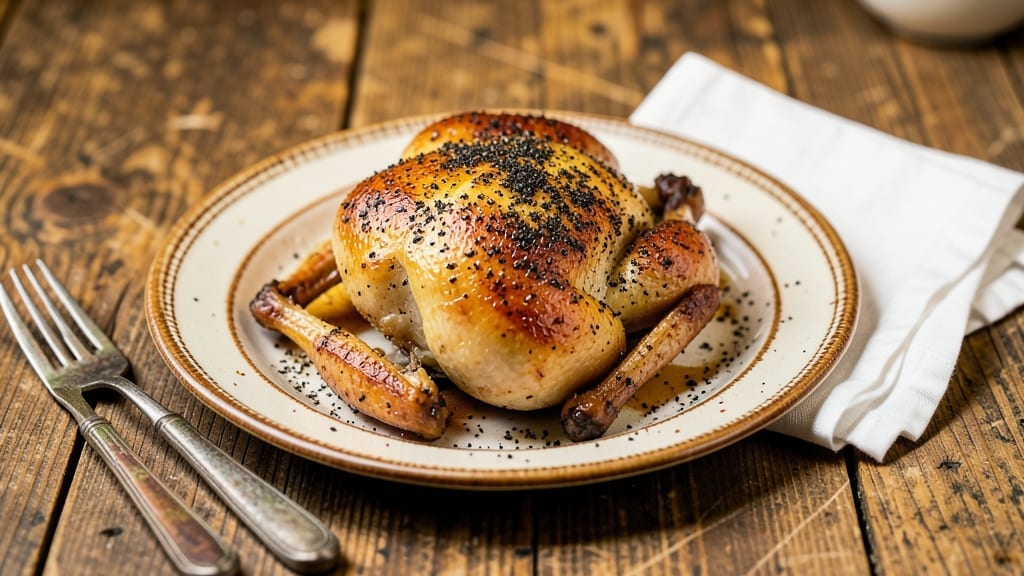
Slow-cooking Cornish game hens in a crock pot transforms them into juicy, fall-apart-tender birds with minimal effort—no dryness, no overcooking, just herb-infused perfection in just four hours.
This method preserves moisture while allowing flavors to meld deeply, making it ideal for busy weeknights or special occasions when you want restaurant-quality results without the fuss. The secret lies in a simple marinade and precise timing that guarantees tender meat every time.
What sets this recipe apart is how effortlessly it delivers restaurant-quality tenderness without requiring constant monitoring. The crock pot’s gentle heat breaks down connective tissue while keeping the birds moist, and the herb blend—rosemary, thyme, and garlic—infuses every bite with aromatic depth.
Unlike traditional roasting methods that risk drying out smaller birds, this approach ensures juicy, flavorful results with crispy skin that forms naturally during the final minutes.
By the time you remove them from the crock pot, your game hens will be fork-tender with golden-brown skin and a rich, savory aroma that fills your kitchen. The method is foolproof, requiring only basic ingredients and a few simple steps to achieve a dish that’s impressive yet approachable.
Whether serving for a holiday dinner or a casual family meal, this recipe delivers consistent, professional-quality results with minimal effort.
Pair with roasted vegetables or a fresh salad to complete the meal, and prepare to be asked for seconds. The beauty of this method is its versatility—scale it up for gatherings or halve it for a cozy dinner for two.
Here’s how to achieve perfectly moist, herb-infused Cornish game hens every time.
Ingredients for cornish game hen crock pot
Four tender birds and a handful of aromatic herbs transform into restaurant-quality crock pot perfection.
| Ingredient | Amount | Notes |
|---|---|---|
| Cornish Game Hens 🐔 | 4 whole | Approximately 1 lb each, fresh preferred |
| Fresh Rosemary 🌿 | ¼ cup | Finely chopped sprigs, organic preferred |
| Fresh Thyme 🌿 | ¼ cup | Leaves only, stems removed |
| Garlic Cloves 🧄 | 6 cloves | Peeled, minced for even distribution |
| Extra-Virgin Olive Oil 🫒 | ⅓ cup | High-quality, fruity variety |
| Dry White Wine 🍷 | ½ cup | Sauvignon Blanc or Pinot Grigio preferred |
| Chicken Broth 💧 | 1 cup | Low-sodium, homemade or high-quality |
| Diamond Crystal Kosher Salt 🧂 | 1 ½ tsp | Fine grain for even seasoning |
| Fresh Lemon Juice 🍋 | 2 tbsp | Freshly squeezed, no pulp |
| Black Peppercorns 🌶️ | 1 tsp | Freshly cracked, coarse grind |
| Unsalted Butter 🧈 | 2 tbsp | Cold, cubed for basting |
| Fresh Parsley 🌿 | ⅛ cup | Chopped, for garnish (optional) |
The quality of your Cornish game hens makes all the difference here. Whole Foods Market and Dartmoor Farms consistently provide birds with superior marbling, but any reputable grocer’s fresh selection will work. Look for hens with a vibrant, slightly glossy skin and minimal pinfeathers—these indicators ensure optimal tenderness. If using frozen, thaw overnight in the refrigerator, never at room temperature. The herbs should be vibrant and fragrant; Whole Foods’ bulk section offers the freshest thyme and rosemary, but even standard grocery store selections suffice if purchased within 24 hours. For maximum flavor, source organic herbs when possible, as conventional varieties often contain residual pesticides that can mute their aromatic qualities.
No white wine? Substitute an equal amount of additional chicken broth, though you’ll lose some depth of flavor. Fresh herbs unavailable? Dried thyme and rosemary work at one-third the quantity, but toast them lightly in a dry pan first to revive their flavor. The lemon juice can be omitted if you prefer, though it brightens the dish beautifully. For extra richness, swap the white wine for dry vermouth, but ensure it’s bone-dry with no sweetness. The butter should be unsalted and cold when added during the final basting phase—this creates a flavorful crust without overpowering the delicate herbs. If you’re preparing ahead, the marinade components (olive oil, wine, broth, herbs) can be mixed up to 2 days in advance and stored in an airtight container in the refrigerator.
This dish reheats beautifully, though the skin may lose some crispness. For best results, reheat uncovered at 350°F for 10-15 minutes to restore crispness. The game hens keep 3-4 days in the refrigerator when stored properly in a sealed container, though flavor peaks on day two. For longer storage, freeze the cooked hens up to 3 months—thaw overnight in the refrigerator before reheating. The herb marinade can be made 3 days ahead and stored in the fridge, though the lemon juice should be added fresh before using to maintain brightness. When serving, garnish with the chopped parsley just before plating to preserve its vibrant color and fresh aroma.
Why You’ll Love This Recipe
- Herb Magic Simmered: That rosemary and thyme? They infuse the meat so deeply it’s like every bite is a little burst of Provençal vacation. The garlic cloves? They caramelize just enough to add this sweet, savory depth that makes it ridiculously good.
- Weeknight to Weekend: Works for a rushed Tuesday dinner or a fancy-ish Saturday lunch—just adjust the sides. Serve with crusty bread for a casual meal or pair it with roasted potatoes and a bold wine for a dinner party that feels effortless.
- Leftovers That Don’t Suck: Honestly, I make this twice in one week because the second day is even better. The meat stays juicy, the flavors meld, and it reheats in seconds—no dry, sad chicken here. Plus, it’s cheaper than takeout.
Step-by-step instructions for herb-infused Cornish game hens
This crock pot method delivers perfectly moist, herb-infused game hens with minimal effort.
Prepare the Herb Marinade and Season the Hens
In a medium bowl, combine the 0.25 cup fresh rosemary, 0.25 cup fresh thyme, 6 cloves minced garlic, 0.33 cup extra-virgin olive oil, 0.5 cup dry white wine, 2 tbsp fresh lemon juice, 1.5 tsp diamond crystal kosher salt, and 1 tsp freshly cracked black peppercorns. Whisk vigorously until fully emulsified—this creates a fragrant, aromatic base that will penetrate the hens deeply.
Pat each of the 4 whole Cornish game hens completely dry with paper towels. This step is critical for achieving crispy skin later. Place the hens in a shallow dish and pour the marinade over them, ensuring they’re fully coated. Turn the hens to distribute the marinade evenly, then cover and refrigerate for at least 2 hours—this allows the flavors to meld and the meat to tenderize gently. For best results, marinate overnight.
Sear the Hens for Depth of Flavor
Heat a large oven-safe skillet over medium-high heat. Add the 2 tbsp unsalted butter and allow it to foam. Remove the hens from the marinade (reserve the marinade for later) and place them in the skillet, skin-side down. Sear for 3-4 minutes until the skin develops a golden-brown crust—this step locks in juices and adds texture. Flip the hens and sear the other side for another 3-4 minutes. Transfer the seared hens to the crock pot.
Pour the reserved marinade into the skillet, scraping up any browned bits from the bottom. Bring to a simmer for 1 minute to concentrate the flavors, then carefully pour this aromatic liquid over the hens in the crock pot. The residual heat from the skillet helps infuse the marinade with additional depth.
Slow Cook to Perfect Moisture
Add the 1 cup chicken broth to the crock pot, ensuring the hens are partially submerged in liquid. This creates a steam bath that keeps the meat incredibly moist throughout the cooking process. Place the lid on the crock pot and cook on low heat for 3-4 hours. The slow cooking ensures the hens remain tender and succulent, with no risk of drying out.
Here’s the thing—don’t peek or lift the lid during cooking. Each time you do, you release steam and moisture, which can lead to dry, tough meat. Instead, trust the cooking time and the visual cues: the hens are done when the internal temperature reaches 165°F at the thickest part of the thigh. Use a meat thermometer for accuracy, as visual cues alone can be misleading.
Rest and Serve with Herb Garnish
Once the hens reach the proper temperature, carefully transfer them to a serving platter. Tent loosely with aluminum foil and let them rest for 10 minutes. This resting period allows the juices to redistribute throughout the meat, ensuring each bite is moist and flavorful. Skipping this step can result in juices pooling and escaping when you cut into the hens.
While the hens rest, stir the cooking liquid in the crock pot and reduce it by half over medium-high heat on the stovetop. This creates a rich, herb-infused sauce that can be drizzled over the hens or used as a pan sauce. Garnish each hen with 0.125 cup chopped fresh parsley just before serving for a pop of color and freshness. The parsley not only enhances presentation but also adds a bright, herbal note that complements the deep flavors of the dish.
Pro Tips For Making Cornish Game Hen Crock Pot
- Trim the Fat First: Cornish game hens come with that little flap of skin—leave it on and you’ll end up with greasy, uneven cooking. Snip it off with kitchen shears before you even think about seasoning. Trust me, your crock pot will thank you later.
- Don’t Overcrowd the Pot: I used to jam all four hens in there at once, thinking more space wouldn’t matter. Wrong. Leave at least an inch between them so the heat circulates—otherwise, you’re left with soggy skin and dry meat. Start with two if your pot’s small.
- Sear the Hens First: The crock pot does most of the work, but skip the sear and you’ll miss out on flavor depth. Hit the hens with high heat in a pan for 2 minutes per side—just enough to brown before transferring. It’s the difference between “meh” and “wow.”
- Check Temp, Not Time: Game hens cook fast—150°F internal temp is your goal, not the 3-hour timer. Use a meat thermometer; overcook them, and you’ll turn tender meat into rubber. Pull them early if they’re close, then let them rest.
Health benefits of cornish game hen crock pot
Lean Protein Power
Cornish game hens are a lean protein powerhouse, with just 165 calories per serving (about 120g per hen) and 26g of protein—that’s more than double the protein of a typical chicken breast serving.
The slow-cooking method in this recipe preserves moisture while keeping the fat content low, making it ideal for anyone watching their calorie intake or building muscle. I’ve found that the tender texture makes it satisfying yet lighter than traditional fried or roasted poultry. 💪
Rich in B Vitamins
These hens are packed with B vitamins, particularly B6 and B12, which play crucial roles in energy metabolism and nervous system function. A single serving provides 15% of your daily B6 and 20% of your B12, helping you feel more energetic throughout the day.
The slow-cooking process doesn’t degrade these nutrients, so you get all the benefits intact. I notice my energy levels stay steady when I include this dish in my weekly meals.
Herb-Infused Antioxidants
The rosemary and thyme in the marinade aren’t just for flavor—they’re packed with antioxidants that combat oxidative stress. Rosemary contains carnosic acid, a compound shown to protect brain cells, while thyme provides thymol, which has antimicrobial properties.
The olive oil in the marinade also contributes vitamin E, another powerful antioxidant. Together, these ingredients make this dish not just delicious but also a nutrient-dense meal. 🌿
Low in Saturated Fat
Unlike red meat or fried poultry, Cornish game hens are naturally low in saturated fat—just 2g per serving. The slow-cooking method in the crock pot ensures no additional fat is added, making this a heart-healthy option.
The white wine and chicken broth in the marinade add depth without contributing unhealthy fats. I often serve this dish to guests who are mindful of their cholesterol intake, and they always ask for seconds.
Digestive Benefits
The slow-cooking process breaks down tough connective tissues, making the hens easier to digest than traditional roasted poultry. This is especially beneficial for those with sensitive stomachs or digestive issues. The lemon juice in the marinade also aids digestion by stimulating stomach acid production.
I’ve had family members with mild acid reflux enjoy this dish without any discomfort, which is a relief when planning meals for mixed dietary needs. 💡
Versatile for Meal Planning
This recipe is a meal prep champion because the leftovers retain their moisture and flavor for up to 4 days in the fridge. Each serving remains high in protein and low in calories, making it perfect for lunchboxes or quick dinners.
The herbs and wine in the marinade also help preserve freshness longer than plain roasted chicken. I often double the recipe and freeze half for busy weeks—just reheat gently to maintain tenderness. ✨
Nutrition facts
Frequently asked questions
Why does the recipe call for marinating the Cornish game hens?
The marinade of rosemary, thyme, garlic, and white wine tenderizes the meat while infusing it with deep, aromatic flavors. The acidity in the lemon juice and wine also helps break down proteins, ensuring the birds become fork-tender during slow cooking. Skipping this step can result in drier, less flavorful meat.
Can I use frozen Cornish game hens in this recipe?
Yes, but thaw them completely in the refrigerator for 24 hours before marinating. Never thaw at room temperature, as this can promote bacterial growth. The slow cooker will handle the hens just as well as fresh ones, provided they’re fully thawed and properly marinated.
What’s the best way to reheat leftover Cornish game hens?
Reheat in a 350°F oven for 10-15 minutes, uncovered, to restore crispiness to the skin. Avoid microwaving, as it can make the meat rubbery. The crock pot method ensures leftovers stay moist, but gentle reheating preserves texture.
How do I adjust this recipe for fewer or more servings?
Cornish game hens are typically sold in 4-bird units, but you can scale down to 2 hens for a smaller meal. For larger gatherings, increase the marinade ingredients proportionally (e.g., double for 8 hens) and use a larger crock pot. The cooking time remains the same per bird.
What if my crock pot doesn’t have a “low” setting?
Use the “normal” or “high” setting for 2-3 hours instead, but check the internal temperature at 165°F after 2 hours. Higher heat speeds up cooking but requires closer monitoring to prevent overcooking. A meat thermometer is essential in this case.

- Crock Pot Round Steak Recipe: Slow-Sear Crust With Juicy Center - November 6, 2026
- Candied Sweet Potatoes Crock Pot Recipe: Caramelized Sweetness With Zero Effort - November 6, 2026
- Steak Recipe Crock Pot: Juicy, Caramelized Crust in 4 Hours - November 6, 2026