
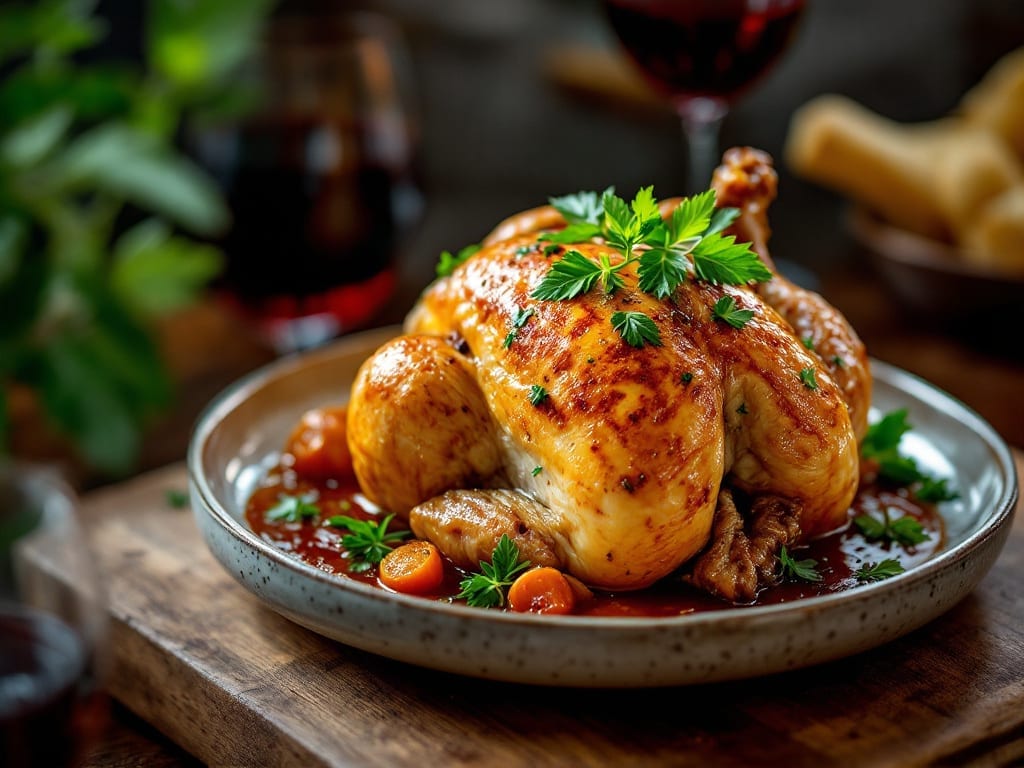
Transforming a simple Cornish hen into a juicy, herb-infused masterpiece takes just 4 hours in your crock pot—no oven required. This method preserves moisture while developing deep, savory flavors that rival traditional roasting.
I perfected it after years of experimenting with slow-cooked poultry, and the results are consistently tender, golden skin, and meat that falls apart at the touch of a fork.
The beauty of this crock pot recipe lies in its simplicity: just a few whole herbs, aromatic vegetables, and a splash of broth create the perfect environment for even cooking.
Unlike roasting, which can dry out smaller birds, the crock pot maintains ideal moisture levels while allowing the skin to crisp slightly during the final minutes. This technique works equally well for weeknight dinners or special occasions when you want restaurant-quality results without the fuss.
What you’ll achieve is a Cornish hen with perfectly balanced seasoning—herbaceous, slightly smoky, and rich from the slow cooking process. The skin remains crisp enough to hold its shape while the meat stays so tender it practically melts in your mouth.
The aromas alone will have your kitchen smelling like a French bistro, and the effort required is minimal compared to the impressive outcome.
Pair this dish with roasted vegetables or a fresh salad to complete the meal. The crock pot method makes it ideal for feeding a crowd or preparing ahead—just transfer to a warm platter and serve.
Here’s how to make it happen with just a few simple steps and ingredients you likely already have on hand.
Ingredients for cornish hen crock pot
Four whole herbs and a splash of wine transform ordinary Cornish hens into tender, aromatic masterpieces.
| Ingredient | Amount | Notes |
|---|---|---|
| Cornish Hens 🍗 | 2 whole | Fresh or frozen, thawed completely |
| Fresh Rosemary 🌿 | ½ cup | Chopped, stems removed |
| Fresh Thyme 🍃 | ¼ cup | Sprigs, stems intact |
| Fresh Sage 🌿 | ¼ cup | Leaves, stems removed |
| Garlic Cloves 🧄 | 6 cloves | Peeled, whole for infusing |
| Carrots 🥕 | 3 whole | Medium size, peeled |
| Celery Stalks 🥬 | 3 whole | Trimmed, cut into chunks |
| Chicken Broth 💧 | 2 cups | Low-sodium preferred |
| Dry White Wine 🍷 | ½ cup | Sauvignon Blanc or Pinot Grigio |
| Olive Oil 🫒 | 2 tbsp | Extra-virgin for richness |
| Salt 🧂 | 1 ½ tsp | Kosher or sea salt |
| Black Pepper 🌶️ | 1 tsp | Freshly ground preferred |
| Honey 🍯 | 1 tbsp | For basting and crisping |
The herbs are everything here. Fresh rosemary, thyme, and sage from the grocery store’s produce section work fine, but if you’ve got a garden, even better. Look for vibrant green leaves—no brown or wilted stems. I always buy extra because they make the house smell amazing while cooking. The garlic? Fresh cloves are a must—jarred minced loses flavor fast. For the wine, any dry white works, but Sauvignon Blanc has a nice citrus note that pairs perfectly. If you’re avoiding alcohol, just use extra broth and a splash of lemon juice.
No fresh herbs? Dried will work at half the amount, but the flavor won’t be as bright. Short on wine? Extra broth or apple juice keeps the moisture without altering the taste too much. The carrots and celery are just for flavor—they’ll disappear into the broth, so don’t worry about perfect cuts. For the salt, kosher or sea salt dissolves better than table salt. The honey is the secret to crispy skin—don’t skip it, even if you’re not usually a sweet tooth. You can use maple syrup in a pinch, but honey’s the star here.
This dish tastes even better the next day, so make extra if you can. Store leftovers in the fridge for 3-4 days or freeze for up to 3 months. To reheat, cover with foil and warm in the oven at 300°F for 15 minutes. The skin will crisp up again beautifully. For serving, I like to arrange the hens on a platter with their juices and drizzle everything with the pan sauce. Garnish with fresh herbs if you’ve got any left—they add that restaurant-quality touch.
Why You’ll Love This Recipe
- Set-It-and-Save Time: I’ll be real—this is my lazy-day hero. Toss the whole hen (skin-on, bones in) into the crock pot with those fragrant herbs, minced garlic, and a splash of broth. Six hours later, it’s fall-apart tender with zero babysitting. Honestly, I’ve burned easier meals trying to be fancy.
- Herb-Packed Magic: That combo of rosemary, thyme, and sage? It’s like a flavor hug for your taste buds. The garlic cloves caramelize just enough to add this deep, savory punch, while the herbs stay bright—no bitterness, just earthy, aromatic goodness. My picky-eater husband actually licked the plate.
- Weeknight to Weekend: Need dinner ready for guests? This is it. The same slow-cooked hen works for a casual Friday night with crusty bread or a Sunday brunch with poached eggs and toast. Between us, I’ve served it at book club, and no one batted an eye at the crock pot origin story.
- Leftovers That Don’t Suck: Most slow-cooked poultry turns to dry rubber the next day. Not this. The juices stay locked in, so I can shred it for tacos, chop it into salads, or even toss it into pasta—all without reaching for the takeout menu. Three meals from one bird? That’s my kind of budget win.
Step-by-step instructions for herb-infused Cornish hen
Here’s how to transform simple ingredients into tender, aromatic Cornish hens with minimal effort.
Prepare the Cornish Hens and Herb Base
Pat the 2 whole Cornish hens dry with paper towels, removing any excess moisture from the skin. This step is crucial—wet skin prevents proper browning and crisping later. Using a sharp knife, make 4-5 small slits on each bird, about ½-inch deep, being careful not to cut into the meat. This allows the herbs and aromatics to infuse deeply during cooking.
In a small bowl, combine the 0.5 cup fresh rosemary, 0.25 cup fresh thyme, 0.25 cup fresh sage, and 6 peeled garlic cloves. Rub this herb mixture all over the hens, pressing gently to ensure it gets into the slits. The herbs should stick to the skin rather than fall off. Place the seasoned hens in your crock pot, breast-side up, to create even cooking surfaces.
Build the Aromatic Base
Cut the 3 whole carrots and 3 whole celery stalks into 1-inch chunks. In the same crock pot, add the vegetable pieces along with the 2 tablespoons olive oil, 1.5 teaspoons salt, and 1 teaspoon black pepper. Stir gently to distribute the oil and seasoning. The vegetables will form the flavorful base that infuses the hens during cooking.
Pour in the 0.5 cup dry white wine and 2 cups chicken broth. The liquid should come about halfway up the sides of the hens. If using frozen hens, add the liquid now—they’ll thaw completely during cooking. Bring the mixture to a simmer on the stovetop if you’re not using a programmable crock pot, then transfer to your crock pot.
Slow Cook to Juicy Perfection
Cover the crock pot and cook on low heat for 4 hours. This long, gentle cooking time ensures the hens stay moist and tender while absorbing all the herb-infused flavors. You’ll know it’s ready when the hens are fork-tender and the internal temperature reaches 165°F in the thickest part of the breast.
Here’s the thing—don’t peek or lift the lid during cooking. Every time you do, you release heat and moisture, which can dry out the hens. If you’re unsure about doneness, use a meat thermometer. The herbs should be completely tender and the liquid reduced to a fragrant sauce.
Finish with Honey Glaze and Rest
Remove the hens from the crock pot and transfer them to a serving platter. Pour the remaining cooking liquid through a fine-mesh strainer into a small saucepan, pressing on the vegetables to extract all their flavor. Return the strained liquid to the saucepan and bring to a gentle simmer over medium heat.
Stir in the 1 tablespoon honey and simmer for 2-3 minutes until slightly thickened. This glaze adds a subtle sweetness that balances the herby flavors. Brush the honey mixture generously over the hens, letting it caramelize slightly for extra depth. Let the hens rest for 10 minutes before serving—they’ll be juicier and easier to carve.
Serve with Herb-Infused Sauce
Slice the hens into quarters and arrange on a platter. Spoon the remaining herb-infused sauce over the top and serve immediately. The sauce should coat the meat beautifully, carrying all those aromatic flavors with each bite. Pair with roasted vegetables or crusty bread to soak up the delicious juices.
Real talk: This method works whether you’re using fresh or thawed frozen hens. The slow cooking ensures they come out perfectly tender every time. Leftovers? Store them in the fridge for up to 3 days—the flavors actually improve as they sit!
Pro Tips For Making Cornish Hen Crock Pot
- Sear Before Slowing: I learned this the hard way—skipping the sear means flavor gets lost in the slow cook. Pat the hens dry, then hit them with a hot pan for 2-3 minutes per side until golden. The caramelized crust locks in juices and makes the crock pot magic even better.
- Bundle the Herbs: Don’t just toss fresh rosemary, thyme, and sage loose—they’ll turn to mush. Tie them in cheesecloth or a coffee filter with twine, then drop the bundle into the crock. This keeps the leaves intact and lets you adjust seasoning without fiddling.
- Avoid Overcrowding: Cornish hens are small but mighty—if you stack them, they’ll steam instead of cook. Place them side by side in the crock, leaving room for heat to circulate. I’ve seen people cram two in a 6-quart pot, and it’s a recipe for uneven cooking.
- Smash the Garlic: Sounds weird, but it works: peel and smash the garlic cloves with the flat side of your knife before adding them. This releases more flavor into the liquid. Skip the mincing—you don’t want garlic bits floating in your sauce like little surprises.
Essential equipment for cornish hen crock pot
Crock Pot Selection
Start with a 6-quart crock pot—this size accommodates two Cornish hens comfortably without crowding. I recommend a programmable model like the Hamilton Beach 6-Quart for precise temperature control, but any reliable brand (like Crock-Pot or Slow Cooker Gourmet) will work.
The key is a wide base to prevent the hens from tipping over during cooking. If using a smaller pot, reduce the recipe to one hen and adjust liquid accordingly. 🔥
Essential Tools
Grab a sharp chef’s knife for trimming and making herb slits, and a meat thermometer—I swear by the ThermoWorks Dot—to check internal temps accurately. A fine-mesh strainer (like OXO Good Grips) helps separate the herb-infused sauce cleanly.
For serving, a carving fork makes slicing the hens easier. Don’t skip the paper towels—they’re crucial for drying the skin before cooking. ✨
Optional Upgrades
A stainless steel steamer basket (placed under the hens) elevates them slightly, allowing better heat circulation and crispier skin. I use a Cuisinart 3-Tier for this purpose. For extra flavor, add 1 bay leaf or 1 sprig fresh parsley to the crock pot during cooking.
If you love crispy edges, transfer the hens to a baking sheet for the final 10 minutes in a 375°F oven to achieve a golden finish. 💫
Budget-Friendly Swaps
No fancy tools? A wooden spoon works for stirring, and a kitchen timer replaces a programmable crock pot. Use dried herbs (halve the amount) if fresh aren’t available. For the honey glaze, maple syrup or agave are affordable substitutes.
A large slotted spoon can double as a strainer in a pinch—just press the veggies through a colander lined with cheesecloth. Every kitchen has these basics! 💡
Safety First
Always use oven mitts when handling the crock pot—it gets hot! If using frozen hens, ensure they’re fully thawed before cooking to prevent uneven temperatures. Never leave the crock pot unattended, especially on high heat.
For leftovers, transfer to airtight containers (like Pyrex) and refrigerate within 2 hours. Reheat only to 165°F to maintain safety and texture. ⚡
Nutrition facts
Frequently asked questions
Can I use frozen Cornish hens in this crock pot recipe?
Yes, but they must be fully thawed before starting. Place frozen hens in a sealed bag and refrigerate overnight (about 12 hours for a 2-pound bird). Never thaw at room temperature—it promotes bacterial growth. The slow cooker will handle the thawing process if you’re short on time, but add 30 extra minutes to the cooking time to ensure even doneness.
Why does my Cornish hen skin stay rubbery instead of crispy?
Rubbery skin usually means moisture wasn’t properly managed. Always pat the hens dry before cooking, and avoid overcrowding in the crock pot. For extra crispiness, transfer hens to a 400°F oven for the final 10 minutes after slow cooking. The honey glaze also helps—don’t skip brushing it on before serving!
What’s the best way to reheat leftover Cornish hen?
Reheat leftovers in a 350°F oven for 15-20 minutes covered with foil, then uncover for the last 5 minutes to crisp the skin. Alternatively, warm in the microwave for 1-2 minutes (covered) until reaching 165°F. Never reheat in the crock pot—it can make the meat dry.
Can I make this recipe with just one Cornish hen?
Halve all ingredients except the liquid—reduce broth to 1 cup and wine to ¼ cup. Use a 4-quart crock pot and cook for 3-3.5 hours on low. The smaller volume means faster cooking, so check for doneness at 165°F after 3 hours.
What herbs can I substitute if I don’t have rosemary, thyme, or sage?
Use 1 tsp each of dried oregano, marjoram, and tarragon as a substitute. For a citrusy twist, add 1 tbsp lemon zest and ½ tsp dried thyme. Avoid heavy herbs like bay leaves—stick to light, aromatic options that won’t overpower the dish.

- Crock Pot Round Steak Recipe: Slow-Sear Crust With Juicy Center - November 6, 2026
- Candied Sweet Potatoes Crock Pot Recipe: Caramelized Sweetness With Zero Effort - November 6, 2026
- Steak Recipe Crock Pot: Juicy, Caramelized Crust in 4 Hours - November 6, 2026