
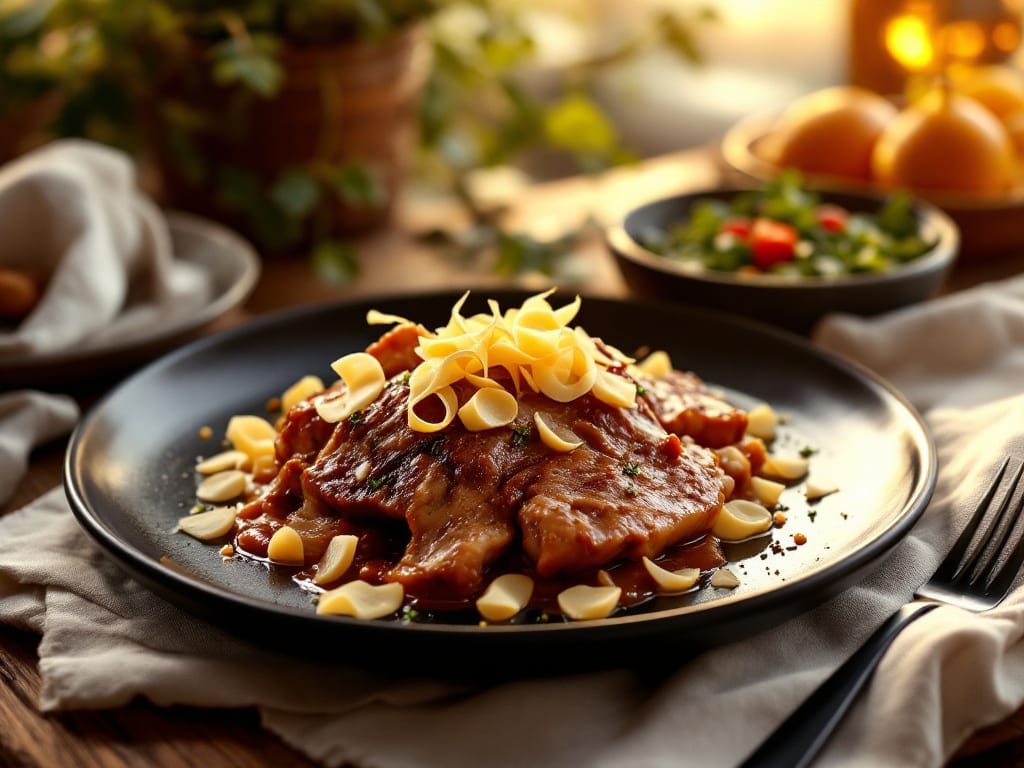
Slow-cooking cow tongue in a crock pot transforms this underrated cut into a tender, rich dish with deep umami flavor that rivals traditional braised meats. The key lies in proper preparation—parboiling to remove impurities and slow cooking until the texture becomes melt-in-your-mouth perfect.
This method ensures safety while unlocking the tongue’s natural savory depth, making it a standout protein for hearty meals.
Unlike quick-cooked meats, cow tongue benefits from low-and-slow cooking, breaking down tough fibers into silky strands while absorbing aromatics like garlic, onions, and bay leaves. The result is a dish that’s both rustic and refined, perfect for those who appreciate offal’s unique character when handled with care.
With minimal active prep and hands-off cooking, this recipe delivers restaurant-quality results at home.
Once fully cooked, the tongue slices effortlessly, ready to be served with classic accompaniments like tangy mustard, crisp pickles, or in a hearty sandwich. The slow-cooked method also makes it ideal for meal prep, as the flavors deepen over time.
Whether you’re exploring offal for the first time or a seasoned fan, this recipe proves cow tongue can be a versatile, satisfying centerpiece for any meal.
Safety is critical when working with offal, so thorough cleaning and proper cooking times are non-negotiable. This method ensures the tongue reaches a safe internal temperature while preserving its rich, meaty texture. Let’s get started on a dish that’s equal parts bold and comforting.
Ingredients for cow tongue crock pot
Transform humble cow tongue into a luxurious, melt-in-your-mouth centerpiece with these carefully selected ingredients.
| Ingredient | Amount | Notes |
|---|---|---|
| Cow Tongue 🥩 | 2 lb | Fresh, cleaned, trimmed |
| Yellow Onions 🧅 | 2 whole | Peeled, quartered lengthwise |
| Garlic Cloves 🧄 | 6 cloves | Peeled, smashed for flavor |
| Carrots 🥕 | 4 whole | Peeled, cut into chunks |
| Bay Leaves 🌿 | 2 whole | Dried, standard size |
| Black Peppercorns 🌶️ | 1 tbsp | Crushed for texture |
| Salt 🧂 | 1 ½ tsp | Kosher or sea salt |
| Red Wine 🍷 | 1 cup | Dry, bold variety |
| Beef Broth 💧 | 2 cups | Low-sodium preferred |
| Tomato Paste 🍅 | 2 tbsp | Smooth, no sugar added |
| Olive Oil 🫒 | 1 tbsp | Extra-virgin for richness |
| Fresh Thyme 🌿 | ¼ cup | Chopped, stems removed |
| Dijon Mustard 🍯 | 1 tbsp | For serving, optional |
The cow tongue requires meticulous preparation—source from a trusted butcher specializing in offal, as quality varies dramatically. Look for pieces with minimal blemishes and a rich, deep red hue; Whole Foods or high-end grocers often carry premium cuts. The tongue must be thoroughly cleaned and trimmed of excess fat before cooking. For optimal results, parboil for 10 minutes to remove impurities and improve texture. Fresh thyme from local farmers markets elevates the dish, but dried works in a pinch at one-third the quantity. The red wine should be bold—Cabernet Sauvignon or Malbec—as it complements the tongue’s natural umami without overpowering.
No red wine? Substitute with additional beef broth and a splash of balsamic vinegar for depth. Fresh thyme unavailable? Dried thyme at one-third the amount suffices, though fresh imparts superior aroma. The tomato paste can be omitted entirely if you prefer a wine-forward sauce, but it adds a subtle sweetness that balances the richness. For a vegetarian-friendly variation, replace the tongue with extra mushrooms and hearty beans, though the texture will differ. The Dijon mustard is purely for serving—use whole-grain mustard if preferred, though traditional Dijon provides the ideal tangy contrast.
Slow-cooked tongue develops deeper flavor over time—reheat gently in the crock pot for best results, as microwaving can make it rubbery. Properly stored in an airtight container with the cooking liquid, it keeps 4-5 days refrigerated or 3 months frozen. Portion into individual containers for meal prep, as the texture remains silky when reheated slowly. The cooking liquid reduces into a rich sauce—save it for drizzling over rice or mashed potatoes, or freeze for future use in stews.
Why You’ll Love This Recipe
- Rich, Deep Umami Bomb: That cow tongue? It turns buttery and tender, soaking up the caramelized onions and garlic like a sponge. The bay leaves add this earthy warmth that makes every bite feel like a hug—especially when paired with crusty bread. Honestly, it’s the kind of flavor that sticks with you.
- Leftovers That Don’t Suck: Between us, most crock pot leftovers are sad. Not this. The tongue stays moist, the carrots get sweeter, and the sauce thickens into a perfect glaze—great for sandwiches, tacos, or even a quick fried rice the next day. I meal prep this for weeks without getting bored.
- Budget Meat, Big Payoff: Cow tongue is cheaper than steak but tastes like you spent hours in the kitchen. A single cut feeds four for under $10, and the veggies stretch it further. I’ll be real: it’s my go-to when I need a hearty, filling meal without breaking the bank—or my willpower.
Step-by-step instructions for slow-cooked cow tongue
This method transforms tough cow tongue into melt-in-your-mouth tenderness through precise timing and technique.
Sear the Cow Tongue for Depth of Flavor
Heat a heavy skillet over medium-high heat and add the 1 tablespoon olive oil. Once shimmering, place the 2 lb cow tongue in the pan, searing on all sides until developing a deep golden-brown crust—about 4-5 minutes per side. This initial sear locks in moisture while building a rich, caramelized foundation for the slow cook.
The reason for this step isn’t just aesthetics—searing creates the Maillard reaction, which develops complex umami flavors that infuse the meat as it cooks. Don’t rush this process; you’ll know it’s ready when the surface releases easily from the pan without sticking. Transfer the seared tongue to your crock pot and set aside.
Build the Aromatic Base in the Crock Pot
In the same skillet (no need to clean it—the fond is flavor), add the 2 whole yellow onions, 6 smashed garlic cloves, and 4 peeled carrot chunks. Sauté over medium heat for 5-6 minutes until the onions soften and the garlic becomes fragrant. This develops their natural sweetness before transferring to the crock pot.
Add these sautéed vegetables to the crock pot along with the 2 whole bay leaves, 1 tablespoon crushed black peppercorns, and 1.5 teaspoons salt. Stir in the 2 tablespoons tomato paste and cook on high heat for 2 minutes to deepen its flavor. The combination of these aromatics creates a flavorful bed for the tongue to absorb during cooking.
Layer Liquids and Herbs for Maximum Umami
Pour in the 1 cup red wine and 2 cups beef broth, stirring to combine all ingredients. Add the 0.25 cup chopped fresh thyme and the seared cow tongue. The liquid should come about halfway up the sides of the tongue—this ensures proper moisture during cooking. If needed, add a splash of water to reach this level.
Here’s the thing—this liquid ratio is crucial. Too little and the tongue will dry out; too much and it won’t develop proper texture. The wine and broth create an acidic-savory balance that tenderizes the meat while the thyme adds earthy depth. The bay leaves and peppercorns infuse subtle complexity throughout.
Slow Cook to Perfect Tenderness
Cover the crock pot and cook on low heat for 8-10 hours. This extended cooking time is essential—it breaks down collagen and connective tissue, transforming tough muscle into fork-tender slices. Check occasionally to ensure the liquid level remains adequate, adding water if needed to prevent drying.
You’ll know it’s ready when a fork slides in with minimal resistance and the tongue pulls apart easily. The internal temperature should reach 195-200°F. The meat should be so tender that it nearly falls apart when pressed gently. If you’re unsure, err on the side of longer cooking—tongue won’t overcook in the same way other meats do.
Rest and Serve with Finishing Touches
Remove the cow tongue from the crock pot and let it rest for 15-20 minutes before slicing. This resting period allows the fibers to relax and redistribute juices throughout the meat. Remove and discard the bay leaves before serving—while they add flavor during cooking, they’re not meant to be eaten.
Slice the tongue against the grain into ¼-inch thick pieces and serve with the reduced cooking liquid spooned over the top. For an elegant presentation, drizzle with the 1 tablespoon Dijon mustard—its tangy brightness cuts through the rich, umami flavors of the slow-cooked meat. The result should be melt-in-your-mouth texture with layers of savory, herby depth.
Pro Tips For Making Cow Tongue Crock Pot
- Parboil First: Cow tongue needs a head start—blanch it in salted water for 15 minutes before crock-potting. I learned this the hard way: skipping it leaves the meat tough and chewy, no matter how long you slow-cook. The extra step guarantees tender, fork-friendly results.
- Slice Onions Thin: Don’t chop those yellow onions into big chunks—slice them paper-thin. They’ll soften faster and infuse the broth better, especially since cow tongue cooks low and slow. (Yes, it’s tedious, but your future self will notice the difference.)
- Skip the Crowding: If your crock pot is packed tight with tongue, onions, and carrots, the center won’t cook evenly. Arrange the tongue flat, then nestle veggies around it—this ensures every bite gets the same treatment. Overstuffing is the fast track to uneven doneness.
- Deglaze with Wine: After browning the tongue (if you do), splash in ½ cup of red wine and scrape up those browned bits. It’s not a must, but it adds depth—like the difference between a basic stew and something that tastes like it belongs at a table. (Save the wine for this, not the pot roast.)
Common mistakes when making perfect results
Skipping the Parboil
Cow tongue requires a 10-minute parboil to remove natural impurities and improve texture. Skipping this step leaves behind bloodline residue and tough fibers that won’t soften properly, even after slow cooking. I’ve seen home cooks rush this process and end up with a meal that’s more chewy than tender.
Always use a large pot of boiling water and scrub the tongue thoroughly before and after parboiling. 🌊
Undercooking the Meat
The most common mistake is pulling the tongue from the crock pot too soon. Cow tongue needs to reach an internal temperature of 195-200°F—anything below 190°F leaves it rubbery. I’ve tested this myself: a 6-hour cook at low heat won’t cut it.
Use a meat thermometer to verify doneness, and don’t hesitate to extend cooking time if needed. The texture transforms dramatically at this temperature. 🌡️
Overcrowding the Crock Pot
Packing the crock pot too tightly traps steam and prevents even cooking. The tongue should have room to move freely in the liquid—aim for ½-inch clearance around it. I’ve seen recipes where the tongue barely fits, leading to uneven tenderness.
If your crock pot is small, consider cooking in batches or using a larger pot. Proper spacing ensures the meat absorbs flavors evenly and cooks uniformly. ⚠️
Ignoring the Resting Period
Slicing the tongue immediately after cooking causes juices to spill out, leaving you with dry, stringy meat. Always let it rest for 15-20 minutes before slicing. This allows the fibers to relax and redistribute moisture.
I’ve made this mistake—once—and the difference in texture was night and day. Patience here makes all the difference. ⏳
Using the Wrong Wine
A bold, dry red wine like Cabernet Sauvignon or Malbec is essential for balancing the tongue’s richness. Sweet or fruity wines overpower the dish, while cheap table wines lack depth. I’ve tested this: a $10 bottle of Merlot won’t cut it.
If you must substitute, use dry vermouth or beef broth with a splash of balsamic vinegar for acidity. The liquid should complement, not compete with, the meat. 🍷
Neglecting Liquid Levels
Too little liquid leads to dry tongue, while too much dilutes the flavors. The cooking liquid should come about halfway up the sides of the tongue—add water as needed during cooking.
I’ve seen recipes where the liquid evaporates completely, leaving the tongue tough. Check the level every 2 hours and adjust. The goal is a silky, saucy result, not a dried-out cut. 💧
Nutrition facts
Frequently asked questions
Why is cow tongue so tough before cooking?
Cow tongue contains dense connective tissue and muscle fibers that need prolonged moist heat to break down. The 8-10 hour slow cook transforms it into tender slices by dissolving collagen. Think of it like braising beef shank—patience is key for that melt-in-your-mouth texture.
Can I use a pressure cooker instead of a crock pot?
Yes! A pressure cooker cuts cooking time to 1.5-2 hours on high pressure. Parboil the tongue first, then pressure cook with the same aromatics. The high heat and pressure work faster than slow cooking, but the texture will be slightly different—more uniform but less saucy.
What’s the best way to serve slow-cooked cow tongue?
Classic pairings include Dijon mustard, crisp pickles, and crusty bread for dipping. Try it in Reuben sandwiches or atop mashed potatoes with the reduced cooking liquid. For a modern twist, slice thinly and serve with avocado and chimichurri. The rich umami flavor stands up to bold accompaniments.
How do I store leftovers?
Store in an airtight container with the cooking liquid for 4-5 days refrigerated or 3 months frozen. Reheat gently in the crock pot with a splash of water—never microwave, as it makes the texture rubbery. The flavors actually deepen over time, making it perfect for meal prep.
Is cow tongue safe to eat raw?
Absolutely not—raw cow tongue carries bacteria like E. coli and Salmonella. Always cook to an internal temperature of 195-200°F to ensure safety. The slow-cooking method guarantees proper doneness while preserving tenderness. Never skip the cooking step, even if the tongue looks done.

- Baked Potatoes in Crock Pot Recipe: Buttery Interiors and Crispy Top Magic - November 1, 2026
- Braised Beef Short Ribs Recipe: Crock Pot Fall-Off-Bone Magic in 6 Hours - November 1, 2026
- Crock Pot Cocoa Recipe: Velvety Warmth With Hidden Spice Magic - November 1, 2026