
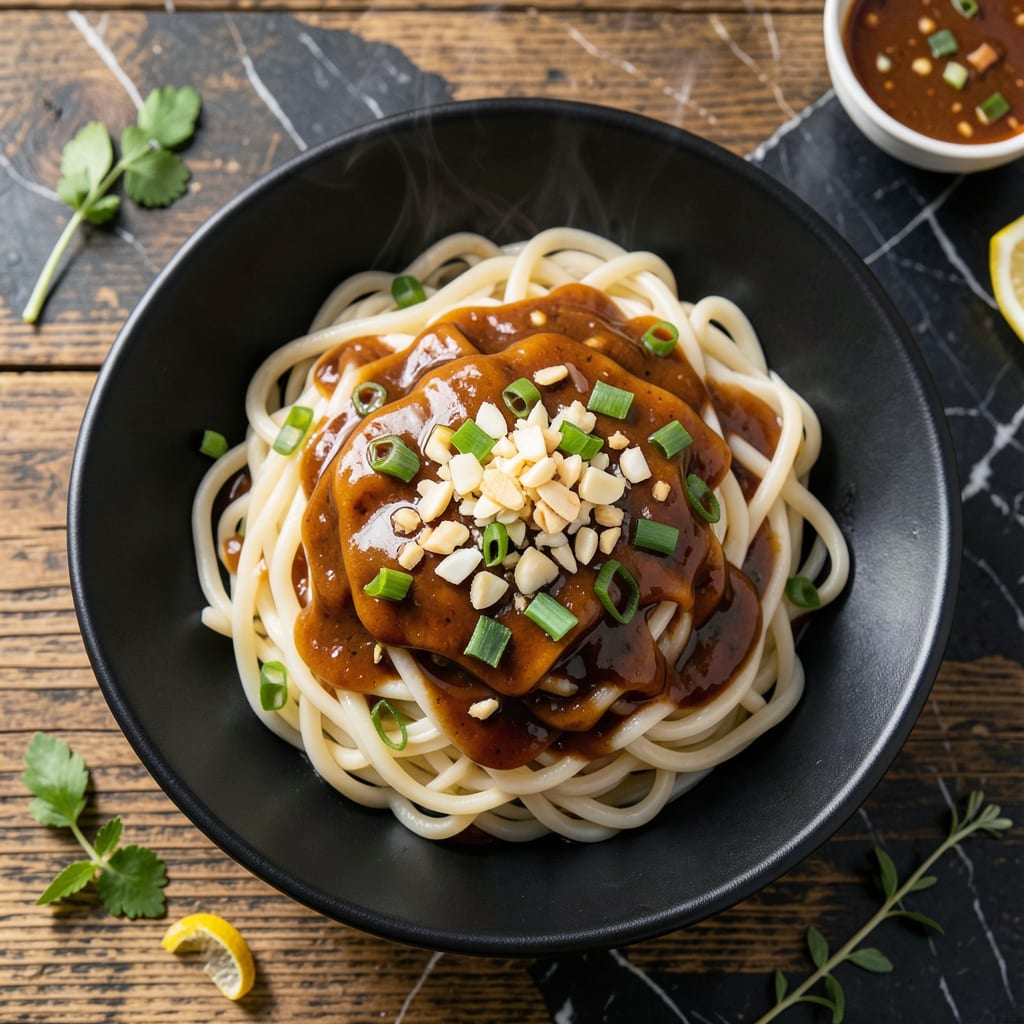
This stir-fry base delivers a chewy texture that perfectly absorbs bold flavors. I developed this method to create a foundation that stands up to robust sauces and proteins.
The secret is proper hydration and quick cooking. These noodles maintain their structure while soaking up the surrounding flavors, making them ideal for hearty stir-fries. The result is consistently tender with just the right bite.
Ingredients for Fat Rice Noodles
Wide rice noodles and bold seasonings create this chewy stir-fry foundation that soaks up flavors beautifully.
| Ingredient | Amount | Notes |
|---|---|---|
| Rice Noodles 🍜 | 8 oz | Wide, flat variety preferred |
| Vegetable Oil 🫒 | 2 tbsp | High smoke point for stir-frying |
| Garlic Cloves 🧄 | 4 cloves | Minced for aromatic base |
| Fresh Ginger Root 🌿 | 1 whole | Peeled and grated |
| Green Onions 🧅 | 4 whole | Thinly sliced for garnish |
| Soy Sauce 💧 | 3 tbsp | Low-sodium recommended |
| Dark Soy Sauce 💧 | 1 tbsp | For deeper color and flavor |
| Sesame Oil 🫒 | 1 tsp | Toasted for finishing touch |
| White Granulated Sugar 🧂 | 1 tsp | Balances savory flavors |
| Ground White Pepper 🌶️ | ½ tsp | Subtle heat without color |
| Chicken Breast 🍗 | 1 lb | Thinly sliced for stir-fry |
| Bell Pepper 🌶️ | 1 whole | Red or green, thinly sliced |
| Carrot 🥕 | 1 whole | Julienned for texture |
| Bean Sprouts 🌱 | 1 cup | Fresh for crunch |
The rice noodles are critical here. Wide, flat rice noodles (often labeled as ‘ho fun’ or ‘shahe fen’) deliver that signature chew. Asian markets carry the best selection, but Whole Foods or well-stocked supermarkets usually have them too. Look for noodles that are at least 1/2-inch wide—they hold up better to stir-frying than thin vermicelli. Check the package for any added preservatives; the simpler the ingredient list, the better the texture.
No wide noodles? Fresh egg noodles work in a pinch (though they won’t be gluten-free). Low-sodium soy sauce is ideal, but regular is fine if you reduce the amount by half. Dark soy sauce adds depth—Kikkoman makes a reliable version. For the protein, tofu or shrimp can easily swap in for the chicken. The vegetables are flexible too—snap peas or cabbage work just as well as bell peppers and carrots.
Uncooked rice noodles keep in the pantry for 6-12 months. Once soaked, they’re best used immediately. Leftovers store in the fridge for 3-4 days—reheat quickly over high heat to restore that perfect chew. The sliced vegetables can be prepped a day ahead and stored in airtight containers.
Why You’ll Love This Recipe
- One-Pot Wonder: I just dump the rice noodles in with the garlic and ginger—no extra pans, no fuss.
- Aroma Overload: The sizzle of garlic and ginger in hot oil fills the kitchen before the noodles even hit the pan.
- Weeknight Hero: Honestly, it’s my Tuesday lifesaver when I need dinner fast and satisfying.
- Budget Stretcher: A pound of rice noodles and a handful of aromatics feeds my family for days.
Step-by-Step Instructions for Fat Rice Noodles
Master the technique for perfectly chewy noodles with vibrant stir-fry flavors.
Step 1: Rehydrate the Rice Noodles Properly
Place the 8 oz Rice Noodles in a large bowl and cover with hot tap water. They should be fully submerged. Soak for 15-20 minutes until pliable but still slightly firm to the bite—this prevents them from turning mushy during stir-frying.
Drain immediately and rinse under cold water to stop the cooking process. Toss with 1 tsp Sesame Oil to prevent sticking. The noodles should be white and flexible, not brittle or overly soft. This preparation ensures they absorb the sauce flavors without breaking apart.
Step 2: Stir-Fry the Aromatics and Protein
Heat 2 tbsp Vegetable Oil in a wok or large skillet over high heat until shimmering. Add the minced 4 cloves Garlic Cloves and peeled and grated 1 whole Fresh Ginger Root, stir-frying for 30 seconds until fragrant but not browned.
Immediately add the thinly sliced 1 lb Chicken Breast and cook for 4-5 minutes until no longer pink. Break up any clumps with your spatula. The chicken should be just cooked through with light browning—this maintains tenderness in the final dish.
Step 3: Incorporate Vegetables for Texture
Add the thinly sliced 1 whole Bell Pepper, julienned 1 whole Carrot, and 1 cup Bean Sprouts. Stir-fry for 2-3 minutes until the vegetables soften slightly but retain their crispness. The bell pepper should brighten in color while the carrots remain slightly firm.
The bean sprouts will wilt but should maintain a satisfying crunch. This step develops the dish’s texture contrast while allowing the vegetables to absorb the aromatic flavors from the chicken and spices.
Step 4: Combine Noodles and Sauce Components
Add the drained rice noodles to the wok along with 3 tbsp Soy Sauce, 1 tbsp Dark Soy Sauce, 1 tsp White Granulated Sugar, and 0.5 tsp Ground White Pepper. Toss everything together vigorously for 2-3 minutes until the noodles are evenly coated and heated through.
The dark soy sauce creates a rich mahogany color while the white pepper adds subtle warmth without altering the dish’s appearance. The sugar balances the saltiness, creating a harmonious flavor profile that clings to each noodle.
Step 5: Finish and Garnish for Presentation
Remove from heat and adjust seasoning if needed. The noodles should glisten with sauce, not appear dry or soupy. Transfer to a serving platter and top with thinly sliced 4 whole Green Onions for freshness and color contrast.
Serve immediately while hot—the noodles will continue to absorb flavors as they sit. Each portion should display the wide, flat noodles coated in the glossy sauce with visible flecks of chicken and vegetables throughout.
Pro Tips For Making Fat Rice Noodles
- Soak Noodles First: Cover rice noodles in warm water for 10-15 minutes before cooking—they’ll soften evenly and absorb flavors better. I learned this the hard way after ending up with crunchy centers more times than I’d like to admit.
- Slice Ginger Thin: Cut ginger into paper-thin slices or fine julienne so it infuses the oil quickly without overpowering the dish. Sounds fussy, but it actually changes the outcome.
- Skip Cold Oil: Heat the vegetable oil until it shimmers before adding garlic and ginger—this prevents them from sticking and burning. After burning three batches, I finally figured out the timing.
- Reserve Green Onions: Add half the green onions at the end for freshness, and cook the rest with the aromatics. My grandmother swore by this, and she was right.
Essential Equipment for fat rice noodles
Wok Selection
A carbon steel wok is my top choice for stir-frying—it heats quickly and distributes heat evenly. I recommend the Made In or Joyce Chen brands for durability. A 14-inch diameter gives you enough room to toss ingredients without spilling. 🔥
High Heat Source
Your wok needs intense heat, so a gas range with at least 15,000 BTU output is ideal. If using electric, look for models with a wok burner attachment. I’ve had great success with GE Profile ranges for consistent high heat.
Prep Tools
A sharp chef’s knife is essential for slicing proteins and vegetables thinly and uniformly. I use a Wüsthof 8-inch for most prep work. Also, keep a microplane handy for grating fresh ginger—it makes a noticeable difference in texture.
Stir-Fry Essentials
Invest in a long-handled wok spatula for safe, effective tossing. I prefer the bamboo and metal hybrid style. A wok brush with natural bristles helps clean the wok between batches without damaging the seasoning.
Safety Gear
High-heat cooking means splatters, so wear an apron and use long oven mitts. I keep a silicone splatter screen nearby for extra protection. Also, ensure your kitchen has good ventilation—stir-frying can get smoky quickly.
Noodle Prep
A large mixing bowl for soaking noodles and a colander for draining are must-haves. I use a 5-quart stainless steel bowl to give the noodles plenty of room to expand without clumping. 💡
Nutrition Facts
Frequently Asked Questions
What kind of rice noodles work best?
Use wide, flat rice noodles (ho fun or shahe fen) for the best chew. They hold up to stir-frying better than thin noodles and absorb sauces beautifully. Avoid vermicelli as it can turn mushy.
Can I make this ahead of time?
Prep veggies and protein a day ahead, but cook the noodles fresh. Leftovers keep for 3-4 days in the fridge. Reheat quickly over high heat to restore texture.
Why are my noodles sticking together?
This usually means they were over-soaked or not rinsed after draining. Soak only until pliable (15-20 minutes), then rinse with cold water and toss with 1 tsp sesame oil.
Can I use a different protein?
Swap chicken for shrimp, tofu, or beef. For shrimp, cook 2-3 minutes until pink. For beef, slice thinly against the grain for tenderness.

- 4C Bread Crumbs Meatballs Recipe: Crispy Crust and Juicy Centers - September 25, 2026
- 6 Oz Chocolate Chip Cookie Recipe: Perfectly Balanced Crispy Edges and Chewy Hearts - September 25, 2026
- 6-Inch Coffee Cake Recipe: Vanilla Bean Swirls and Buttery Streusel Topping - September 25, 2026