
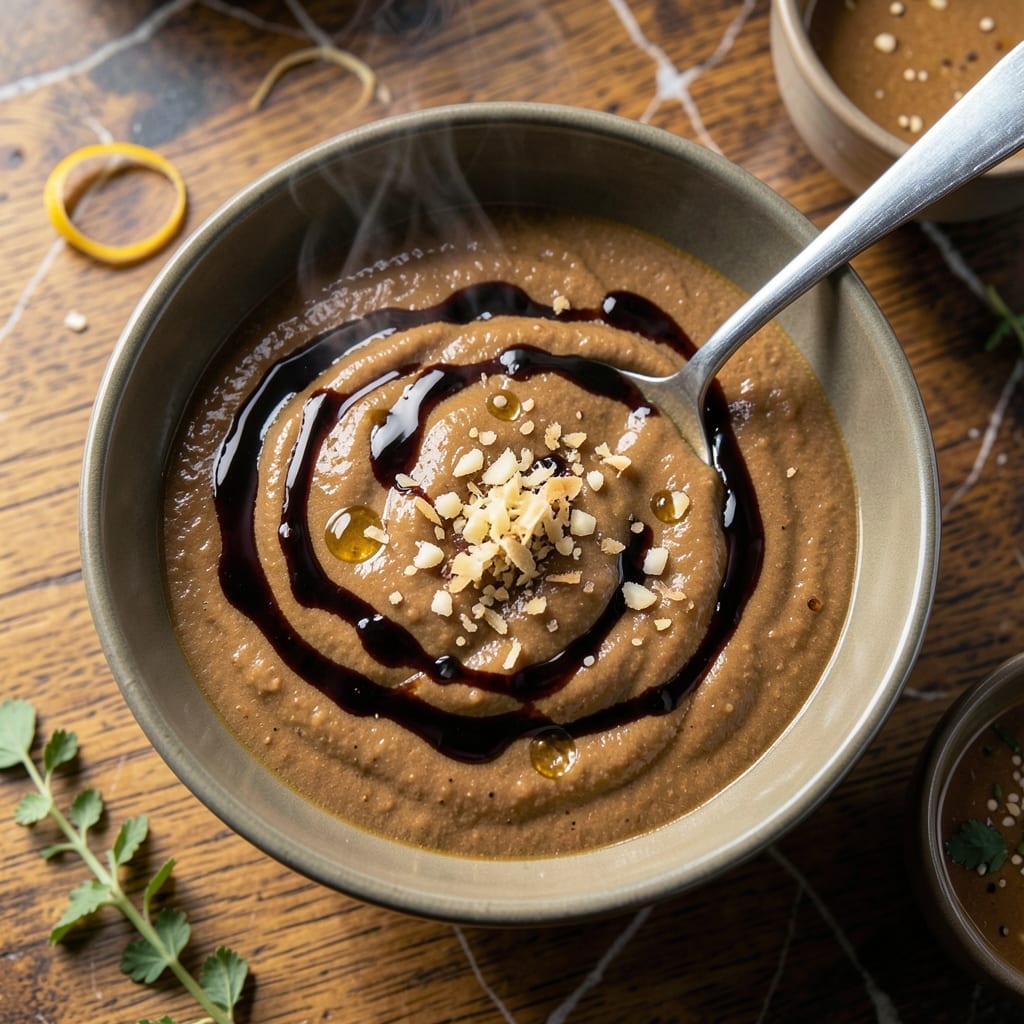
This peanut sauce transforms hot pot dipping into an unforgettable experience. The blend of creamy peanut butter, savory soy sauce, and aromatic spices creates a perfect balance of flavors that elevates every bite.
I developed this recipe to complement the bold tastes of hot pot, ensuring it enhances rather than overpowers. The sauce comes together in 10 minutes with pantry staples, making it as convenient as it is delicious.
What makes this version special is its versatility—adjust the heat, sweetness, or tang to match your preferences. The result is a smooth, rich sauce that clings beautifully to meats, tofu, and vegetables.
Store leftovers in the fridge for up to a week, though it rarely lasts that long. This is the dip your hot pot gatherings have been missing.
Ingredients for Hot Pot Peanut Sauce
Ten pantry staples blend into a smooth, rich sauce perfect for dipping anything.
| Ingredient | Amount | Notes |
|---|---|---|
| Creamy Peanut Butter 🥜 | ¾ cup | Unsweetened, smooth variety preferred |
| Soy Sauce 🫒 | 3 tbsp | Low-sodium for balance control |
| Rice Vinegar 🍚 | 2 tbsp | Or substitute apple cider vinegar |
| Maple Syrup 🍁 | 2 tbsp | Adjust for sweetness preference |
| Sesame Oil 🫒 | 1 tbsp | Toasted for depth of flavor |
| Fresh Garlic Cloves 🧄 | 3 cloves | Minced for even distribution |
| Fresh Ginger 🌿 | 1 tbsp | Grated for maximum infusion |
| Sriracha 🌶️ | 1 tbsp | Adjust for heat level |
| Lime Juice 🍈 | 1 tbsp | Freshly squeezed for brightness |
| Water 💧 | ¼ cup | To thin sauce as needed |
The peanut butter is your foundation—natural, unsweetened is ideal for that pure nutty depth. Whole Foods and Trader Joe’s both carry great options without added sugars. I always reach for the creamy kind (chunky gets weird in sauces). For the soy sauce, Kikkoman low-sodium is my go-to—lets you control the salt without sacrificing that umami punch.
No maple syrup? Agave nectar at a 1:1 ratio works just as well. Sriracha not your thing? Swap in gochujang for a deeper fermented heat or skip it entirely for a milder profile. Fresh ginger is non-negotiable for me (that zing is everything), but ground ginger at half the amount in a pinch. The rice vinegar can be subbed with lime juice if you’re already squeezing limes.
Sauce thickens as it sits, so stir in a splash of warm water if needed. Keeps in the fridge for 5-7 days—if it lasts that long. Freezes beautifully for up to 3 months (portion into ice cube trays for easy use).
Why You’ll Love This Recipe
- 5-Minute Mix: I just dump all five ingredients in a bowl and stir—no cooking, no fuss, just instant sauce.
- Sweet-Savory Addiction: The peanut butter and maple syrup create this crazy balance that’s rich, salty, and just sweet enough.
- Hot Pot Hero: It’s my secret for turning plain broth into a restaurant-worthy dip every single time.
- Stretches Further: One batch coats at least four hot pot servings, and leftovers keep in the fridge for days.
Step-by-Step Instructions for Hot Pot Peanut Sauce
This method delivers a velvety sauce with balanced sweetness, heat, and umami every time.
Step 1: Prepare the Aromatic Base
Mince the 3 cloves Fresh Garlic Cloves until they’re nearly paste-like, then grate the 1 tbsp Fresh Ginger to release its maximum flavor. I use a microplane for the ginger—it gives you the smoothest texture and most juice. Combine these in a small bowl to create your aromatic foundation.
This prep step ensures even distribution of these bold flavors throughout your sauce. The finer the mince and grate, the better they’ll incorporate into the peanut butter base without creating unpleasant texture contrasts.
Step 2: Create the Peanut Butter Mixture
In a medium bowl, combine the 0.75 cup Creamy Peanut Butter with the 3 tbsp Soy Sauce, 2 tbsp Rice Vinegar, and 2 tbsp Maple Syrup. Use a sturdy whisk or fork to blend these together until smooth. The peanut butter should lighten in color as the liquids incorporate.
The soy sauce adds the essential umami backbone, while the rice vinegar provides a subtle tang that cuts through the richness. The maple syrup brings natural sweetness that complements the nutty flavor beautifully.
Step 3: Incorporate the Flavor Boosters
Add the 1 tbsp Sesame Oil, 1 tbsp Sriracha, 1 tbsp Lime Juice, and your prepared garlic and ginger to the peanut butter mixture. Stir thoroughly to combine. The sesame oil adds a toasty depth, while the sriracha introduces a gentle heat that builds gradually.
The lime juice brightens all the flavors, preventing the sauce from tasting one-dimensional. At this stage, your sauce should have a thick, paste-like consistency with visible flecks of garlic and ginger.
Step 4: Achieve the Perfect Consistency
Gradually whisk in the 0.25 cup Water, a tablespoon at a time, until you reach your desired dipping consistency. I prefer my hot pot sauce thick enough to cling to foods but still pourable. The exact amount needed can vary based on your peanut butter’s thickness.
Taste and adjust the seasoning if needed—though with the precise measurements we’ve used, it should be perfectly balanced. The sauce should have a glossy appearance and a smooth texture with just a hint of graininess from the ginger.
Let the sauce rest for 5-10 minutes before serving to allow the flavors to meld together completely. This brief resting period makes a noticeable difference in the final taste.
Pro Tips For Making Hot Pot Peanut Sauce
- Warm the Peanut Butter: Microwave the creamy peanut butter for 20-30 seconds before mixing—it blends smoother with the soy sauce and vinegar, and you won’t be stuck stirring a thick, stubborn paste.
- Balance the Vinegar: Rice vinegar can overpower if you’re heavy-handed; start with 1 tablespoon, taste, then add more—after ruining a batch with too much tang, I now measure like my grandma’s baking.
- Skip Cold Ingredients: Use room-temperature maple syrup and soy sauce, or the sesame oil will clump when you whisk everything together—sounds minor, but it’s the difference between creamy and separated.
- Rest the Sauce: Let the finished sauce sit for 10 minutes before serving; the flavors meld and the peanut butter fully absorbs the liquids—I used to serve it right away and wondered why it tasted flat.
Perfect Pairings for This Recipe
Hot Pot Additions
This sauce pairs beautifully with thinly sliced ribeye beef or lamb shoulder—the richness of the meat balances the sauce’s bold flavors. For seafood lovers, try it with shrimp or scallops; the nutty depth complements their sweetness perfectly. 🥜
Vegetable Pairings
For a lighter option, dip blanched napa cabbage, enoki mushrooms, or bok choy. The sauce clings especially well to tofu puffs and lotus root, adding texture and flavor to every bite.
Drink Matches
Serve with a crisp Asian lager like Sapporo or Tsintgtao to cleanse the palate. For non-alcoholic options, jasmine tea or lychee juice complements the sauce’s nutty and spicy notes beautifully. 🍺
Extra Toppings
Garnish the sauce with crushed peanuts for crunch or cilantro leaves for freshness. A sprinkle of toasted sesame seeds adds visual appeal and an extra layer of flavor.
Nutrition Facts
Frequently Asked Questions
Can I make this sauce ahead of time?
Prepare it up to 3 days in advance. Store in an airtight container in the fridge. The flavors deepen as it rests.
What if my sauce is too thick?
Thin it with warm water, 1 tablespoon at a time, until it reaches your desired consistency. Avoid hot water as it can separate the sauce.
How do I adjust the spice level?
Start with 1/2 tablespoon of sriracha, taste, then add more. For no heat, omit it entirely and add a pinch of sugar to balance.
Can I use crunchy peanut butter?
It works but creates a grainier texture. For smooth results, stick with creamy peanut butter. The sauce will be less uniform with chunks.

- 6 Oz Chocolate Chip Cookie Recipe: Perfectly Balanced Crispy Edges and Chewy Hearts - September 25, 2026
- 6-Inch Coffee Cake Recipe: Vanilla Bean Swirls and Buttery Streusel Topping - September 25, 2026
- 1 Hour Soup Recipe: Velvety Richness Without the Wait - September 25, 2026