
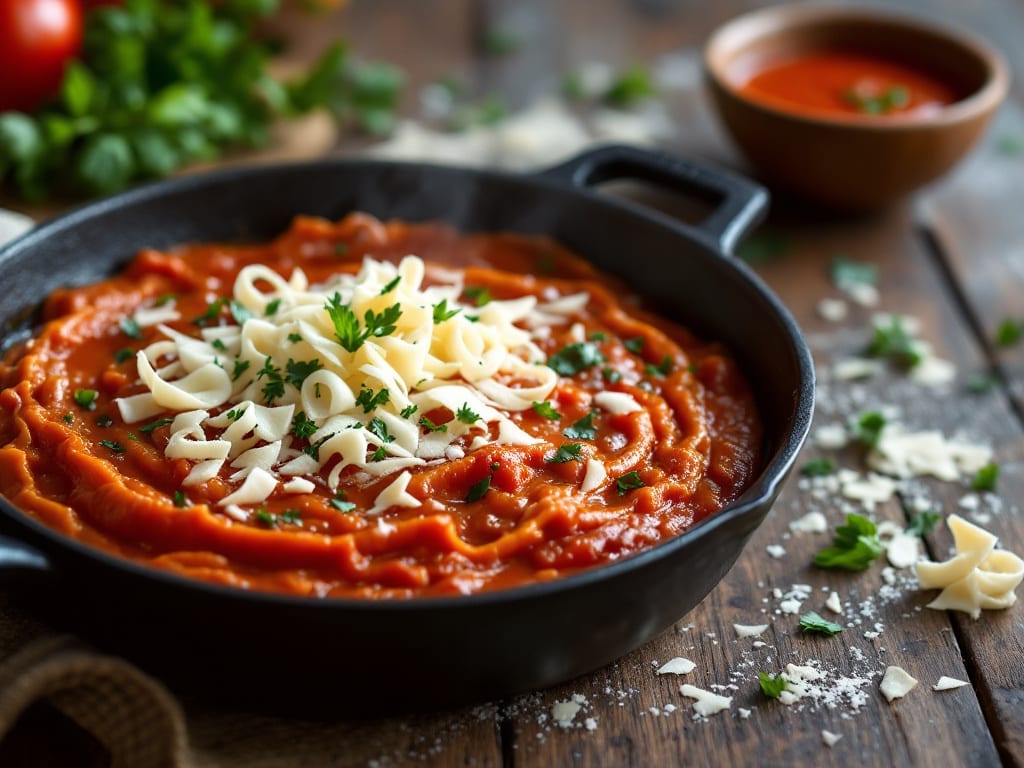
This Instant Pot fresh tomato sauce recipe delivers restaurant-quality flavor in just 30 minutes—no blender required. The secret lies in a precise cooking technique that transforms ripe tomatoes into a velvety, chunk-free sauce with deep, vibrant flavor.
I developed this method after struggling with watery, bland sauces that ruined my pasta dishes.
The beauty of this recipe is its versatility—use it as a base for pasta, pizza, or even as a marinade. The Instant Pot’s pressure cooking creates an ultra-smooth texture without losing any of the tomatoes’ natural sweetness.
Fresh basil and garlic infuse the sauce with aromatic depth, while a touch of sugar balances acidity for perfect harmony.
What you’ll end up with is a bright red sauce that coats pasta like silk and enhances any dish it touches. The sauce thickens naturally as it cooks, eliminating the need for cornstarch or roux.
This isn’t just another tomato sauce—it’s a game-changer for home cooks who want professional results without the fuss.
Store leftovers in the fridge for up to a week or freeze for months, making this the perfect sauce to have on hand for quick weeknight meals. Let’s get cooking—your pantry will never be the same.
Ingredients for instant pot fresh tomato sauce
Nine simple ingredients transform into a velvety sauce that elevates every dish it touches.
| Ingredient | Amount | Notes |
|---|---|---|
| Fresh Roma Tomatoes 🍅 | 2 lb | Ripe, firm, halved for even cooking |
| Fresh Garlic Cloves 🧄 | 6 cloves | Peeled, smashed for aromatic depth |
| Fresh Basil Leaves 🌿 | ½ cup | Packed, stems removed for purity |
| Extra-Virgin Olive Oil 🫒 | ¼ cup | High-quality, fruity variety |
| Granulated Sugar 🍯 | 1 tbsp | Balances tomato acidity naturally |
| Kosher Salt 🧂 | 1 ½ tsp | Adjust to taste after cooking |
| Freshly Ground Black Pepper 🌶️ | ½ tsp | Enhances depth of flavor |
| Dried Oregano 🍃 | ½ tsp | Complements fresh basil notes |
| Water 💧 | ½ cup | For Instant Pot pressure cooking |
The tomatoes are the foundation—Roma tomatoes have fewer seeds and a meatier texture, making them ideal for sauce. Look for bright red, firm tomatoes with no soft spots. Heinz or Muir Glen brands are consistently reliable, but fresh is always better. Garlic should be plump and firm, not sprouting. Fresh basil matters too—bright green leaves with no yellowing. I always buy extra because I use it in everything. The olive oil should be extra-virgin, not the light variety—it makes a noticeable difference in flavor.
No fresh basil? Dried basil at one-third the amount works in a pinch, but fresh is ideal. Running low on Roma tomatoes? San Marzano canned tomatoes are a perfect backup—they’re sweeter and less acidic. The sugar balances acidity, but if your tomatoes are particularly sweet, you can reduce it to 0.5 tablespoons. For a deeper flavor, add 1 teaspoon of balsamic vinegar at the end. The Instant Pot’s pressure cooking ensures a silky texture without needing a blender, but if you prefer it smoother, blend after cooking.
This sauce keeps beautifully—up to 1 week in the fridge or 3 months in the freezer. For freezing, portion into ice cube trays first, then transfer to a bag. The sauce actually improves overnight as flavors meld. I always make a double batch—one for meals, one to freeze for lazy days. The basil wilts fast, so store it in a jar of water in the fridge like flowers. The garlic can be peeled and stored in the freezer for up to 6 months.
Why You’ll Love This Recipe
- Here’s what sold me: that first bite of pasta slathered in this sauce—warm, garlicky, with basil so fresh it’s practically still growing. A pinch of sugar balances the acidity, and the olive oil ties it all together like a hug. (Yes, even on a Tuesday night.)
- 20-Minute Magic: I swear by this when I’m staring at a clock and a pile of half-chopped tomatoes. Toss everything in—no peeling, no straining—just a quick pulse in the Instant Pot, and boom, you’ve got bright, chunky sauce ready for pasta or pizza. The tomatoes break down just enough to release their sweetness without turning mushy.
- Garlic-Basil Bomb: Here’s what sold me: that first bite of pasta slathered in this sauce—warm, garlicky, with basil so fresh it’s practically still growing. A pinch of sugar balances the acidity, and the olive oil ties it all together like a hug. (Yes, even on a Tuesday night.)
- Pantry to Party: This sauce is my weeknight secret weapon, but it’s also the star of my holiday table. Freeze half for future lasagna nights, and use the rest to dress up grilled chicken or a simple caprese salad. No one will guess it took less effort than a store-bought jar.
Step-by-step instructions for Instant Pot fresh tomato sauce
Here’s the method for a silky, vibrant sauce that clings perfectly to pasta.
Prepare the Tomatoes and Aromatics
Halve the 2 lb fresh Roma tomatoes crosswise and remove the cores using a small spoon. Place them in the Instant Pot along with the 6 cloves peeled garlic cloves (smashed with the side of a knife for maximum flavor). This preparation ensures even cooking and prevents large chunks in your finished sauce.
Add the 0.5 cup fresh basil leaves (packed, stems removed) and the 0.25 cup extra-virgin olive oil. The basil will soften beautifully during cooking, releasing its aromatic oils into the sauce. The olive oil serves as both a flavor carrier and a natural emulsifier, preventing separation later.
Sauté and Season Before Pressure Cooking
Set your Instant Pot to the “Sauté” function and allow it to preheat for 2 minutes. Add the 1 tbsp granulated sugar, 1.5 tsp kosher salt, 0.5 tsp freshly ground black pepper, and 0.5 tsp dried oregano. Stir the mixture for 3-4 minutes until the tomatoes begin to break down slightly and release their juices.
This initial sautéing step develops the flavors and helps create a deeper color in your sauce. You’ll notice the tomatoes soften slightly and release a fragrant aroma—this is when the magic begins. The sugar will help balance the natural acidity of the tomatoes while caramelizing just enough to add complexity.
Pressure Cook for Perfect Texture
Pour in the 0.5 cup water, then secure the lid and set the Instant Pot to “High Pressure” for 10 minutes. The water creates steam that helps break down the tomato fibers, resulting in a smooth, velvety texture without requiring additional blending.
Once the cooking time is complete, allow the pressure to release naturally for 15 minutes before quick-releasing any remaining pressure. This gradual release prevents the sauce from becoming watery. The natural release also allows the flavors to meld more completely, giving you that restaurant-quality depth.
Finish and Adjust Seasoning
Carefully open the Instant Pot and use an immersion blender to blend the sauce until completely smooth. If you prefer a slightly chunkier texture, you can skip this step or blend only until most of the larger pieces are broken down. The sauce should coat the back of a spoon with a silky consistency.
Taste and adjust the seasoning if needed—this is where you can fine-tune the balance between sweet, salty, and acidic notes. The sauce should be vibrant in color and have a bright, fresh tomato flavor with no bitterness. If it’s too acidic, you can add a pinch more sugar or a splash of water to adjust the consistency.
Pro Tips For Making Instant Pot Fresh Tomato Sauce
- CRUSH THE TOMATOES FIRST: Dump whole Roma tomatoes into the Instant Pot and you’ll end up with a watery mess. Grab a knife and smash them flat on the cutting board—just enough to break the skins so they release flavor without turning to mush. (Yes, it’s extra work, but the sauce will actually taste like tomatoes.)
- SAUTE GARLIC LOW AND SLOW: I used to burn the garlic every time, which made the whole sauce taste bitter. Instead of blitzing it on high, cook it on low heat for 2-3 minutes until fragrant but still pale gold—just enough to wake up the oil without turning it to ash.
- SALT THE SAUCE EARLY: Taste the sauce after 5 minutes of cooking, then add salt. Waiting until the end means guessing how much to add, and you’ll either undersalt or overcorrect. Start with ½ teaspoon, then adjust—this sauce forgives a little, but not too much.
- STIR IN BASIL AT THE END: Tossing fresh basil into the pot while it’s hot will turn it to sludge. Instead, stir in a handful of torn leaves right before serving, or reserve some to garnish. (Pro move: Use the rest in a quick pesto or pasta water boost.)
Common mistakes when making perfect results
Skipping the Sauté
One of the biggest mistakes I see is skipping the sauté step entirely. That 3-4 minute sauté on “Sauté” mode is crucial for developing deep flavor and color. Without it, your sauce will taste flat and pale.
The tomatoes need that initial breakdown to release their juices and develop their natural sweetness. I’ve made this sauce without sautéing—it was a disaster. Always take those few minutes to build flavor from the start. 🌶️
Overfilling the Pot
Never fill your Instant Pot more than halfway when pressure cooking—this sauce recipe requires only 2 lbs of tomatoes plus aromatics. Overfilling creates excessive steam and can lead to a watery, diluted sauce. The 0.5 cup water is all you need for steam; any more will dilute the tomato concentration.
I once accidentally used 3 lbs of tomatoes and ended up with a soup-like consistency. Stick to the measurements for perfect texture.
Quick-Releasing Pressure
Quick-releasing the pressure after cooking is a recipe for disaster—your sauce will be watery and lose its rich texture. Always allow for a 15-minute natural release first. This gradual release lets the sauce thicken properly as the pressure equalizes.
I learned this the hard way when my first attempt turned out like tomato water. Patience here makes all the difference in achieving that velvety consistency we all crave.
Using Dull Knives
When prepping your tomatoes, using a dull knife is a silent flavor killer. A sharp knife ensures clean cuts that release more juice and flavor during cooking. I always use my Wüsthof eight-inch chef’s knife for this step.
Dull knives crush tomatoes instead of slicing them, which leads to uneven cooking and a less vibrant sauce. Take 2 minutes to sharpen your knife before starting—it’s worth it for that restaurant-quality texture.
Ignoring the Sugar
The 1 tbsp granulated sugar isn’t just for sweetness—it balances the natural acidity of tomatoes and helps caramelize the flavors. Skipping it can leave your sauce tasting sharp and unbalanced. I’ve made this sauce without sugar, and while it wasn’t terrible, it lacked that perfect harmony.
If your tomatoes are particularly sweet, you can reduce it to 0.5 tbsp, but never omit it completely unless you’re using very low-acid tomatoes.
Not Adjusting Seasoning
Tasting and adjusting seasoning at the end is non-negotiable. The sauce needs to be vibrant and balanced, not bland or overly acidic. I’ve seen people pour this sauce over pasta only to realize it needs more salt or sugar.
Always taste first—this is your chance to perfect the flavor. The sauce should sing with bright tomato notes, not shout with acidity or whisper with blandness. A quick adjustment at the end makes all the difference. ✨
Nutrition facts
Frequently asked questions
Can I use canned tomatoes instead of fresh?
Yes! For a quick version, substitute 2 (28 oz) cans San Marzano tomatoes (crushed) and reduce pressure cooking time to 8 minutes. Skip the sauté step since canned tomatoes are pre-cooked. The texture will be slightly different but still delicious. For best results, use high-quality canned tomatoes—they make a noticeable difference in flavor.
How do I prevent my sauce from being too acidic?
The 1 tbsp sugar balances acidity naturally, but if your tomatoes are particularly tart, add ½ tsp baking soda during the sauté step. This neutralizes acidity without altering flavor. For extra insurance, use 1 tbsp tomato paste (cooked into the oil first) to mellow the brightness. Always taste before serving!
What’s the best way to use this sauce?
This versatile sauce works perfectly on al dente pasta, as a pizza base, or drizzled over grilled chicken. For extra richness, finish with 1 tbsp cream or butter before serving. It also freezes beautifully—portion into ice cube trays for easy single-use servings later. The bright flavor pairs especially well with whole wheat pasta or hearty meats like sausage.
Why did my sauce turn out watery?
Watery sauce usually means either overfilling the pot (use ≤½ capacity) or quick-releasing pressure. Always allow a 15-minute natural release first. If it’s still too thin, simmer uncovered on “Sauté” mode for 5-10 minutes to reduce. The sauce should coat the back of a spoon—if not, cook it longer or add 1 tsp cornstarch mixed with water as a thickener.
Can I make this sauce spicier?
Add 1-2 chopped jalapeños with the tomatoes or stir in ½ tsp red pepper flakes during sautéing. For smoky heat, include ½ tsp smoked paprika. Remember to taste first—you can always add more heat, but you can’t remove it! The sauce’s natural sweetness balances the spice beautifully.

- Crock Pot Round Steak Recipe: Slow-Sear Crust With Juicy Center - November 6, 2026
- Candied Sweet Potatoes Crock Pot Recipe: Caramelized Sweetness With Zero Effort - November 6, 2026
- Steak Recipe Crock Pot: Juicy, Caramelized Crust in 4 Hours - November 6, 2026